
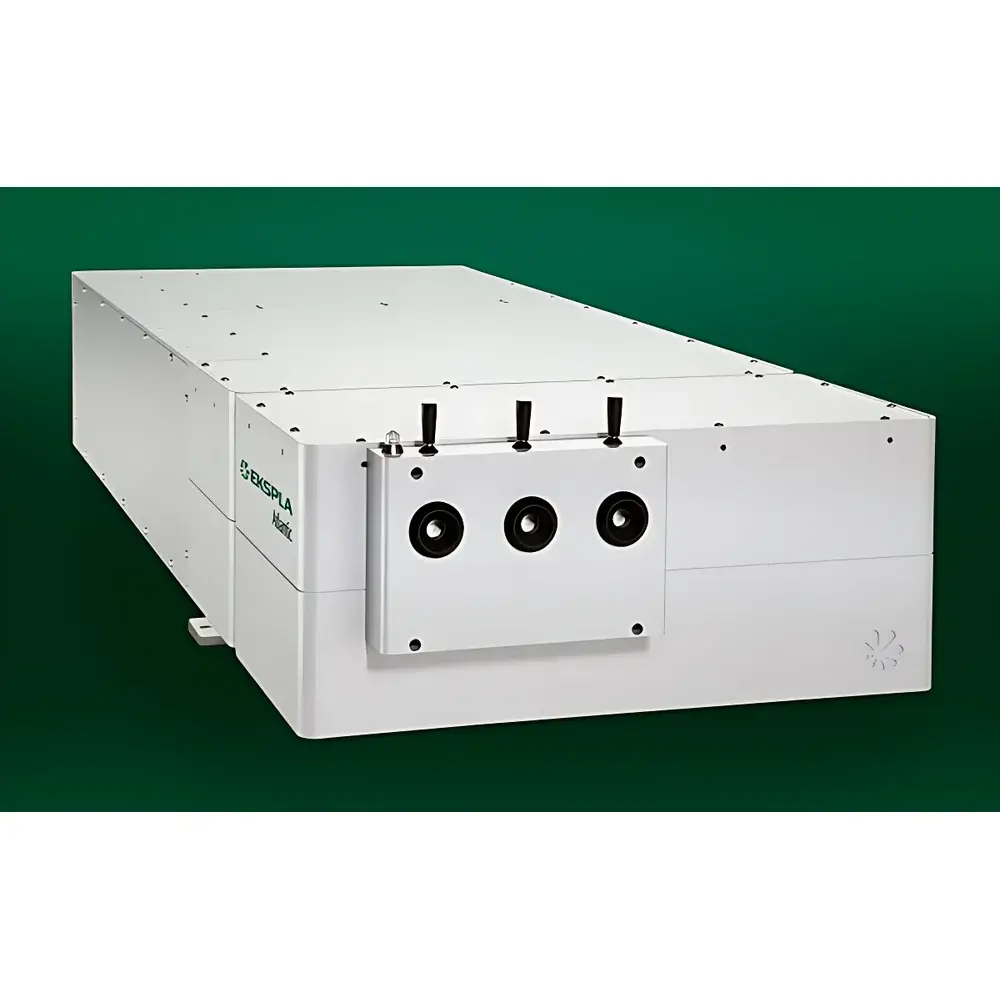
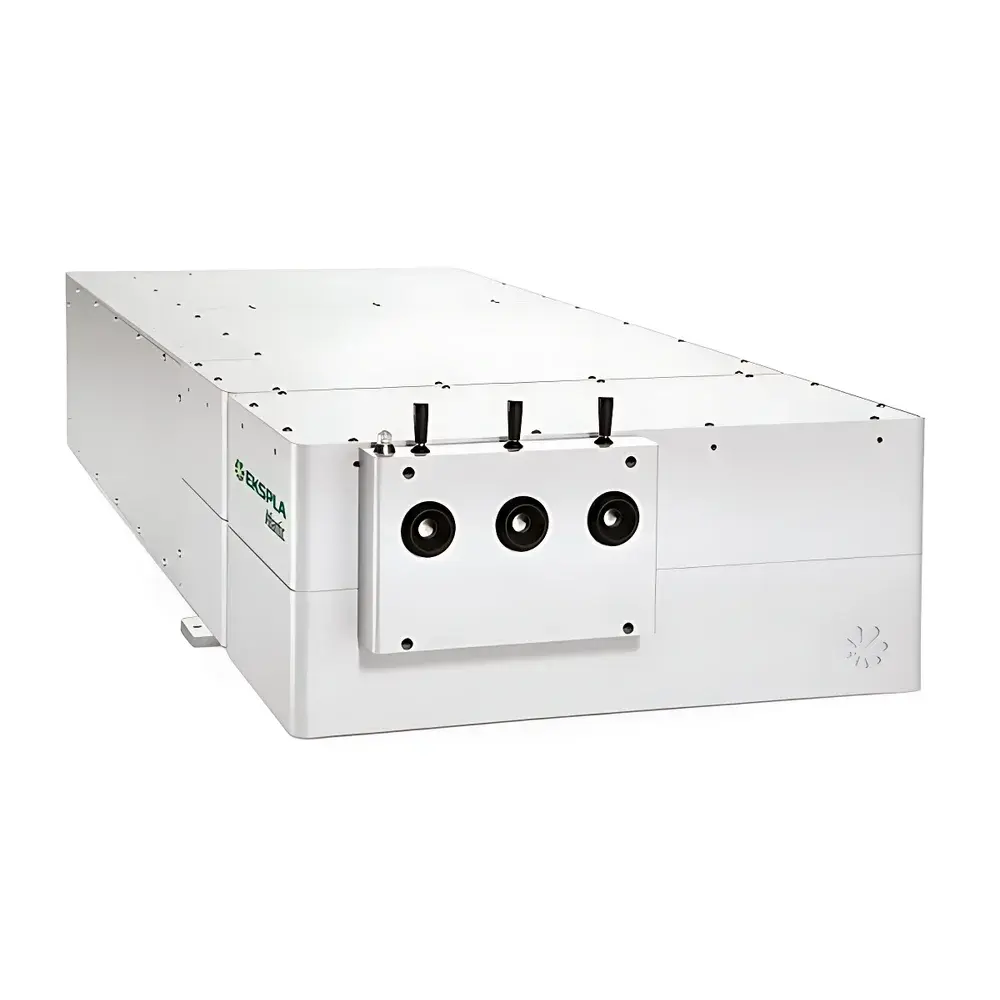
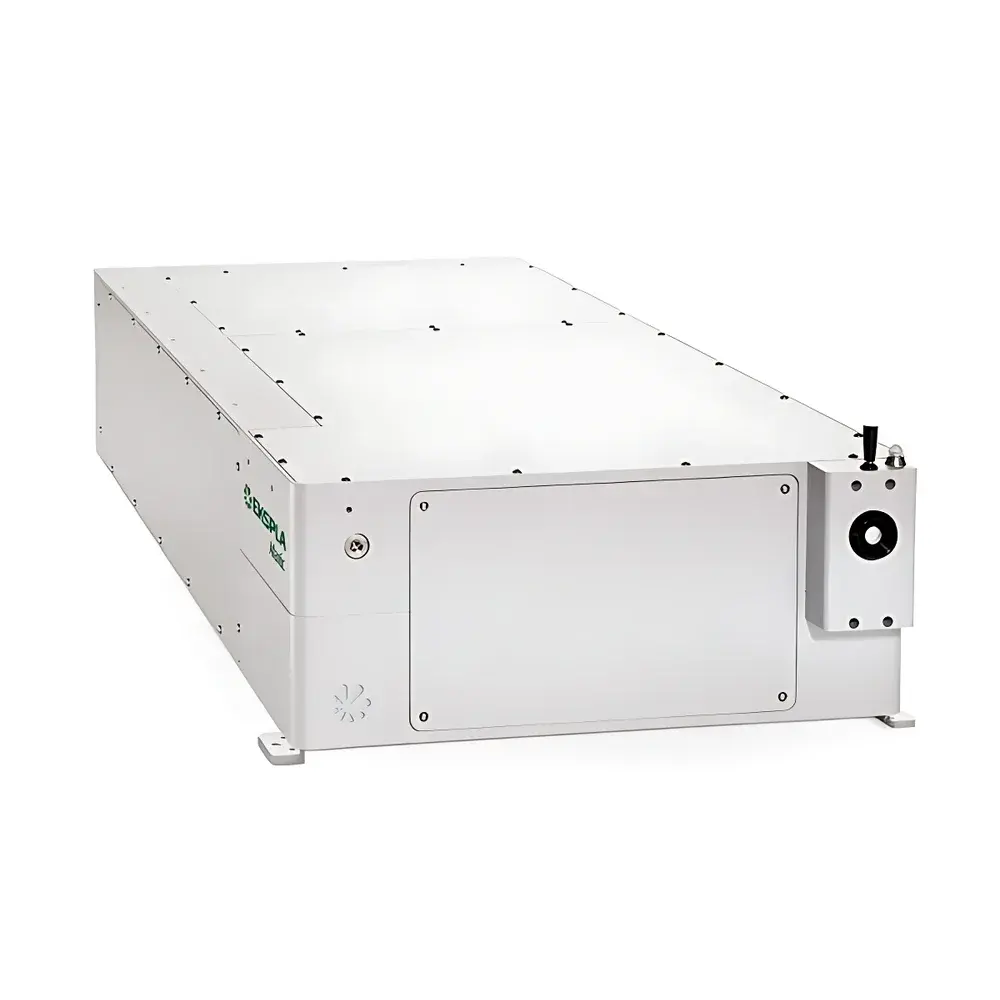
Ekspla Atlantic High-Power Industrial Picosecond Laser System
| Brand | Ekspla |
|---|---|
| Origin | Lithuania |
| Manufacturer Type | Original Equipment Manufacturer (OEM) |
| Product Category | Imported Industrial Laser System |
| Model | Atlantic |
| Output Power | Up to 60 W @ 1064 nm |
| Repetition Rate | Up to 1 MHz |
| Pulse Energy | Up to 200 µJ |
| Pulse Duration | 10 ps (FWHM) |
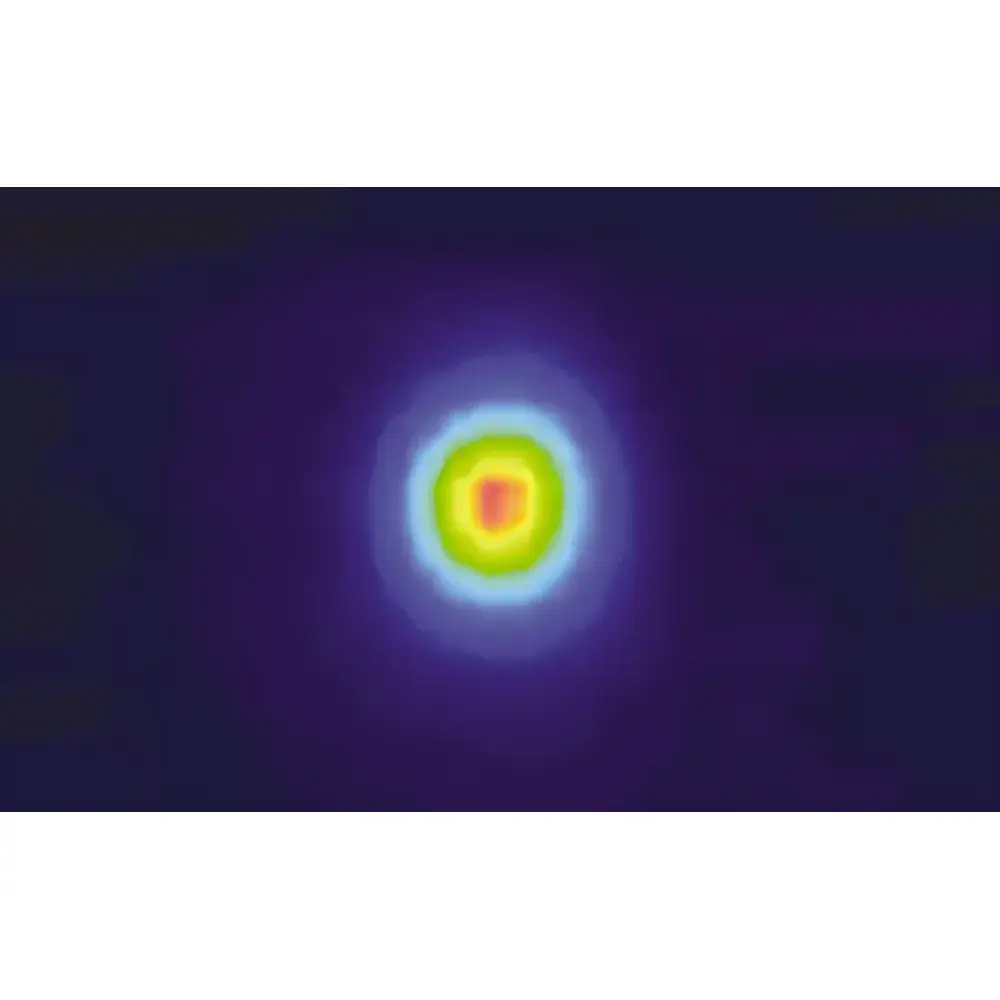
| Beam Quality | M² < 1.3 |
| Triggering | Smart TTL/RS-422 Synchronization |
| Cooling | Air-cooled (no external water required) |
| Power Supply | Single-phase AC, 230 V ±10%, 50/60 Hz |
| Enclosure | IP54-rated sealed industrial chassis |
| Maintenance Interval | >15,000 hours MTBF |
Overview
The Ekspla Atlantic is a turnkey, high-repetition-rate picosecond laser system engineered for demanding industrial micromachining applications requiring precise ablation with minimal thermal impact. Based on diode-pumped solid-state (DPSS) architecture with mode-locked Nd:YVO₄ oscillator and multi-stage amplifier stages, the Atlantic delivers stable, diffraction-limited 1064 nm radiation with pulse durations of 10 ps (FWHM), enabling nonlinear interaction with materials while suppressing heat-affected zones (HAZ). Its all-solid-state design eliminates flashlamps and liquid cooling loops—replacing them with air-cooled, hermetically sealed modules rated to IP54 for operation in factory-floor environments. The system complies with IEC 60825-1:2014 Class 4 laser safety requirements and integrates embedded interlock circuits compatible with ISO 11553-1 machinery safety standards.
Key Features
- Industrial-grade reliability: Designed for 24/7 operation with mean time between failures (MTBF) exceeding 15,000 hours under nominal load conditions.
- Smart pulse control: Individual pulse selection via TTL or RS-422 interface enables deterministic triggering synchronized with high-speed polygon scanners, galvanometric mirrors, or motion stages—critical for precision patterning at up to 1 MHz repetition rates.
- Beam quality optimization: M² < 1.3 ensures near-diffraction-limited focusability, supporting spot sizes down to < 15 µm (with appropriate optics), essential for fine-feature drilling and micro-structuring.
- Compact and maintenance-free architecture: Fully integrated air-cooled design eliminates dependency on external chillers or deionized water loops; no consumables or periodic alignment required during normal operation.
- Single-phase power compatibility: Operates from standard industrial single-phase 230 V AC supply (±10%, 50/60 Hz), reducing infrastructure overhead versus three-phase alternatives.
- Robust environmental sealing: IP54-rated enclosure protects internal optics and electronics against dust ingress and incidental water splashing—validated per IEC 60529.
Sample Compatibility & Compliance
The Atlantic is compatible with a broad range of industrially relevant materials including metals (copper, stainless steel, aluminum alloys), ceramics (Al₂O₃, SiC, ZrO₂), semiconductors (Si, GaAs, sapphire), polymers (PI, PET, PC), and coated substrates (ITO-on-glass, thin-film solar cells). Its 10 ps pulse duration enables efficient cold ablation mechanisms—particularly advantageous for brittle or thermally sensitive materials where nanosecond lasers induce cracking or delamination. The system supports integration into automated production lines compliant with ISO 9001 and ISO 14001 frameworks. Optional CE marking documentation, EC Declaration of Conformity, and laser safety risk assessment reports are available upon request to support regulatory audits under Machinery Directive 2006/42/EC and Electromagnetic Compatibility Directive 2014/30/EU.
Software & Data Management
The Atlantic operates via Ekspla’s proprietary Laser Control Suite (LCS), a Windows-based application offering real-time monitoring of output power, pulse energy, repetition rate, and internal temperature diagnostics. LCS provides programmable pulse train sequencing, external trigger latency compensation (< 50 ns jitter), and configurable safety interlock states. All operational parameters and event logs—including laser enable/disable cycles, error codes, and thermal sensor readings—are timestamped and exportable in CSV format for traceability. The software architecture supports optional integration with MES/SCADA platforms via TCP/IP or Modbus TCP protocols. Audit trails meet GLP/GMP data integrity principles (ALCOA+), and optional 21 CFR Part 11-compliant user access control and electronic signature modules are available for regulated manufacturing environments.
Applications
- High-throughput micro-drilling of fuel injector nozzles, medical device stents, and filtration membranes.
- Precision cutting of flexible printed circuit boards (FPCBs) without carbonization or edge charring.
- Surface texturing for functional enhancement—e.g., hydrophobic/hydrophilic patterning on medical implants or mold inserts.
- Thin-film removal (solar cell P1–P3 scribing, display touch sensor patterning) with sub-µm layer selectivity.
- Direct-write structuring of transparent conductive oxides (TCOs) and dielectric layers in optoelectronic component fabrication.
- Ablation-based surface cleaning and oxide removal prior to bonding or coating processes.
FAQ
What is the maximum average power stability over an 8-hour continuous run?
Typical RMS power fluctuation is ≤ ±0.75% when operated within specified ambient temperature (15–30 °C) and humidity (30–70% RH non-condensing) ranges.
Is the laser compatible with third-party beam delivery systems?
Yes—the 1064 nm collimated output features a Ø10 mm beam diameter with adjustable divergence (< 0.5 mrad), standardized kinematic mounting interface, and optional fiber-coupling kits (SMF-28 or HI1060) available upon request.
Does the system include built-in pulse energy monitoring?
Yes—a calibrated photodiode-based energy monitor is integrated into the beam path with real-time feedback to LCS; calibration traceable to PTB (Physikalisch-Technische Bundesanstalt) standards.
Can the repetition rate be adjusted dynamically during operation?
Yes—repetition rate is software-tunable from single-shot up to 1 MHz in 1 kHz increments, with full synchronization maintained across all pulse parameters.
What warranty and service support options are offered?
Standard warranty covers parts and labor for 24 months from commissioning date; extended service contracts include remote diagnostics, annual preventive maintenance, and priority spare parts provisioning.





