
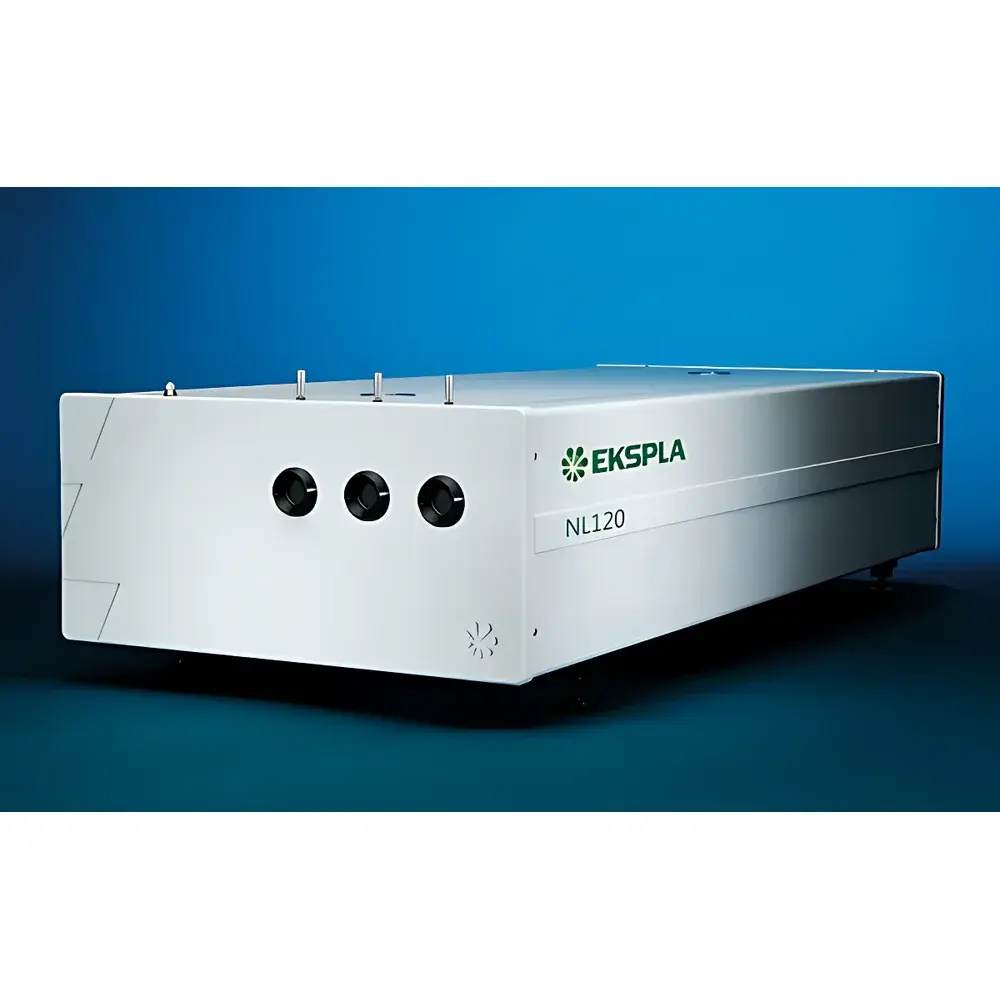
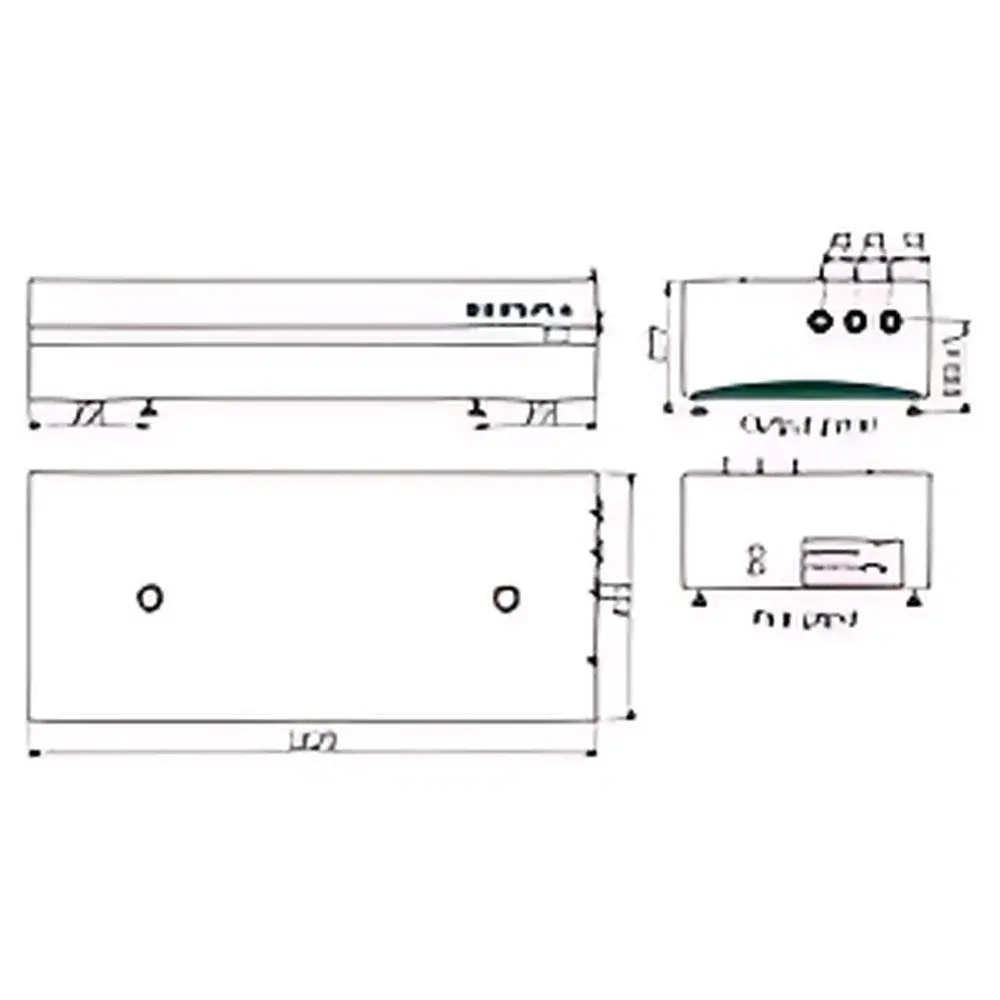
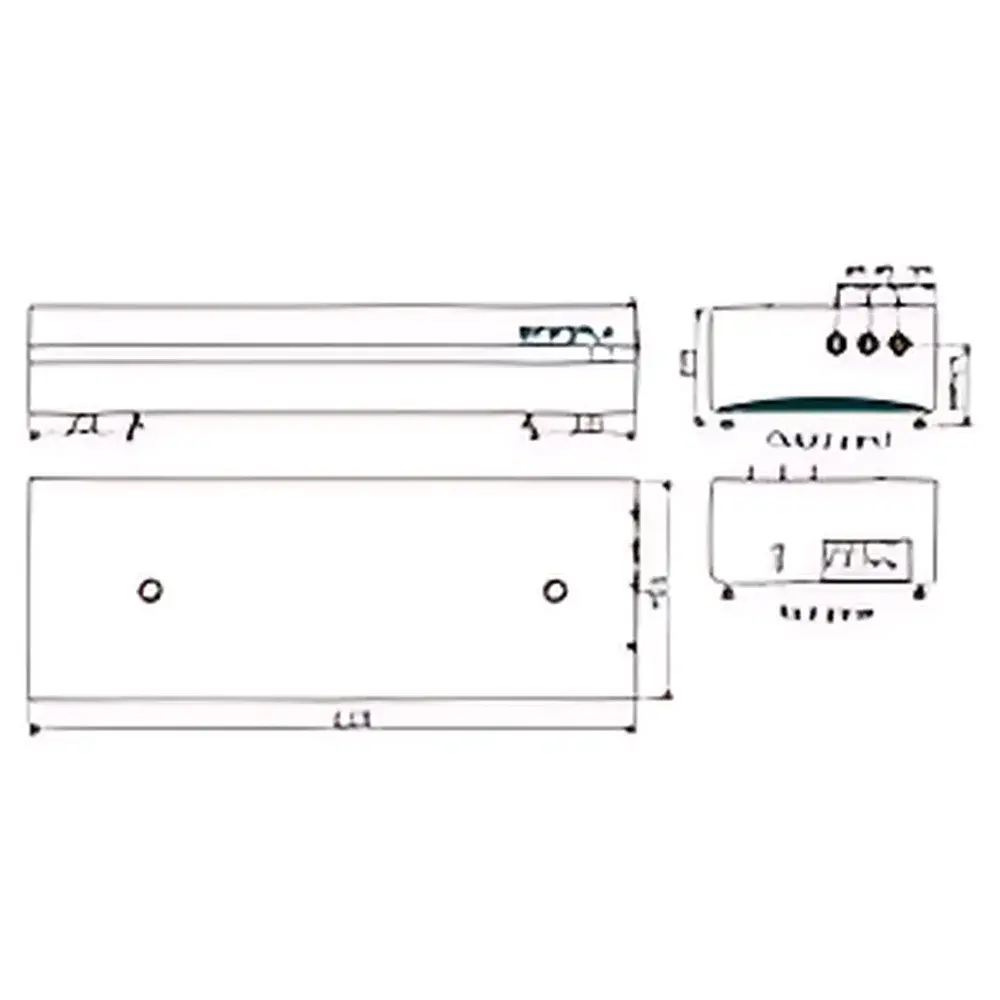
Ekspla NL120 Single-Longitudinal-Mode Q-Switched Nanosecond Laser System
| Brand | Ekspla |
|---|---|
| Origin | Lithuania |
| Manufacturer Type | Original Equipment Manufacturer (OEM) |
| Product Category | Imported Solid-State Laser System |
| Model | NL120 |
| Pulse Energy | Up to 10 J per pulse |
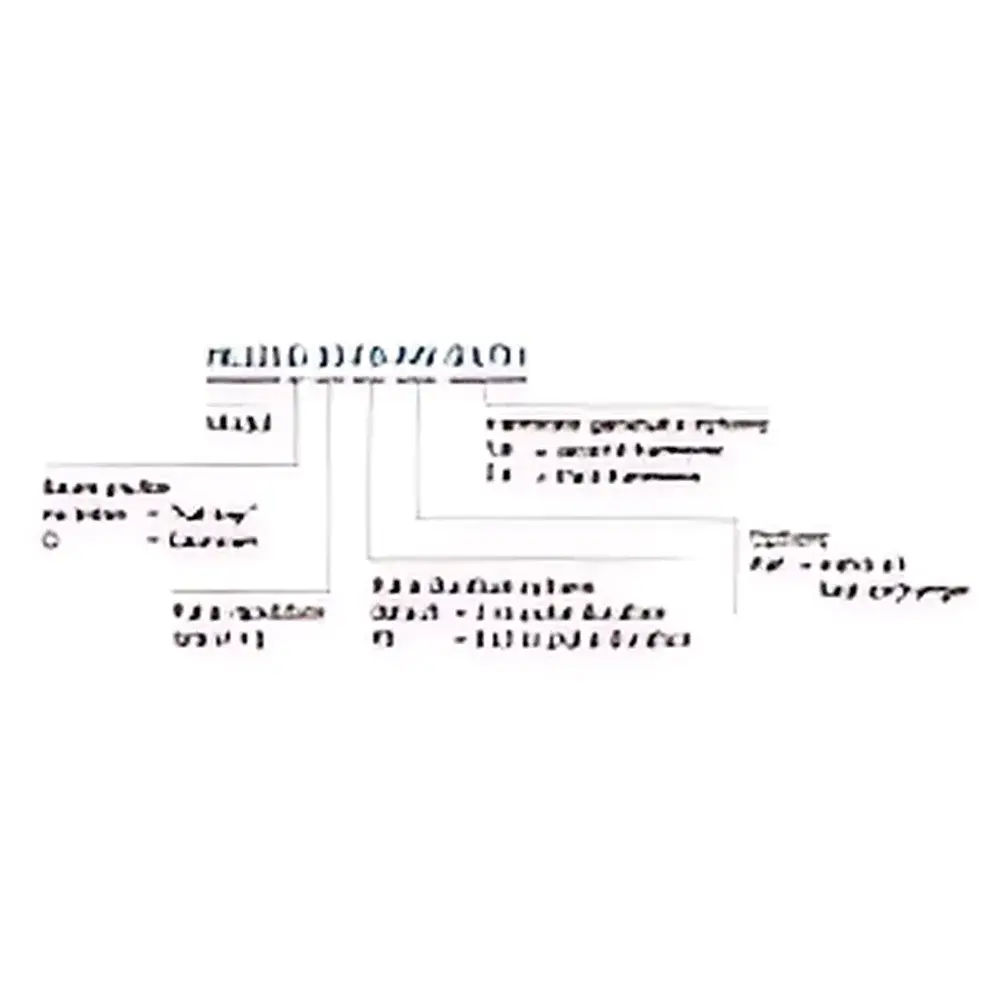
| Pulse Duration | 2 ns (7 ns or 25 ns optional) |
| Repetition Rate | Up to 50 Hz |
| Beam Mode | TEM₀₀ |
| Linewidth | < 0.005 cm⁻¹ (SLM operation) |
| Harmonic Generation | Optional temperature-stabilized harmonic modules (2ω, 3ω, 4ω, 5ω) |
| Control Interface | USB 2.0, Ethernet, and handheld remote controller |
Overview
The Ekspla NL120 is a high-energy, single-longitudinal-mode (SLM), diode-pumped solid-state (DPSS) nanosecond laser system engineered for demanding scientific and industrial applications requiring exceptional spectral purity, temporal stability, and beam quality. Based on a master oscillator–power amplifier (MOPA) architecture, the NL120 integrates a self-injection seeded SLM oscillator with a multi-stage Nd:YAG amplifier chain, enabling diffraction-limited TEM₀₀ output with sub-0.005 cm⁻¹ spectral linewidth and pulse-to-pulse energy stability better than ±0.75% (RMS, over 1 hour). Its robust monolithic resonator design minimizes sensitivity to thermal drift and mechanical perturbation—critical for long-duration experiments in ultrafast pump-probe spectroscopy, optical parametric amplification, and precision metrology. The system operates at fundamental 1064 nm with optional harmonic generation up to 213 nm, all supported by actively temperature-stabilized nonlinear crystals.
Key Features
- Single-longitudinal-mode (SLM) operation via self-injection seeding—ensures narrow spectral bandwidth and high coherence length (>10 m)
- Up to 10 J pulse energy at 1064 nm with 2 ns pulse duration (7 ns and 25 ns variants available for optimized nonlinear conversion efficiency)
- Repetition rate continuously adjustable from single-shot to 50 Hz, with jitter < 1 ns (rms) relative to external trigger
- TEM₀₀ spatial profile with M² < 1.1, enabling efficient coupling into single-mode fibers and tight focusing for high-intensity applications
- Integrated temperature-stabilized harmonic generator modules (2ω–5ω), each featuring active crystal oven control (±0.02 °C) for wavelength reproducibility and long-term power stability
- Comprehensive digital control suite supporting USB 2.0, 10/100BASE-T Ethernet, and standalone operation via ergonomic handheld controller
- Embedded diagnostics including real-time pulse energy monitoring, cavity alignment status, and coolant temperature/flow telemetry
Sample Compatibility & Compliance
The NL120 is designed for integration into Class 4 laser environments compliant with IEC 60825-1:2014 and ANSI Z136.1-2022 safety standards. Its sealed, air-cooled amplifier head and optically isolated oscillator section meet IP54 ingress protection requirements for laboratory and cleanroom deployment. All harmonic modules are certified for CE marking under the EU Machinery Directive and RoHS 2011/65/EU. For regulated industries—including pharmaceutical analytical development and aerospace materials testing—the system supports audit-ready logging of operational parameters (pulse count, energy, temperature setpoints) compatible with GLP/GMP documentation workflows. While not FDA 21 CFR Part 11–certified out-of-the-box, its firmware architecture permits traceable user access control and electronic signature integration via third-party LIMS platforms.
Software & Data Management
The NL120 ships with Ekspla’s LaserControl v4.x software suite—a Windows-based application providing full parameter configuration, real-time oscilloscope-style pulse monitoring, and automated calibration routines. All settings and measurement logs are stored in timestamped, human-readable XML files with SHA-256 checksums for data integrity verification. Remote operation is supported via TCP/IP commands (SCPI-compliant syntax), enabling seamless orchestration within Python-, LabVIEW-, or MATLAB-driven experimental sequences. The USB interface provides galvanically isolated communication, eliminating ground-loop interference during sensitive electro-optic measurements. Firmware updates are delivered via signed binary packages with dual-boot recovery capability to ensure system availability during maintenance cycles.
Applications
- Pumping optical parametric oscillators (OPOs) and optical parametric chirped-pulse amplifiers (OPCPAs) for tunable mid-IR and UV sources
- Driving Ti:sapphire regenerative amplifiers in ultrafast science laboratories
- High-resolution laser-induced breakdown spectroscopy (LIBS) and time-resolved fluorescence lifetime imaging
- Nonlinear optical characterization—including second-harmonic generation (SHG) microscopy reference sources and degenerate four-wave mixing (DFWM) setups
- Full-field holography and digital holographic interferometry requiring long coherence length and low phase noise
- Calibration of photodetectors, pyroelectric sensors, and streak cameras across UV–NIR spectral bands
FAQ
What is the typical warm-up time required to achieve SLM spectral stability?
The NL120 achieves full SLM spectral lock and pulse energy stabilization within 30 minutes after cold start, assuming ambient temperature variation ≤ ±1 °C/h.
Can the NL120 be synchronized with femtosecond laser systems?
Yes—its low-jitter external trigger input (TTL/LVDS compatible) allows sub-500 ps synchronization uncertainty with mode-locked oscillators when used with programmable delay generators.
Is vacuum-compatible harmonic generation available?
Standard harmonic modules are air-cooled and rated for atmospheric operation; custom UHV-compatible versions with conduction-cooled crystals and CF flanges are available upon request.
Does the system include beam diagnostics such as M² or far-field profiling?
Beam profiling accessories—including ISO 11146-compliant M² measurement kits and CCD-based near/far-field analyzers—are offered as optional add-ons, fully integrated via the LaserControl software API.
What maintenance intervals are recommended for optimal long-term performance?
Laser rod inspection and cavity mirror cleaning are advised every 2,000 operating hours; full oscillator realignment service is recommended annually or after 10,000 shots, whichever occurs first.





