
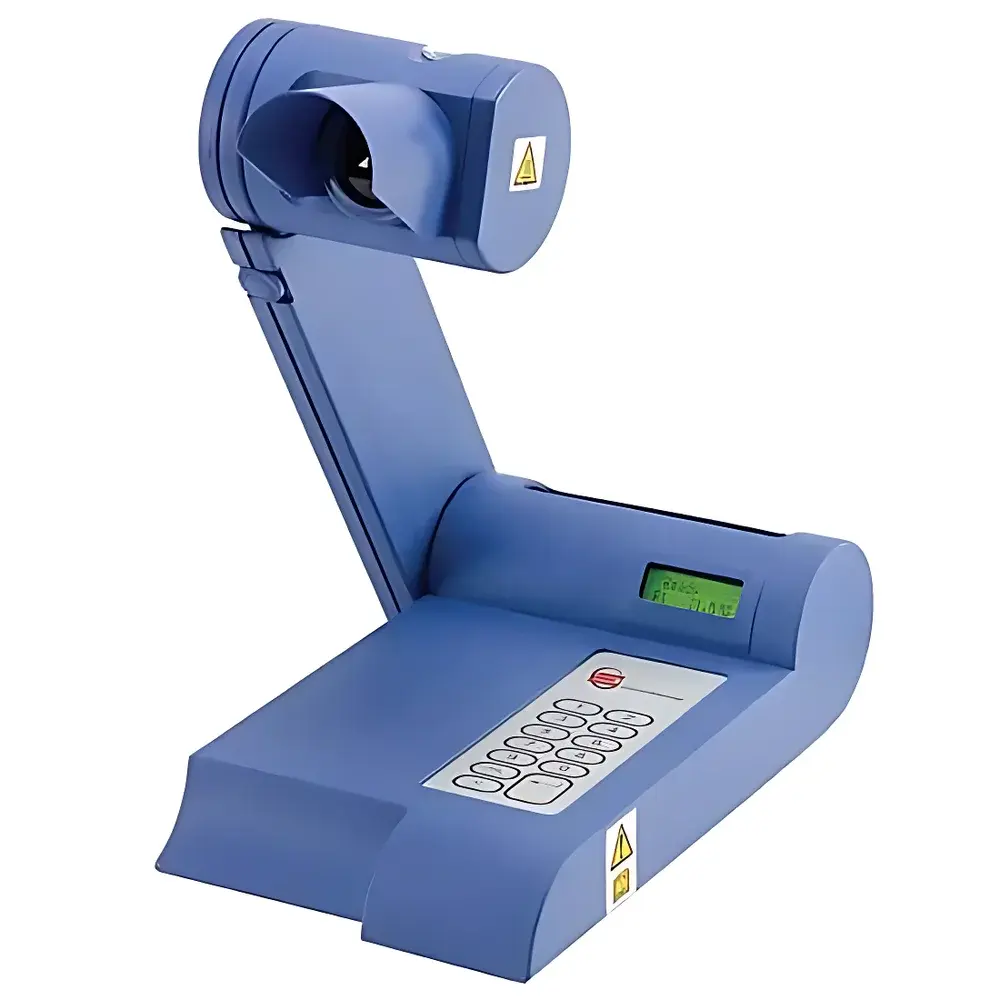
Electrothermal IA9100 Digital Melting Point Apparatus
| Brand | Electrothermal |
|---|---|
| Origin | United Kingdom |
| Model | IA9100 |
| Temperature Range | Ambient to 400°C |
| Heating Rate | 1.0°C/min |
| Temperature Accuracy | ±0.5°C (±1.0°C at 350°C) |
| Temperature Resolution | ±0.1°C |
| Capillary Outer Diameter | ≤2 mm |
| Sample Capacity | 3 capillaries simultaneously |
Overview
The Electrothermal IA9100 Digital Melting Point Apparatus is a precision thermal analysis instrument engineered for reliable, operator-independent determination of solid-phase transition temperatures in pharmaceutical, chemical, and materials science laboratories. Based on classical capillary tube methodology—where solid samples are loaded into thin-walled glass capillaries and heated under controlled conditions—the IA9100 employs a microprocessor-regulated heating block with real-time digital feedback to deliver high reproducibility in melting point measurements. Its design adheres to internationally recognized pharmacopoeial methods, including USP <741>, Ph. Eur. 2.2.14, and JP 2.60, making it suitable for routine QC testing as well as method development under GLP-compliant environments. The instrument operates across a calibrated temperature range from ambient to 400°C, supporting both organic and inorganic compounds with defined thermal stability profiles.
Key Features
- 3-capillary simultaneous observation chamber accommodating standard 2 mm OD capillaries—enabling comparative analysis or replicate determinations without manual repositioning
- Ergonomic adjustable viewing arm with 8× wide-field magnification lens and rotatable observation head—optimized for extended visual inspection and user-specific posture alignment
- Backlit LCD display (2-line, alphanumeric) with intuitive 13-key membrane keypad interface—designed for glove-compatible operation and minimal training requirements
- Digital temperature control system featuring ±0.1°C resolution and ±0.5°C accuracy at 20°C, linearly maintained up to ±1.0°C at 350°C
- Programmable fixed heating rate of 1.0°C/min—ideal for standardized pharmacopoeial assays requiring consistent thermal ramp profiles
- Integrated white LED illumination and anti-glare safety eyepiece—ensuring uniform sample visibility and minimizing observer fatigue during prolonged use
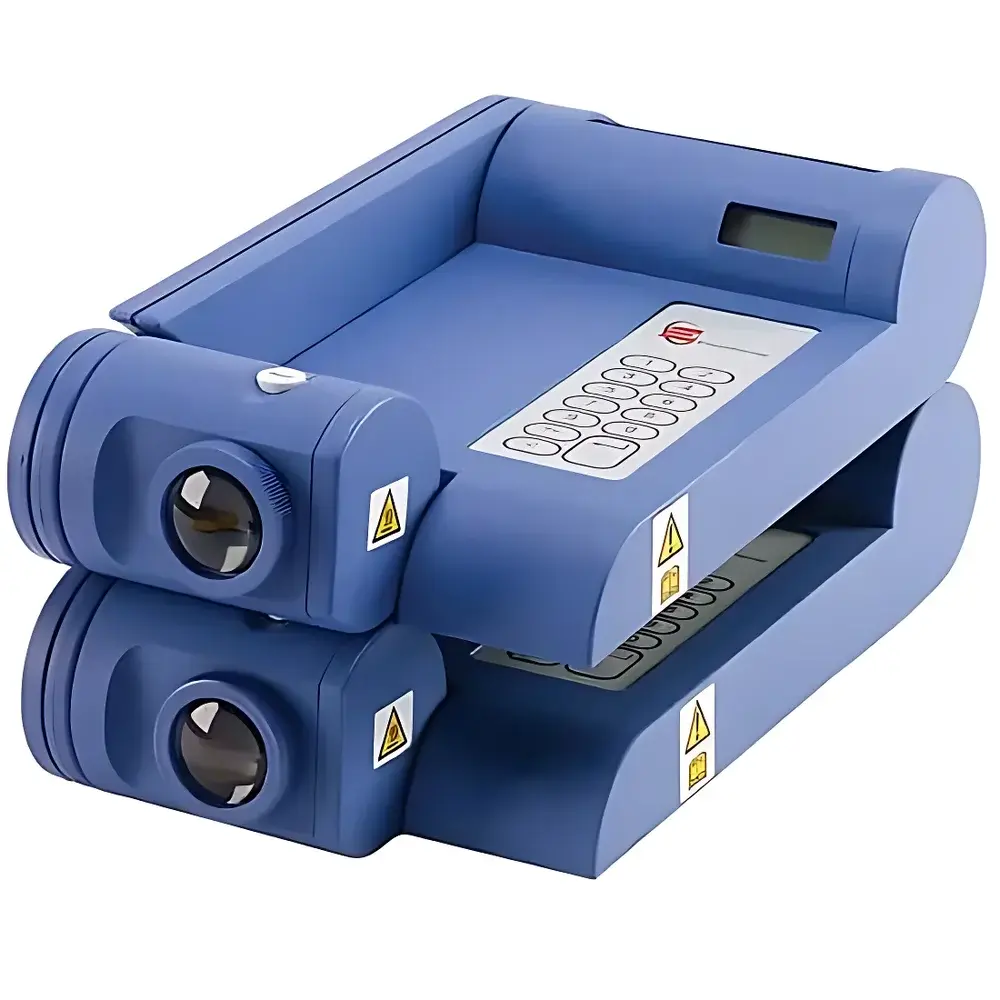
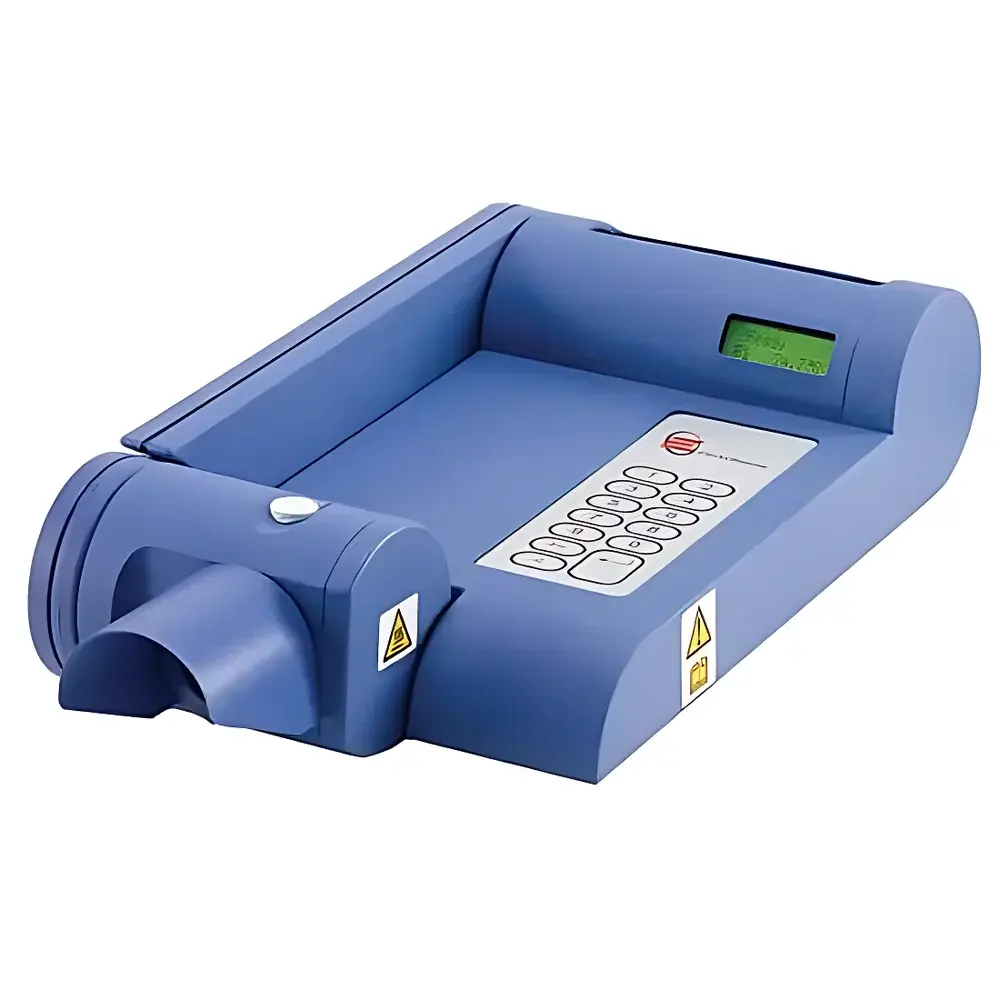
- Foldable mechanical architecture (35.5 × 20 × 8 cm footprint)—facilitating compact storage and benchtop integration in space-constrained labs
- Three-tone audible alert signaling thermal equilibrium of the heating block—providing unambiguous readiness confirmation prior to sample loading
Sample Compatibility & Compliance
The IA9100 accepts standard cylindrical capillaries with outer diameters up to 2.0 mm, compatible with widely available ASTM E324-16 and ISO 11357-3 compliant capillary formats. Each unit ships with one pack of 100 capillaries (AT4043, 2.0 mm OD), and optional 1.5 mm OD capillaries (AT4042) are available for higher-resolution applications. The instrument supports calibration traceability to NIST-traceable reference standards (e.g., vanillin, caffeine, sulfanilamide—SMP Kit CRM6288), and field calibration can be performed using the supplied AZ9253 calibration key. Regulatory compliance includes alignment with FDA 21 CFR Part 11 data integrity principles when used in conjunction with optional PC or printer output modules (available on IA9200/IA9300 variants). While the IA9100 itself does not include audit trail or electronic signature functionality, its hardware architecture is fully compatible with external LIMS integration via RS232C serial interface.
Software & Data Management
The IA9100 operates as a standalone analytical platform with embedded firmware controlling all thermal and optical functions. It features non-volatile memory backed by a lithium coin-cell battery to retain clock settings and calibration parameters during power cycling. Although the base IA9100 model does not support internal data logging beyond immediate display, its RS232C port enables connection to external PCs or printers (e.g., PR2000S) for real-time result capture. For laboratories requiring full documentation compliance—including batch-level reporting, user authentication, and electronic records—the IA9200 (500-test memory) and IA9300 (1000-test memory, start/end timestamping, IQ/OQ-ready configuration) are recommended alternatives. All IA9000-series instruments support firmware-upgradable calibration protocols and allow user-performed recalibration using certified reference materials and the AZ9253 calibration key.
Applications
- Pharmaceutical quality control per USP <741> and Ph. Eur. 2.2.14 for active pharmaceutical ingredients (APIs) and excipients
- Purity assessment of synthetic intermediates and fine chemicals via depression-based analysis
- Verification of material identity and batch-to-batch consistency in polymer and specialty chemical manufacturing
- Teaching laboratories requiring robust, low-maintenance instrumentation for undergraduate thermal characterization experiments
- Regulatory submission support where documented, repeatable melting behavior is required for CMC sections
FAQ
Is the IA9100 compliant with pharmacopoeial standards?
Yes—the IA9100 meets the instrumental requirements of USP <741>, Ph. Eur. 2.2.14, and JP 2.60 for capillary-based melting point determination, provided calibrated reference standards and validated procedures are applied.
Can I perform field calibration without sending the unit to a service center?
Yes—using the AZ9253 calibration key and NIST-traceable melting point standards (e.g., SMP Kit CRM6288), users may conduct on-site calibration following the manufacturer’s documented procedure.
What capillary sizes are supported?
The IA9100 accommodates capillaries with outer diameters up to 2.0 mm. Both 1.5 mm (AT4042) and 2.0 mm (AT4043) options are available as accessories.
Does the IA9100 support variable heating rates?
No—the IA9100 is configured for a fixed heating rate of 1.0°C/min. For programmable ramping (0.2–10°C/min), consider the IA9200 or IA9300 models.
Is there built-in data storage capability?
No—the IA9100 displays results in real time but lacks internal memory for test history. Data export requires connection to an external printer or PC via RS232C.



