
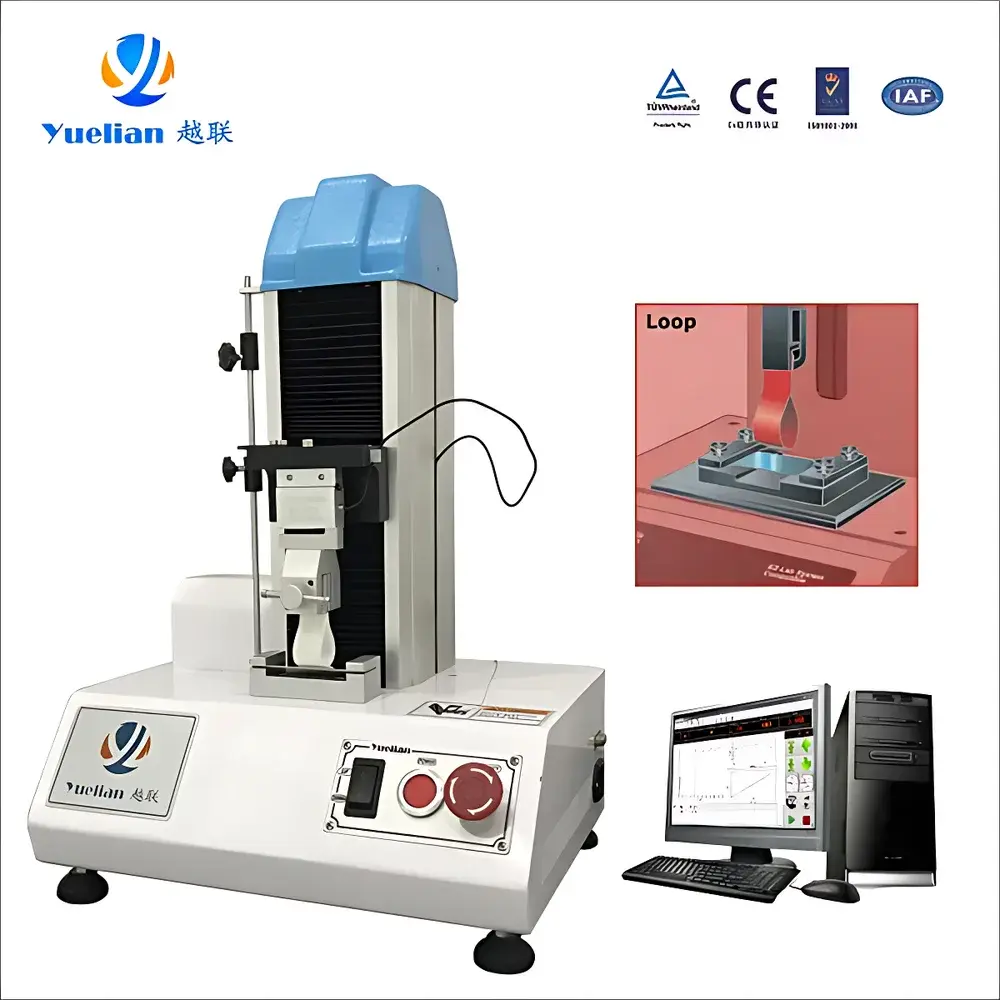
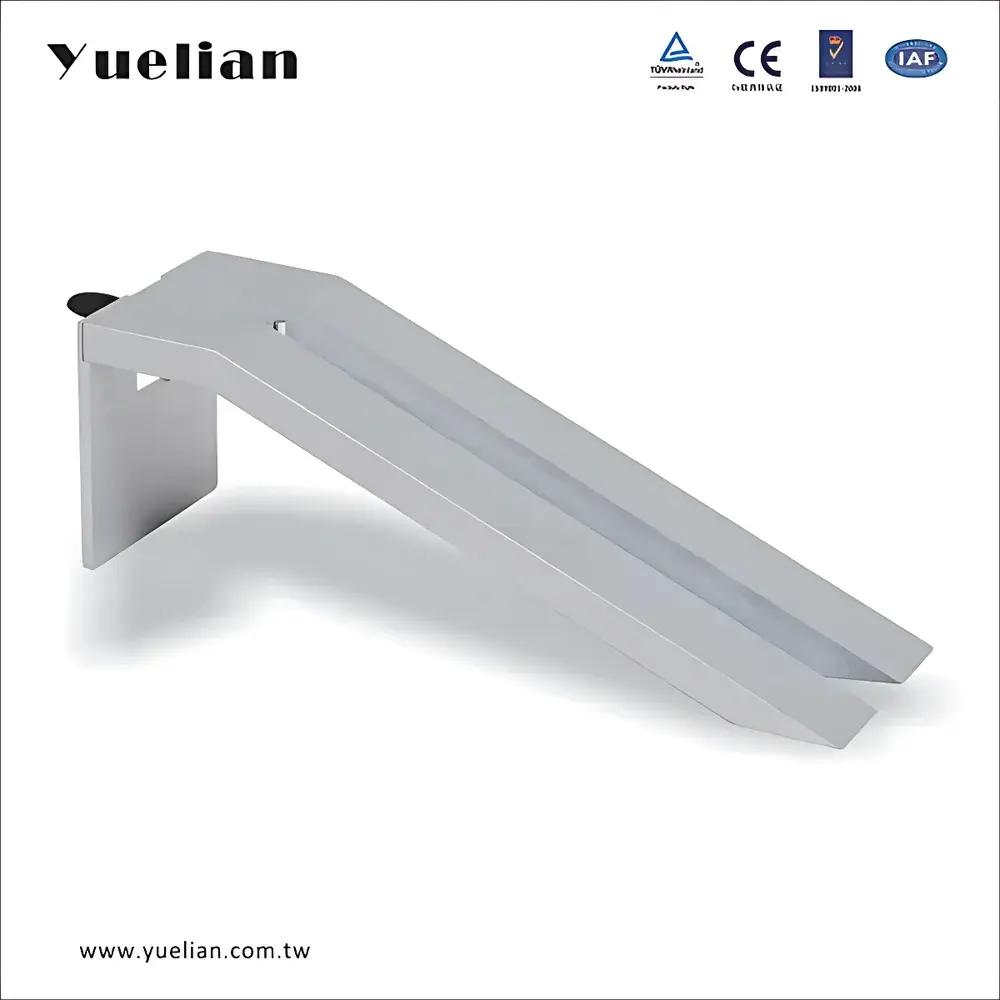
English Product Name
| Yuelian PW-H03F Adhesion Tester for Transdermal Patches — Compliant with Chinese Pharmacopoeia Chapter 0952 (Method IV | Adhesive Force Determination) |
|---|---|
| Brand | Yuelian / PW |
| Origin | Guangdong, China |
| Manufacturer Type | Authorized Distributor |
| Country of Origin | China |
| Model | PW-H03F |
| Instrument Category | Initial Tack Tester |
| Alternate Model | PW-8801A |
| Inclination Angle Range | 0–60° |
| Test Surface Width | 120 mm |
| Effective Test Zone Width | 80 mm |
| Standard Steel Balls | 1/32″ to 1″ (ASTM E380-compliant diameters) |
| Dimensions (L×W×H) | 320 × 140 × 180 mm |
| Net Weight | 6 kg |
| Compliance Standards | ChP 2015 Vol. IV, 0952 |
| JIS Z 0237 | 2017 |
Overview
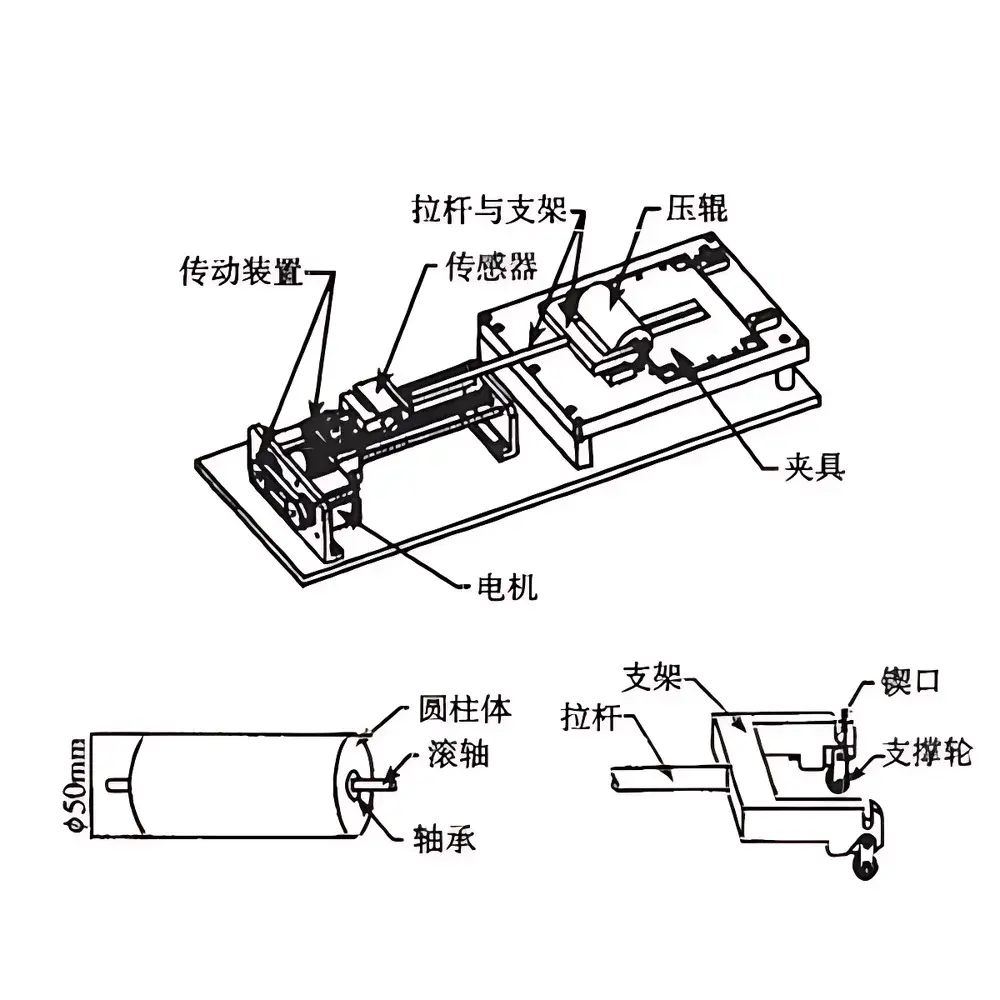
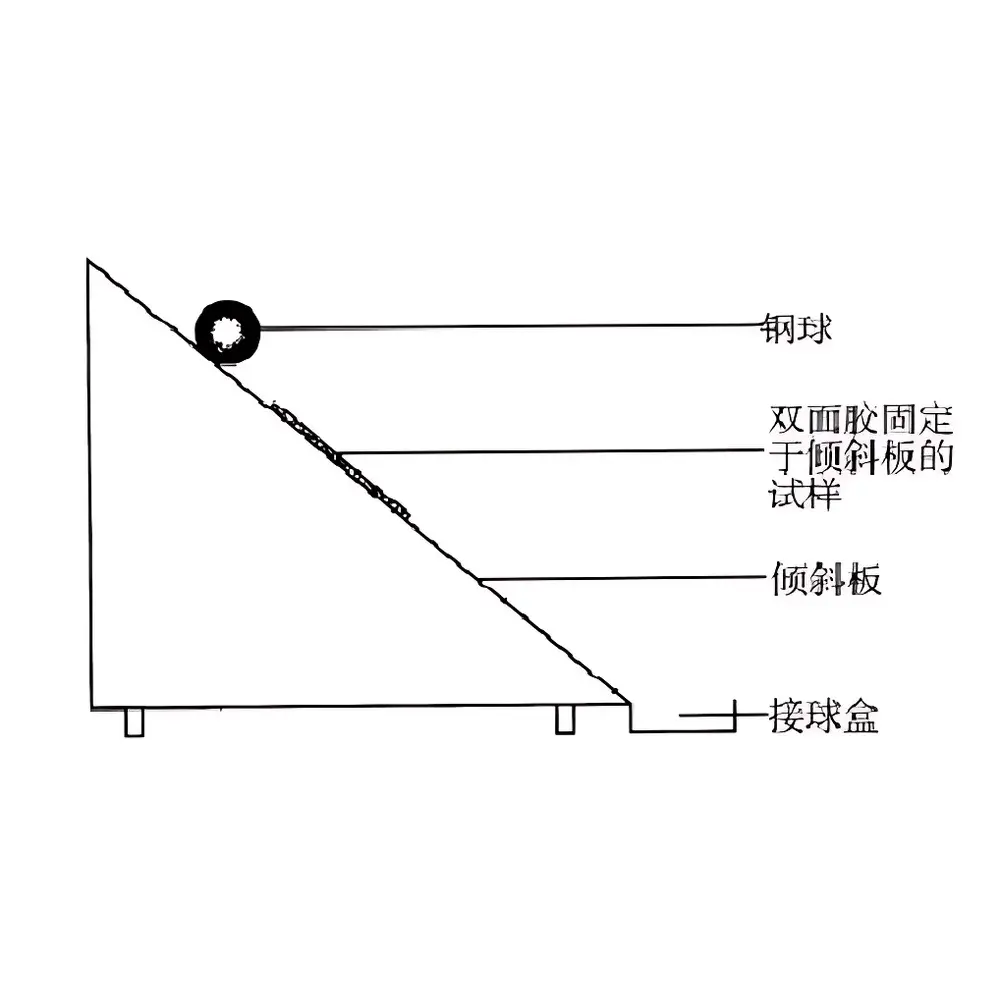
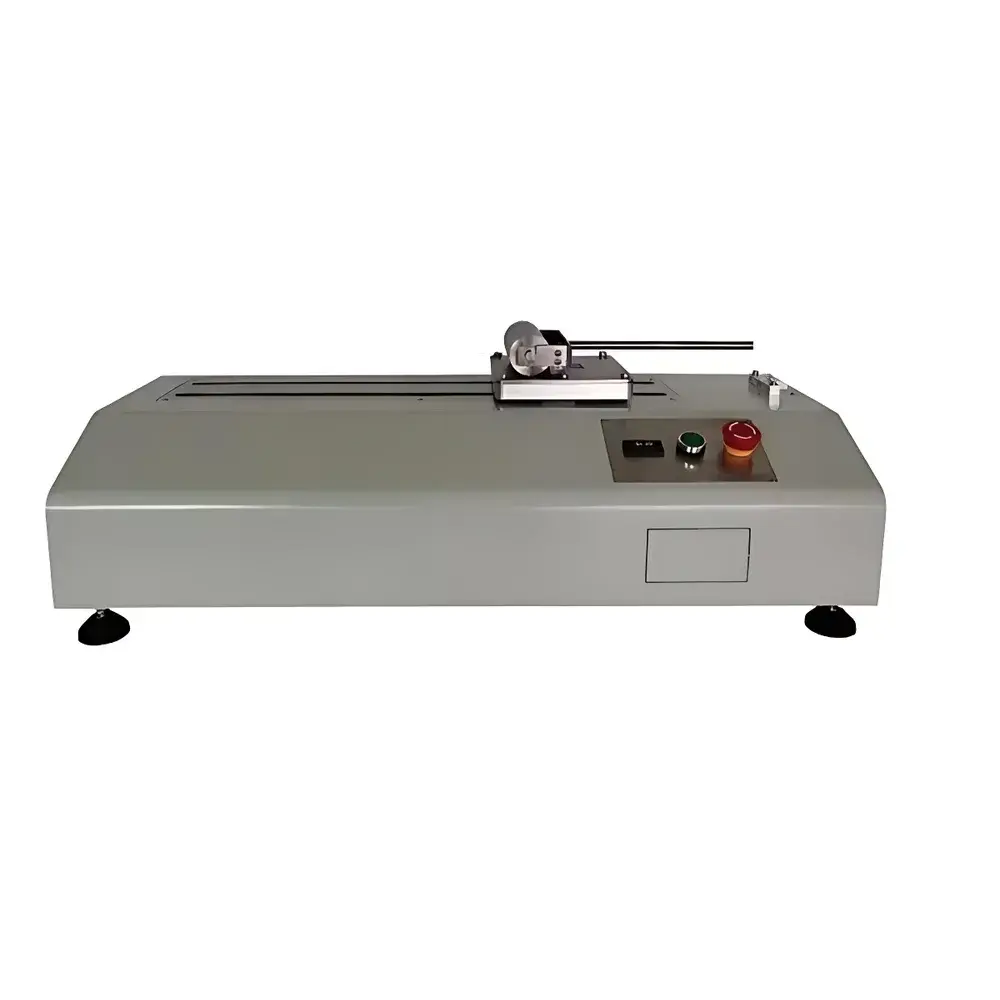
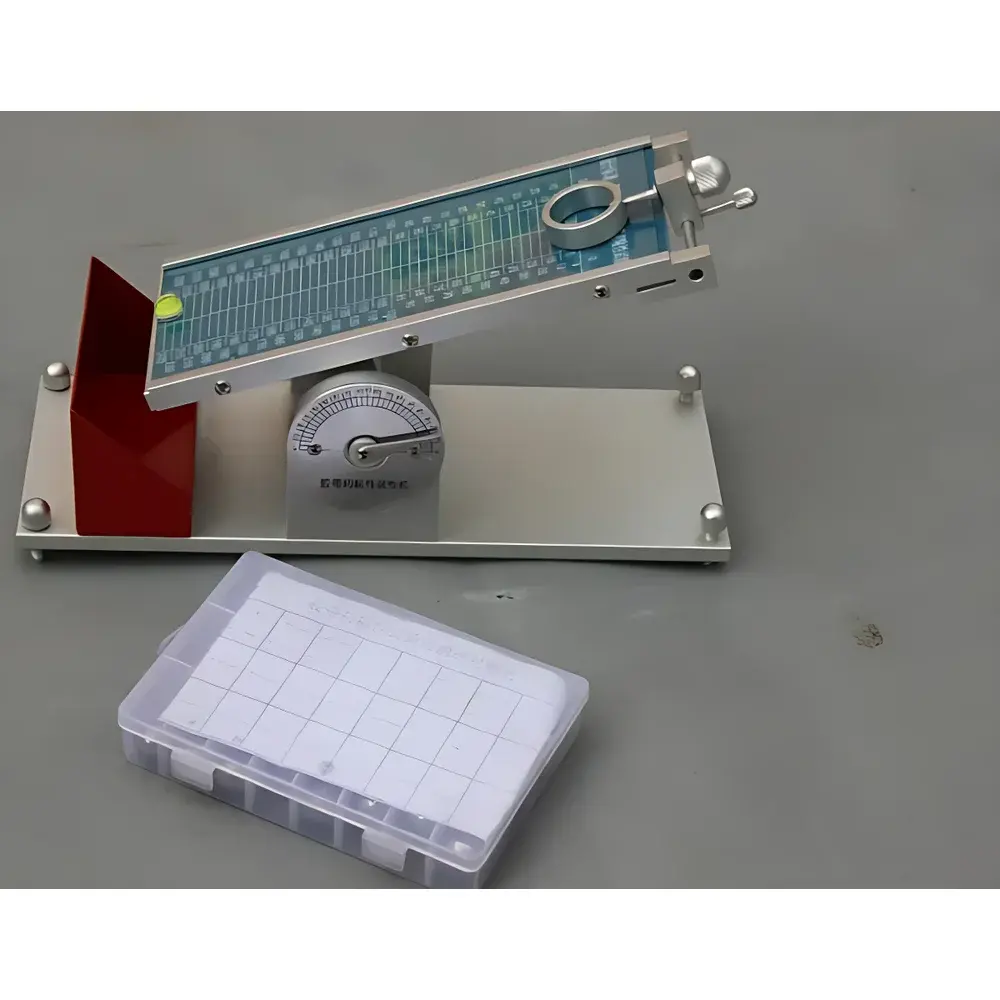
The Yuelian PW-H03F Adhesion Tester is an engineered physical property testing system designed exclusively for pharmaceutical and medical device quality control laboratories requiring strict adherence to the Chinese Pharmacopoeia (ChP) Chapter 0952 — “Adhesion Testing Methods for Topical Preparations”. This instrument implements Method IV (“Adhesive Force Determination”) as specified in ChP 2015 Edition, which defines standardized mechanical test protocols for transdermal patches, medicated plasters, and pressure-sensitive adhesive (PSA) products. The system integrates two functionally distinct modules: a precision-controlled inclined-plane steel-ball apparatus (PW-8801A variant) for initial tack assessment per GB/T 4852, and a temperature-regulated vertical peel-and-hold configuration (PW-H03F core) for quantitative adhesive force and shear resistance evaluation under controlled thermal conditions (36–38 °C). Its architecture follows fundamental principles of interfacial rheology and contact mechanics—leveraging defined normal loading, constant-rate debonding, and time-dependent creep deformation to generate reproducible, traceable adhesion metrics aligned with regulatory expectations for batch release and stability studies.
Key Features
- Modular dual-test platform supporting both ChP 0952 Method II (Peel Strength), Method III (Holding Power), and Method IV (Adhesive Force) within a single calibrated framework.
- Motorized, programmable roller with independent forward (600 mm/min) and reverse (21 mm/min) motion profiles—precisely replicating ChP-specified roller positioning and load application sequences.
- Thermostatically stabilized test chamber (36–38 °C ± 0.5 °C) with forced-air circulation, enabling compliant 30-minute holding-time tests per ChP 0952 Section IV.2.3.
- Adjustable inclination angle (0–60° in 0.1° increments) with digital angular encoder feedback, ensuring repeatability across initial tack evaluations using standardized steel ball sets (1/32″ to 1″, certified per ISO 3290).
- Automated pass/fail classification logic based on ball retention or rolling distance thresholds—eliminating subjective visual interpretation and operator bias.
- Integrated microprocessor control with password-protected tiered access (operator, supervisor, administrator) meeting ALCOA+ data integrity requirements.
- Multi-protocol connectivity: RS-232, RS-485, and Ethernet interfaces support integration into LIMS environments and 21 CFR Part 11-compliant electronic record systems.
Sample Compatibility & Compliance
The PW-H03F accommodates standard test substrates defined in ChP 0952 and ISO 29862:2017—including polished stainless steel plates (304 grade, Ra ≤ 0.2 µm), PET films, and aluminum foils—ensuring consistent surface energy and topography across batches. It supports sample widths up to 100 mm and lengths ≥ 150 mm, compatible with commercial transdermal patch formats (e.g., fentanyl, nicotine, diclofenac). All test procedures align with Good Manufacturing Practice (GMP) Annex 15 validation principles and are fully documented for GLP audits. The system’s measurement uncertainty has been verified against NIM-traceable reference materials, and its software architecture includes full audit trail logging (user actions, parameter changes, result exports) per FDA 21 CFR Part 11 and EU Annex 11 requirements.
Software & Data Management
The embedded Yuelian TestSuite v3.2 software provides real-time graphical monitoring of displacement, load, and time during hold-force testing. It auto-calculates mean adhesive force (N/25 mm), standard deviation, and coefficient of variation across five replicate specimens. Raw data files are saved in CSV and PDF formats with embedded metadata (test date, operator ID, environmental conditions, calibration status). Exported datasets include ISO/IEC 17025-compliant uncertainty statements and are compatible with JMP, Minitab, and Python-based statistical analysis pipelines. Software validation documentation (IQ/OQ/PQ protocols) is available upon request for regulated laboratory deployment.
Applications
- Batch release testing of transdermal drug delivery systems per ChP 0952 and USP Adhesive Testing.
- Formulation development of pressure-sensitive adhesives (PSAs) used in wound dressings, electrocardiogram electrodes, and wearable biosensors.
- Stability-indicating studies assessing adhesive degradation under accelerated aging (40 °C/75% RH) and photostability conditions.
- Comparative evaluation of silicone vs. acrylic vs. rubber-based PSA performance under physiological temperature and humidity.
- Supplier qualification of backing films and release liners where interfacial adhesion governs manufacturing yield.
FAQ
Does the PW-H03F comply with international pharmacopoeial standards beyond ChP?
Yes—it satisfies method equivalency requirements of USP , EP 2.9.27, and JP 17 General Test 2.12, provided test parameters (roller speed, dwell time, substrate specification) are configured per each compendium’s normative text.
Can the system perform ASTM D3330 or ISO 8510-1 peel tests?
While optimized for ChP 0952, its mechanical architecture supports ASTM D3330 (180° peel) and ISO 8510-1 (90° peel) when fitted with optional peel-angle fixtures and calibrated load cells—subject to user-defined protocol validation.
Is calibration certification included with shipment?
Each unit ships with a factory-issued calibration certificate traceable to China National Institute of Metrology (NIM), covering roller velocity, incline angle, temperature uniformity, and force transducer linearity.
What maintenance intervals are recommended for GMP use?
Preventive maintenance is scheduled every 6 months or 500 test cycles—covering roller surface inspection, steel ball set recalibration, thermal chamber sensor verification, and software integrity checks per SOP-YL-MNT-004.
How is data integrity ensured during remote operation?
All network communications use TLS 1.2 encryption; electronic signatures employ PKI-based authentication; and audit trails are write-once/read-many (WORM) archived to external NAS with SHA-256 hashing for tamper detection.



