
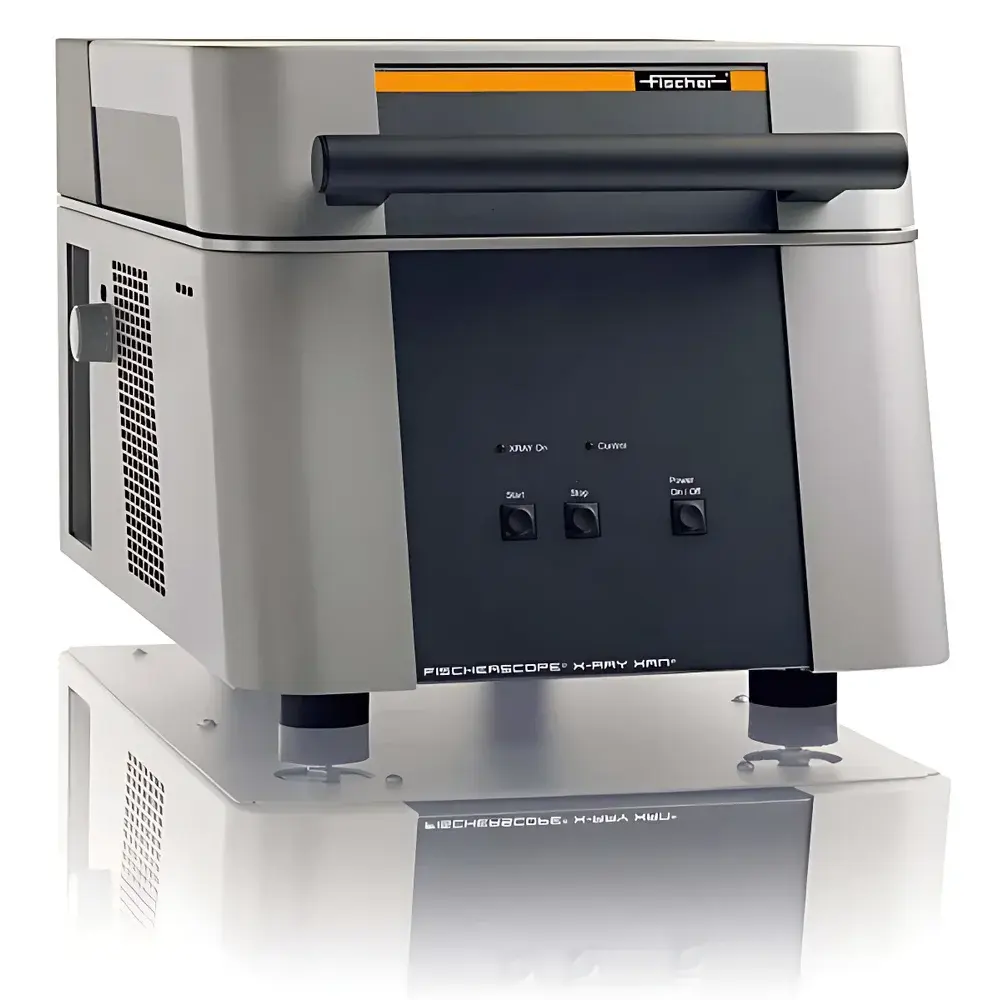
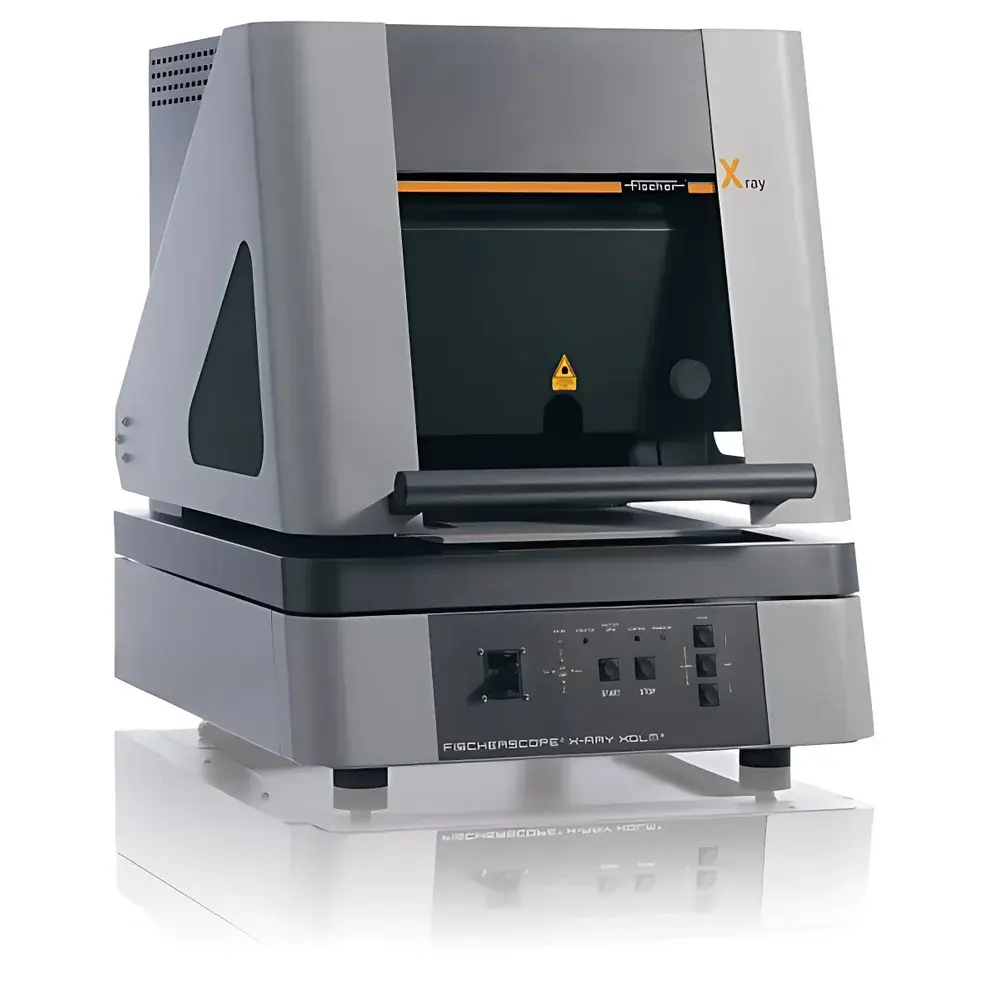
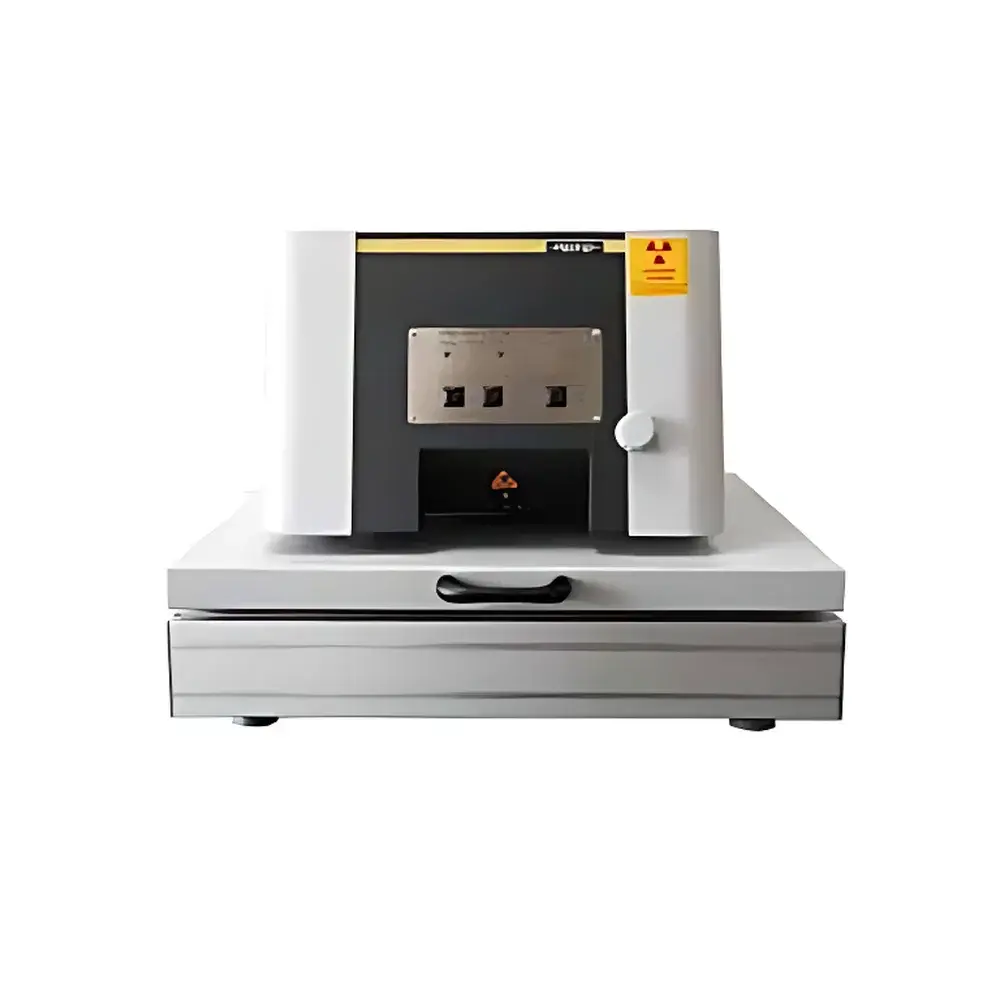
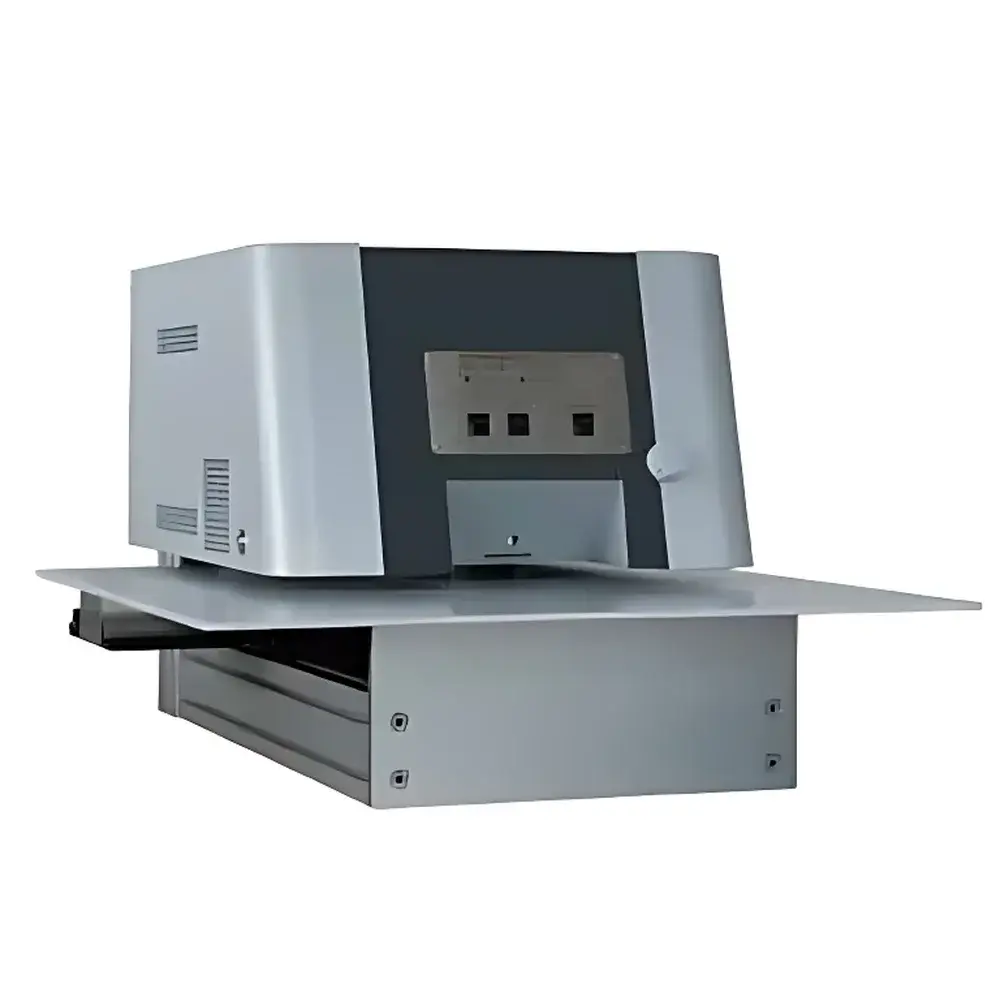
Fischer XUL Series X-ray Fluorescence Coating Thickness Analyzer
| Origin | Germany |
|---|---|
| Manufacturer Type | Authorized Distributor |
| Origin Category | Imported |
| Model | Fischer XUL / XULM / XAN110 / XAN120 / XDL / XDLM / XDAL / XDC-SDD / SDV-U / XDV-Vacuum / X-RAY 4000 / X-RAY 54000 |
| Price | Upon Request |
Overview
The Fischer XUL Series X-ray Fluorescence (XRF) Coating Thickness Analyzer is an engineered solution for non-destructive, quantitative measurement of metallic and alloy coatings on substrates—ranging from ultra-thin layers (down to 100 µm). Based on energy-dispersive X-ray fluorescence spectroscopy (ED-XRF), the system excites characteristic secondary X-rays from sample atoms using a microfocus or standard X-ray tube; emitted photons are resolved by proportional counters or silicon drift detectors (SDD), enabling simultaneous thickness determination and elemental composition analysis. Designed for industrial metrology environments—including electroplating lines, PCB manufacturing, precision machining, and precious metal refining—the instrument operates under strict adherence to ISO 3497, ASTM B568, and DIN EN ISO 20878 standards. Its modular architecture supports vertical (top-down or bottom-up) beam geometry, variable collimation, selectable primary filters, and optional vacuum or helium purge for light-element sensitivity (Z ≥ 11, Na).
Key Features
- Multi-platform configuration: C-shaped chamber (XUL/XULM), fully enclosed measurement cavity (XAN110/120), open-top benchtop (XDL/XDLM), vacuum-compatible chamber (XDV-Vacuum), and inline production heads (X-RAY 4000/54000)
- Microfocus X-ray tubes with spot sizes adjustable from 100 µm to 3 mm diameter via motorized collimators (e.g., 0.05 × 0.05 mm² to Φ3 mm)
- Dual detection options: gas-filled proportional counters (for high-count-rate stability) and high-resolution silicon drift detectors (SDDs) capable of >100 kcps throughput without spectral degradation
- Programmable XYZ stages with integrated HD video microscopy (XDV-Vacuum, XDAL, XDC-SDD) for precise positioning of complex geometries and fine features such as connector pins or solder pads
- Flexible excitation: selectable anode materials (Cr, Rh, Mo, W), variable kV/mA settings, and up to three interchangeable primary filters for optimized signal-to-background ratio across multi-layer systems
- Compliance-ready software architecture supporting audit trails, electronic signatures, and full traceability per FDA 21 CFR Part 11 and GLP/GMP requirements
Sample Compatibility & Compliance
The Fischer XUL Series accommodates flat, curved, and irregularly shaped samples up to 300 × 300 mm (depending on model), with maximum sample height up to 120 mm. It supports both conductive and non-conductive substrates—including Cu/Ni/Cr stacks on steel, Au/Pd/Ni on ceramic packages, Sn/Pb on PCBs, and Ag/Cu on solar cell metallization. All instruments comply with IEC 61000-6-3 (EMC), IEC 61000-6-4 (immunity), and CE marking directives. For RoHS/WEEE compliance testing, models equipped with SDD detectors (XDC-SDD, XDV-Vacuum) meet EU Directive 2011/65/EU requirements for Cd, Pb, Hg, Cr⁶⁺, and Br quantification at sub-ppm levels in polymers and metals. Calibration traceability is maintained to NIST SRM standards via factory-certified reference foils.
Software & Data Management
Fischer’s proprietary WinFTM® software provides full control over measurement parameters, spectral acquisition, layer modeling (including matrix correction for interlayer absorption/enhancement), and statistical reporting. The platform supports multilayer stack modeling (up to 5 layers), fundamental parameter (FP) and empirical calibration modes, and automated pass/fail evaluation against user-defined specification limits. Raw spectra and processed results are stored in encrypted SQLite databases with time-stamped metadata, version-controlled method files, and export compatibility with CSV, PDF, and XML formats. Optional integration with MES/SCADA systems is available via OPC UA or Modbus TCP protocols for real-time SPC charting and quality gate enforcement.
Applications
- Electroplating process control: thickness verification of Cr/Ni/Cu/Zn layers on automotive fasteners, sanitary fittings, and aerospace components
- PCB and semiconductor packaging: Au/Ni/Pd thickness monitoring on bond pads, leadframes, and wafer-level bumps
- Precious metal analysis: quantitative assay of Au-Ag-Cu alloys in jewelry, watch components, and dental restorations
- RoHS screening: detection and quantification of restricted substances in plastic housings, cable sheaths, and printed wiring boards
- Photovoltaic R&D: compositional mapping and thickness profiling of ZnO:Al, CdTe, and CIGS thin-film absorbers
- In-line process monitoring: continuous thickness measurement of coated metal strips, optical films, and glass substrates using X-RAY 4000/54000 systems
FAQ
What is the minimum detectable coating thickness?
For high-Z elements (e.g., Au, Ni) on low-Z substrates (e.g., Cu), detection limits reach ≤1 nm with SDD-equipped models (XDC-SDD, SDV-U) under optimal conditions.
Can the instrument measure multi-layer systems?
Yes—WinFTM® supports modeling of up to five sequential layers, including interdiffusion zones and substrate effects, using fundamental parameter algorithms.
Is vacuum required for light-element analysis?
Vacuum or He-flush is mandatory for reliable quantification of elements with atomic number Z < 11 (e.g., Na, Mg, Al); XDV-Vacuum includes a built-in turbomolecular pump.
How is calibration performed?
Calibration uses certified reference standards traceable to national metrology institutes; FP-based methods eliminate need for physical standards in many applications.
Does the system support automated batch measurement?
Models with motorized XYZ stages (XDV-Vacuum, XDAL, XDC-SDD) enable unattended measurement of up to 999 positions per program, with auto-focus and pattern recognition.





