
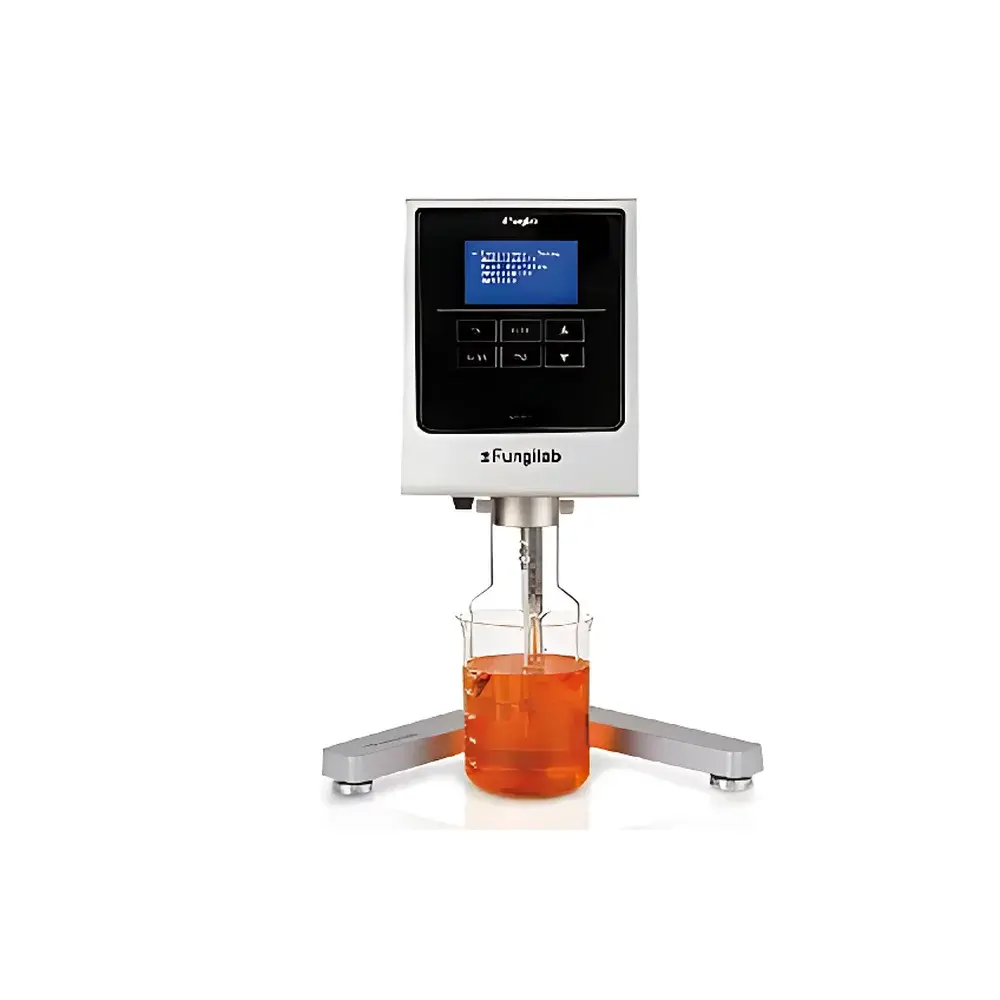
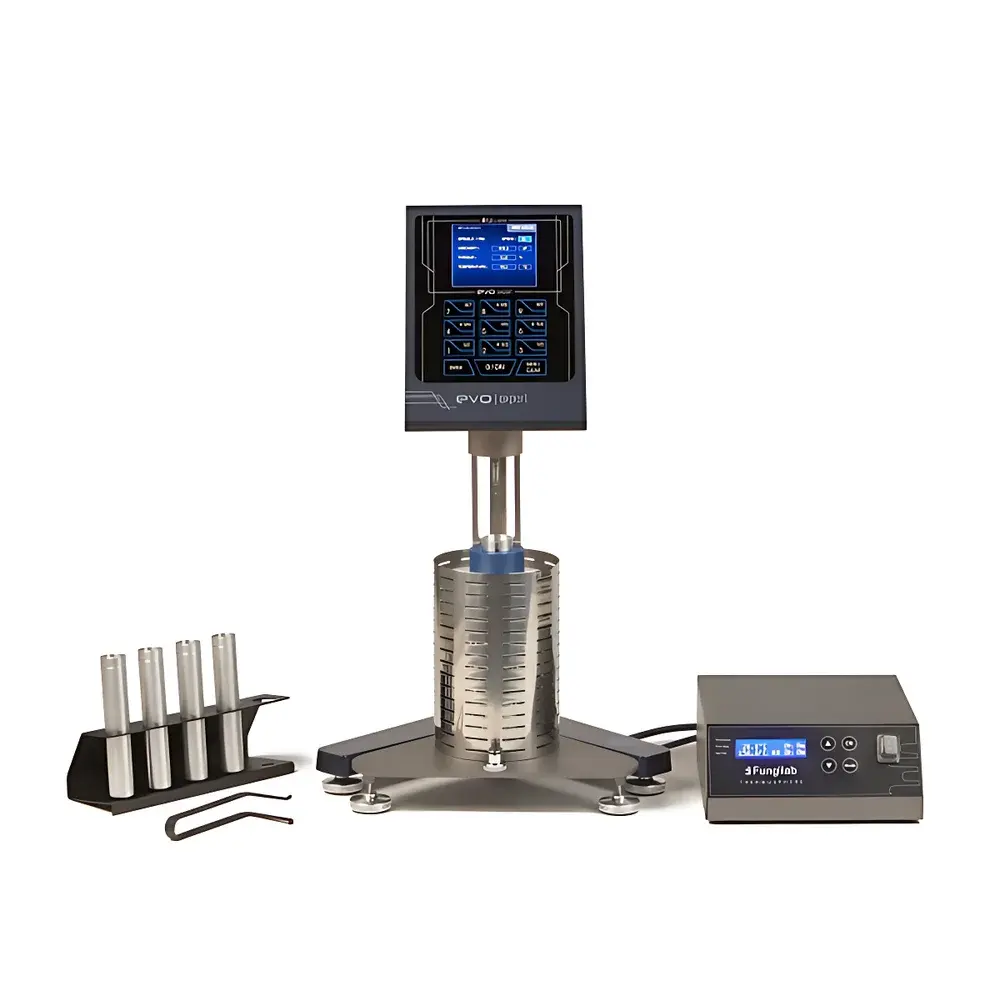
Fungilab Master Smart Rotational Viscometer
| Origin | Spain |
|---|---|
| Manufacturer Type | Authorized Distributor |
| Origin Category | Imported |
| Model | Smart |
| Price Range | USD 1,400–7,000 (est.) |
| Instrument Type | Rotational Viscometer |
| Viscosity Range | 1–320,000,000 cP (depending on spindle/speed combination) |
| Repeatability | ±0.2% |
| Accuracy | ±1% of full scale |
| Viscosity Resolution | 0.01 cP (with LCP adapter), 0.1 cP (<10,000 cP), 1 cP (≥10,000 cP) |
| Temperature Range | −40 °C to +300 °C |
| Temperature Resolution | 0.1 °C |
| Temperature Accuracy | ±0.1 °C |
| Temperature Sensor | PT100 |
| Spindle Material | AISI 316 stainless steel |
| Power Supply | 100–240 VAC, 50/60 Hz |
| Programmable Protocols | 10 stored methods |
| Measurement Modes | TTT (Torque Termination Threshold), TTS (Time Termination Setting) |
| Data Logging | Time-stamped CSV/Excel export |
| Calibration | User-definable viscosity & temperature calibration |
| Language Support | 10 languages including English, German, French, Spanish, Chinese, etc. |
Overview
The Fungilab Master Smart Rotational Viscometer is an engineered precision instrument designed for laboratory and industrial quality control applications requiring reliable, repeatable dynamic viscosity measurements across a broad range of Newtonian and non-Newtonian fluids. Based on the Couette principle—where torque exerted on a rotating spindle immersed in a fluid is proportional to its shear stress—the Master Smart delivers high reproducibility under controlled shear conditions. Its modular architecture supports interchangeable spindles (L-, R-, and H-series), enabling seamless transition from low-viscosity solvents (e.g., ethanol, acetone) to highly viscous materials such as polymer melts, hot-melt adhesives, asphalt binders, and food pastes. Integrated PT100 temperature sensing and optional thermal management compatibility ensure viscosity data are reported at thermally stabilized conditions—critical for ASTM D2196, ISO 2555, and USP compliance in regulated environments.
Key Features
- Six-button capacitive touch interface with intuitive graphical LCD display showing real-time parameters: rotational speed (rpm), spindle ID (SP), dynamic viscosity (cP or mPa·s), kinematic viscosity (cSt), % full-scale torque, sample temperature (°C/°F), shear rate (s⁻¹), shear stress (N/m²), and user-input density (g/cm³)
- Automatic range calculation: system computes maximum measurable viscosity for selected spindle/speed combination before measurement initiation
- Two programmable termination modes—TTT (torque-based stop) and TTS (time-based stop)—for standardized method execution
- Onboard self-diagnostic function with audible and visual alerts for sensor integrity, motor performance, and thermal stability verification
- 10-user-programmable measurement protocols with recall capability for routine QC workflows
- High-resolution data logging: time-stamped viscosity, temperature, torque, and shear parameters exported directly to Excel-compatible CSV files
- Multi-point viscosity and temperature calibration routines supporting traceable GLP/GMP documentation requirements
- Robust mechanical construction with all spindles fabricated from corrosion-resistant AISI 316 stainless steel
Sample Compatibility & Compliance
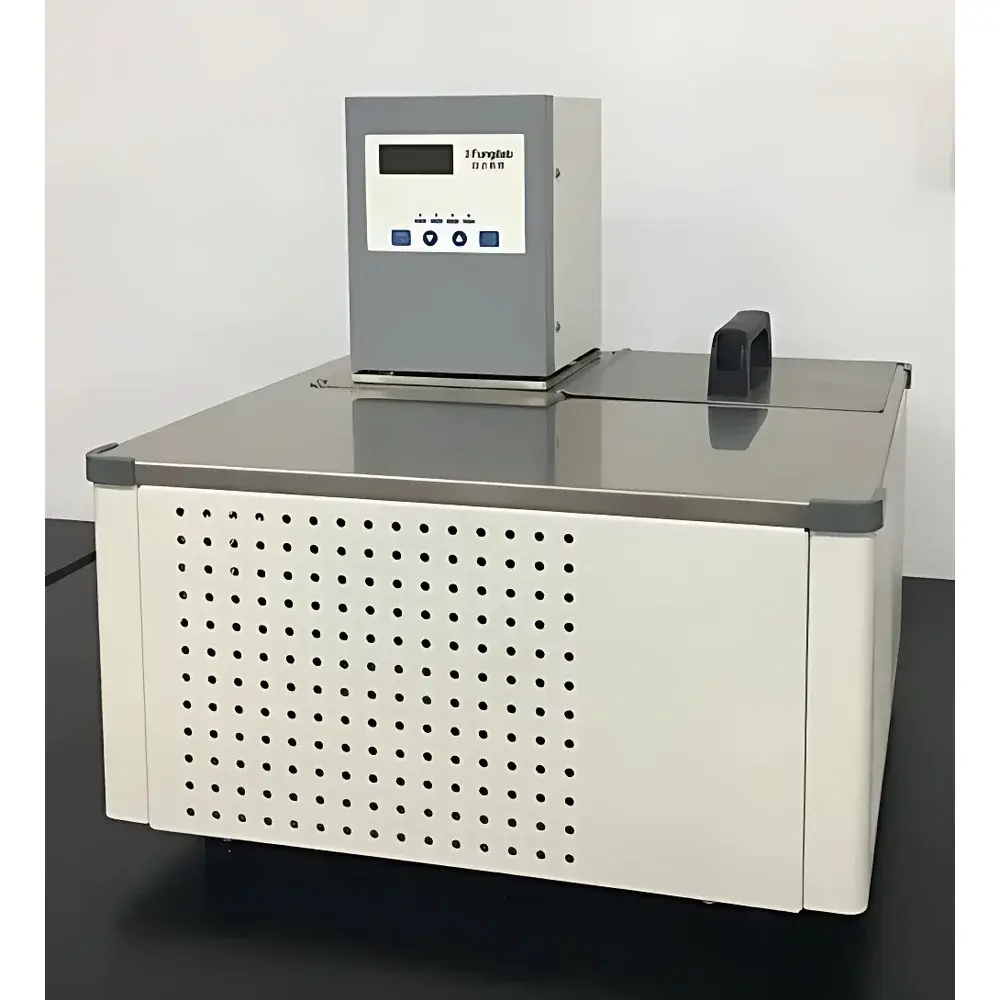
The Master Smart accommodates diverse sample geometries and rheological behaviors through optional accessories—including the APM mini-sample adapter (1–2 mL volume), LCP low-viscosity adapter (down to 0.01 cP), Heldal high-viscosity unit (up to 320 million cP), and Thermosphere high-temperature heating module (operable to +300 °C). When paired with certified standard oils and calibrated PT100 probes, the system meets ISO/IEC 17025 traceability requirements. Its temperature-controlled operation supports ASTM D445 (kinematic viscosity), ASTM D1092 (lubricant consistency), and ISO 6271 (paints and varnishes) testing protocols. The instrument’s firmware architecture permits audit trail generation and electronic signature support—facilitating alignment with FDA 21 CFR Part 11 when integrated into validated laboratory information management systems (LIMS).
Software & Data Management
Data acquisition and analysis are managed via native firmware with no external PC dependency; however, optional USB connectivity enables direct file transfer to Windows-based workstations. All logged datasets include timestamp, operator ID (user-defined), environmental metadata (ambient temperature/humidity if externally logged), and calibration certificate references. Exported CSV files conform to SI unit conventions (Pa·s, K, s⁻¹, Pa) and retain configurable CGS-to-SI conversion flags. For enterprise integration, RS232/RS485 serial interfaces support SCADA-level command-and-control interoperability, while 0–10 V / 4–20 mA analog I/O allows synchronization with PLC-driven production lines or environmental chambers. Firmware updates are delivered via encrypted U盘 (USB flash drive) with version-controlled release notes and change logs compliant with IEC 62304 software lifecycle standards.
Applications
This viscometer serves cross-industry analytical needs: in pharmaceutical manufacturing, it validates suspension stability and ointment consistency per USP ; in coatings R&D, it characterizes thixotropic recovery and sag resistance under variable shear profiles; in petrochemical QA, it verifies base oil viscosity index improvers and bitumen penetration grades; in food science, it quantifies starch gelatinization kinetics and dairy emulsion breakdown; and in adhesive development, it monitors hot-melt viscosity decay during application cooling cycles. Its wide dynamic range and thermal adaptability make it suitable for both ambient QC labs and pilot-scale process validation studies where ISO 17025 accreditation is required.
FAQ
What spindle configurations are included in the standard kit?
The standard configuration includes four L-series spindles (LV-1 to LV-4), six R-series (RV-1 to RV-6), and six H-series (HV-1 to HV-6), each laser-etched with unique identification codes and supplied with individual calibration certificates.
Can the Master Smart perform yield stress estimation?
Yes—when used with coaxial cylinder geometry (e.g., UL adapter or custom DIN cups), the instrument calculates apparent yield stress using Bingham or Casson model fitting via post-acquisition software analysis tools.
Is temperature calibration traceable to NIST standards?
Yes—each PT100 probe is supplied with a UKAS-accredited calibration certificate (ISO/IEC 17025) covering the full −40 °C to +300 °C operating range, with two-point verification at 0 °C and 100 °C.
How does the system handle non-Newtonian fluid characterization?
By executing multi-speed ramp protocols (programmable from 0.1 to 200 rpm in 200 discrete steps), users generate flow curves (shear stress vs. shear rate) and derive consistency index (K) and flow behavior index (n) per ASTM D2196 Annex A1.
What safety certifications apply to the Thermosphere heating module?
The Thermosphere unit complies with EN 61000-6-3 (EMC), EN 61000-6-2 (immunity), and DIN 12876 Class III for use with flammable bath media, featuring dual hardware/software overtemperature cutoffs and compressor-assisted rapid cooldown (CIT technology).
Related Products



