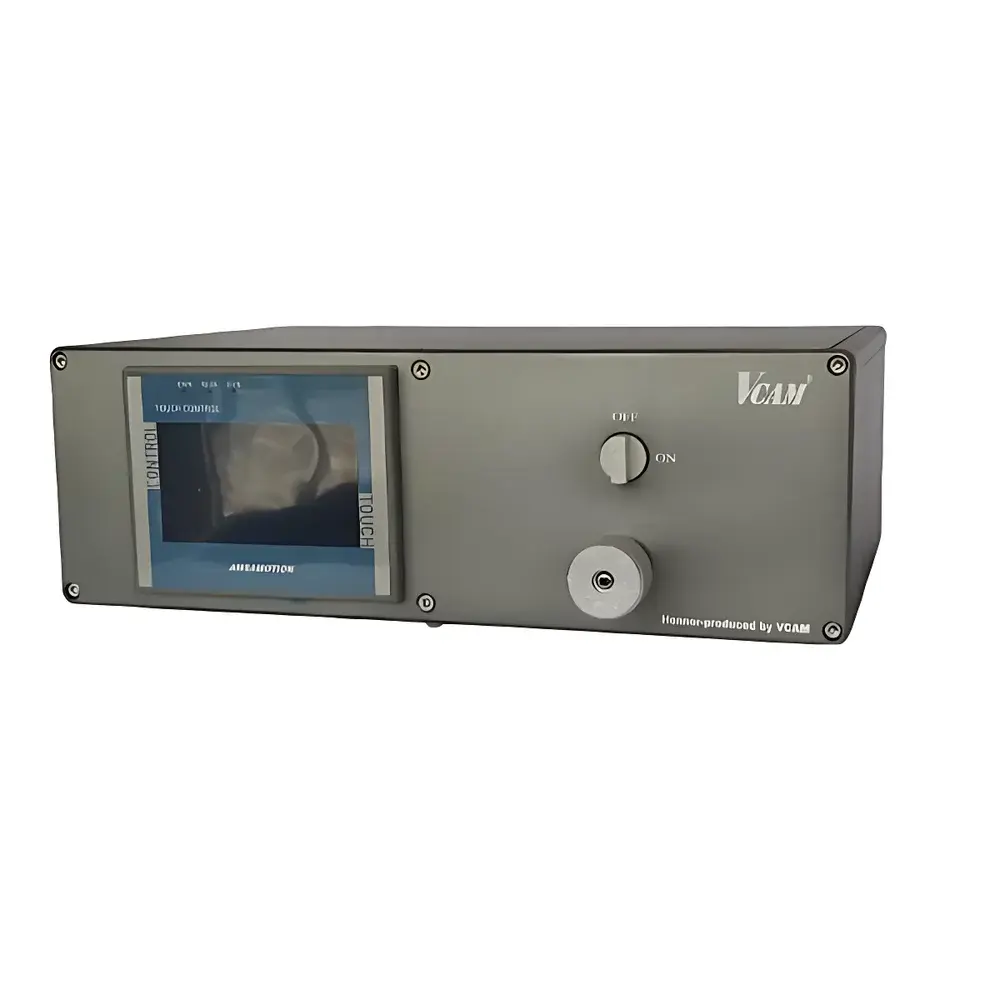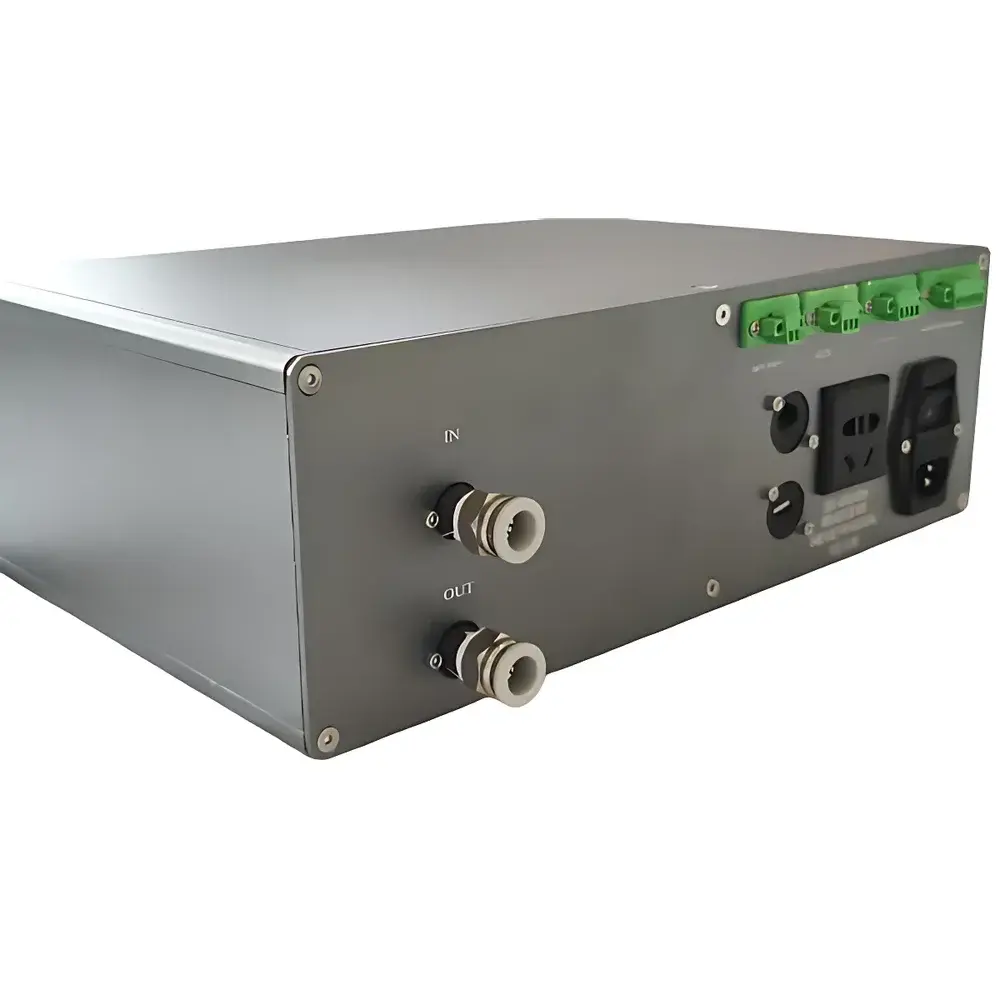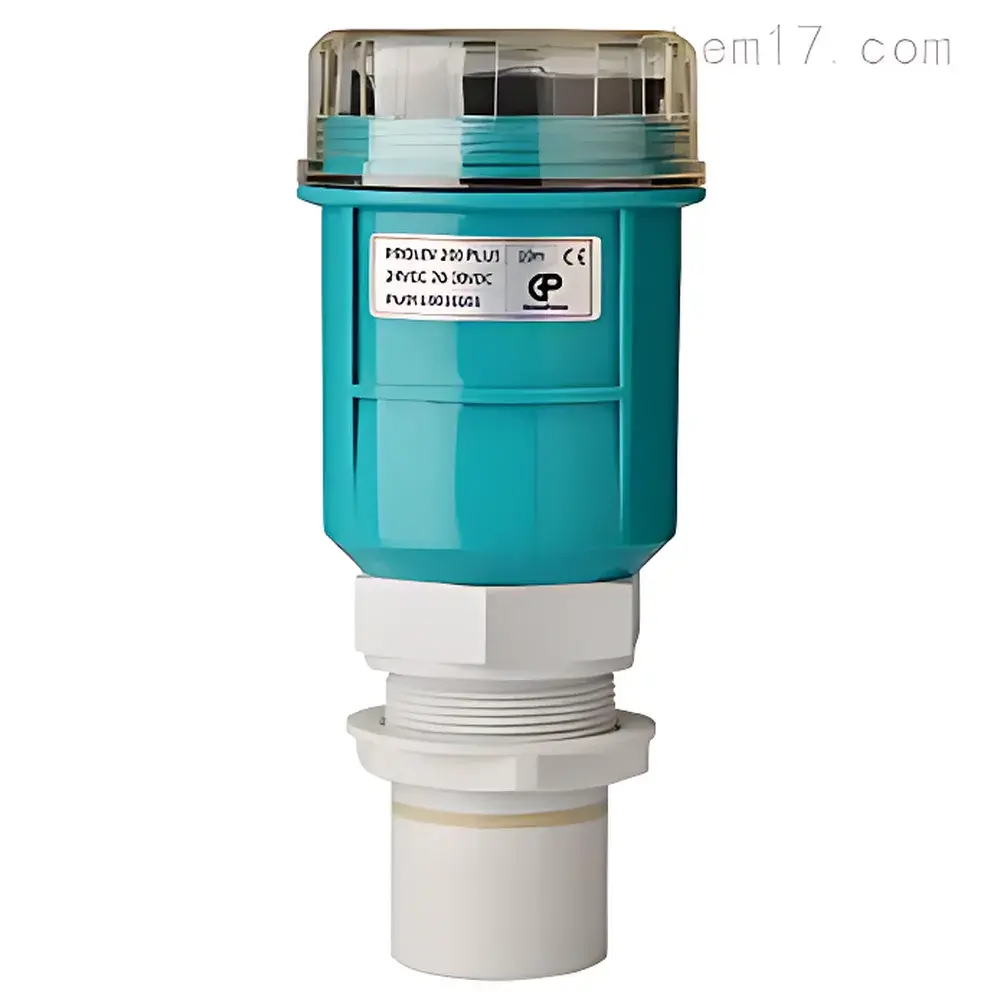
GreenPrima PROLEV200/300 Integrated Ultrasonic Level Transmitter
| Brand | GreenPrima |
|---|---|
| Origin | Imported |
| Manufacturer Type | Manufacturer |
| Model | PROLEV200 / PROLEV300 |
| Measurement Range | 6 m / 10 m |
| Blind Zone | 0.25 m / 0.5 m |
| Accuracy | ±0.2% FS |
| Display | LCD |
| Resolution | 1 mm |
| Max Pressure | 1.5 bar |
| Operating Temperature | −30 to +70 °C |
| Housing Material | PC/PP (PROLEV200) / Aluminum/PVDF (PROLEV300) |
| Output | 2-wire 4–20 mA (max 750 Ω) / 4-wire 4–20 mA + Modbus RTU + dual relay |
| Power Supply | 24 VDC |
| Enclosure Rating | IP67 (PROLEV200) / IP68 (PROLEV300) |
| Process Connection | G2" |
| Sensor Diaphragm Material | ETFE or PVDF |
| Explosion Protection | ATEX II 1/2G Ex ia II C T6 (PROLEV300 variants) |
Overview
The GreenPrima PROLEV200/300 Integrated Ultrasonic Level Transmitter is a microprocessor-based, non-contact level measurement instrument engineered for continuous, reliable monitoring of liquid and solid bulk material levels in industrial process environments. Utilizing time-of-flight (ToF) ultrasonic pulse-echo principle, the device emits high-frequency acoustic waves (typically 50–200 kHz) from a piezoelectric transducer; the elapsed time between emission and echo return is precisely measured and converted into distance using the speed of sound in the given medium and ambient temperature. Built-in temperature compensation ensures stable performance across operating ranges from −30 °C to +70 °C. As an integrated (single-housing) design, the transmitter combines transducer, signal processing electronics, display, and output interfaces in one robust enclosure—eliminating cable runs, signal degradation risks, and installation complexity associated with separate-sensor configurations.
Key Features
- Integrated architecture with embedded microcontroller for real-time signal processing, automatic gain control (AGC), and adaptive power modulation to maintain optimal signal-to-noise ratio under varying surface conditions (e.g., foam, vapor, dust, or agitated surfaces).
- Dual-range configuration support: PROLEV200 offers 6 m or 10 m measurement spans with blind zones of 0.25 m or 0.5 m respectively; PROLEV300 maintains identical range specifications while upgrading mechanical integrity and environmental resilience.
- Advanced echo processing algorithm with configurable interference suppression—enables reliable detection even in vessels with internal structures (ladders, agitators, baffles) or turbulent fill dynamics.
- Corrosion-resistant sensor face options: ETFE (ethylene tetrafluoroethylene) or PVDF (polyvinylidene fluoride), both compliant with ISO 15142-1 for chemical resistance in aggressive media including acids, alkalis, and organic solvents.
- IP67-rated housing (PROLEV200) and IP68-rated aluminum/PVDF enclosure (PROLEV300) ensure ingress protection against prolonged submersion and particulate contamination—validated per IEC 60529.
- ATEX-certified intrinsically safe variants (II 1/2G Ex ia II C T6) available for use in Zone 0/1 hazardous areas, fully compliant with EN 60079-0, -11, and -26.
Sample Compatibility & Compliance
The PROLEV200/300 series is suitable for continuous level monitoring of liquids (water, wastewater, chemicals, food-grade fluids) and free-flowing or aerated solids (grains, pellets, powders) in open channels, tanks, silos, and sumps. It does not require media conductivity, density stability, or optical transparency—making it broadly applicable where radar or guided wave radar may be cost-prohibitive or technically unsuitable. The instrument meets electromagnetic compatibility requirements per EN 61326-1 (industrial environment) and pressure equipment directives (PED 2014/68/EU) for maximum allowable system pressure up to 1.5 bar. All firmware and configuration data adhere to principles of traceability and audit readiness, supporting GLP/GMP-aligned operational workflows when deployed with optional HART or Modbus RTU communication.
Software & Data Management
Local configuration is performed via intuitive on-device LCD interface with multi-level password protection. Remote commissioning and diagnostics are supported through standard 4–20 mA analog output (HART-enabled variants) or RS-485 Modbus RTU protocol (4-wire models), enabling seamless integration into DCS, SCADA, and PLC systems (e.g., Siemens S7, Rockwell ControlLogix, Schneider EcoStruxure). Configuration parameters—including damping factor, empty/ full calibration points, fail-safe output behavior, and echo profile thresholds—are stored in non-volatile memory with write-cycle logging. Firmware updates are performed via secure serial upload; all parameter changes generate timestamped event logs compatible with FDA 21 CFR Part 11 requirements when paired with validated host software.
Applications
- Municipal and industrial wastewater treatment: influent flow channels, clarifier sludge blankets, equalization basins, and chemical dosing tanks.
- Drinking water infrastructure: reservoirs, clearwells, pump station wet wells, and chlorine contact chambers.
- Food & beverage processing: syrup tanks, CIP solution vessels, grain silos, and mash kettles—where hygiene and non-invasive sensing are critical.
- Chemical manufacturing: intermediate storage, neutralization reactors, and bulk polymer handling—leveraging ETFE/PVDF diaphragms for corrosion resistance.
- Power generation: ash hopper level monitoring, closed-loop cooling tower basins, and fuel oil day tanks.
FAQ
What is the difference between PROLEV200 and PROLEV300?
The PROLEV200 uses a PC/PP composite housing and is rated IP67, optimized for general-purpose indoor/outdoor applications. The PROLEV300 features an aluminum body with PVDF-coated front housing and IP68 rating, offering enhanced mechanical durability, thermal stability, and suitability for submerged or high-humidity installations.
Can the device measure level in steamy or dusty environments?
Yes—adaptive gain control, temperature compensation, and advanced echo filtering enable reliable operation in environments with condensation, light mist, or airborne particulates. However, heavy, persistent vapor layers or dense dust clouds may attenuate ultrasonic energy; in such cases, site-specific evaluation or alternative technologies (e.g., guided wave radar) should be considered.
Is third-party calibration documentation available?
Each unit ships with a factory calibration certificate traceable to NIST standards, including verification of zero/span accuracy, temperature drift coefficient, and linearity across full scale. Optional UKAS-accredited calibration services are available upon request.
How is mounting orientation verified during installation?
The LCD display includes a built-in bubble level indicator and real-time echo amplitude feedback. Optimal alignment is confirmed when the strongest echo amplitude is achieved and remains stable during minor angular adjustments—ensuring perpendicular incidence to the target surface.
Related Products