
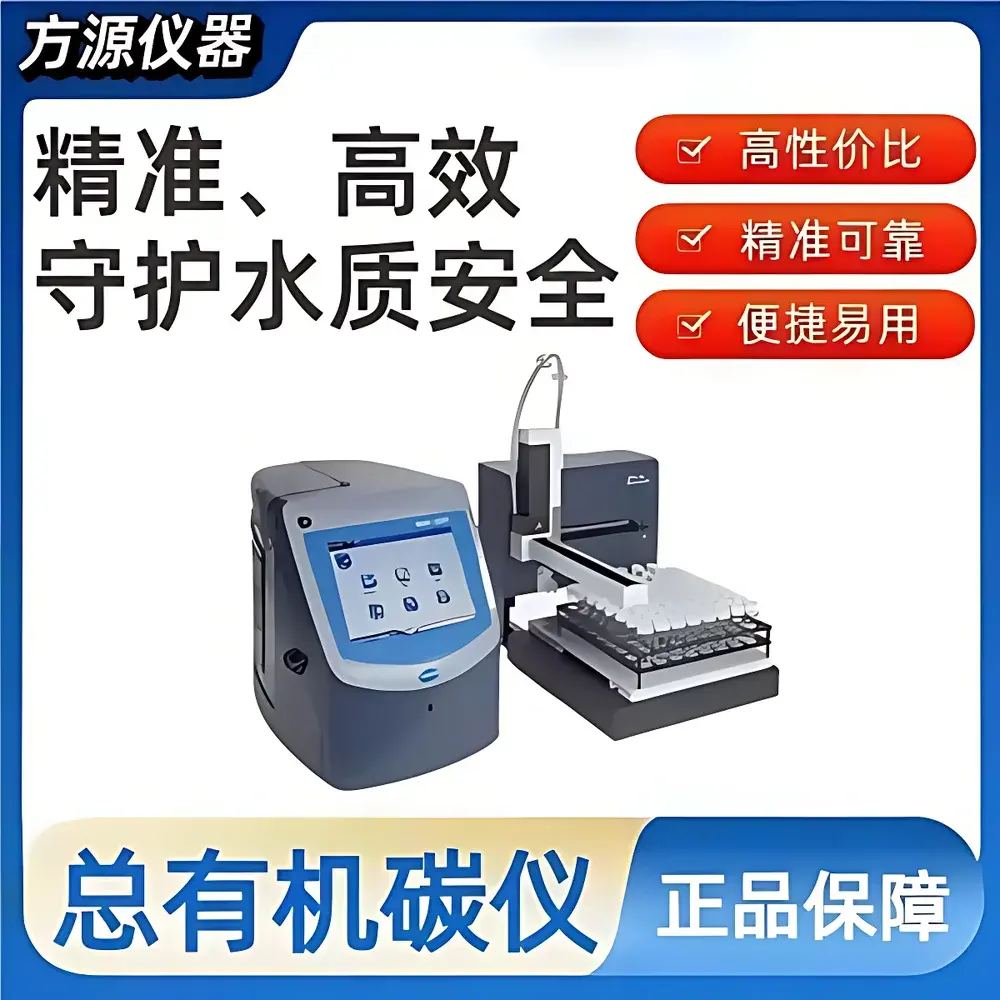
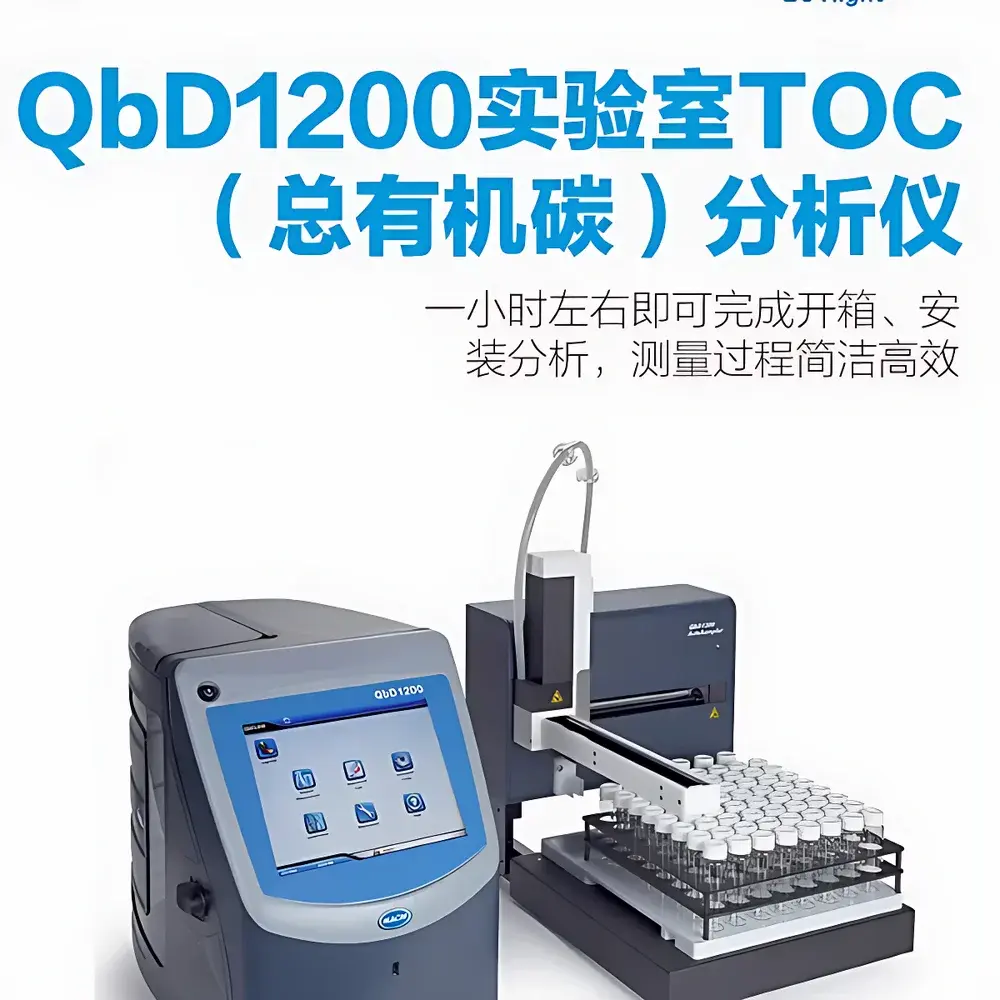
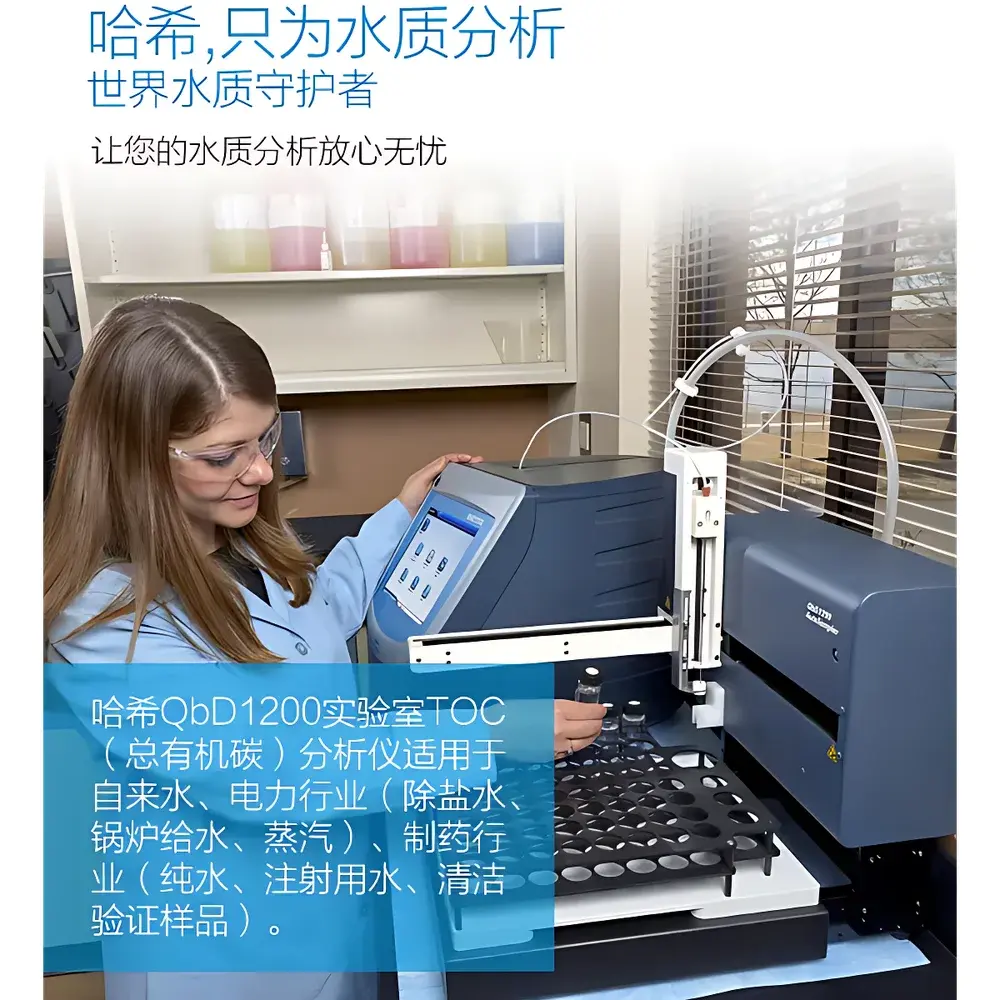
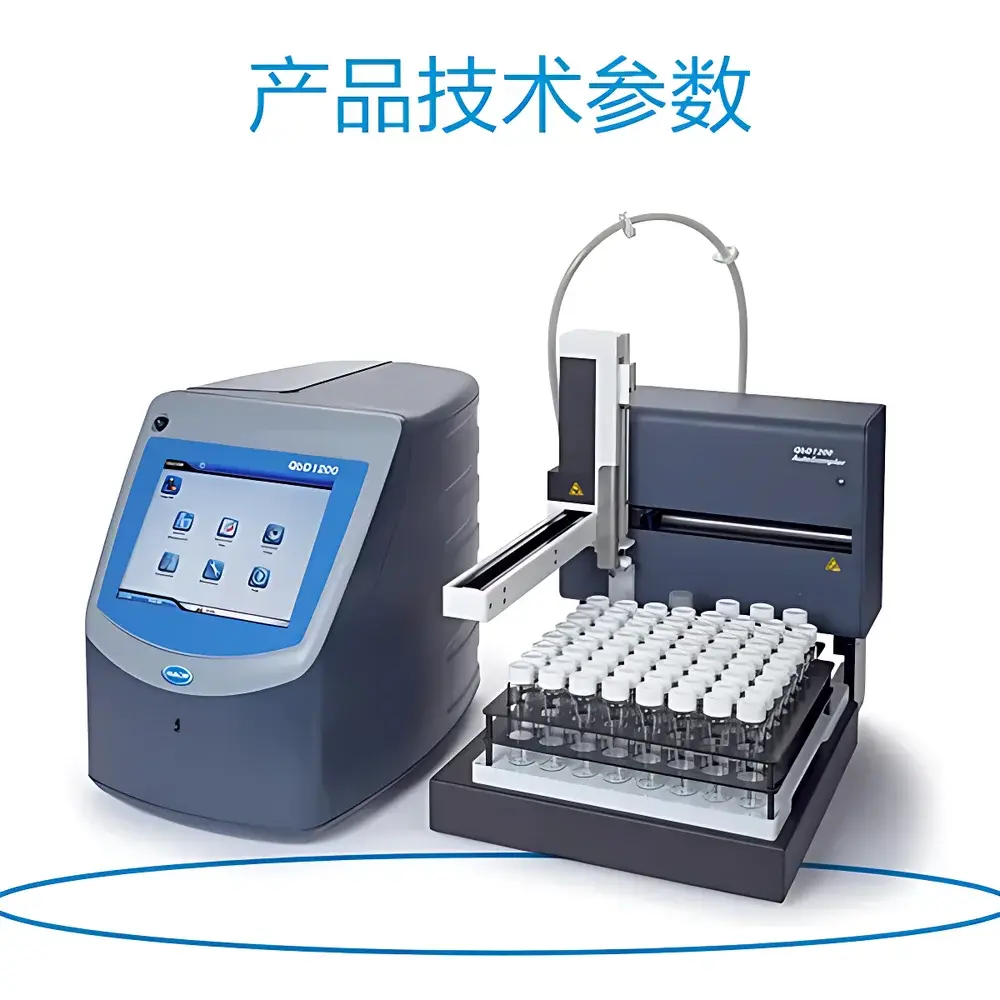
Hach QBD1200 Laboratory Total Organic Carbon (TOC) Analyzer
| Brand | Hach |
|---|---|
| Origin | USA |
| Model | QBD1200 |
| Instrument Type | Laboratory TOC Analyzer |
| Detection Principle | High-Temperature Catalytic Oxidation (680–950 °C) with NDIR Detection |
| Compliance | ASTM D5903, USP <643>, EP 2.2.44, ISO 8245, FDA 21 CFR Part 11 Ready |
| Sample Throughput | Up to 60 samples/hour |
| Detection Range | 0.5–30,000 µg/L C (as carbon) |
| Detection Limit | ≤0.5 µg/L C (as carbon) |
| Precision | RSD ≤2% at 50 µg/L and ≥1000 µg/L C |
| Sample Volume | 0.2–5.0 mL |
| Oxidation Efficiency | ≥99% for sucrose, 1,4-benzoquinone, and sodium benzoate |
Overview
The Hach QBD1200 Laboratory Total Organic Carbon (TOC) Analyzer is a high-precision, thermally driven analytical system engineered for regulatory-compliant organic carbon quantification in ultrapure and process water streams. It employs high-temperature catalytic oxidation (HTCO) — operating between 680 °C and 950 °C in the presence of a platinum catalyst — to fully mineralize non-purgeable organic carbon (NPOC) into CO₂. The liberated carbon dioxide is then quantified using a highly stable, temperature-compensated non-dispersive infrared (NDIR) detector. This measurement architecture ensures trace-level sensitivity, matrix robustness, and long-term calibration stability — critical attributes for laboratories operating under pharmaceutical GMP, power generation QA/QC, or municipal drinking water compliance frameworks.
Key Features
- High-temperature catalytic oxidation module with programmable ramp profiles and dual-zone furnace control for consistent, complete oxidation across diverse sample matrices (e.g., low-conductivity boiler feedwater, saline cleaning validation swabs, and high-ionic-strength pharmaceutical rinse waters).
- Integrated acidification and sparging system for accurate NPOC determination, minimizing interference from inorganic carbon (IC) through automated IC removal prior to oxidation.
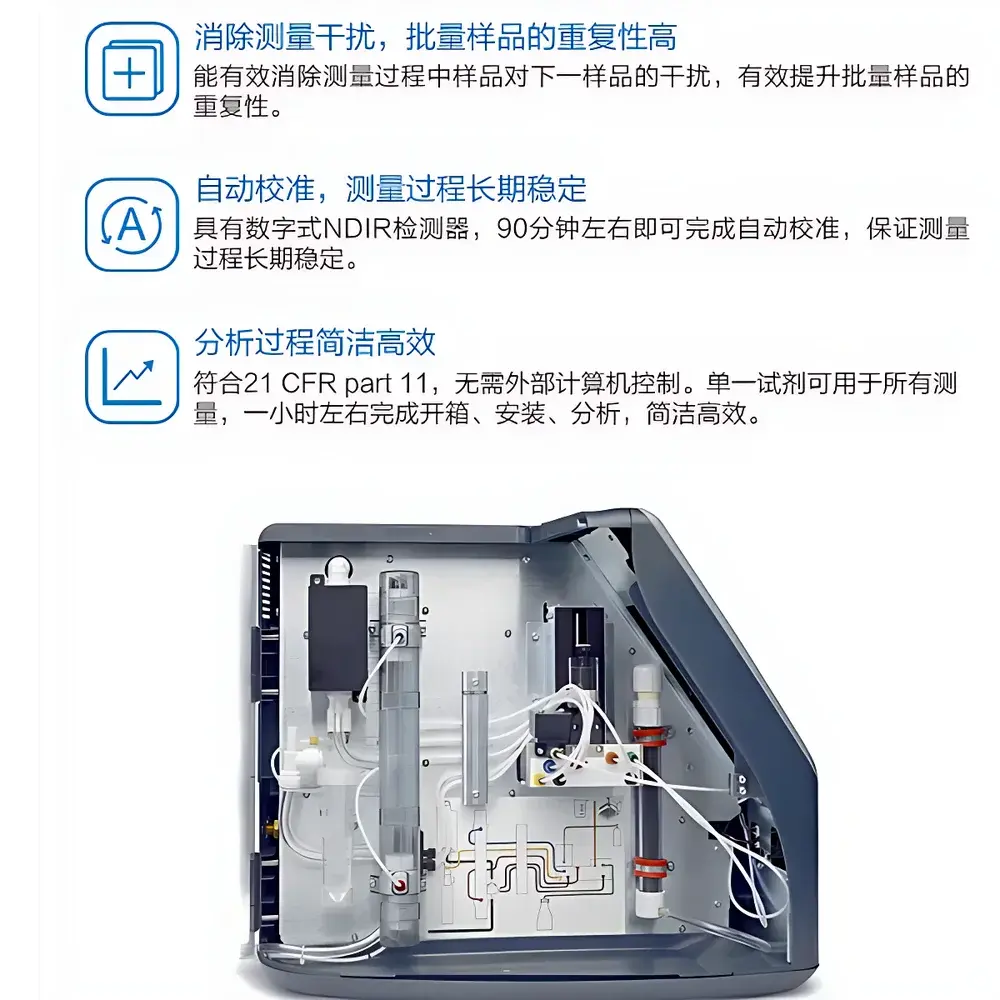
- Auto-calibration and multi-point verification using certified potassium hydrogen phthalate (KHP) and sodium bicarbonate standards; full audit trail logging per FDA 21 CFR Part 11 requirements.
- Modular sample introduction platform supporting syringe pump aspiration, discrete vial loading (up to 60 positions), and optional autosampler integration with barcode recognition for sample tracking.
- Rugged, chemically resistant fluidic path constructed from fused silica, PFA, and ceramic components — resistant to aggressive oxidants, low-pH reagents, and high-salinity samples.
- Embedded real-time diagnostics including catalyst activity monitoring, NDIR signal drift compensation, and pressure/flow integrity checks — all reported in instrument event logs.
Sample Compatibility & Compliance
The QBD1200 is validated for analysis of ultrapure water (UPW), purified water (PW), water for injection (WFI), steam condensate, demineralized boiler feedwater, and cleaning validation swab extracts. Its performance meets or exceeds method requirements specified in USP , EP 2.2.44, JP 17, ASTM D5903, and ISO 8245. The system supports GLP/GMP workflows through electronic signature-enabled method locking, user role-based access control (admin/operator/auditor), and immutable data archiving with SHA-256 hash verification. All calibration, maintenance, and analysis records are time-stamped and linked to operator credentials — fulfilling audit readiness expectations for FDA, EMA, and PMDA inspections.
Software & Data Management
Operated via Hach Insight™ PC software (v5.2+), the QBD1200 provides full method development, sequence scheduling, real-time chromatogram visualization, and automated report generation (PDF/CSV). Data integrity safeguards include automatic backup to network drives, encrypted database storage, and configurable retention policies aligned with 21 CFR Part 11 Annex 11 guidelines. Audit trails record every parameter change, result override, or calibration event — with no ability to delete or edit historical entries. Optional LIMS connectivity via ASTM E1384 or HL7 interfaces enables seamless integration into enterprise laboratory informatics ecosystems.
Applications
- Pharmaceutical manufacturing: WFI and PW system validation, bioreactor feedstock QC, equipment cleaning verification (ASTM E3106), and environmental monitoring of cleanroom water loops.
- Power generation: Monitoring TOC breakthrough in mixed-bed ion exchange resins, detecting organic fouling in condensate polishers, and assessing steam purity per IAPWS guidelines.
- Municipal and industrial water treatment: Source water characterization, disinfection by-product precursor assessment, and advanced oxidation process (AOP) efficiency evaluation.
- Research & development: Kinetic studies of organic degradation pathways, catalyst performance benchmarking, and method transfer between lab and pilot-scale systems.
FAQ
What oxidation method does the QBD1200 use, and why is it preferred for regulated environments?
It uses high-temperature catalytic oxidation (HTCO) — a reference-grade technique recognized in USP and EP 2.2.44 for its near-quantitative recovery (>99%) across heterogeneous organic compounds, including refractory molecules like humic substances and surfactants.
Can the QBD1200 measure TOC in high-salinity samples such as seawater-influenced cooling water?
Yes — its corrosion-resistant fluidics and optimized sparge-gas flow control enable reliable NPOC analysis in samples up to 50,000 µS/cm conductivity without requiring dilution or offline pretreatment.
Is the system compliant with FDA 21 CFR Part 11 for electronic records and signatures?
Yes — when configured with Hach Insight™ software and enabled security settings (e.g., password complexity, session timeout, digital signature enforcement), it satisfies all technical and procedural requirements for Part 11 compliance.
How frequently must the catalyst be replaced, and how is catalyst health monitored?
Catalyst lifetime exceeds 10,000 analyses under typical use; the system continuously monitors oxidation efficiency via internal standard recovery and triggers alerts if recovery falls below 95% — enabling predictive maintenance scheduling.
Does the QBD1200 support remote diagnostics or service access?
Yes — optional secure TLS-encrypted remote support mode allows Hach Field Application Specialists to perform firmware updates, diagnostic sweeps, and configuration reviews without local IT intervention.
Related Products







