
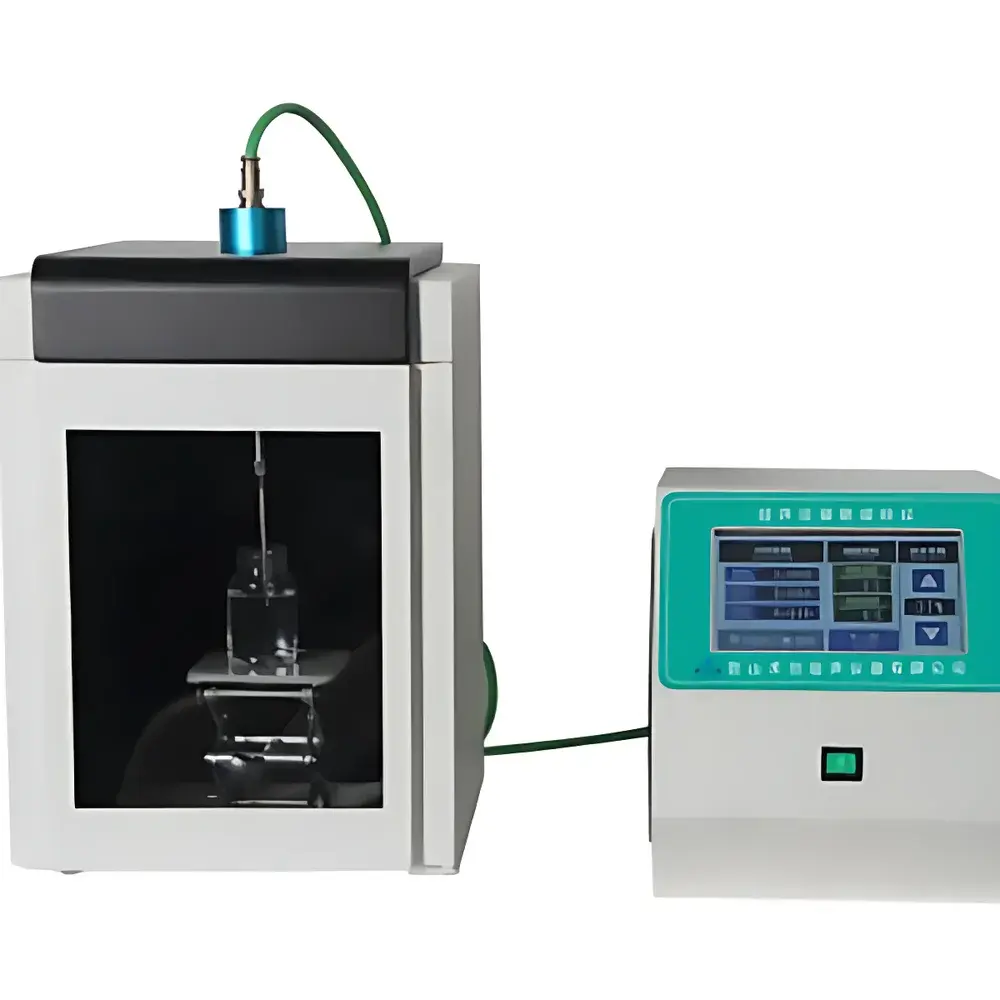
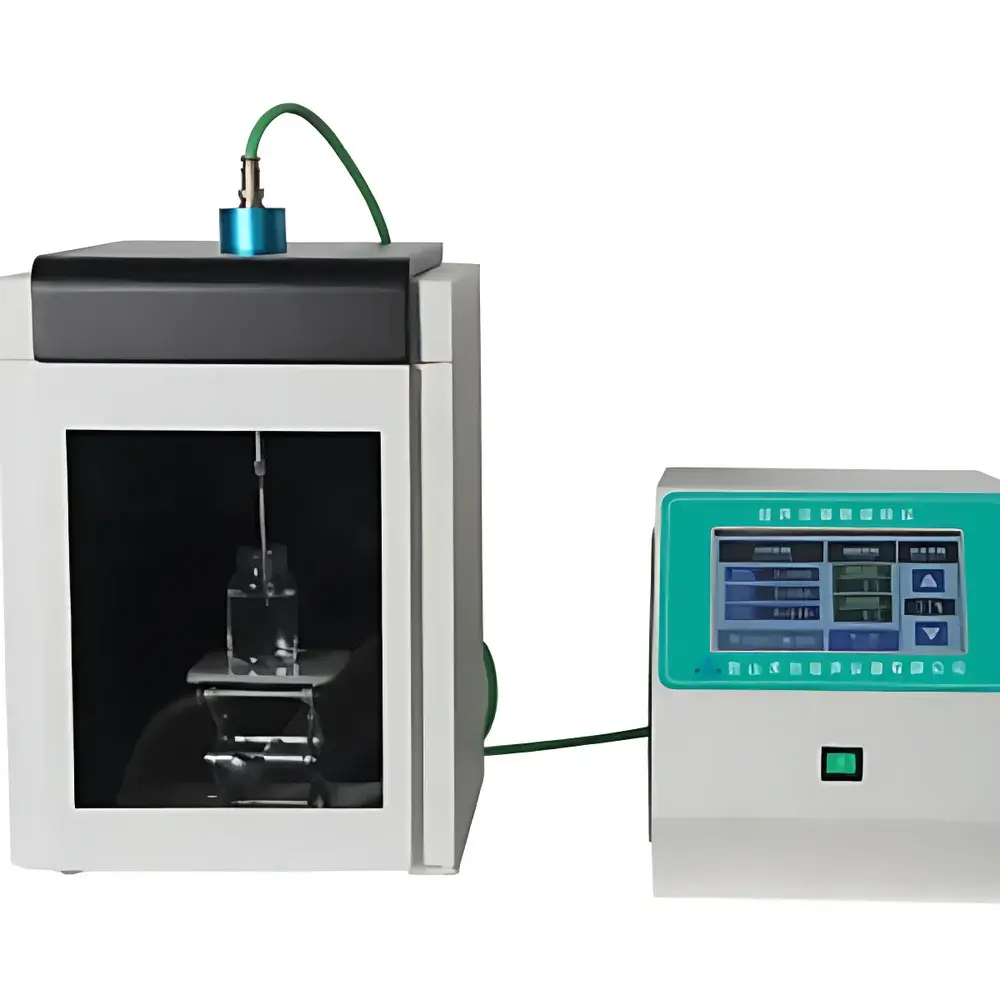
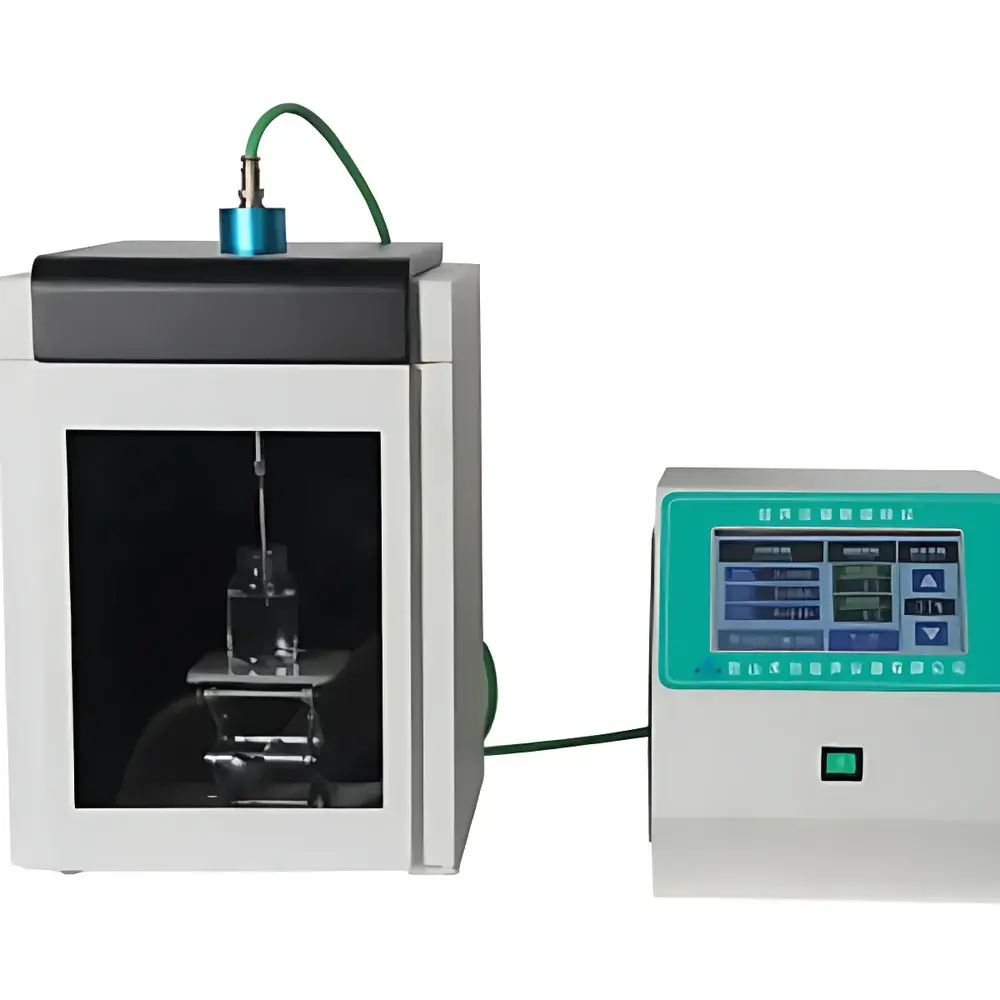
Hechuang HC-2000E Ultrasonic Cell Disruptor
| Brand | Hechuang |
|---|---|
| Origin | Jiangsu, China |
| Manufacturer Type | Authorized Distributor |
| Country of Origin | China |
| Model | HC-2000E |
| Instrument Type | Ultrasonic Cell Disruptor |
| Temperature Range | 0–120 °C |
| Operating Frequency | 20–25 kHz |
| Ultrasonic Power Output | 2000 W |
| Sample Volume Capacity | 0.2–2000 mL |
| Control Interface | 7-inch capacitive touchscreen |
| Pulse Mode Timing | 0.1 s to 999 min (on/off cycles independently configurable) |
| Probe Material | ASTM F136 TC4 titanium alloy |
| Transducer | PZT-4 piezoelectric ceramic (CV33-grade) |
| Amplitude Adjustment | 0–100% continuous |
| Real-time Display | Amplitude %, frequency (Hz), cumulative operating time, temperature (if external probe connected) |
Overview
The Hechuang HC-2000E Ultrasonic Cell Disruptor is an industrial-grade, benchtop ultrasonic homogenizer engineered for high-efficiency mechanical lysis of biological cells, microorganisms, and subcellular structures via controlled cavitation. It operates on the principle of high-intensity ultrasonic energy transmission through a titanium alloy probe into liquid media, generating transient microbubbles that collapse violently—producing localized shear forces, shockwaves, and thermal gradients sufficient to disrupt membranes, solubilize inclusion bodies, and disintegrate aggregates. Designed for reproducible, scalable processing across R&D, QC, and pilot-scale bioprocessing workflows, the HC-2000E delivers stable 2000 W acoustic output at a nominal frequency of 25 kHz, with real-time frequency auto-tracking and impedance-matched power delivery to maintain consistent energy transfer regardless of sample viscosity or volume changes.
Key Features
- Digitally controlled ultrasonic generator with adaptive resonance tracking: continuously monitors and adjusts drive frequency to maintain optimal coupling between transducer and probe, minimizing energy loss and thermal drift.
- 7-inch high-resolution capacitive touchscreen interface with intuitive icon-based navigation; displays real-time amplitude (%), instantaneous frequency (Hz), elapsed time, cumulative runtime, and optional external temperature input (0–120 °C).
- Programmable pulse mode: independent ON/OFF duration settings from 0.1 s to 999 min per cycle, supporting both closed-loop (duty-cycle limited) and open-loop (single-burst) protocols for heat-sensitive samples.
- Automatic amplitude compensation: dynamically modulates voltage to preserve set amplitude during load variations—critical for consistent lysis efficiency across heterogeneous suspensions or viscous lysates.
- Robust transducer assembly using CV33-grade lead zirconate titanate (PZT-4) piezoceramic elements, hermetically sealed against moisture and corrosive vapors; rated for continuous operation at full power without thermal derating.
- TC4 titanium alloy probe (ASTM F136 compliant) with standardized 25 mm diameter tip (optional 8/10/16/20/30 mm tips available); exhibits superior acoustic conductivity, fatigue resistance, and corrosion immunity in aqueous and mildly acidic/basic buffers.
- Modular stainless-steel frame with powder-coated structural chassis; compact footprint (W×D×H ≈ 320 × 380 × 220 mm) optimized for biosafety cabinets and shared lab benches.
Sample Compatibility & Compliance
The HC-2000E accommodates sample volumes ranging from 0.2 mL (microcentrifuge tube lysis with microtip) to 2000 mL (large-volume jacketed reactor integration). It supports aqueous, organic-aqueous, and low-conductivity media—including Tris-HCl, PBS, RIPA, guanidine hydrochloride, and ethanol/water mixtures—without performance degradation. The system complies with IEC 61000-6-3 (EMC emission limits) and IEC 61000-6-2 (immunity to electrostatic discharge and RF fields). While not certified for GMP manufacturing environments, its programmable audit trail (via optional USB data logging), parameter lockout function, and deterministic pulse timing make it suitable for GLP-aligned laboratories performing method development, raw material qualification, or stability-indicating assays per USP <1058> and ISO/IEC 17025 requirements.
Software & Data Management
The HC-2000E operates as a standalone instrument with no proprietary software dependency. All operational parameters—including amplitude, pulse profile, total duration, and temperature threshold—are stored in non-volatile memory and recalled at power-up. Optional USB-C interface enables export of timestamped log files (.csv) containing start/stop times, average amplitude, peak power draw, and thermal alerts. Data integrity is preserved through write-protected configuration storage and cyclic redundancy checksum validation on all critical firmware modules. For regulated environments, users may integrate the device into LIMS via RS-232 or analog 0–10 V output signals (amplitude and temperature), supporting 21 CFR Part 11-compliant electronic record generation when paired with validated third-party acquisition software.
Applications
- Cell lysis of mammalian, bacterial (e.g., E. coli, Bacillus), yeast, and algal cultures for protein extraction, nucleic acid isolation, and metabolite profiling.
- Disruption of viral capsids and exosome membranes for antigen release or cargo analysis.
- Nanomaterial dispersion and deagglomeration—particularly carbon nanotubes, graphene oxide, and metal-organic frameworks—in aqueous suspension.
- Accelerated solvent extraction of phytochemicals (e.g., polyphenols, terpenoids) from plant tissues under ambient or chilled conditions.
- Homogenization of tissue biopsies, tumor spheroids, and biofilm fragments prior to downstream proteomics or single-cell sequencing.
- In situ activation of sonochemical reactions, including Fenton-like oxidation and polymerization initiation in green synthesis protocols.
FAQ
What is the maximum recommended continuous operating time per cycle?
The HC-2000E supports uninterrupted operation up to 999 minutes per program; however, for thermal management of temperature-sensitive samples, pulsed operation (e.g., 5 s ON / 10 s OFF) is strongly advised.
Can the HC-2000E be integrated with external cooling systems?
Yes—its probe mount accepts standard jacketed reactors and dry-ice/ethanol cooling baths; optional PT100 temperature sensor input allows real-time feedback control of external chillers.
Is calibration traceable to national standards?
Amplitude calibration is performed using laser vibrometry against NIST-traceable reference transducers; factory calibration certificates include uncertainty budgets per ISO/IEC 17025 Annex A.
Does the system support remote monitoring or network connectivity?
No Ethernet or Wi-Fi module is built-in; however, analog voltage outputs and RS-232 serial communication enable integration with PLCs, SCADA systems, or custom LabVIEW applications.
What safety interlocks are implemented?
Probe detection switch prevents activation without physical probe attachment; overtemperature cutoff (>120 °C) and overcurrent protection (<25 A) trigger immediate shutdown with audible alarm and on-screen fault code display.
Related Products




