
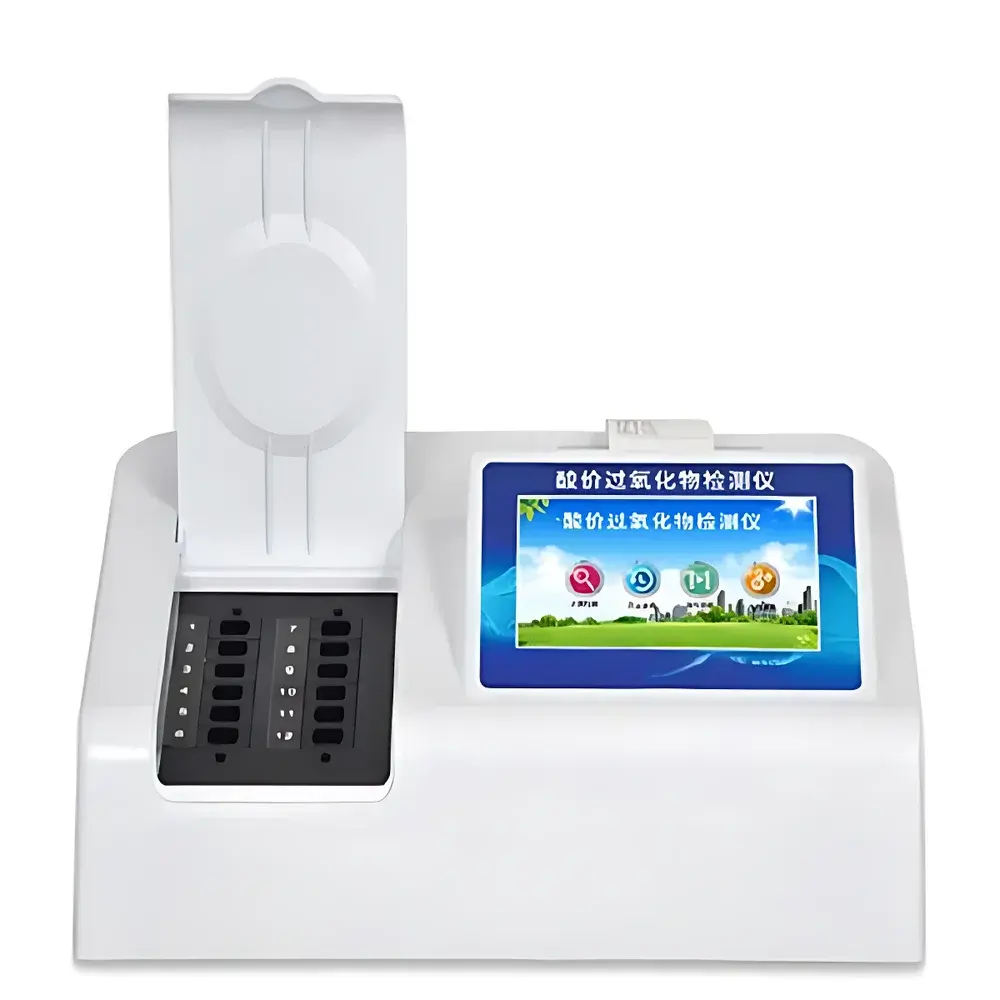
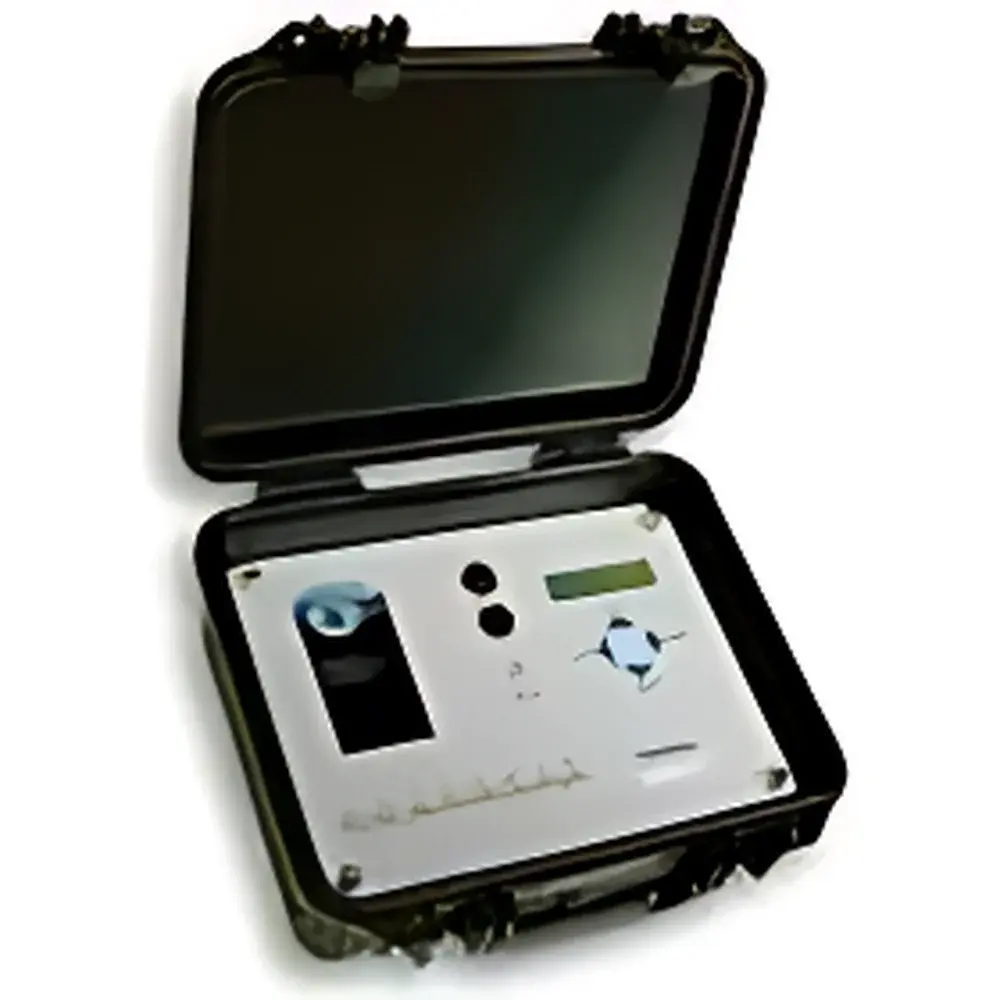
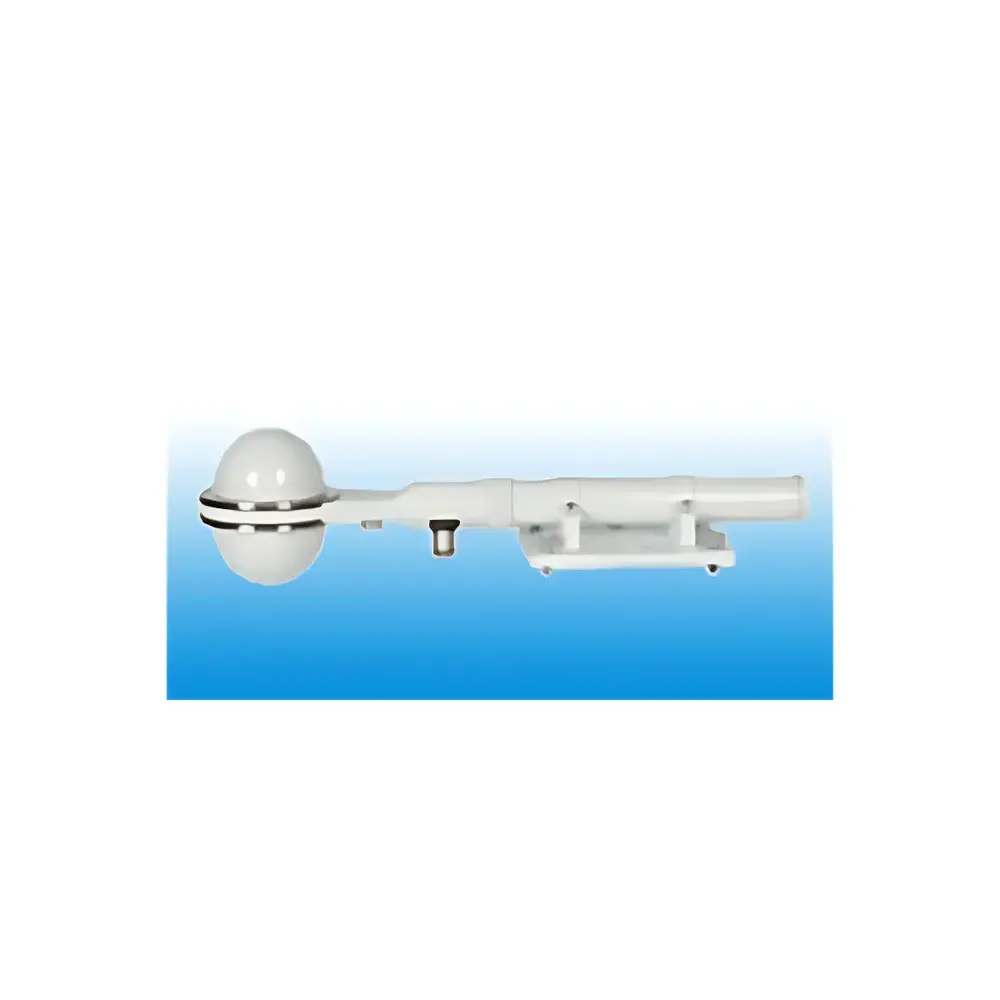
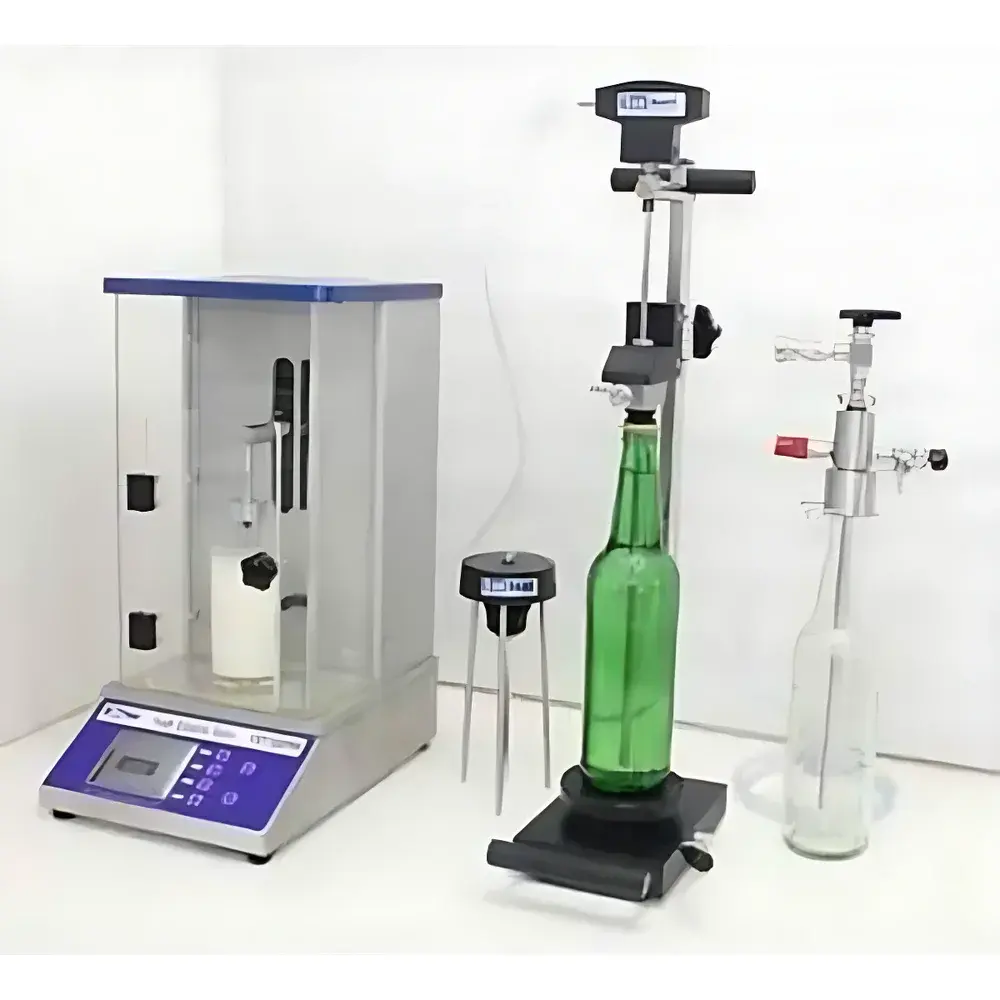
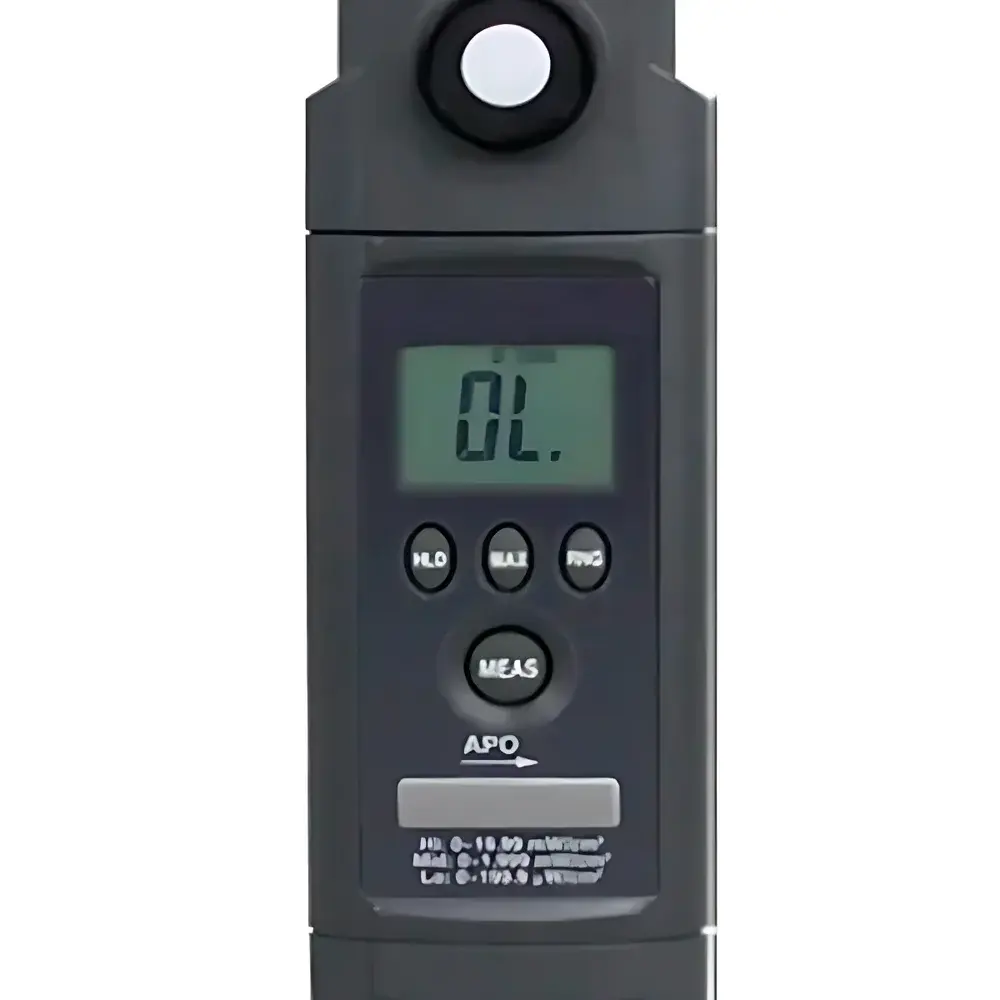
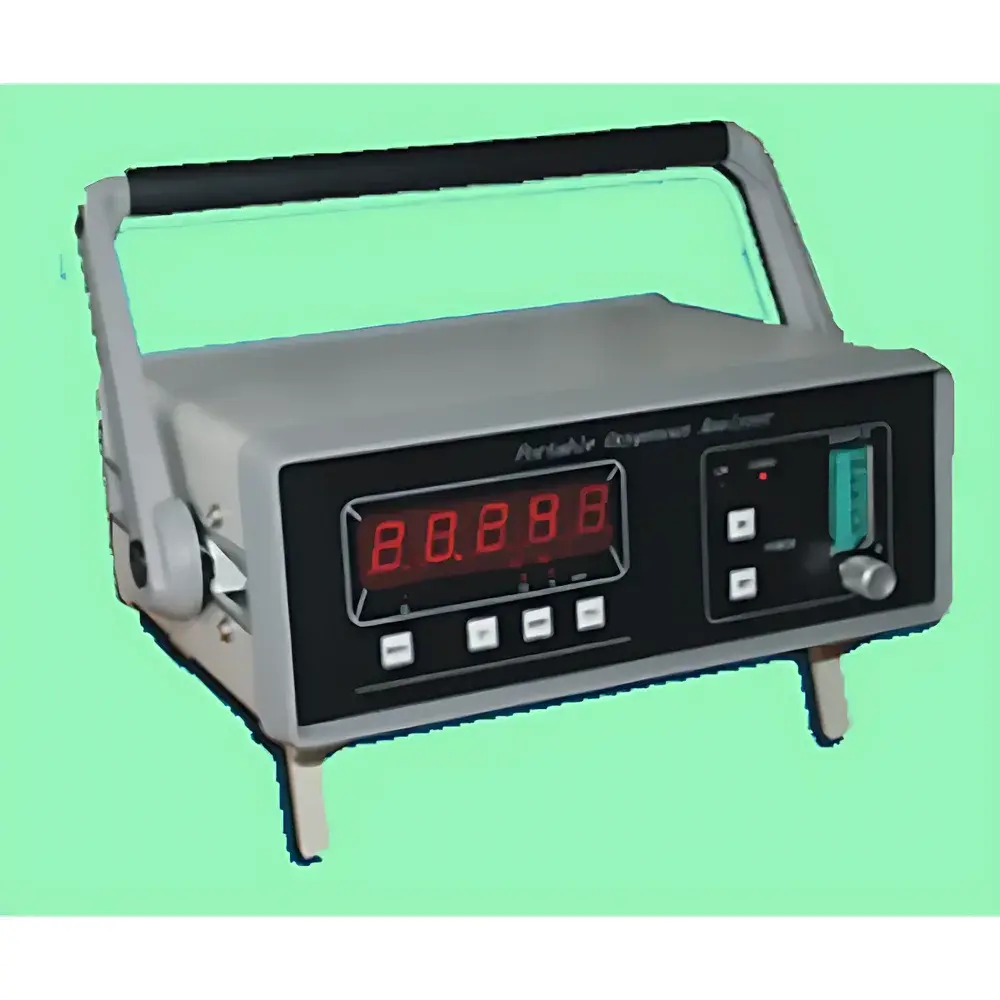
HengaoDe HAD-12 Multi-Parameter Food Quality & Environmental Monitoring Platform
| Brand | HengaoDe |
|---|---|
| Origin | Beijing, China |
| Manufacturer Type | Authorized Distributor |
| Country of Origin | China |
| Model | HAD-12 |
| Price | USD 42.50 (FOB) |
| Detection Channels | 12 |
| Operating System | Android-based Embedded OS |
| Display | 7-inch capacitive touchscreen (Chinese UI) |
| Connectivity | Wi-Fi, Ethernet, GPRS, USB 2.0, RS232 |
| Power Supply | DC 12V (with optional 6Ah Li-ion battery) |
| Optical Source | Dual-wavelength LED (405 nm & 520 nm), auto-calibrated, thermally stabilized |
| Photometric Accuracy | ±3% error |
| Photometric Repeatability | ±0.001 A/hr |
| Detection Limit (Edible Oil) | 0.2 mg KOH/g |
| Linear Range | 0.2–10 mg KOH/g |
| Data Storage Capacity | 200,000 records |
| Sample Cell | 10 × 10 mm standard cuvette |
| Dimensions | 415 × 310 × 150 mm |
| Weight | 4.8 kg |
Overview
The HengaoDe HAD-12 Multi-Parameter Food Quality & Environmental Monitoring Platform is an integrated, field-deployable spectrophotometric analyzer engineered for rapid, on-site quantification of critical quality and safety indicators across diverse matrices—including edible oils, meat products, baked goods, and aquatic samples. It operates on the principle of absorbance photometry in the visible spectrum (405 nm and 520 nm), leveraging dual-wavelength differential measurement to minimize matrix interference and enhance analytical robustness. Designed for compliance with national food safety standards—including GB/T 5009.37 (acid value), GB/T 5009.56 (peroxide value), and GB/T 4928-2008 (beer foam stability)—the platform supports method-defined calibrations traceable to reference materials. Its modular architecture accommodates future expansion into water quality (e.g., BOD5), gas purity (O2, N2), and environmental parameters (net radiation, water potential, UV irradiance), enabling laboratories to consolidate routine testing onto a single hardware platform without compromising metrological integrity.
Key Features
- 12 independent optical detection channels—each programmable for distinct analytes—enabling concurrent analysis of heterogeneous sample sets without cross-talk or reagent carryover.
- ARM Cortex-A7 quad-core processor (RK3288, 1.88 GHz) ensures deterministic real-time data acquisition, onboard statistical processing, and seamless execution of multi-step assay protocols.
- Thermally stabilized dual-LED light sources with automatic intensity calibration eliminate drift over extended operation (>8 hr continuous use), meeting ISO/IEC 17025 requirements for instrument stability.
- Built-in regulatory database with embedded Chinese national standards (e.g., GB, NY, SN series); firmware-updatable to reflect revised limits or new test methods.
- Integrated GPRS/Wi-Fi/Ethernet connectivity enables direct upload to provincial food safety surveillance platforms, supporting traceability under China’s Food Safety Information Traceability System (FSITS).
- Secure access control with user-level authentication (username/password), audit-log generation, and encrypted local data storage compliant with GB/T 22239–2019 (Information Security Technology – Basic Requirements for Cybersecurity Level Protection).
- Field-ready power architecture: accepts 12 V DC input (including vehicle cigarette lighter sockets) and supports hot-swappable 6 Ah lithium-ion battery packs for >10 hr uninterrupted operation.
Sample Compatibility & Compliance
The HAD-12 is validated for quantitative analysis of acid value (AV) and peroxide value (PV) in refined vegetable oils (soybean, rapeseed, sunflower), animal fats (lard), and processed foods (snacks, fried products). It also supports indirect assessment of oxidative rancidity in meat derivatives and aquatic products via standardized extraction protocols. All assays adhere to the photometric principles outlined in GB/T 5009.37–2003 and GB/T 5009.56–2003, with linearity verified across 0.2–10 mg KOH/g (R² ≥ 0.999). For beer foam stability, the system interfaces with external mechanical modules conforming to NIBEM methodology (foam collapse time at 30 mm displacement), referenced against GB/T 4928–2008 Annex B. Instrument design meets IP54 ingress protection rating; electrical safety complies with GB 4793.1–2018 (IEC 61010-1).
Software & Data Management
The embedded Android OS hosts a purpose-built application with role-based workflows: technician mode (sample ID entry, batch assignment, result validation), supervisor mode (calibration management, method versioning, user privilege configuration), and QA mode (audit trail review, report generation, GLP-compliant electronic signatures). All measurements are timestamped, geotagged (via optional GPS module), and stored with full metadata—including operator ID, ambient temperature/humidity, reagent lot number, and calibration curve parameters. Data export formats include CSV and Excel-compatible .xls files; bulk transfer occurs via USB mass storage or network share. The system supports 21 CFR Part 11–compliant audit trails when deployed with optional digital certificate authentication and centralized server synchronization.
Applications
- Quality assurance labs in edible oil refineries verifying compliance with AV ≤ 3 mg KOH/g and PV ≤ 0.25 meq/kg (GB 2716–2018).
- Frozen food processors monitoring lipid oxidation during cold-chain distribution using accelerated PV trending.
- Third-party food testing agencies conducting surveillance sampling for gutter oil adulteration screening.
- Brewery QC departments performing daily foam stability checks (target: ≥180 s per GB/T 4928–2008) to ensure colloidal stability and protein-polyphenol interactions.
- Environmental monitoring stations deploying auxiliary sensors (e.g., net radiometers, dew point hygrometers) calibrated against HAD-12’s internal reference database.
FAQ
Can the HAD-12 be used for regulatory submission of test results?
Yes—when operated with documented calibration records, traceable standards, and validated SOPs aligned with GB/T 27404–2008 (Laboratory Quality Control Guidelines), its outputs satisfy evidentiary requirements for domestic market access.
Is method validation support provided?
HengaoDe supplies ICH Q2(R2)-aligned validation templates covering specificity, linearity, LOD/LOQ, precision (intra-day/inter-day), and robustness for AV/PV assays.
How is firmware updated in remote locations?
Firmware updates are delivered as signed .zip packages via USB drive or OTA through authenticated Wi-Fi; each release includes SHA-256 checksums and change logs.
Does the instrument support LIMS integration?
Yes—via HL7 v2.5.1 or ASTM E1384-compliant XML export; custom API endpoints can be enabled upon request for enterprise-level laboratory information systems.
What maintenance is required beyond routine cleaning?
No consumable optics or lamps—only quarterly verification of wavelength accuracy using NIST-traceable neutral density filters and annual verification of photometric linearity using certified step wedge standards.



