HengaoDe H17859 Multi-Function Laboratory Instrument Suite: Proppant Bulk Density Tester, Portable Ammonia Concentration Analyzer, Asphalt Ductility Tester, Fluorescent Whiteness Meter, Ultra-Pure Water System, UV-A Blacklight for Fluorescent Inspection, NDIR CO Analyzer, Intrinsically Safe Personal Dust Sampler, Corrosion Pit Depth Gauge
| Brand | HengaoDe |
|---|---|
| Origin | Beijing, China |
| Manufacturer Type | Authorized Distributor |
| Country of Origin | China |
| Model | H17859 |
| Price | USD 42.50 (FOB Beijing) |
Overview
The HengaoDe H17859 Multi-Function Laboratory Instrument Suite is a rigorously engineered collection of ten independently validated analytical and testing instruments designed for compliance-driven laboratories in oilfield services, asphalt pavement R&D, pharmaceutical manufacturing, environmental monitoring, and industrial hygiene. Each instrument adheres to internationally recognized standards—including ISO 1350-2 (bulk density), API RP60 and SY/T 5108-2006 (proppant performance), JTG E20-2011 (asphalt ductility), GB/T 3978 (whiteness measurement), GB/T 18204.23-2000 and JJG 635-2011 (NDIR CO analysis), GBZ/T 300-2017 (occupational aerosol sampling), and ASTM E1417/E1444 (fluorescent penetrant inspection). The suite integrates metrological traceability, mechanical robustness, and operational repeatability—enabling consistent data generation under GLP, GMP, and ISO/IEC 17025-aligned workflows. No single unit shares components or calibration pathways; each operates as a standalone, standards-compliant device with documented uncertainty budgets appropriate to its measurement domain.
Key Features
- Proppant Bulk Density Tester: Stainless-steel (304) funnel and 100 mL cylindrical receiver conforming to ISO 1350-2 geometry; fixed drop height (215.9 mm); precision-machined orifice (12.7 ± 0.4 mm); calibrated mass-to-volume calculation per API RP60.
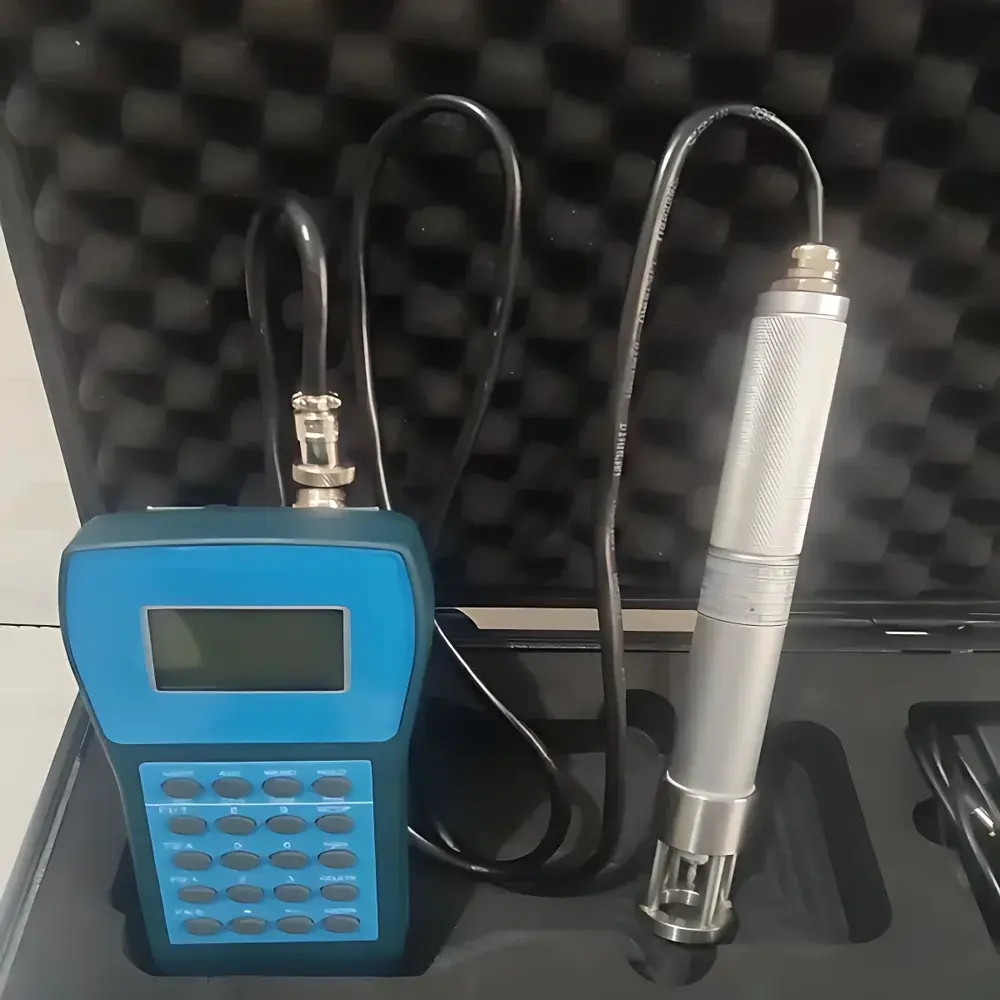
- Portable Ammonia Concentration Analyzer: Non-invasive electromagnetic field sensing principle; dual temperature compensation; 0.1–100% w/w dynamic range; <5 s response time; ±0.1–±1% accuracy; IP65-rated probe (280 mm insertion depth).
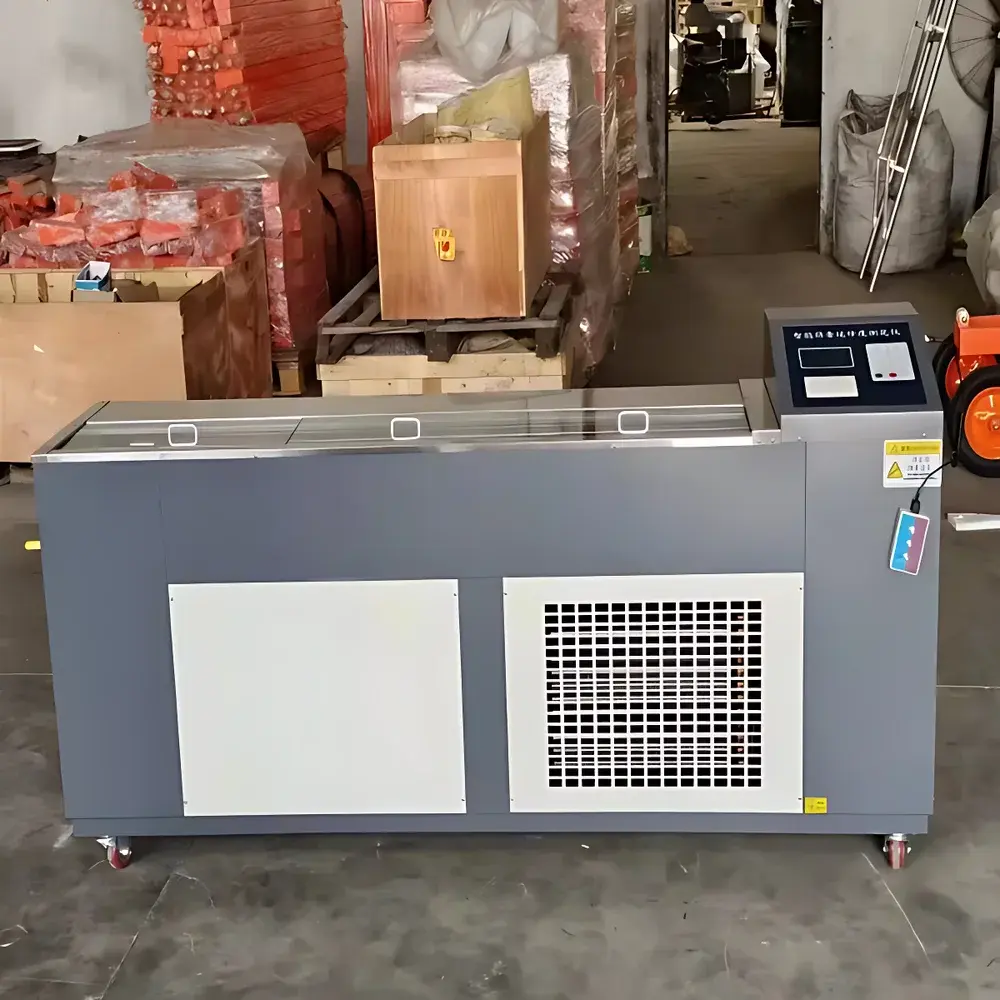
- Asphalt Ductility Tester: Dual-speed motorized draw (50/100 mm/min); PID-controlled water bath (5–50 °C, ±0.1 °C stability); 1500 mm test length; linear motion via ball screw and rail guidance; microprocessor-based data logging (10 test sets).
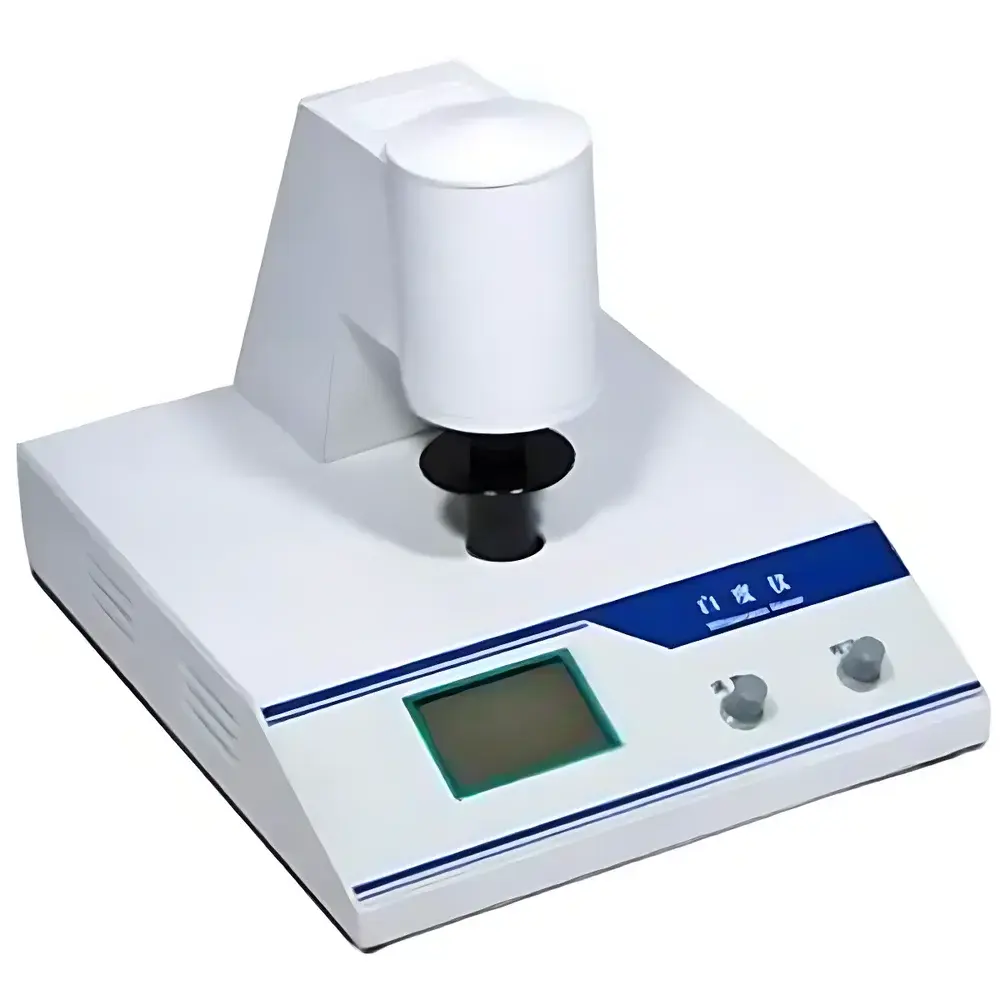
- Fluorescent Whiteness Meter (HAD-B2Y): 45/0 optical geometry per GB/T 3978; LED blue-light source (λ = 457 nm); LCD display; 30 mm aperture; repeatability ≤0.3 units; zero drift ≤0.2/10 min.
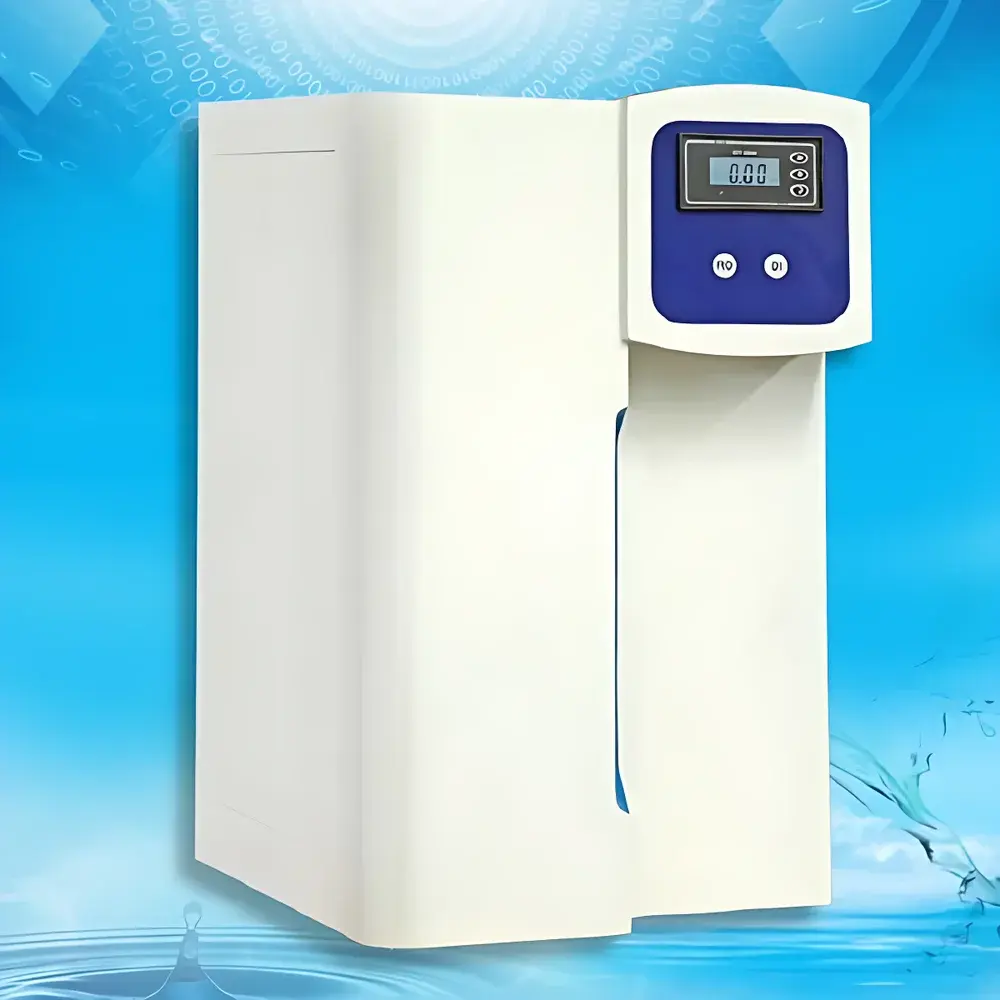
- Ultra-Pure Water System (HAD-SE-II20L): Dual-output (RO + DI); 18.25 MΩ·cm @ 25 °C resistivity; TOC <10 ppb; endotoxin <0.001 EU/mL; integrated TDS, temperature, and flow monitoring; GLP-compliant event logging.
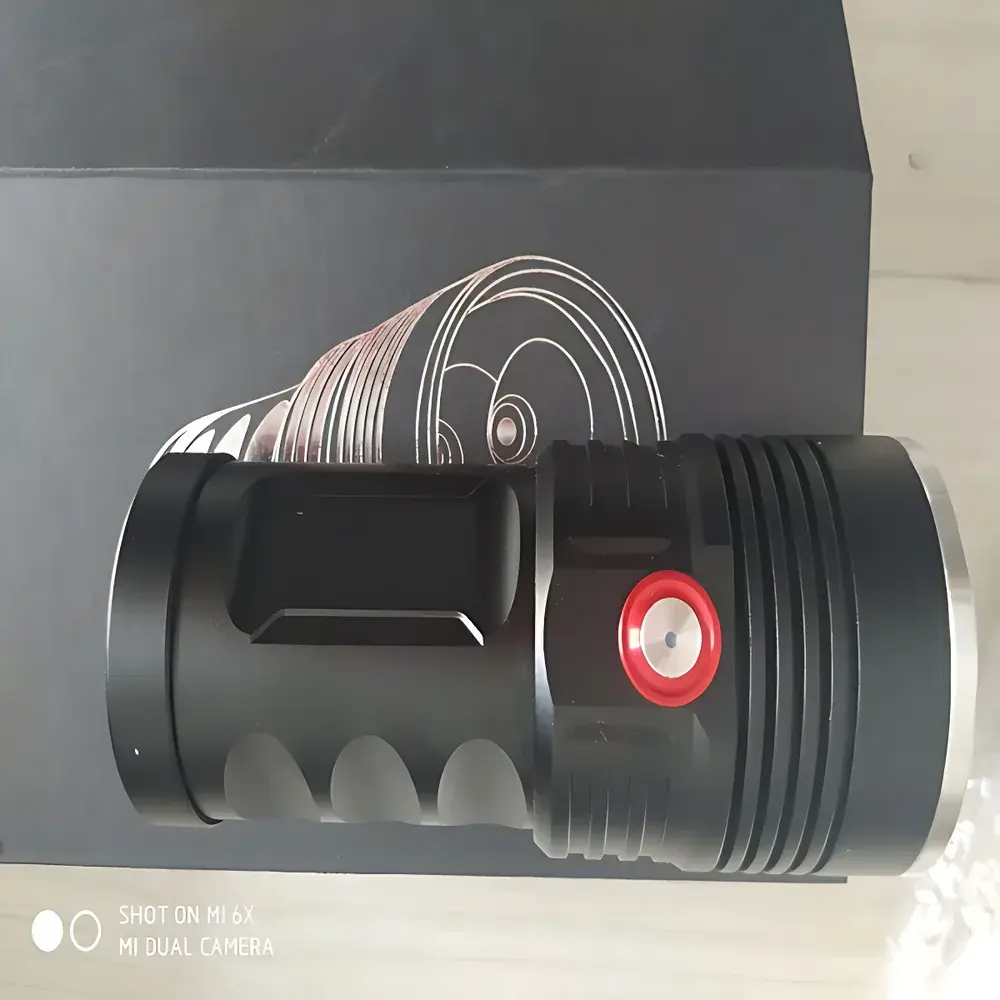
- UV-A Blacklight (365 nm): SEOUL LED emitter; 20,000 µW/cm² irradiance at 38 cm; UV-A only (no UV-B/C); intrinsically safe design for hydrocarbon environments; rechargeable Li-ion (487 g total mass).
- NDIR CO Analyzer (HAD-18204): Non-dispersive infrared detection per GB/T 9801-88; pump-suction sampling (0.5–2.0 L/min); simultaneous CO, temperature, and RH measurement; 0–50 ppm (extendable to 1000 ppm); ±2% F.S. linearity error.
- Intrinsically Safe Personal Dust Sampler (HAD-T3): Electronic constant-flow control (1–5 L/min); ≥35 kPa load capacity; 20 h battery life; real-time display of volume, time, pressure, and temp; compliant with JJG 956-2013.
- Corrosion Pit Depth Gauge (HAD-TFS): Mechanical dial indicator with digital readout; 12.7 mm range; 1 µm resolution; zero-set function; mm/inch toggle; triangular reference base for curved surface adaptation.
Sample Compatibility & Compliance
All instruments meet material compatibility and regulatory requirements for routine use in accredited facilities. The proppant tester accepts granular media per ISO 1350-2—including quartz sand, ceramic proppants, and resin-coated particles—with no sample pretreatment required. The ammonia analyzer interfaces directly with aqueous solutions, process streams, and vapor-phase headspace without chemical reagents. Asphalt ductility testing accommodates bituminous binders, polymer-modified asphalts, and emulsion residues per JTG E20-2011 Annex B. Whiteness measurements comply with ISO 2470-1 for paper, ISO 11475 for plastics, and ASTM E313 for industrial pigments. The ultra-pure water system delivers Type I water per ISO 3696 and CLSI EP22-A2 specifications. UV-A blacklight output is certified per ASTM E3022-18 for fluorescent penetrant inspection. CO analyzer data satisfies reporting requirements under EPA Method IO-3A and EN 14662. Dust samplers conform to ISO 7708 for respirable fraction cutoff and ACGIH TLV® sampling protocols.
Software & Data Management
While most units operate as standalone analog/digital instruments, select models incorporate embedded firmware with audit-trail-capable functionality. The asphalt ductility tester stores 10 test records with timestamp, speed, and temperature metadata. The CO analyzer logs 10,000 measurement events with GPS-tagged location (optional), humidity-compensated CO values, and automatic zero-correction timestamps. The ultra-pure water system provides continuous conductivity and temperature traces via RS232 or USB; all data exportable as CSV for LIMS integration. Firmware updates are delivered via secure HTTPS portal with SHA-256 signature verification. No cloud dependency: all critical calibration constants, user-defined limits, and alarm thresholds reside locally in non-volatile memory. Full traceability is maintained per FDA 21 CFR Part 11 requirements when paired with validated third-party laboratory information management systems.
Applications
This instrument suite supports cross-sectoral QA/QC and R&D functions: upstream oilfield labs use the proppant tester and CO analyzer for hydraulic fracturing fluid validation and wellhead gas safety screening; road construction agencies deploy the ductility tester and whiteness meter for binder specification compliance and pavement marking pigment consistency; pharmaceutical manufacturers rely on the ultra-pure water system for WFI pre-treatment and the UV-A lamp for riboflavin mapping in sterilization validation; environmental health departments apply the dust sampler and CO analyzer for occupational exposure assessment per OSHA 1910.1200 and NIOSH Manual of Analytical Methods (NMAM) Chapter 5000; corrosion engineers utilize the pit depth gauge for API RP 579-1/ASME FFS-1 fitness-for-service assessments on piping and pressure vessels.
FAQ
Are calibration certificates included with shipment?
Yes—each instrument ships with a factory-issued calibration report traceable to NIM (China National Institute of Metrology) or equivalent national standards body, including uncertainty budgets per ISO/IEC 17025:2017 Annex A.
Can the ultra-pure water system be upgraded to include TOC monitoring?
Yes—the HAD-SE-II20L platform supports optional add-on TOC sensor modules with 21 CFR Part 11-compliant data handling.
Is the ammonia concentration analyzer suitable for high-viscosity liquids such as glycol-ammonia mixtures?
Yes—its electromagnetic sensing principle is unaffected by viscosity; however, probe immersion depth must exceed 280 mm for representative sampling.
Does the UV-A blacklight meet NADCAP AC7114 requirements for fluorescent inspection?
Yes—intensity uniformity and spectral output are verified per ASTM E3022-18 Annex A prior to dispatch.
What is the recommended recalibration interval for the corrosion pit depth gauge?
Annual verification against NIST-traceable step gauges is advised; mechanical zero-check before each use is mandatory per ASME B46.1.