
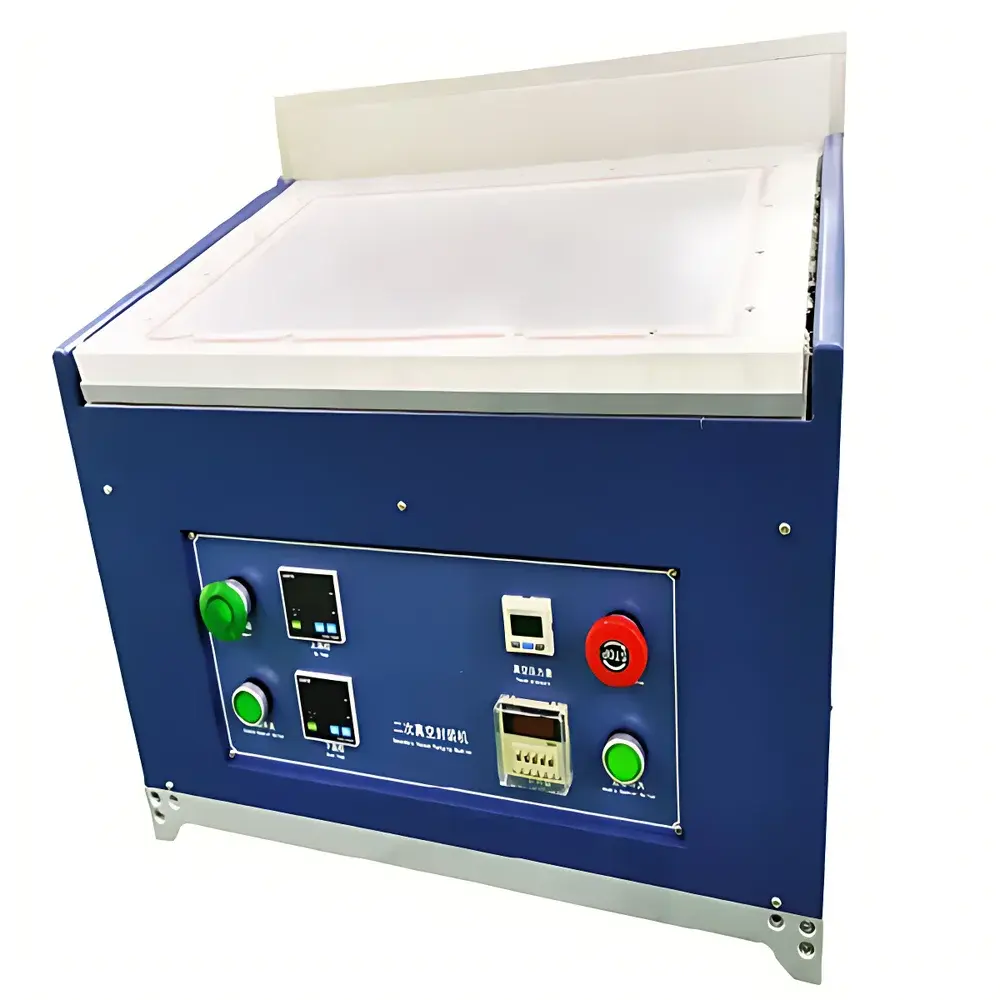
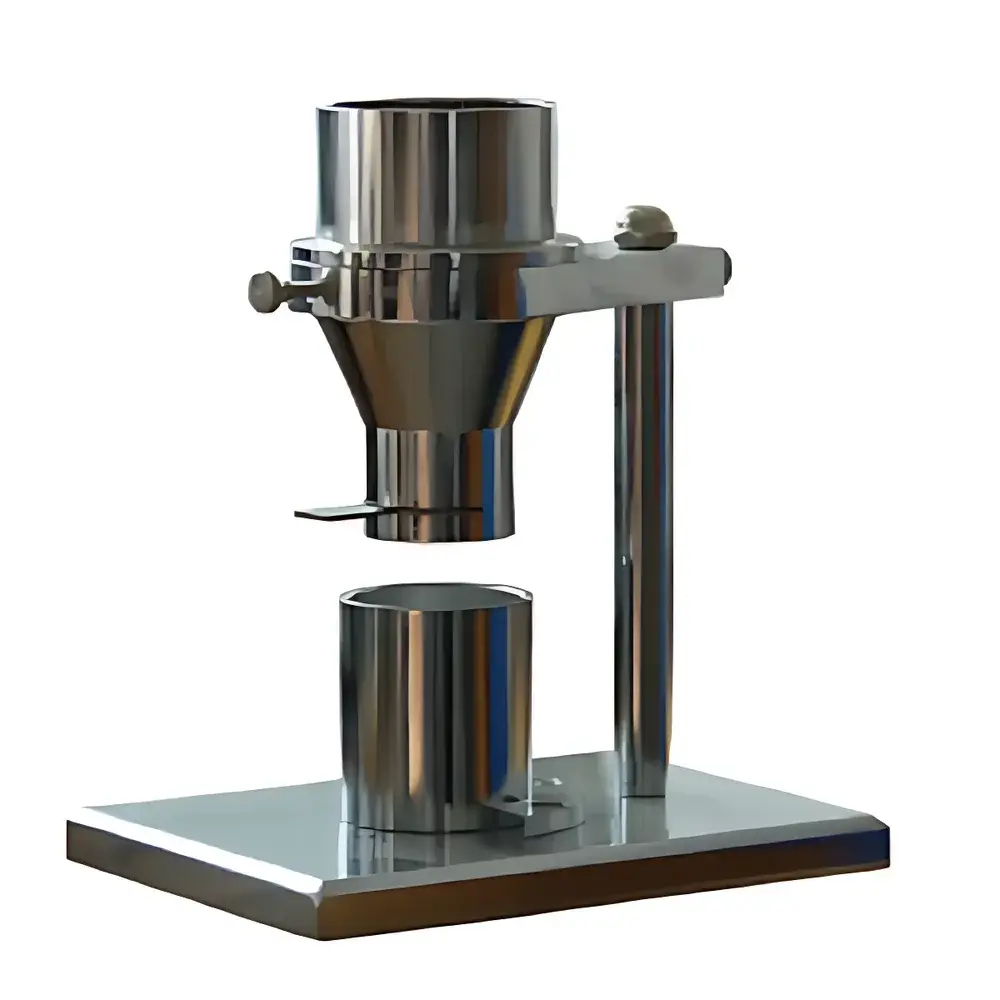
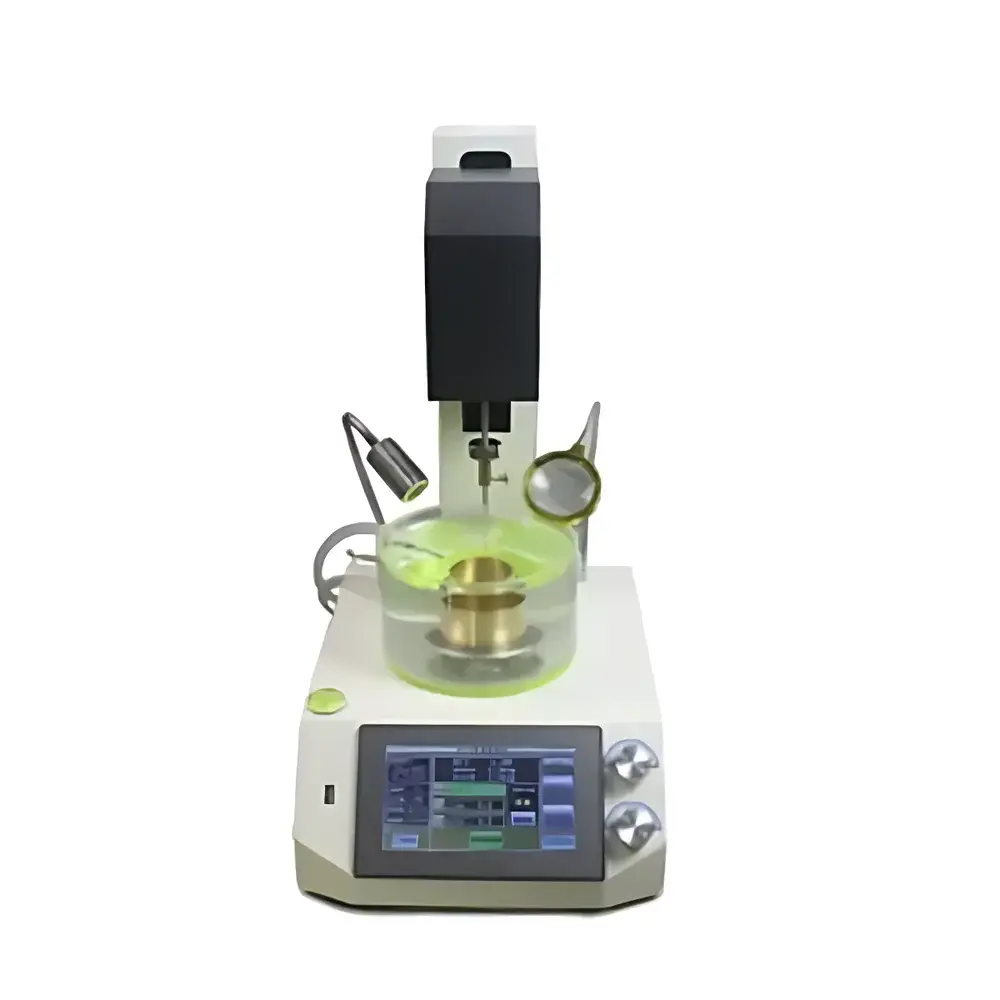
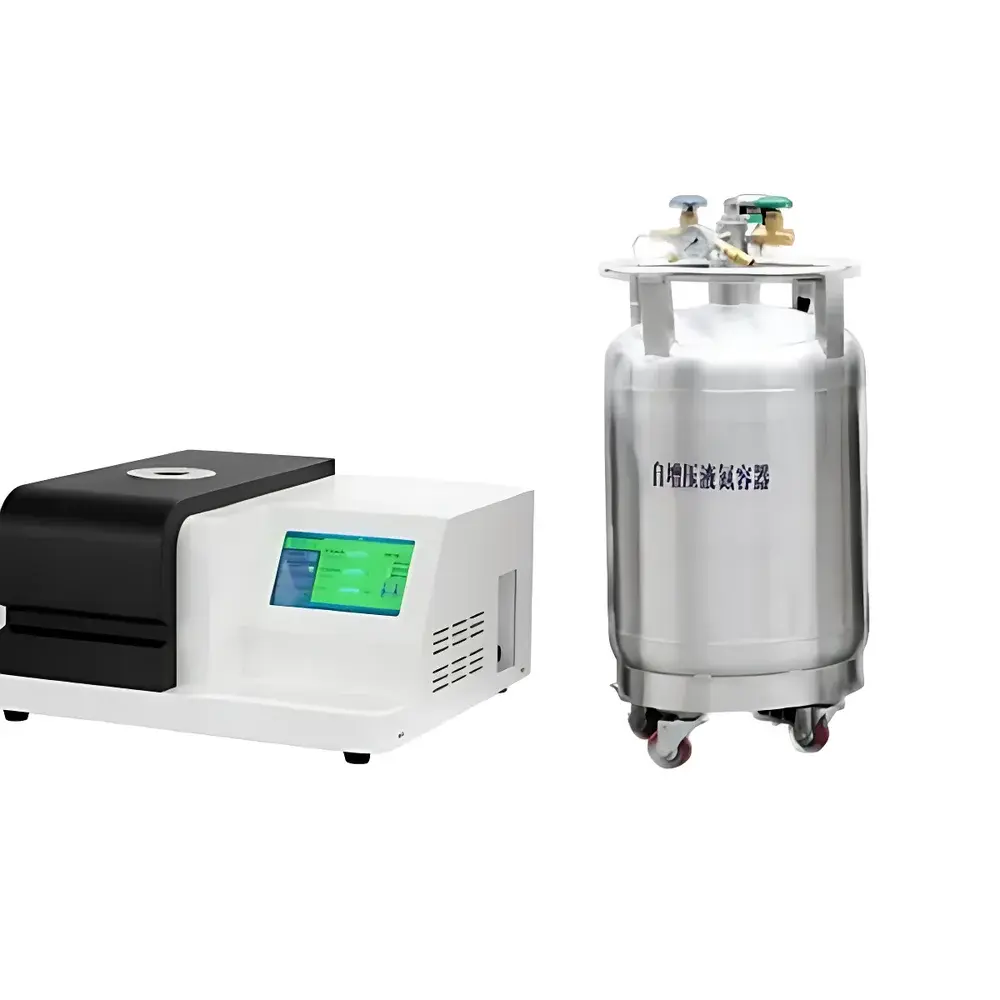
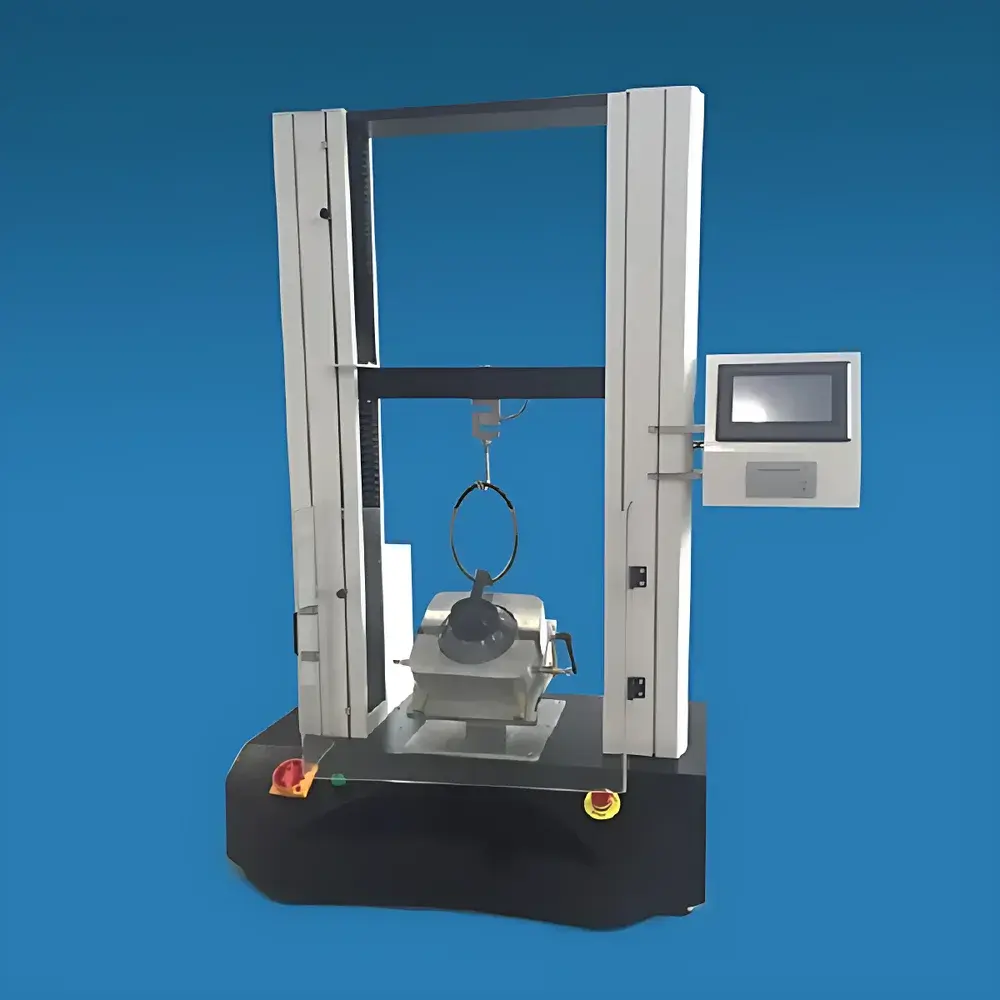
HengaoDe H18482 Dual-Stage Vacuum Sealing Machine for Lithium-Ion Battery Pouch Cells
| Brand | HengaoDe |
|---|---|
| Origin | Beijing, China |
| Manufacturer Type | Authorized Distributor |
| Country of Origin | China |
| Model | H18482 |
| Price | USD 42.50 (FOB) |
| Power Supply | AC 220 V, 50 Hz |
| Rated Power | 0.6 kW |
| Vacuum Range | −95 to 0 kPa (adjustable) |
| Compressed Air Requirement | 0.5–0.8 MPa |
| Max. Seal Length | ~300 mm |
| Seal Head Parallelism Tolerance | ≤0.03 mm |
| Seal Width | 8 mm (customizable) |
| Heat Seal Thickness Capacity | 2–5 mm |
| Heat Seal Duration | 0–99 s (adjustable) |
| Heat Seal Temperature Range | Ambient to 300 °C (adjustable) |
| Temperature Control Accuracy | ±2 °C |
| Dimensions (Control Box) | 574 × 500 × 423 mm (L×W×H) |
| Net Weight | 60 kg |
Overview
The HengaoDe H18482 Dual-Stage Vacuum Sealing Machine is an engineered solution for controlled secondary vacuum sealing of lithium-ion pouch cells following electrolyte injection, aging, and primary sealing. It operates on the principle of thermal compression under dynamic vacuum conditions—enabling simultaneous evacuation and heat-seal formation to eliminate residual air pockets and suppress gas evolution during cell formation. Unlike single-stage sealers, this system integrates a precision needle-puncture function prior to final sealing, allowing targeted venting of excess electrolyte and mitigation of internal pressure buildup. The process ensures structural integrity of the aluminum-plastic laminate while preserving electrode alignment and minimizing delamination risk. Designed for R&D labs and pilot-line battery prototyping, the instrument complies with electrochemical safety protocols for low-volume, high-fidelity cell assembly.
Key Features
- Soft-seal architecture with uniform thermal distribution across the sealing jaw surface, delivering consistent bond strength and minimal thermal stress on sensitive packaging films.
- Integrated stainless-steel puncture needle mechanism with programmable actuation timing—enabling controlled electrolyte expulsion without manual intervention or film perforation errors.
- Chemically resistant sealing components (e.g., PTFE-coated heating elements and corrosion-inhibited chamber surfaces) compatible with LiPF6-based carbonate electrolytes.
- Digital PID temperature control with real-time feedback loop, ensuring thermal stability within ±2 °C across the full 0–300 °C operating range.
- Modular pneumatic system with adjustable pressure regulation (0.5–0.8 MPa), supporting repeatable clamp force application independent of ambient humidity or supply fluctuations.
- Compact footprint and CE-compliant electrical design suitable for Class 10,000 cleanroom environments and ISO 14644-1 compliant lab setups.
Sample Compatibility & Compliance
The H18482 accommodates standard lithium-ion pouch cell formats up to 300 mm in width, including common Al-plastic laminates (e.g., 88/48/25 µm structure) and polymer-coated separators. It supports both dry-room and glove-box-integrated operation when mounted via optional flange adapters. The machine meets mechanical safety requirements per IEC 61000-6-2 (immunity) and IEC 61000-6-4 (emission), and its vacuum performance aligns with ASTM D3359-22 Annex A2 for seal integrity verification. While not certified for production-line GMP use, it satisfies GLP documentation requirements for experimental batch traceability when paired with external data loggers.
Software & Data Management
The unit features embedded firmware with non-volatile parameter storage for up to 20 user-defined sealing profiles—including vacuum ramp rate, dwell time, temperature setpoint, and needle activation delay. All operational logs (cycle count, error codes, timestamped seal parameters) are exportable via USB 2.0 to CSV format for integration into LIMS or electronic lab notebooks. No proprietary software installation is required; configuration is managed through a tactile membrane keypad with backlit LCD interface. Audit trails comply with FDA 21 CFR Part 11 principles when used in conjunction with validated third-party documentation systems.
Applications
- Secondary sealing of NMC, LFP, and solid-state hybrid pouch cells during pre-formation cycling.
- Electrolyte management in high-nickel cathode development where gassing behavior must be quantified under controlled vacuum exposure.
- Process validation studies comparing seal quality (leak rate, peel strength, blister resistance) across varying vacuum hold durations and thermal profiles.
- Failure analysis workflows requiring post-seal cross-sectioning without thermal distortion artifacts.
- Training platforms for battery manufacturing technicians on vacuum-assisted hermetic sealing fundamentals.
FAQ
Does the H18482 support inert-gas backfilling after vacuum sealing?
No—the system is designed exclusively for vacuum-only sealing. Integration with external gas-purge modules requires custom manifold adaptation and is not covered under standard warranty.
Can the needle-puncture depth be calibrated per sample thickness?
Yes—puncture stroke is mechanically adjustable via micrometer collar (range: 0.2–2.0 mm), with position repeatability ±0.05 mm.
Is the sealing jaw temperature uniformity verified per ASTM E220?
Temperature mapping reports are available upon request; typical spatial deviation across 300-mm jaw length is ≤±1.5 °C at 180 °C setpoint.
What maintenance intervals are recommended for vacuum pump oil and O-rings?
Vacuum pump oil replacement every 500 operating hours; silicone O-rings inspected quarterly and replaced annually under normal lab usage.
Are spare parts such as heating elements and puncture needles stocked internationally?
Yes—standard wear components are maintained in regional distribution hubs (USA, Germany, Singapore) with lead times ≤5 business days.






