
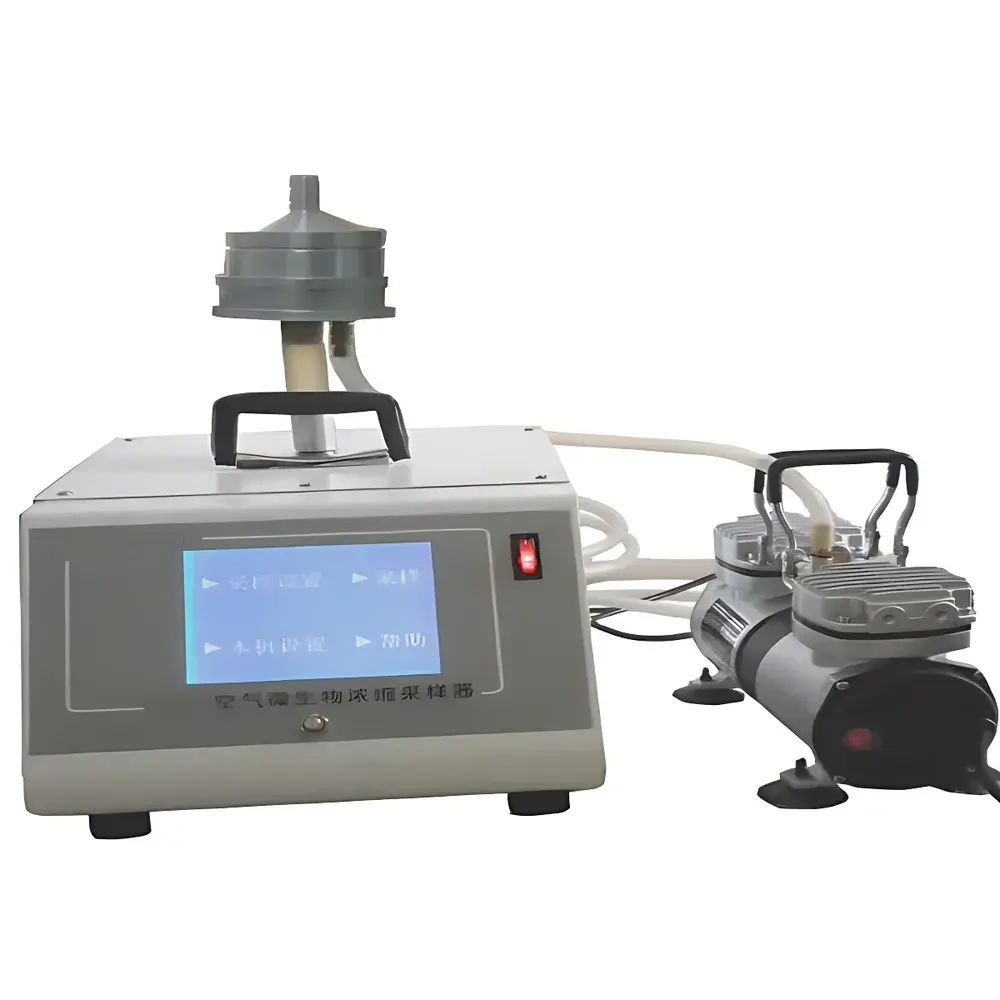
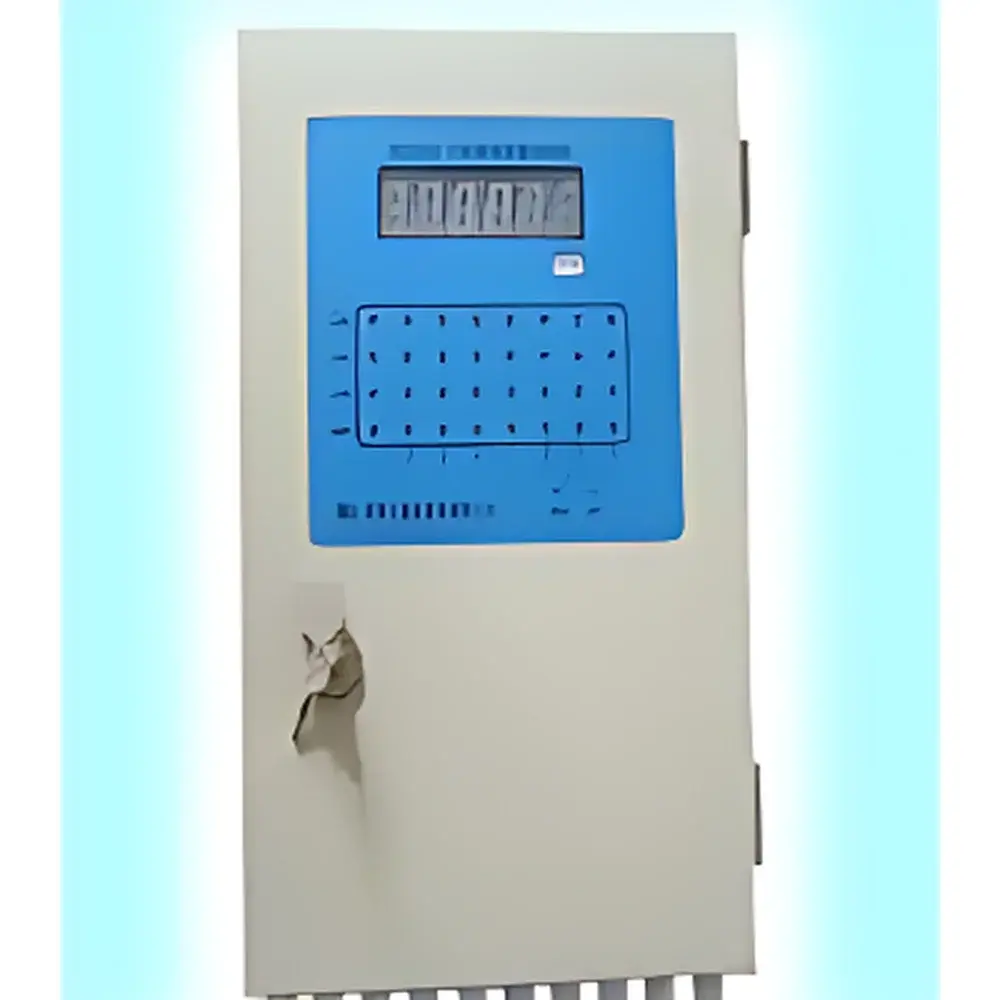
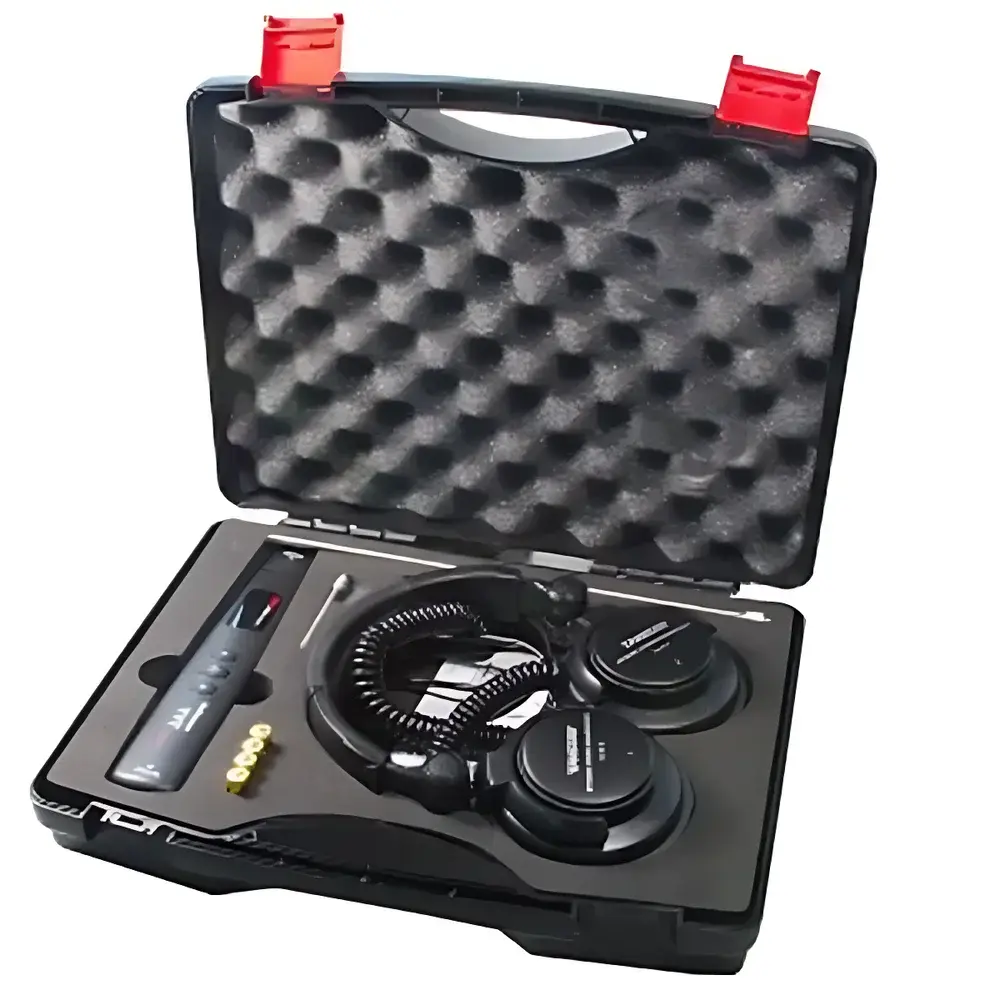
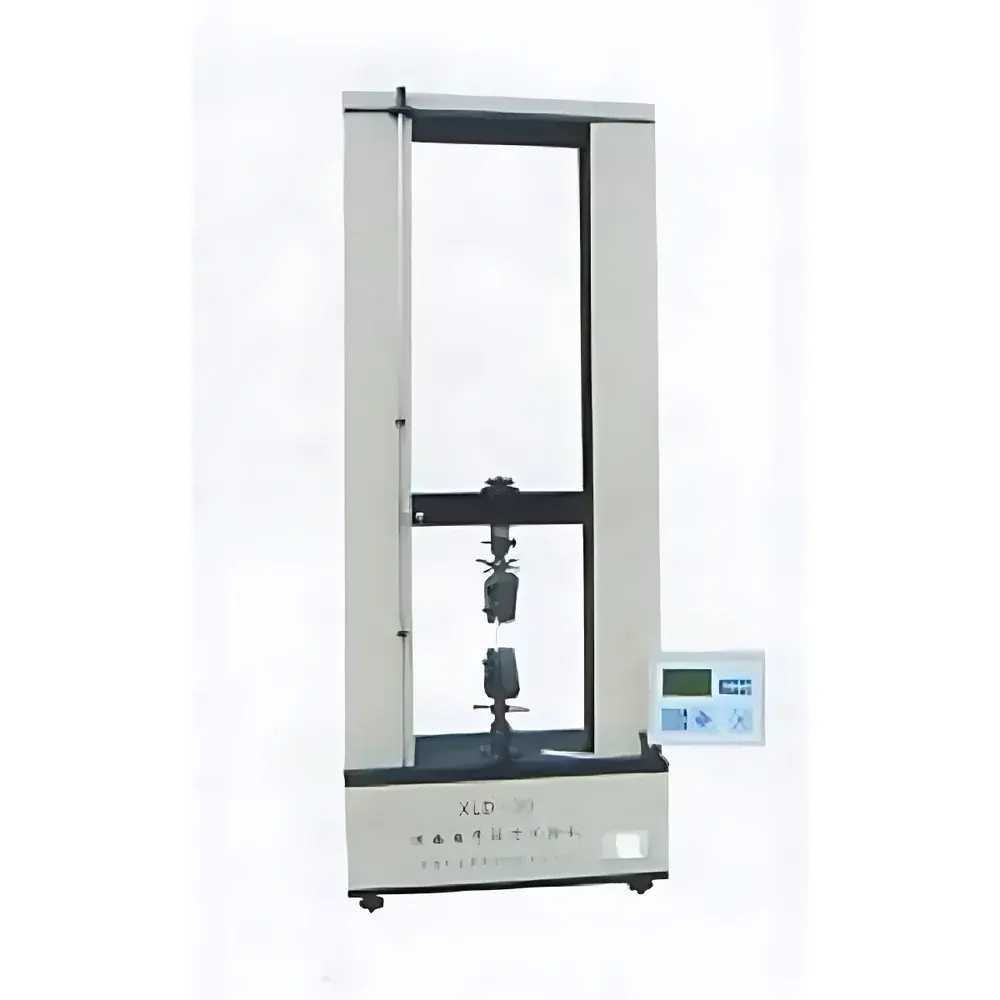
HengaoDe HAD-KW-1 Dual-Channel Air Microbial Concentration Sampler with Real-Time Flow Monitoring
| Brand | HengaoDe |
|---|---|
| Origin | Beijing, China |
| Manufacturer Type | Authorized Distributor |
| Country of Origin | China |
| Model | HAD-KW-1 |
| Price | USD 92 (converted from ¥650 at 1:7.07) |
| Total Flow Range | 110–130 L/min (±5% accuracy) |
| Concentration Flow Range | 7–9 L/min (±5% accuracy) |
| Flow Repeatability | ±2% |
| Concentration Factor | >10× |
| Inlet Load Capacity (with separator) | ≥2 kPa |
| Concentration Path Load Capacity (with bio-sampler) | ≥50 kPa |
| Inlet Interfaces | PM10 cyclone inlet, aerosol concentrator collector port, generic aerosol sampling ports |
| PM10 Cut-Point Compatibility | 1.0–10 µm bioaerosols |
| Timer Range | 1–600 min |
| Height Adjustment | Motorized or manual telescopic mast (max. 2 m) |
| Display | Touchscreen with manual flow calibration and parameter recall |
| Data Retention | Non-volatile memory (retains settings and last-run data after power loss) |
Overview
The HengaoDe HAD-KW-1 Dual-Channel Air Microbial Concentration Sampler is an engineered solution for high-efficiency bioaerosol collection in environmental monitoring, occupational health surveillance, and biosafety laboratory applications. It operates on the principle of inertial impaction coupled with multi-stage flow division—diverting a high-volume total air stream (110–130 L/min) through a PM10-selective cyclone while simultaneously directing a concentrated substream (7–9 L/min) to a downstream biological collection device (e.g., liquid impinger, gelatin filter, or rotating slit sampler). This dual-path architecture achieves a minimum 10-fold concentration factor, significantly enhancing detection sensitivity for low-abundance airborne microorganisms—including bacteria, fungal spores, and viral particles—without compromising viability or introducing thermal or shear-induced artifacts. Designed for field-deployable and fixed-site use, the HAD-KW-1 complies with core methodological frameworks referenced in ISO 14698-1 (Biocontamination control), ASTM D6300 (Air sampling for viable microorganisms), and USP (Microbiological evaluation of cleanrooms), supporting GLP-compliant data generation when integrated with validated collection media and analytical workflows.
Key Features
- True dual-channel operation: Independent real-time monitoring and adjustment of both total inlet flow and concentrated output flow via calibrated mass flow sensors
- Touchscreen interface with manual flow calibration function—enabling on-site verification and traceable adjustment per ISO/IEC 17025 requirements
- Three sampling modes: Time-based (1–600 min), volume-based (programmable target L), and manual trigger—with automatic calculation and display of average flow rate and total sampled volume
- Non-volatile memory retains last-run parameters, cumulative runtime, and calibration offsets—ensuring continuity across power cycles without reconfiguration
- Telescopic sampling mast (adjustable up to 2 m height) with PM10 cyclone pre-separator mounted at inlet—optimized for size-selective enrichment of respirable 1–10 µm bioaerosols
- Robust mechanical design: Stainless steel fluid paths, corrosion-resistant housing, and IP54-rated enclosure suitable for indoor and sheltered outdoor deployment
Sample Compatibility & Compliance
The HAD-KW-1 interfaces seamlessly with standard biological collection devices including AGI-30 impingers, SKC BioSampler® units, gelatin membrane filters (e.g., Millipore HVLP), and NIOSH two-stage bioaerosol samplers. Its ≥50 kPa backpressure tolerance ensures stable performance even when paired with high-resistance media. The PM10 inlet meets ISO 7708 specifications for aerodynamic cut-point fidelity, enabling reproducible sampling of inhalable particulate fractions relevant to occupational exposure limits (OELs) and regulatory monitoring (e.g., OSHA Method PV2122, NIOSH Method 0800). All flow measurements are traceable to NIST-calibrated standards; instrument calibration certificates are provided upon request for audit readiness under FDA 21 CFR Part 11–compliant environments.
Software & Data Management
While the HAD-KW-1 operates as a standalone hardware platform, its embedded firmware supports USB export of CSV-formatted session logs—including timestamp, setpoint flow values, actual measured flows (per channel), elapsed time, and error flags. Data files include metadata headers compliant with MIAME/ISA-tab conventions for integration into LIMS or ELN systems. Optional PC-based configuration software (Windows 10/11 compatible) enables batch parameter upload, firmware updates, and audit trail generation—including user login timestamps and calibration event logging. All stored data entries are write-protected post-acquisition to satisfy ALCOA+ principles (Attributable, Legible, Contemporaneous, Original, Accurate, Complete, Consistent, Enduring, Available).
Applications
- Environmental monitoring of hospital air handling units (AHUs) and isolation rooms per HTM 03-01 and ASHRAE 170 guidelines
- Validation of cleanroom microbial recovery efficiency during ISO 14644-1 classification campaigns
- Field assessment of bioaerosol dispersion near wastewater treatment plants, composting facilities, or livestock operations
- Research-grade collection for downstream qPCR, culture-based enumeration, or metagenomic sequencing of airborne microbiomes
- Occupational hygiene surveys in pharmaceutical manufacturing, biotech labs, and vaccine production suites
FAQ
Does the HAD-KW-1 support remote data logging or network connectivity?
No—the device lacks Ethernet/Wi-Fi modules. Data export is performed via USB flash drive in CSV format only.
Can the PM10 cyclone be replaced with other size-selective inlets?
Yes—standardized 3/4″ NPT and ISO 5167-compliant flange interfaces allow substitution with PM2.5 impactors or virtual impactors for fine-mode fractionation.
Is flow calibration required before each use?
Not mandatory, but recommended before critical sampling campaigns. Manual calibration using a primary standard (e.g., dry gas meter or bubble flowmeter) is supported via touchscreen menu.
What maintenance intervals are specified for long-term reliability?
Flow sensors require annual recalibration; cyclone nozzles should be inspected and cleaned after every 200 hours of cumulative operation to prevent particle buildup.
Does the unit comply with FDA 21 CFR Part 11 for electronic records?
The HAD-KW-1 itself is not Part 11–validated, but its immutable, timestamped CSV outputs may be incorporated into a validated LIMS environment meeting Part 11 requirements.




