
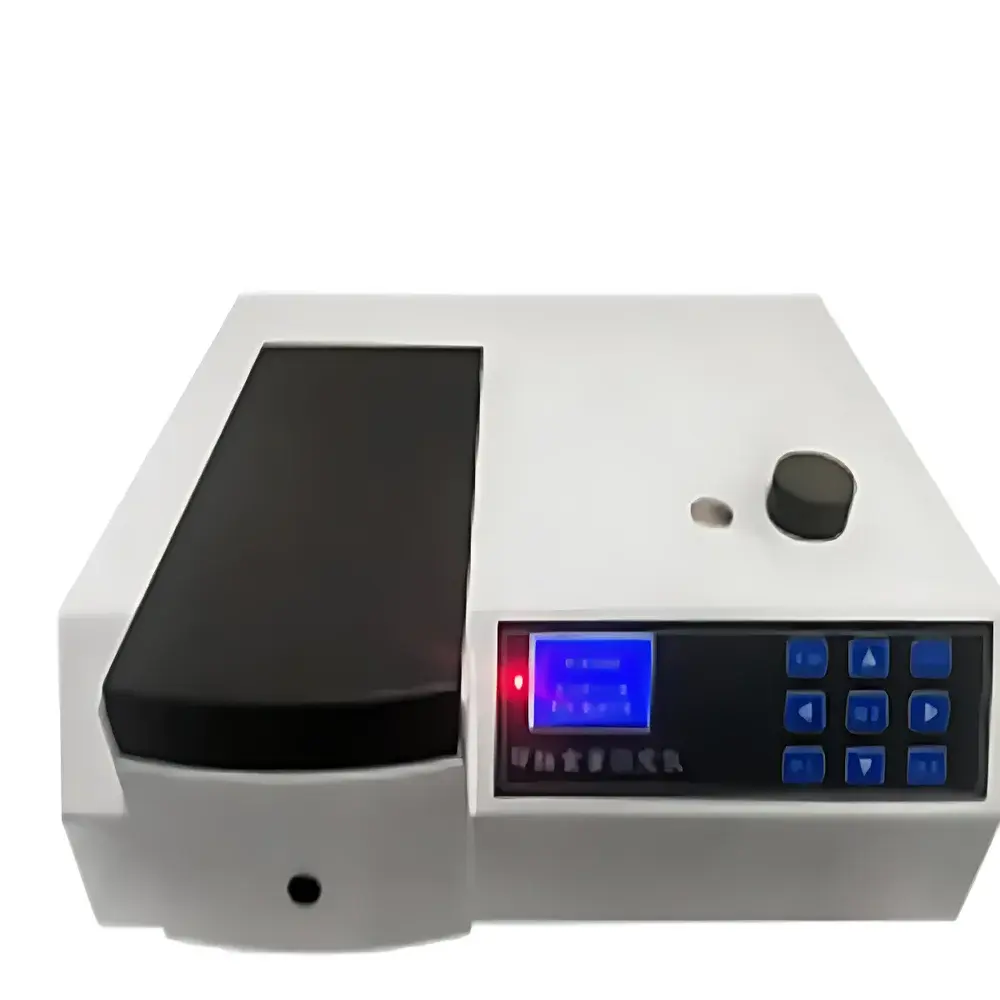
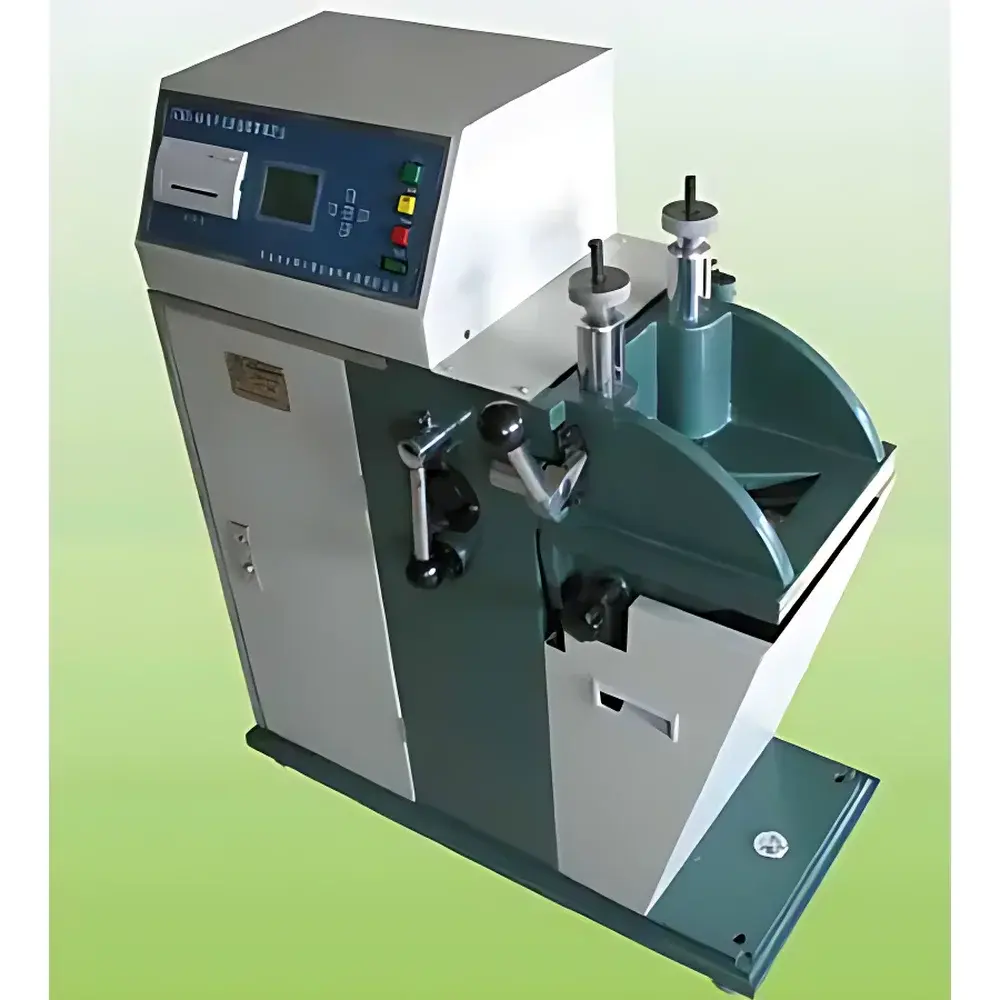
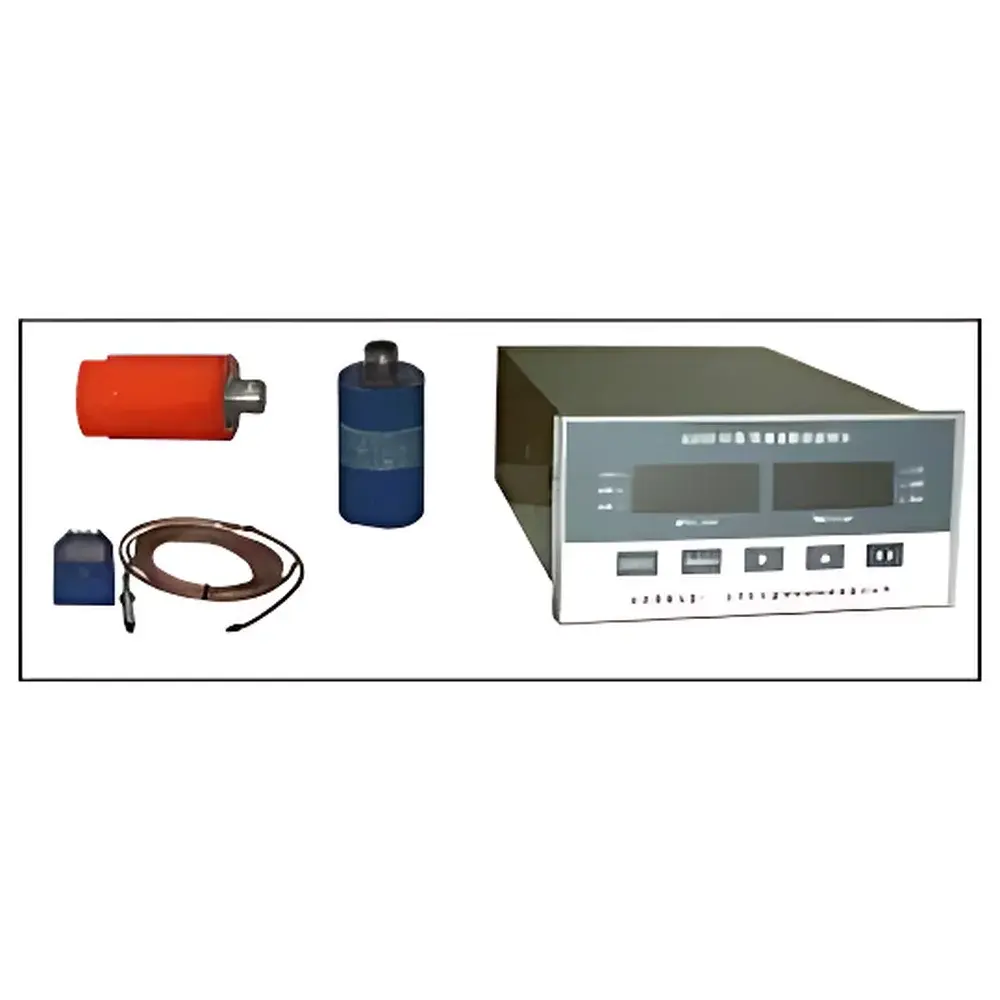
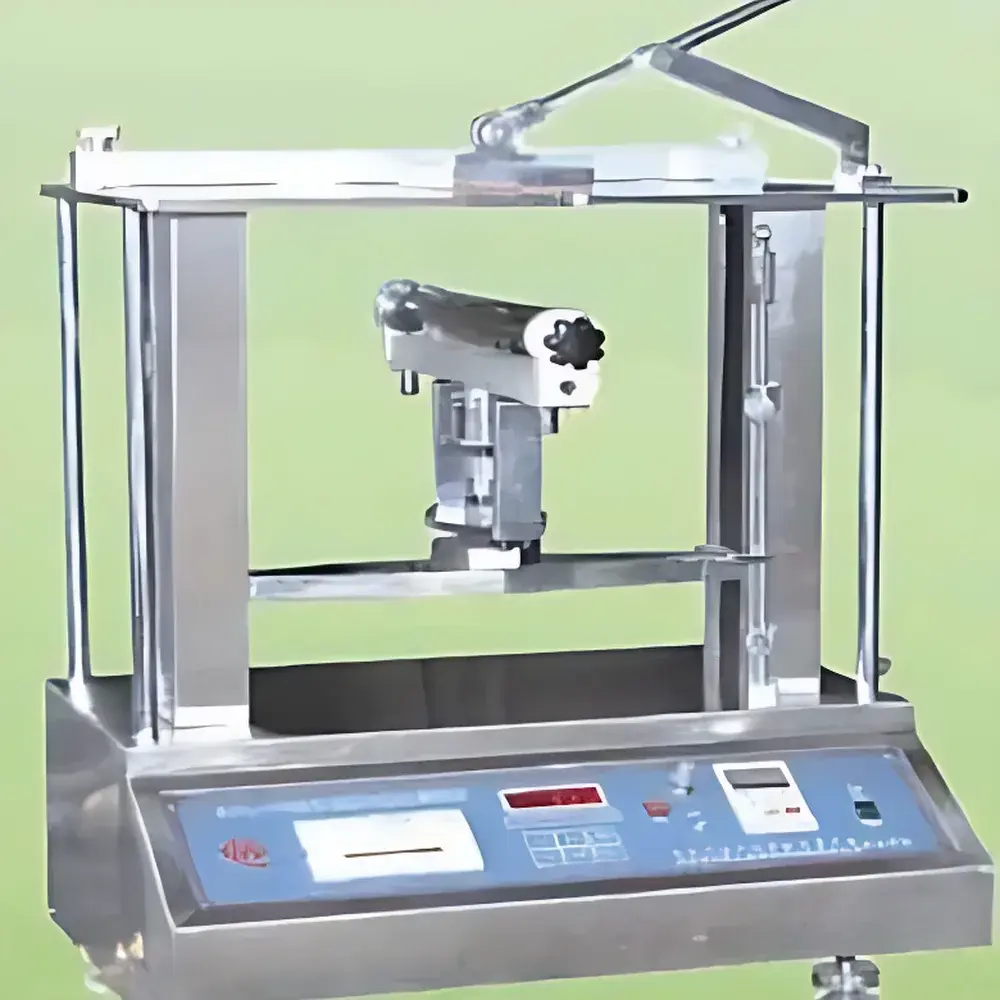
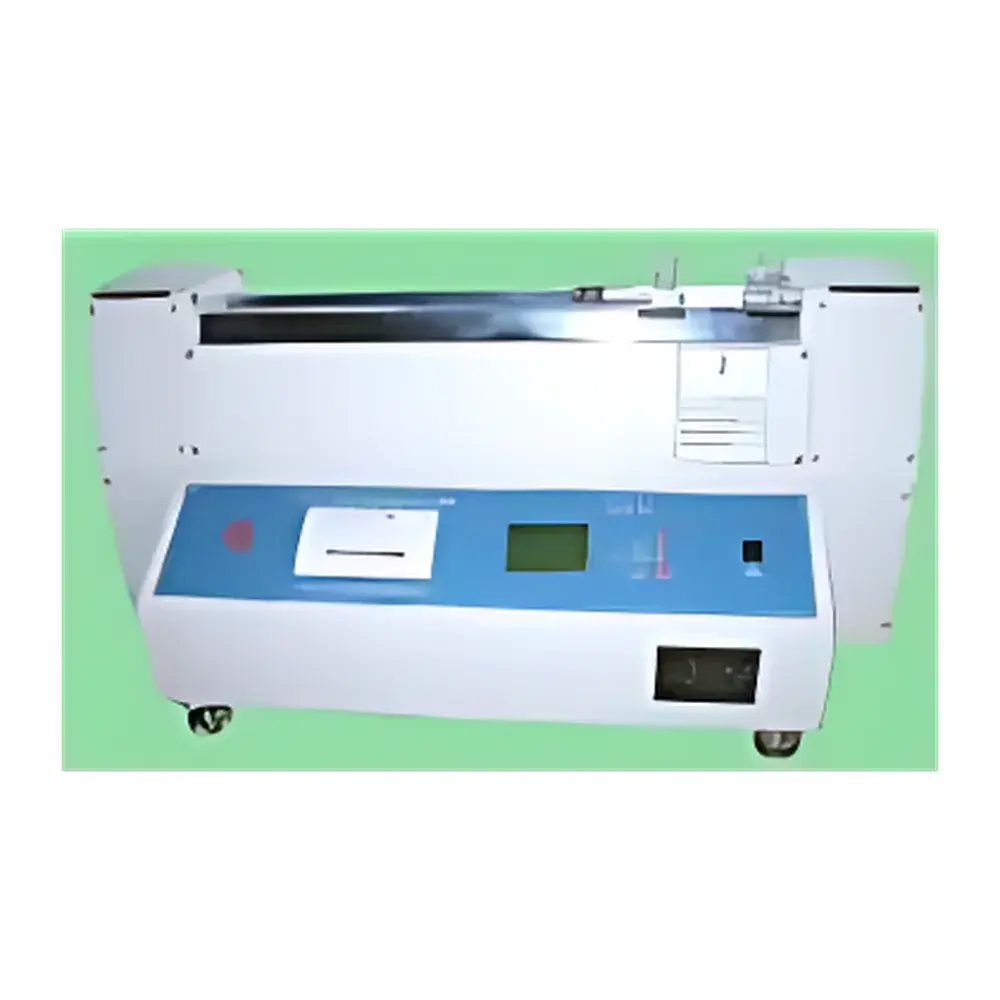
HengaoDe T2912 Textile Formaldehyde Analyzer (Model H18317)
| Brand | HengaoDe |
|---|---|
| Origin | Beijing, China |
| Manufacturer Type | Authorized Distributor |
| Country of Origin | China |
| Model | T2912 (H18317) |
| Price | USD 135 (converted from ¥980 at 7.26 exchange rate) |
| Power Supply | 220 V ±10 V, 50 Hz |
| Operating Temperature | 5–40 °C |
| Dimensions (L×W×H) | 400 × 300 × 250 mm |
| Weight | 20 kg |
| Measurement Range | 0.00–500.00 mg/kg (up to 10,000 mg/kg with 20× dilution) |
| Accuracy | ≤2% |
| Optical System | Self-collimating optical path, 1200 lines/mm diffraction grating monochromator |
| Light Source | Imported long-life tungsten-halogen lamp |
| Wavelength Range | 325–1000 nm |
| Spectral Bandwidth | 5 nm |
| Wavelength Accuracy | ±2 nm |
| Wavelength Repeatability | 1 nm |
| Measurement Method | Acetylacetone colorimetric method per GB/T 2912.1–1998 and GB 18401–2001 |
Overview
The HengaoDe T2912 Textile Formaldehyde Analyzer (Model H18317) is a dedicated benchtop spectrophotometric instrument engineered for the quantitative determination of free and hydrolyzable formaldehyde in textile materials—primarily apparel, home textiles, and nonwovens—according to internationally harmonized regulatory protocols. It operates on the principle of aqueous extraction followed by derivatization: textile specimens are precisely weighed and incubated in distilled water at 40 °C under controlled time and agitation conditions to liberate bound formaldehyde. The resulting extract undergoes reaction with acetylacetone in an ammonium acetate–acetic acid buffer system, forming a stable yellow chromophore (3,5-diacetyl-1,4-dihydrolutidine) with maximum absorbance near 412 nm. Quantification is achieved via Beer–Lambert law-based calibration using standard formaldehyde solutions, with absorbance measured by a precision single-beam spectrophotometer. This methodology aligns directly with ISO 105-F01, GB/T 2912.1–1998, and GB 18401–2001, ensuring regulatory traceability for Class A (infant), Class B (direct skin contact), and Class C (non-direct contact) textile categories.
Key Features
- Four-position automated sample testing station enabling concurrent analysis of up to three textile specimens plus one blank—reducing inter-run variability and improving throughput consistency.
- Integrated dual-control architecture: standalone operation via built-in LCD interface or PC-based remote control with real-time spectral data acquisition and automatic report generation.
- Optical subsystem featuring a self-collimating light path and high-resolution 1200 lines/mm diffraction grating monochromator ensures stable wavelength selection and minimal stray light (<0.3% at 360 nm).
- Pre-programmed compliance workflows include automatic 100%T and 0%T calibration routines, wavelength scanning (absorption spectra), fixed-wavelength absorbance/percent transmittance measurement, and direct concentration readout in mg/kg.
- Robust mechanical design with thermal-stabilized cuvette holder and vibration-damped base minimizes drift during extended assay sequences typical in QC laboratories.
Sample Compatibility & Compliance
The T2912 accommodates standard textile specimen formats defined in GB/T 2912.1: woven, knitted, and nonwoven fabrics cut to 10 g ±0.1 g (or 2.5 g for high-sensitivity screening), with optional support for fiber blends and coated substrates when validated per method extension guidelines. All hardware and software components comply with GLP documentation requirements—including electronic audit trail capability for calibration events, user logins, and result exports—when operated in conjunction with compliant laboratory information management systems (LIMS). The instrument satisfies essential performance criteria outlined in CNAS-CL01:2018 (equivalent to ISO/IEC 17025) for textile chemical testing laboratories, and its measurement uncertainty budget has been verified against NIM-traceable formaldehyde reference standards.
Software & Data Management
The embedded firmware supports CSV export of raw absorbance values, calibration curves, and final concentration reports—with timestamped metadata (operator ID, date/time, sample ID, dilution factor). When connected to Windows-based PCs, the optional HengaoDe Analytical Suite v3.2 enables advanced functions including multi-point calibration curve fitting (linear, quadratic), limit-of-detection (LOD) calculation per ICH Q2(R2), batch report consolidation, and PDF certificate generation with digital signature fields. All data handling adheres to ALCOA+ principles (Attributable, Legible, Contemporaneous, Original, Accurate, Complete, Consistent, Enduring, Available), and the system architecture permits integration with enterprise-level QA/QC platforms via RS-232 or USB virtual COM port protocols.
Applications
This analyzer is routinely deployed in textile manufacturing QC labs, third-party testing facilities (e.g., SGS, Bureau Veritas, Intertek), and brand compliance departments for pre-shipment verification of formaldehyde content across diverse product lines—including babywear, underwear, hospital linens, and upholstery fabrics. Its validated performance supports decision-making for supplier qualification, material substitution studies, and root-cause analysis of formaldehyde excursions during dyeing or resin finishing processes. In research settings, it serves as a reference platform for evaluating formaldehyde scavenger efficacy and developing low-formaldehyde finishing chemistries aligned with OEKO-TEX® Standard 100 and ZDHC MRSL v3.0 requirements.
FAQ
What extraction temperature and duration does the T2912 protocol specify?
The standard method requires incubation at 40 °C for 60 minutes in sealed extraction vessels—consistent with GB/T 2912.1–1998 and ISO 105-F01 Annex A.
Can the instrument be used for leather or footwear materials?
While not validated per ISO 17226-1 for leather, the T2912 may be applied to leathers and footwear components following method adaptation and full in-house validation per ISO/IEC 17025 Clause 7.2.2.
Is the acetylacetone reagent supplied with the instrument?
No—the T2912 is supplied as a complete analyzer without consumables; acetylacetone solution, ammonium acetate buffer, and formaldehyde standards must be procured separately per GB/T 2912.1 Annex B specifications.
Does the system support 21 CFR Part 11 compliance?
The standalone unit does not include electronic signature or role-based access control; however, when paired with validated LIMS or ELN software meeting Part 11 requirements, full compliance is achievable through documented system configuration and procedural controls.
What maintenance intervals are recommended for optical calibration?
Daily 100%T/0%T verification is required; full wavelength and photometric accuracy verification using NIST-traceable filters should be performed quarterly or after any impact event, with records retained for audit purposes.






