
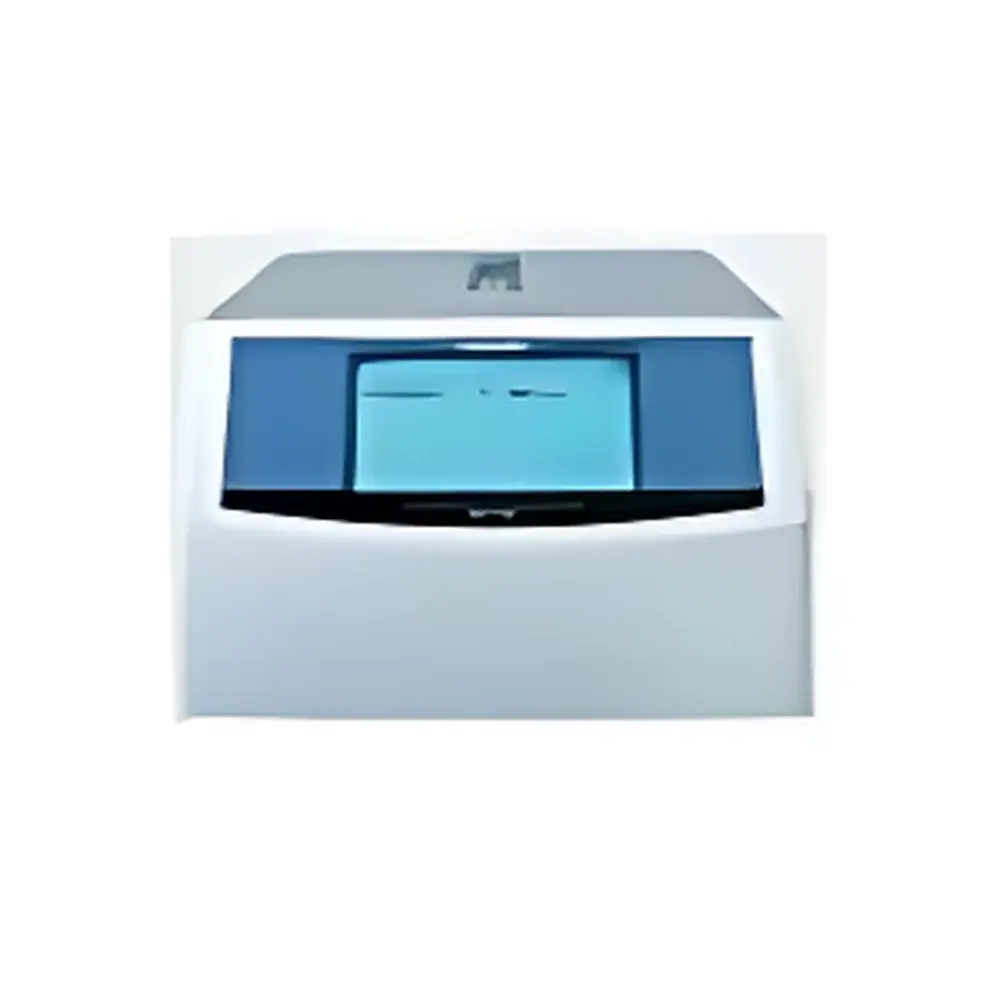
HORIBA FV-250 Portable TVOC Analyzer
| Brand | HORIBA |
|---|---|
| Origin | Japan |
| Model | FV-250 |
| Instrument Type | Portable |
| Detection Principle | Flame Ionization Detection (FID) |
| Measurement Range | 0–10 / 20 / 50 / 100 / 200 / 500 / 1,000 / 2,000 / 5,000 / 10,000 ppmC |
| Resolution | ±1.0% FS |
| Accuracy | ±1.0% FS |
| Response Time (T90) | < 2.0 s |
| Drift | ±1.0% FS / 8 h |
| Linearity | ±1.0% FS |
| Sampling Flow Rate | ~600 mL/min |
| Warm-up Time | ~1 h |
| Operating Temperature | 5–35 °C |
| Operating Humidity | < 85% RH |
| Power Supply | AC 100 V, 50/60 Hz |
| Power Consumption | 50 VA |
| Dimensions | 260(W) × 260(H) × 510(D) mm |
| Output Signals | DC 0–1 V, RS-232C |
| Data Storage | CompactFlash (CF) card |
| Safety Features | Automatic H₂ shutoff and alarm upon flame-out |
Overview
The HORIBA FV-250 Portable TVOC Analyzer is a field-deployable, high-performance volatile organic compounds (VOC) detection system engineered for real-time, quantitative measurement of total hydrocarbon concentration expressed as ppmC (parts per million carbon). Built upon the well-established flame ionization detection (FID) principle, the instrument delivers exceptional linearity, stability, and sensitivity across an exceptionally wide dynamic range—from trace-level (0–10 ppmC) to high-concentration environments (up to 10,000 ppmC). Unlike photoionization detectors (PID) or metal oxide semiconductor (MOS) sensors, FID provides near-universal response to virtually all organic compounds containing C–H bonds, with minimal dependence on molecular structure—making it the reference method for regulatory-grade TVOC monitoring in industrial hygiene, indoor air quality (IAQ), environmental site assessment, and emission compliance verification.
Key Features
- True FID-based detection with <2.0 s T90 response time—enabling rapid spatial profiling and transient event capture during leak surveys or process monitoring.
- Auto-ranging capability: dynamically selects optimal measurement span based on real-time signal amplitude, eliminating manual range switching and minimizing saturation risk.
- Integrated automatic zero calibration function using internal reference gas or ambient air—reducing operator dependency and enhancing long-term measurement consistency.
- High-resolution 7-inch capacitive touchscreen interface with intuitive menu navigation, real-time trend graphing, and on-device data review—designed for glove-compatible operation in industrial settings.
- Robust safety architecture: continuous flame monitoring with immediate hydrogen supply cutoff and audible/visual alarm upon flame extinction—fully compliant with IEC 60079-0 and UL 1203 hazardous area design principles.
- Low-power FID design consuming only 50 VA—enabling extended battery-backed operation when paired with external portable power supplies (not included).
Sample Compatibility & Compliance
The FV-250 is optimized for direct analysis of ambient air, stack effluents, soil vapor, and headspace samples without pre-concentration. Its FID detector responds quantitatively to aliphatic, aromatic, and oxygenated VOCs—including benzene, toluene, xylene (BTX), ethanol, acetone, and formaldehyde (when present above its detection threshold)—with uniform sensitivity per carbon atom. The instrument meets key performance criteria referenced in ASTM D6348–22 (Standard Test Method for Determination of Gaseous Compounds by Gas Chromatography), EPA Method 25A (for total gaseous organic concentration), and ISO 16000-22 (Indoor air — Part 22: Determination of VOC emissions from building products using small test chambers). While not intrinsically rated for Class I Division 1 zones, its operational safety features support use in classified areas under controlled supervision per OSHA 1910.120 and EU ATEX guidelines.
Software & Data Management
Data acquisition and visualization are supported via the proprietary HORIBA FV-Series PC software, which enables real-time waveform display, time-stamped concentration logging, and customizable report generation (PDF/CSV). All measurements include embedded metadata: date/time stamp, selected range, ambient temperature/humidity (via optional sensor module), and instrument status flags (e.g., flame-on, auto-zero active). CF card storage supports up to 32 GB capacity, retaining >1 million timestamped readings with full audit trail integrity. RS-232C serial interface ensures compatibility with legacy SCADA systems and third-party data loggers. For regulated environments, optional firmware upgrade supports 21 CFR Part 11-compliant electronic signatures, user access levels, and immutable audit logs—facilitating GLP/GMP-aligned field deployments.
Applications
- Industrial hygiene assessments: personal exposure monitoring and area surveys in petrochemical plants, paint booths, printing facilities, and semiconductor cleanrooms.
- Indoor air quality diagnostics: post-remediation verification, HVAC commissioning, and source identification in office buildings, schools, and healthcare facilities.
- Environmental site investigations: soil vapor intrusion screening, landfill perimeter monitoring, and brownfield characterization per ASTM E2600.
- Process control and leak detection: real-time feedback during solvent recovery operations, reactor vent monitoring, and fugitive emission surveys per EPA OOOOa requirements.
- Regulatory compliance reporting: supporting Tier II chemical inventory submissions, TRI reporting, and local air district permit conditions requiring FID-traceable TVOC data.
FAQ
What gases does the FV-250 detect?
The FV-250 detects total volatile organic compounds (TVOC) via flame ionization, responding to nearly all carbon-hydrogen–containing molecules—including alkanes, alkenes, aromatics, ketones, esters, and alcohols—with sensitivity proportional to carbon content.
Does it require external calibration gas?
While factory-calibrated with propane-in-nitrogen standards, periodic verification using certified calibration gases (e.g., 100 ppmC propane) is recommended every 30 days for critical applications; auto-zero functionality reduces frequency of span checks.
Can it operate continuously for 24 hours?
Yes—the FV-250 supports unattended operation with stable baseline performance over 8+ hour shifts; warm-up stabilization (~1 h) is required prior to quantitative use.
Is the instrument suitable for outdoor use in rain or dust?
It carries an IP20 enclosure rating—intended for indoor or sheltered outdoor deployment; optional weatherproof transport case (HORIBA P/N FV-CASE-WP) provides supplementary protection for field transit.
How is data traceability ensured for audit purposes?
All stored data includes immutable timestamps, operator ID (if logged), instrument serial number, firmware version, and calibration history—meeting minimum ALCOA+ (Attributable, Legible, Contemporaneous, Original, Accurate, Complete, Consistent, Enduring, Available) data integrity requirements.







