
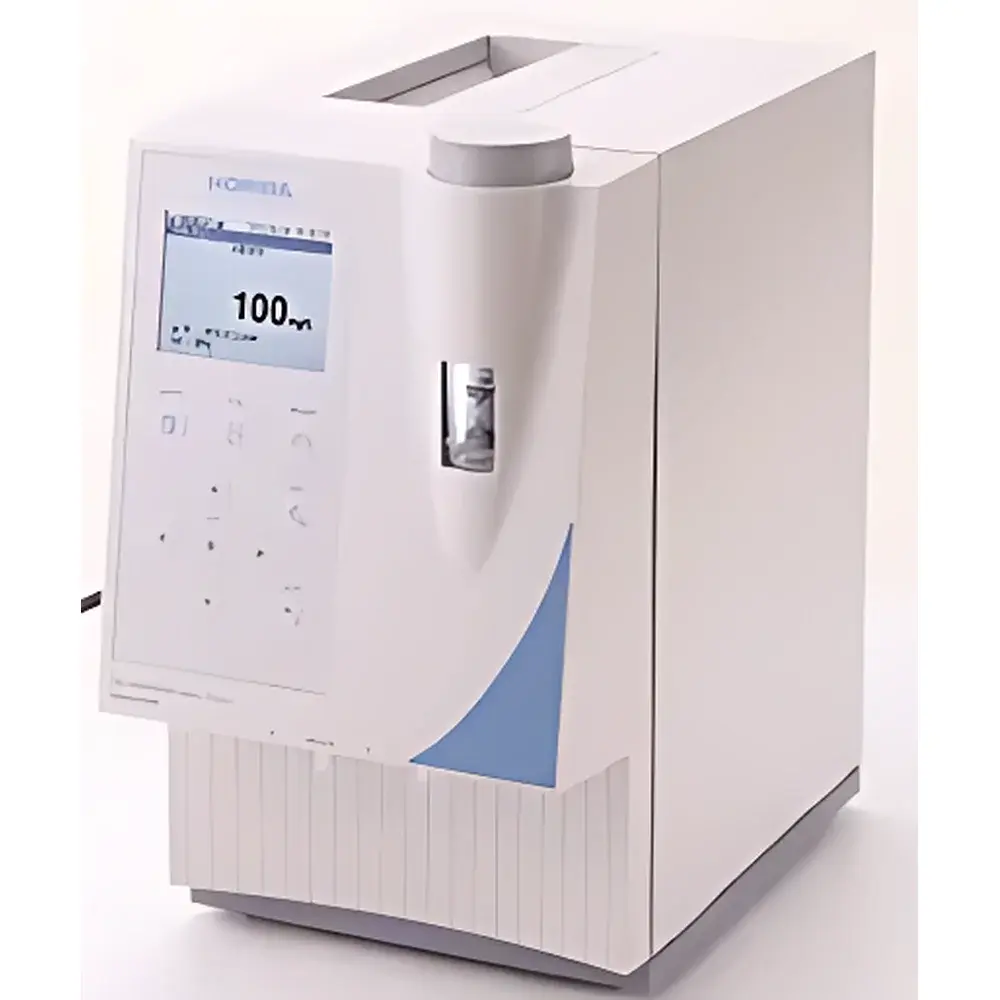
HORIBA OCMA-500 Infrared Oil Content Analyzer
| Brand | HORIBA |
|---|---|
| Origin | Japan |
| Model | OCMA-500 |
| Instrument Type | Laboratory Benchtop Analyzer |
| Measurement Principle | Non-Dispersive Infrared (NDIR) Spectrophotometry |
| Measurement Range | 0–200 mg/L |
| Detection Limit | < 0.1 mg/L (as defined per ASTM D7066 and ISO 9377-2) |
| Accuracy | ±1 mg/L (at 10–100 mg/L range) |
| Resolution | 0.01 mg/L (0–99.9 mg/L) |
| Measurement Frequency | One analysis per 60 seconds (typical cycle time including extraction, separation, and quantification) |
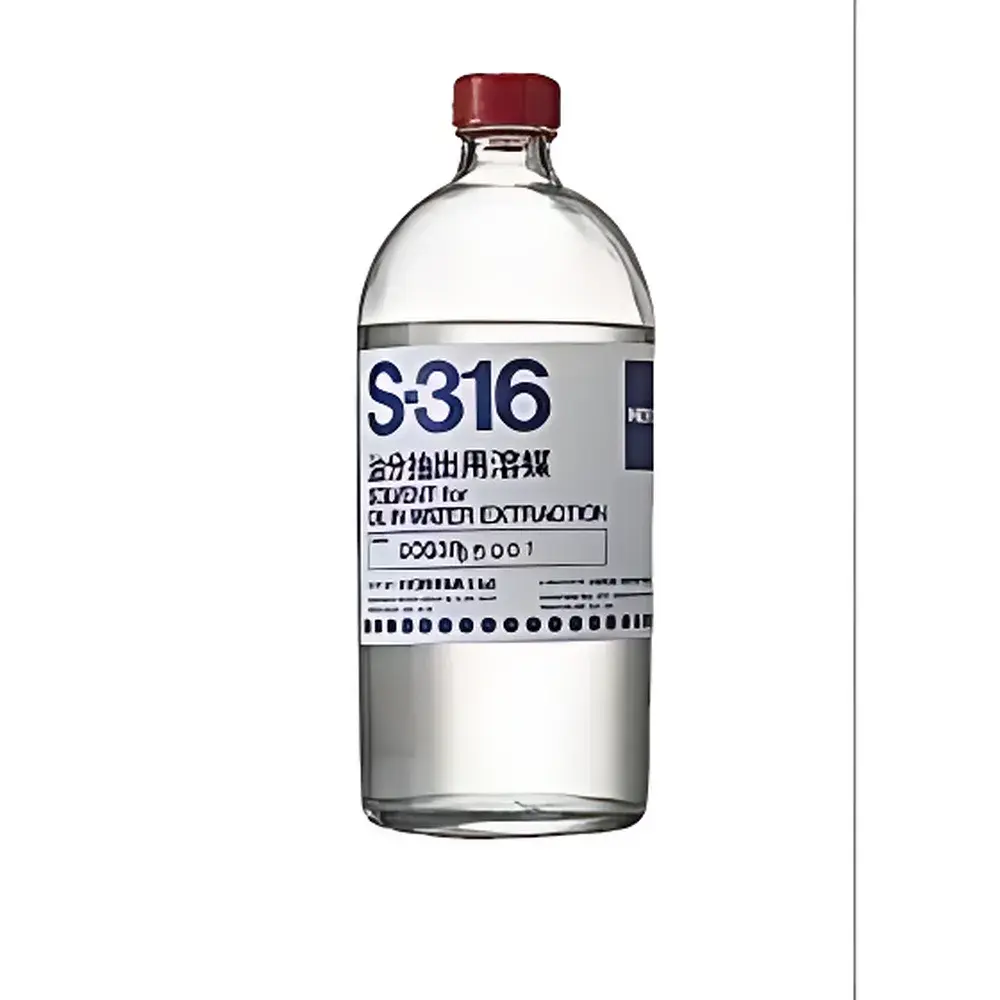
| Solvent | S-316 (1,1,2-trichloro-1,2,2-trifluoroethane) |
| Sample-to-Solvent Ratio | 2:1 (v/v) |
| Data Storage Capacity | 300 measurement records with timestamp, operator ID, and calibration history |
| Compliance | Designed to meet EPA Method 1664A, ISO 9377-2, JIS K 0102, and supports GLP/GMP audit trails when paired with optional PC software |
Overview
The HORIBA OCMA-500 is a fully automated, benchtop infrared oil content analyzer engineered for precise, reproducible quantification of hydrocarbon-based oils—including aliphatic, aromatic, and chlorinated compounds—in aqueous matrices. It operates on the principle of non-dispersive infrared (NDIR) absorption spectroscopy at the characteristic C–H stretching band near 2940 cm⁻¹, enabling selective detection without interference from water vapor or common inorganic ions. Unlike traditional gravimetric or UV-based methods, the OCMA-500 eliminates solvent evaporation steps, preserving volatile fractions such as gasoline-range organics (e.g., benzene, toluene, xylene), light diesel components, and low-boiling petroleum distillates. Its integrated liquid–liquid extraction system uses S-316 as a non-flammable, ozone-safe alternative to n-hexane—reducing solvent consumption by ≥20% versus prior-generation instruments while maintaining full compliance with international regulatory frameworks.
Key Features
- Fully automated single-button operation: Initiate extraction, phase separation, infrared measurement, and waste discharge with one press—no manual valve actuation or timing intervention required.
- Patented backlit extraction chamber: Integrated LED illumination enables real-time visual verification of emulsion formation, phase separation kinetics, and solvent clarity—critical for method validation and troubleshooting.
- 3.5-inch color LCD touchscreen with adjustable backlight: Supports multilingual UI (English, Japanese, Chinese), intuitive menu navigation, and on-screen calibration prompts with graphical feedback.
- High-fidelity thermal detector: Thermopile-based NDIR sensor ensures long-term stability, minimal drift (<0.5% FS/month), and immunity to lamp aging effects common in broadband IR sources.
- Flexible unit conversion: Output results in mg/L, mg/kg, mg/g, or mg/pc—configurable per sample type and reporting requirement without recalibration.
- Embedded diagnostics: Self-checks for optical path contamination, solvent level, pump integrity, temperature stability, and detector response prior to each analysis.
- USB host interface: Direct data export to FAT32-formatted USB drives; compatible with HORIBA’s optional OCMA-Link PC software for CSV/Excel export, trend charting, and 21 CFR Part 11-compliant electronic signatures.
Sample Compatibility & Compliance
The OCMA-500 is validated for use across three primary application domains: wastewater effluent (industrial discharge, municipal treatment plant outfalls, bilge water), environmental monitoring (groundwater, surface water, soil leachates), and industrial process control (metal cleaning baths, semiconductor rinse tanks, electroplating solutions). It accommodates samples with suspended solids ≤50 mg/L (pre-filtered via included 40-mm hydrophobic PTFE membrane filters) and salinity up to 3.5% w/w (seawater-equivalent). All measurements adhere to ISO 9377-2:2000 (Water quality — Determination of hydrocarbon oil index — Part 2: Infrared spectrometric method), ASTM D7066-18 (Standard Test Method for Oil and Grease in Water by Infrared Spectrophotometry), and JIS K 0102:2019 (Testing methods for industrial wastewater). When used with documented SOPs and periodic verification using certified reference materials (CRM), the system satisfies GLP and GMP data integrity requirements.
Software & Data Management
Internal firmware stores up to 300 analyses with full metadata: date/time stamp, operator ID (user-defined), calibration status, solvent batch ID, and raw absorbance values. USB export generates timestamped .CSV files containing all parameters plus QC flags (e.g., “low signal-to-noise”, “incomplete phase separation”). Optional OCMA-Link software provides advanced functionality: automated report generation (PDF/HTML), statistical process control (SPC) charts, multi-instrument fleet management, and secure user-role assignment (administrator, analyst, reviewer). Audit trail logs record all configuration changes, calibration events, and data deletions—fully compliant with FDA 21 CFR Part 11 Annex 11 and EU GMP Annex 11 requirements for electronic records.
Applications
- Regulatory compliance testing: Effluent monitoring per national discharge permits (e.g., U.S. NPDES, EU WFD, China GB 8978-1996).
- Emergency response: Rapid on-site assessment of oil spills in marine environments, tank farm runoff, or pipeline leak scenarios.
- Process optimization: Quantifying residual hydrocarbons in parts-washing fluids to extend bath life and reduce hazardous waste generation.
- Soil leachate analysis: Supporting site remediation verification under ASTM D5389 or ISO 11269-2 protocols.
- Method validation studies: Serving as a reference instrument for cross-laboratory comparison of TOG/TPH methodologies.
FAQ
Does the OCMA-500 require daily calibration?
No—zero-point and span calibration are performed only after solvent replacement, instrument relocation, or when QC checks exceed established control limits. A built-in reference standard allows quick verification without external standards.
Can it analyze emulsified or surfactant-stabilized oil-in-water samples?
Yes, provided pre-filtration removes particulates >5 µm. The OCMA-500’s vigorous mechanical agitation and optimized S-316 partitioning efficiently break weak emulsions; however, strongly stabilized microemulsions may require acidification or centrifugation per ISO 9377-2 Annex B.
Is S-316 compatible with existing laboratory solvent disposal systems?
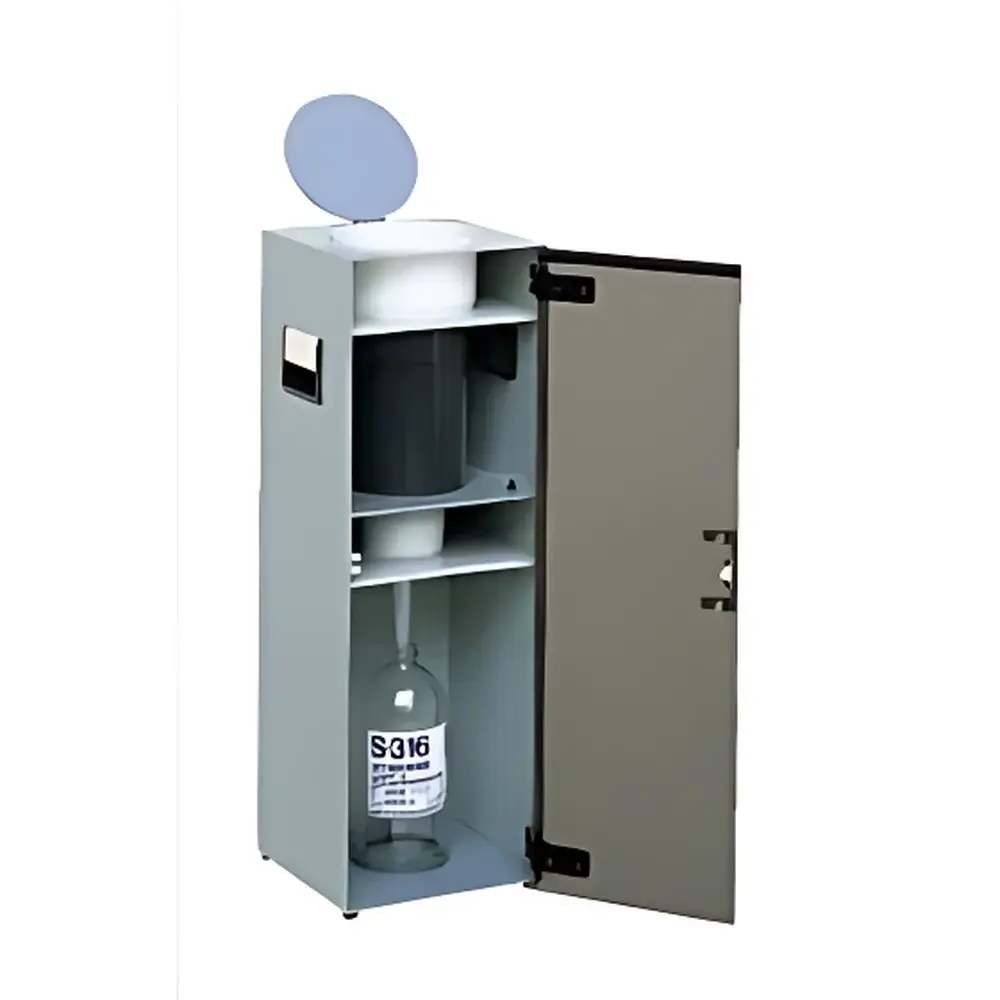
S-316 is classified as a Class II ozone-depleting substance under the Montreal Protocol but is exempted for analytical use in many jurisdictions. Laboratories must verify local regulatory acceptance and ensure compatibility with activated carbon-based solvent recovery units such as the optional SR-305 Solvent Regenerator.
What maintenance intervals are recommended?
Daily: Visual inspection of extraction chamber optics and waste line integrity. Quarterly: Replacement of S-316 solvent, filter cartridges, and pump tubing. Annually: Full optical alignment verification and thermopile sensitivity check by authorized HORIBA service personnel.
How does the OCMA-500 handle high-turbidity samples?
Turbidity-induced scattering is minimized by dual-wavelength compensation (2940 cm⁻¹ and 3400 cm⁻¹ reference band). Samples exceeding 100 NTU should be pre-centrifuged or filtered using the supplied 40-mm hydrophobic membrane to prevent optical path obstruction.







