
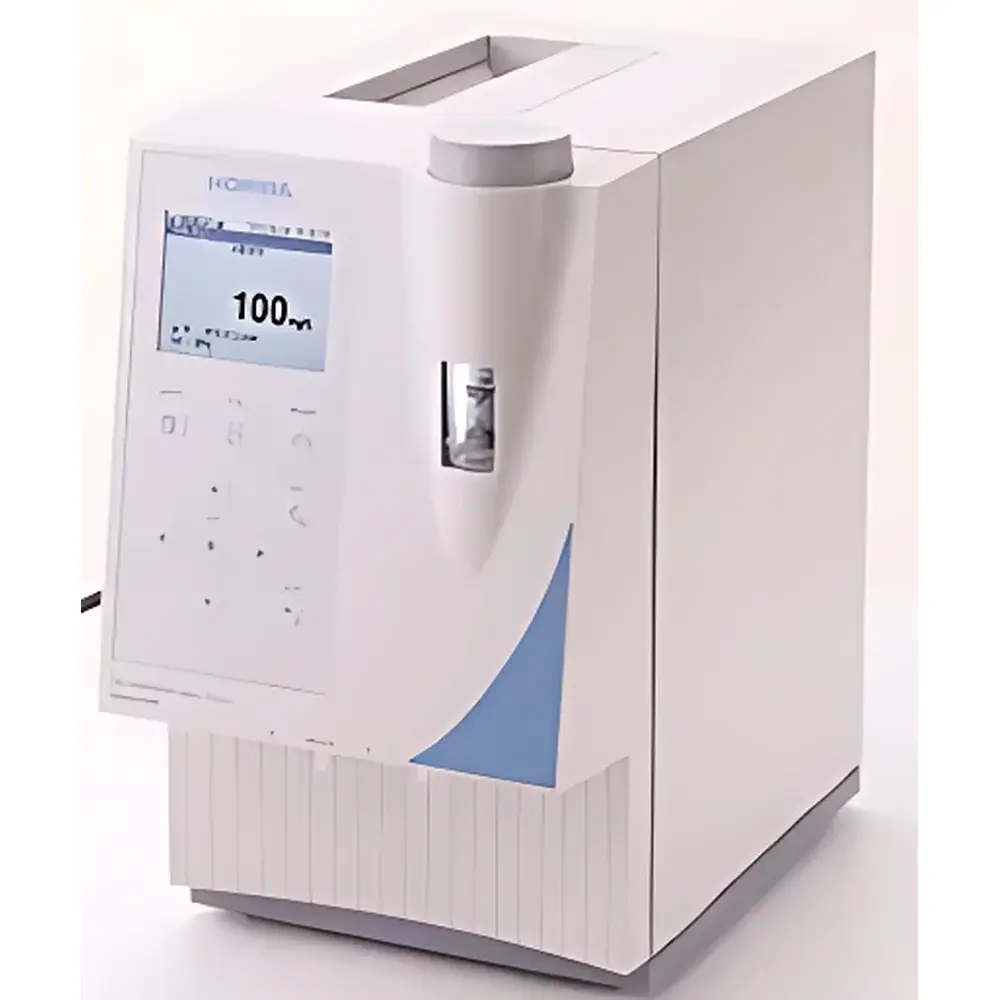
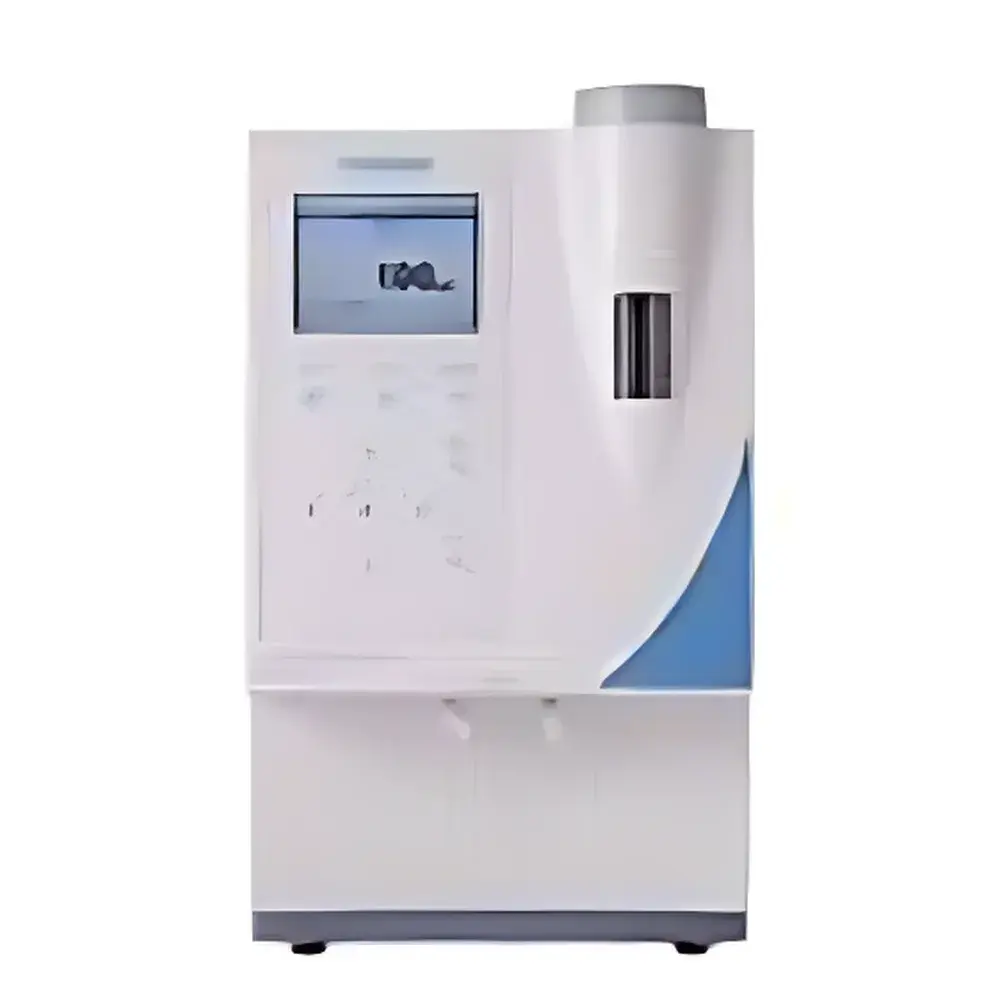
HORIBA OCMA-505 Portable Oil-in-Water Analyzer
| Brand | HORIBA |
|---|---|
| Origin | Japan |
| Model | OCMA-505 |
| Instrument Type | Portable |
| Measurement Principle | Non-Dispersive Infrared (NDIR) Spectrophotometry |
| Measurement Range | 0–200 mg/L (dynamic, auto-ranging), 0–1000 mg/kg, 0–1 Abs |
| Detection Limit | < 0.2 mg/L |
| Accuracy | ±1% of reading (mg/L) |
| Resolution | 0.1 mg/L (0–99.9 mg/L) |
| Sampling Frequency | 0.2 samples/min |
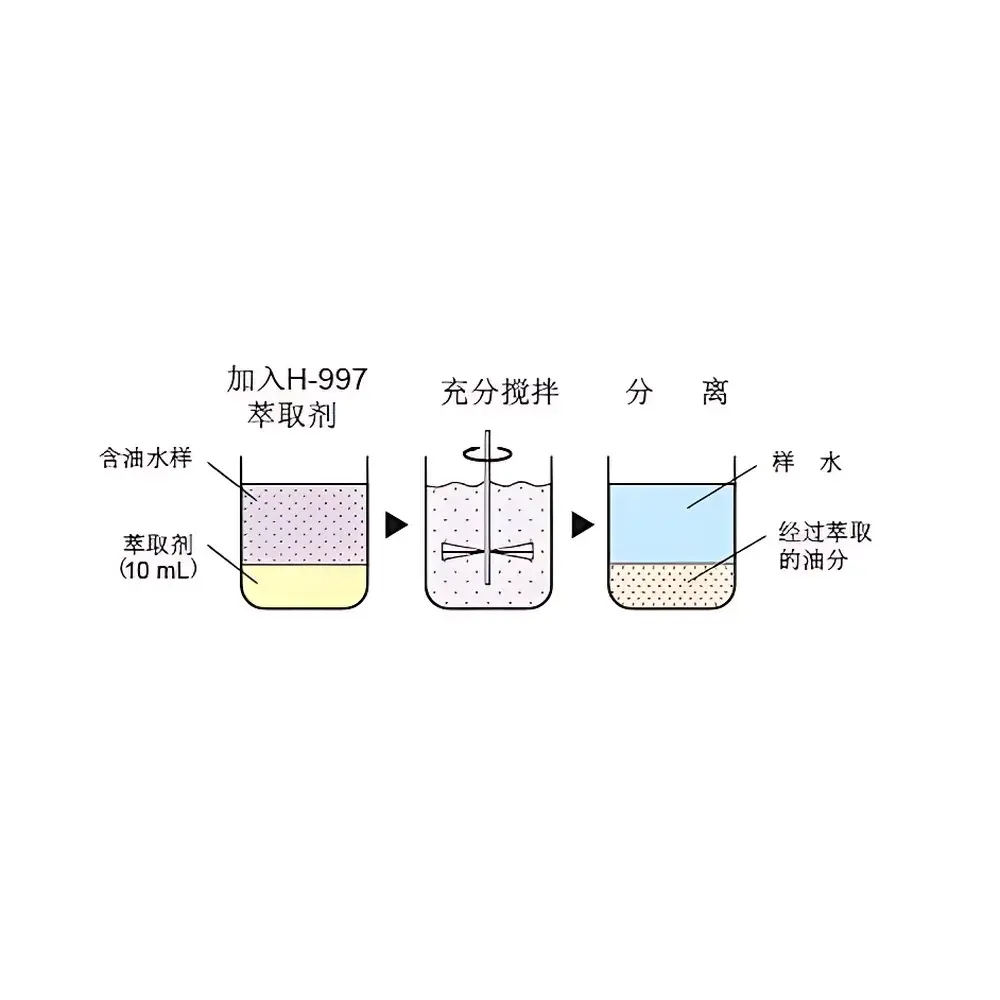
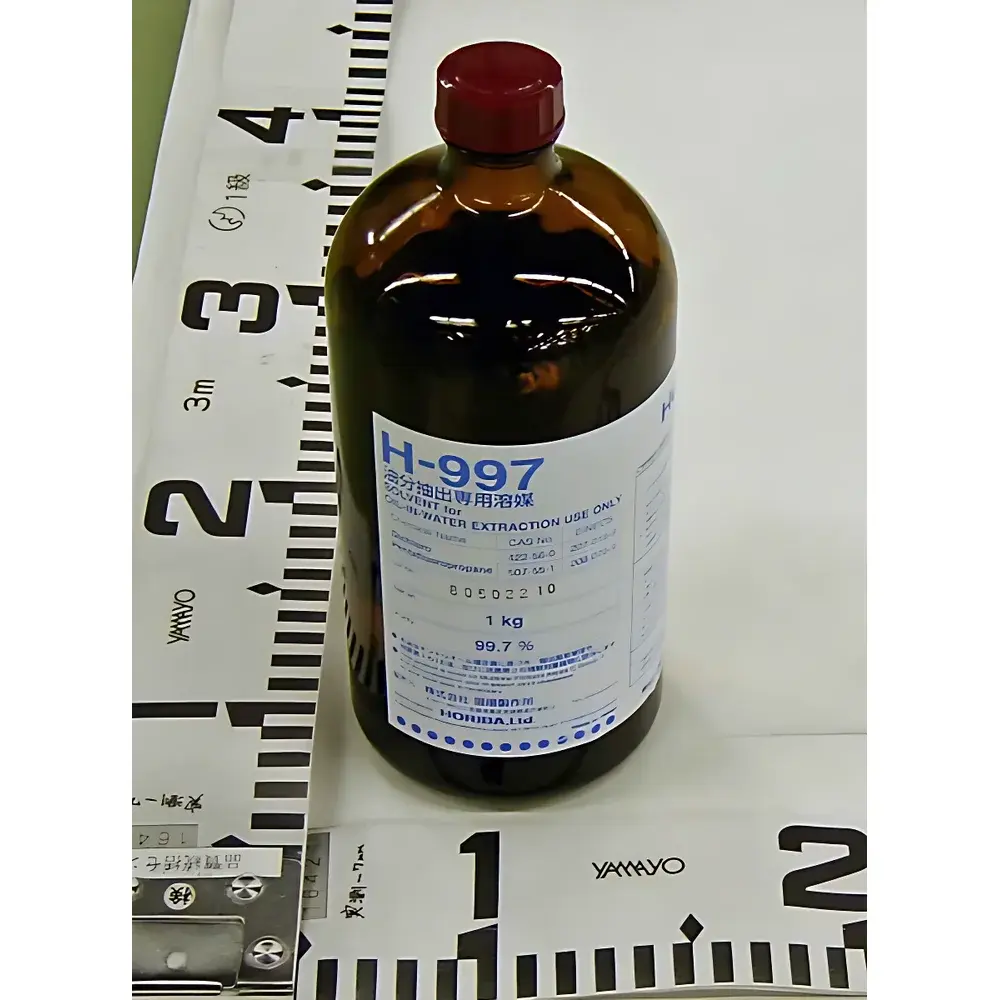
| Extractant | HORIBA H-997 solvent |
| Compliance | ASTM D7066, ISO 9377-2 (oil-in-water), EPA Method 1664 (modified), JIS K 0102 |
Overview
The HORIBA OCMA-505 is a fully integrated, portable oil-in-water analyzer engineered for rapid, field-deployable quantification of hydrocarbon contaminants in aqueous matrices—including freshwater, seawater, industrial process water, and wastewater effluents. It employs non-dispersive infrared (NDIR) absorption spectroscopy at the characteristic C–H stretching band (~2940 cm⁻¹), enabling selective detection of aliphatic and aromatic hydrocarbons without spectral interference from water or common inorganic ions. Unlike benchtop IR spectrometers requiring manual solvent extraction and cuvette handling, the OCMA-505 integrates automated liquid-phase extraction, phase separation, solvent delivery, optical measurement, and waste disposal into a single compact chassis. Its dynamic 0–200 mg/L measurement range eliminates manual range switching—ensuring linear response across low-level regulatory thresholds (e.g., EPA discharge limits of 10–15 mg/L) and higher concentrations encountered in oil-water separator overflows or bilge water monitoring. The system is calibrated using certified mineral oil standards traceable to NIST SRM 2781, with built-in zero and span verification routines supporting routine quality assurance.
Key Features
- Integrated solvent-based extraction using HORIBA H-997 extractant—optimized for high recovery (>95%) of C10–C40 hydrocarbons including diesel, lubricating oils, and crude fractions.
- Automated syringe-driven fluid handling: precise volumetric aspiration of sample (50 mL) and solvent (25 mL), followed by vigorous mixing, phase separation via gravity settling, and infrared cell filling—all executed with single-button initiation.
- Optical path: 10-mm fixed-pathlength flow cell with temperature-stabilized NDIR detector; dual-wavelength referencing (2940 cm⁻¹ and 3600 cm⁻¹) compensates for water vapor and suspended solids interference.
- Digital display with multilingual UI (English default): real-time status logging, error diagnostics (e.g., “Low Solvent”, “Phase Separation Failure”, “Cell Contamination”), and on-screen calibration prompts.
- Robust architecture: IP65-rated enclosure, battery-operated (up to 8 hours continuous use), and shock-mounted optical components for field durability.
- Compliant with GLP data integrity requirements: timestamped measurements, operator ID input, and internal audit trail storage for up to 1,000 records.
Sample Compatibility & Compliance
The OCMA-505 is validated for direct analysis of raw, unfiltered water samples—including turbid river water, saline seawater (up to 3.5% NaCl), and aerobically treated municipal wastewater. Emulsified oil droplets ≤5 µm are efficiently extracted due to the optimized H-997 solvent polarity index (ε ≈ 4.8). It meets performance criteria specified in ISO 9377-2:2000 (Water quality — Determination of hydrocarbon oil index — Part 2: Infrared spectrometric method) and aligns with the technical basis of EPA Method 1664A (n-Hexane Extractable Material, HEM) when used with appropriate calibration protocols. For regulated environments (e.g., ISO 17025-accredited labs or GMP wastewater monitoring), optional SR-305 solvent regeneration unit enables closed-loop reuse of H-997 via dual-bed adsorption (activated carbon + activated alumina), reducing solvent consumption by >85% and eliminating hazardous waste disposal costs per ASTM D8293.
Software & Data Management
Data output is accessible via USB-C interface and compatible with HORIBA’s OCMA Data Manager v3.2 software (Windows 10/11). The software supports batch report generation compliant with 21 CFR Part 11: electronic signatures, role-based access control, immutable audit trails, and automatic backup to network drives. All measurements include embedded metadata—date/time stamp, operator ID, calibration certificate ID, solvent lot number, and instrument serial number—enabling full traceability during regulatory inspections. Raw absorbance spectra (0.1 cm⁻¹ resolution) and extraction efficiency logs are exportable in CSV and XML formats for third-party LIMS integration.
Applications
- Real-time monitoring of oil-water separators and API skimmers in petrochemical refineries and marine terminals.
- Regulatory compliance testing at municipal wastewater treatment plant outfalls (e.g., NPDES permit limits).
- Environmental impact assessments for offshore drilling operations and port authority spill response.
- In-process control of cooling tower blowdown and metalworking fluid systems.
- Field verification of remediation effectiveness at brownfield sites and groundwater plumes.
FAQ
Does the OCMA-505 require external laboratory support for calibration verification?
No—built-in zero and span checks using air and certified mineral oil standard (100 mg/L) can be performed onsite in under 90 seconds. Certificate of calibration is issued with each instrument and renewed annually per ISO/IEC 17025 guidelines.
Can the OCMA-505 quantify specific hydrocarbon classes (e.g., PAHs or BTEX)?
No—it measures total extractable petroleum hydrocarbons (TPH) as a composite index. For speciated analysis, GC-FID or GC-MS is required.
Is the SR-305 solvent regenerator mandatory for routine operation?
No, but it is strongly recommended for high-throughput applications (>20 samples/day) to maintain consistent extraction efficiency and comply with ISO 14001 waste minimization objectives.
What maintenance intervals are specified for field deployment?
Daily: optical cell cleaning with lint-free tissue and H-997 rinse; quarterly: syringe pump recalibration and detector dark-current validation; annually: full metrological verification by HORIBA-certified service center.







