
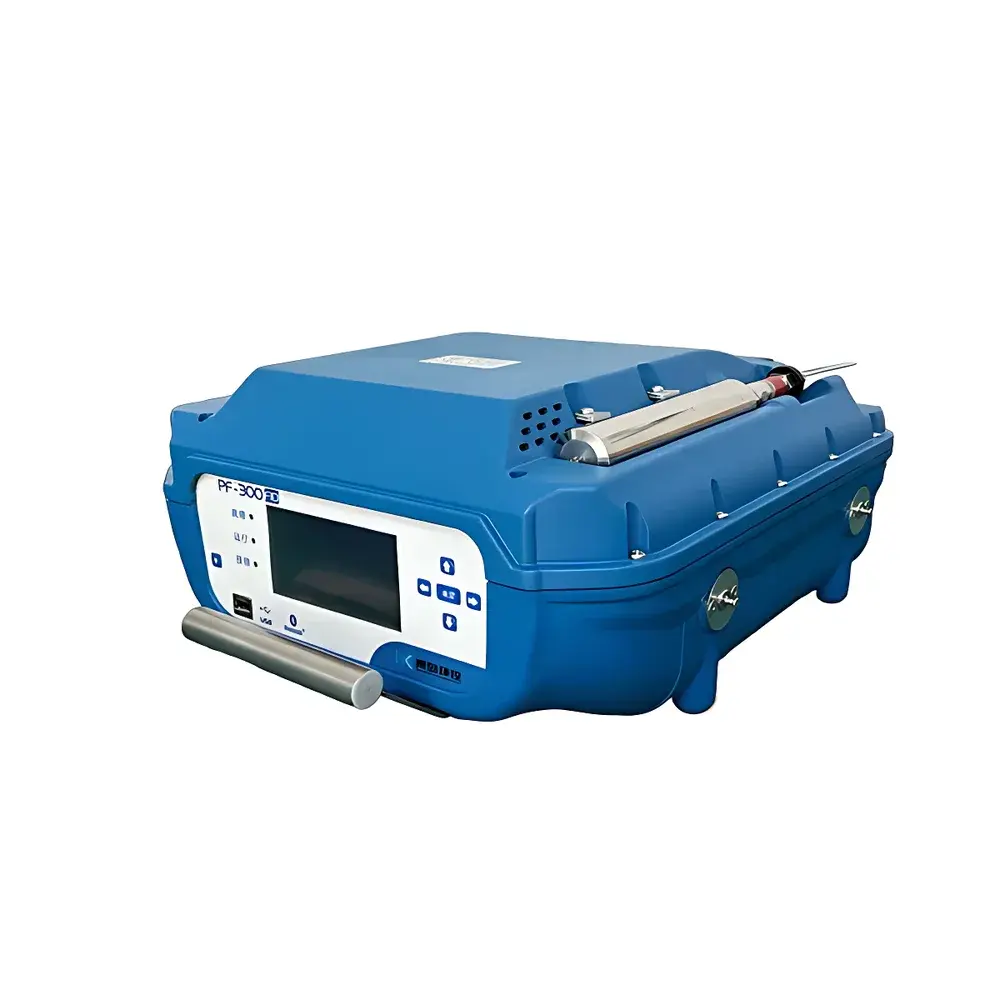
HUANKONG PF-300 Portable Methane, Total Hydrocarbons (THC), and Non-Methane Hydrocarbons (NMHC) Analyzer
| Brand | HUANKONG |
|---|---|
| Origin | Shandong, China |
| Manufacturer Type | Direct Manufacturer |
| Instrument Type | Portable |
| Detection Principle | Catalytic Oxidation + Flame Ionization Detection (FID) |
| Measured Parameters | Methane (CH₄), Total Hydrocarbons (THC), Non-Methane Hydrocarbons (NMHC) |
| Detection Limit | mgC/m³ |
| Repeatability | Low Relative Deviation |
| Measurement Range | Expandable |
| Compliance | HJ 1331–2023, HJ 1012–2018, GB 37822–2019, DB11/T 1367–2016, DB37/T 3922–2020, DB35/T 1913–2020 |
Overview
The HUANKONG PF-300 Portable Methane, Total Hydrocarbons (THC), and Non-Methane Hydrocarbons (NMHC) Analyzer is an engineered field-deployable instrument designed for regulatory-compliant measurement of hydrocarbon species in ambient air, fugitive emissions at facility perimeters, and stack exhaust from stationary sources. It employs catalytic oxidation coupled with flame ionization detection (FID)—a method standardized under China’s HJ 1331–2023 and HJ 1012–2018—to selectively quantify methane and non-methane fractions in real time. The catalytic converter oxidizes all non-methane organic compounds to CO₂ prior to FID detection, while methane passes through unoxidized; total hydrocarbons are measured directly. The difference yields NMHC concentration expressed as carbon mass (mgC/m³). This dual-path, quantitative loop injection architecture ensures temporal alignment between THC and CH₄ measurements—critical for compliance reporting where speciated hydrocarbon data must reflect identical sampling conditions.
Key Features
- Compact, single-operator portable design with integrated solid-state metal hydride hydrogen storage—eliminating high-pressure gas cylinders and meeting IEC 60079-0 intrinsic safety considerations for field use.
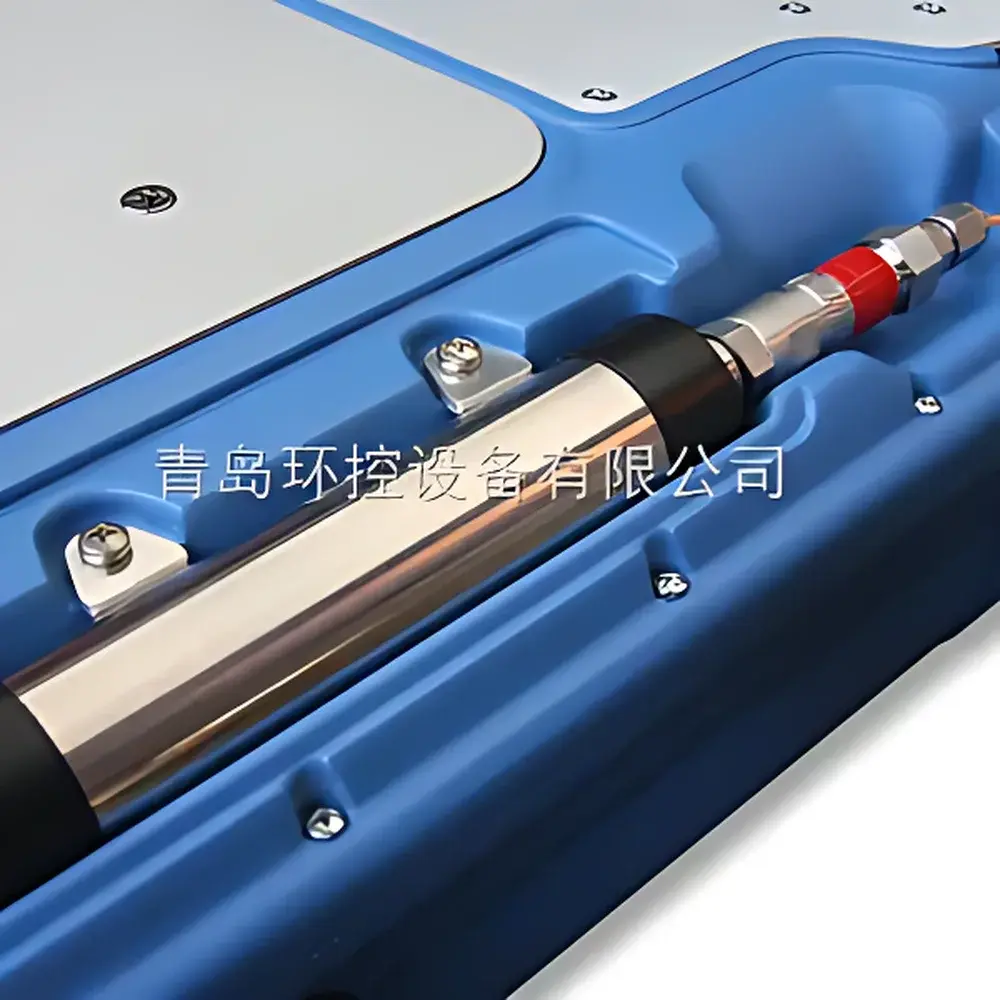
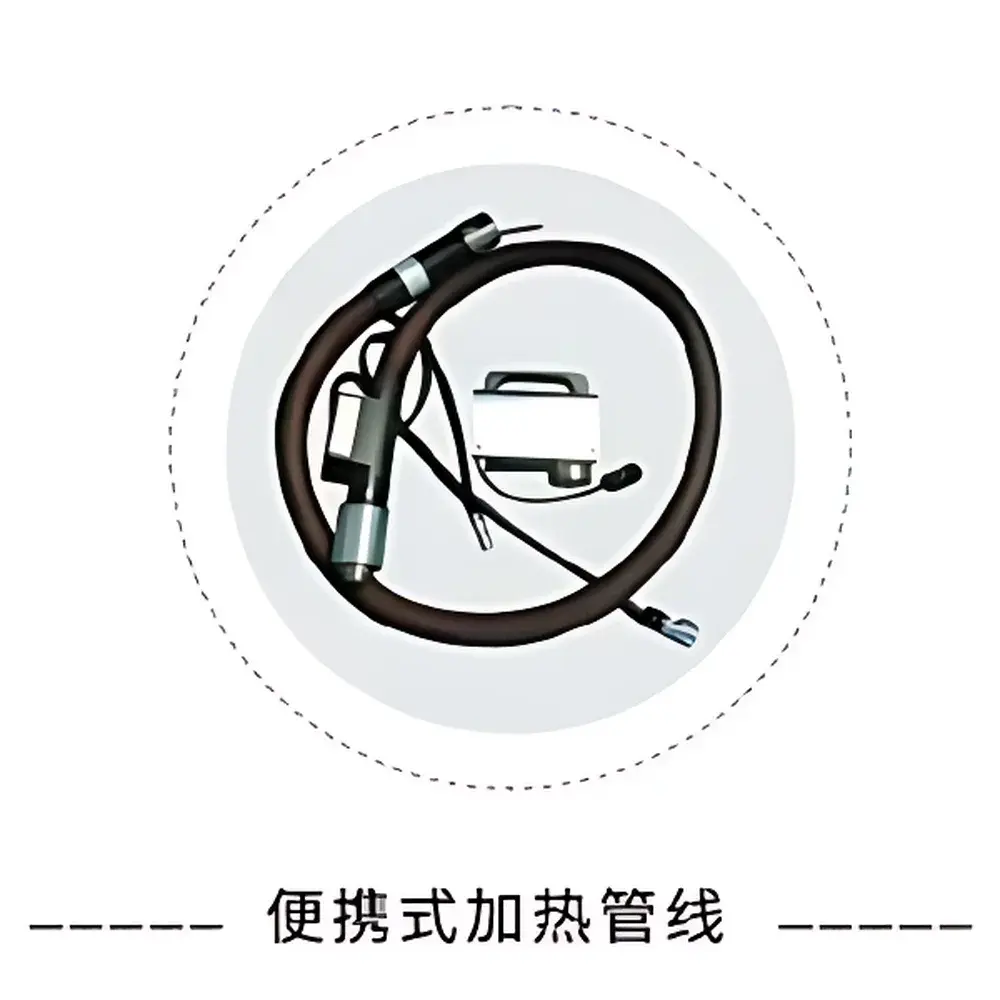
- Full-path heated sample handling: heated sampling line, catalytic reactor, and fully heated FID detector (>180 °C), preventing condensation and adsorption losses in high-humidity or low-temperature flue gas environments.
- Programmable catalytic unit temperature control enables optimization across diverse VOC matrices and matrix-dependent oxidation efficiency requirements.
- Multi-range factory-calibrated curves stored onboard—allowing rapid selection based on expected concentration levels without manual recalibration during field deployment.
- Quantitative loop injection system ensures identical sample aliquots are directed to both the direct-FID (for THC) and catalytic-FID (for CH₄) channels—guaranteeing stoichiometric consistency and minimizing inter-channel drift.
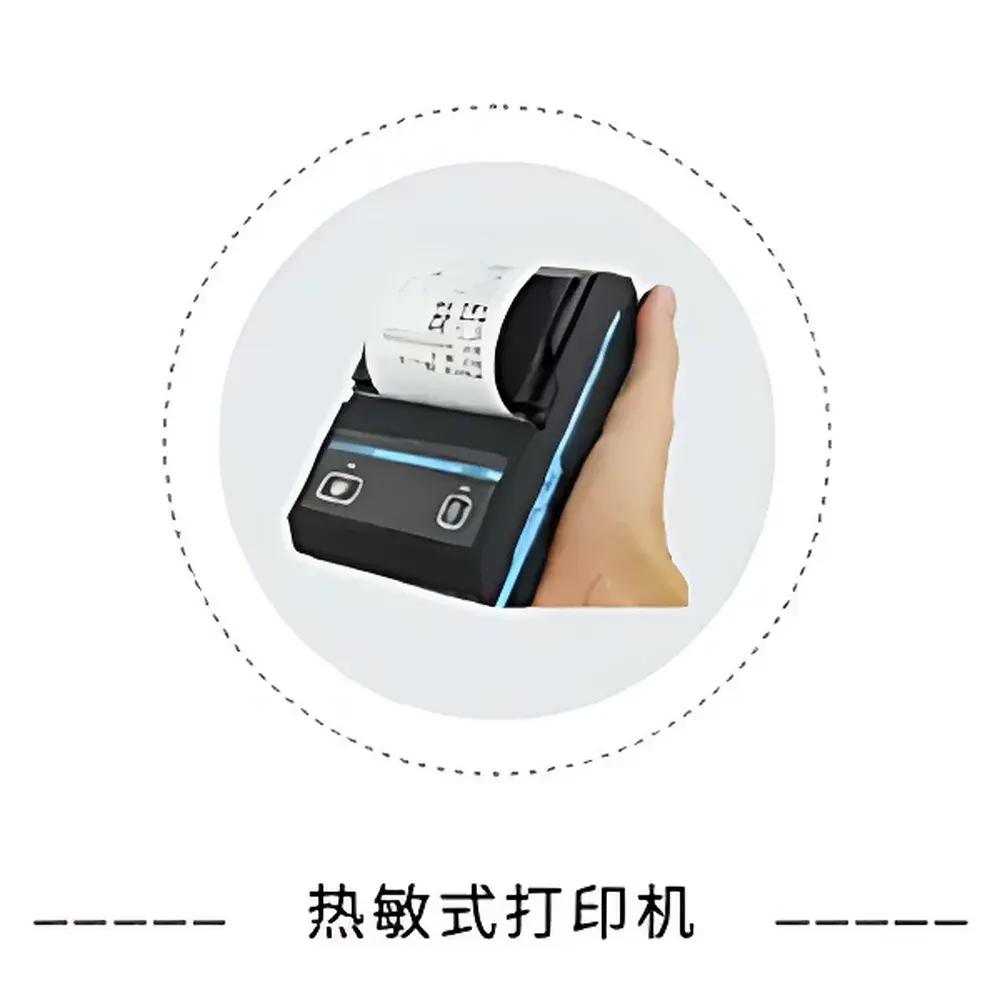
- Embedded wireless module supports Bluetooth and Wi-Fi connectivity for real-time data streaming to iOS/Android tablets and laptops; local thermal printing and cloud-synchronized logging enabled via proprietary HUANKONG FieldLink™ software.
Sample Compatibility & Compliance
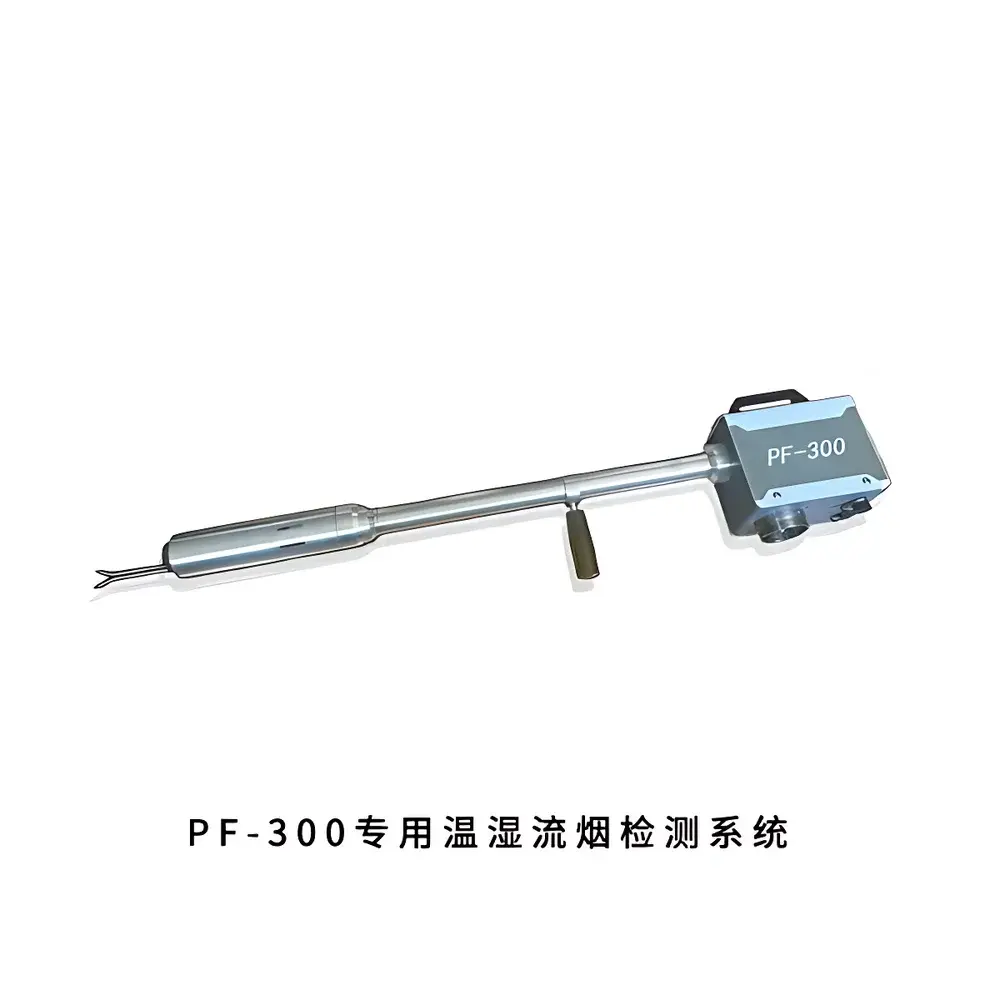
The PF-300 is validated for use in complex industrial emission matrices including refinery off-gas, petrochemical process vents, pharmaceutical dryer exhaust, coating spray booths, textile dyeing exhaust, and rubber vulcanization stacks. Its catalytic oxidation/FID methodology conforms to national standard methods HJ 1331–2023 (catalytic oxidation–FID for stationary sources), HJ 1012–2018 (ambient and source portability requirements), and GB 37822–2019 (VOC unorganized emission controls). Instrument performance meets the accuracy, precision, and response time criteria defined in these protocols—including ≤±5% relative standard deviation for repeatability and ≤10% bias against certified reference gases traceable to NIM (National Institute of Metrology, China). Optional integration with heated humidity/temperature/flow (HTF) modules enables automatic dry-basis correction per ISO 12141 and EPA Method 204B workflows.
Software & Data Management
FieldLink™ software provides full instrument control, real-time signal visualization, and automated report generation compliant with GLP documentation standards. All measurement events—including calibration injections, zero/span checks, and field validations—are timestamped and digitally signed. Audit trails record operator ID, parameter changes, and firmware version history—supporting 21 CFR Part 11–aligned electronic records where required. Remote firmware updates can be scheduled and verified over secure TLS connections. Data export formats include CSV, PDF (with embedded metadata), and XML for ingestion into enterprise environmental management systems (EMS) or regulatory portals such as China’s National Emission Trading System (NETS) interface.
Applications
- Regulatory stack testing and fence-line monitoring per provincial VOC emission ordinances.
- Method validation and performance verification of continuous emission monitoring systems (CEMS) for THC/NMHC.
- Rapid-response VOC leak detection and quantification (LDAR) in upstream/downstream oil & gas facilities.
- Process optimization support in chemical synthesis units where hydrocarbon byproduct formation correlates with reaction yield.
- Emergency response screening during chemical spills or tank over-pressurization incidents.
- Research-grade field studies requiring speciated hydrocarbon data under variable ambient conditions.
FAQ
Does the PF-300 require external hydrogen supply?
No—the instrument integrates a solid-state metal hydride hydrogen generator capable of delivering stable, ultra-high-purity H₂ (≥99.999%) for FID operation over >8 hours per charge.
Can it measure in wet or corrosive flue gas streams?
Yes—full-path heating (up to 200 °C) combined with inert surface passivation (electropolished stainless steel and quartz-lined flow paths) ensures reliable operation in flue gases with up to 30% v/v moisture and moderate SO₂/NOₓ content.
Is calibration traceable to international standards?
All factory calibrations use NIM-certified hydrocarbon reference gases (methane-in-air, propane-in-air) with stated expanded uncertainty (k=2); field verification kits include CRM-labeled span gases with CoA.
What optional modules extend its functionality?
Available add-ons include a heated HTF probe (measuring stack temperature, static/dynamic pressure, volumetric flow, and moisture content), an auxiliary hydrogen refilling station, and a ruggedized field tablet preloaded with FieldLink™.
How is data integrity ensured during remote transmission?
All wireless data packets are encrypted using AES-256; checksums and sequence numbering prevent packet loss or corruption; offline measurement buffers retain full datasets until reconnection is established.
Related Products







