
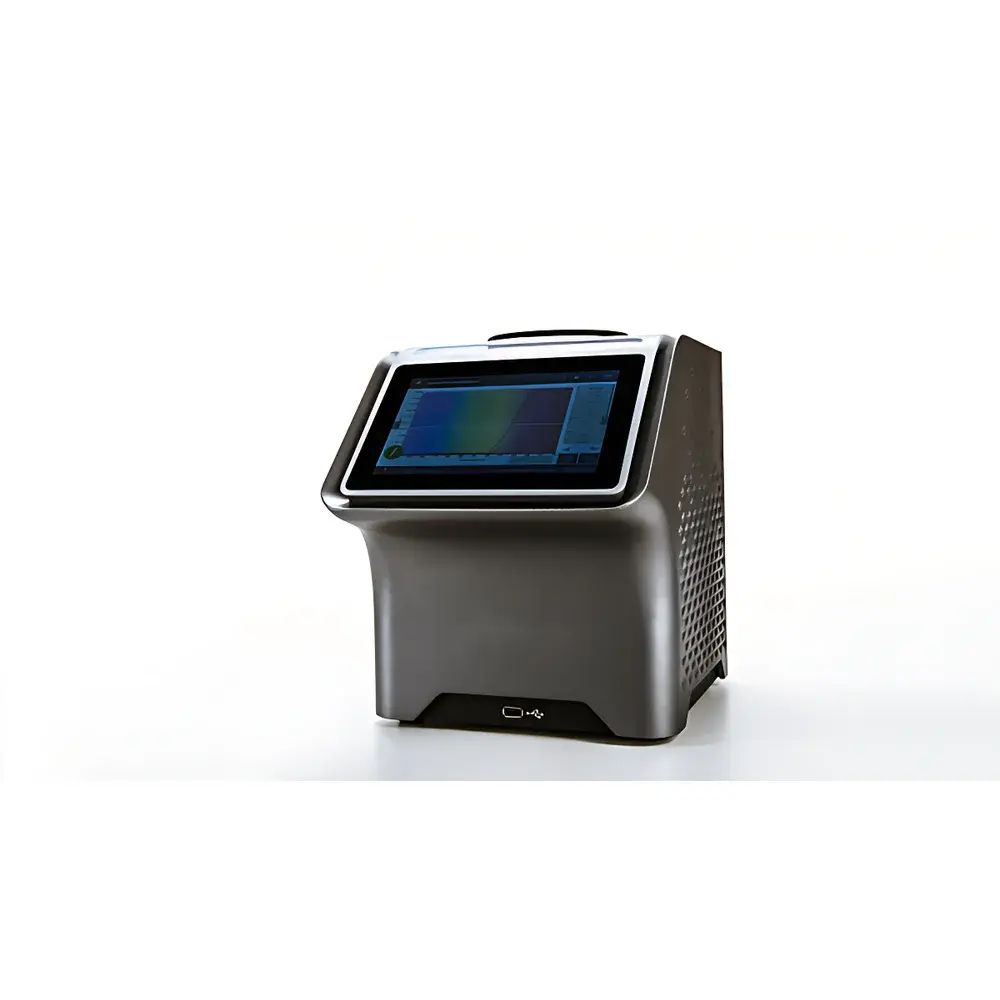
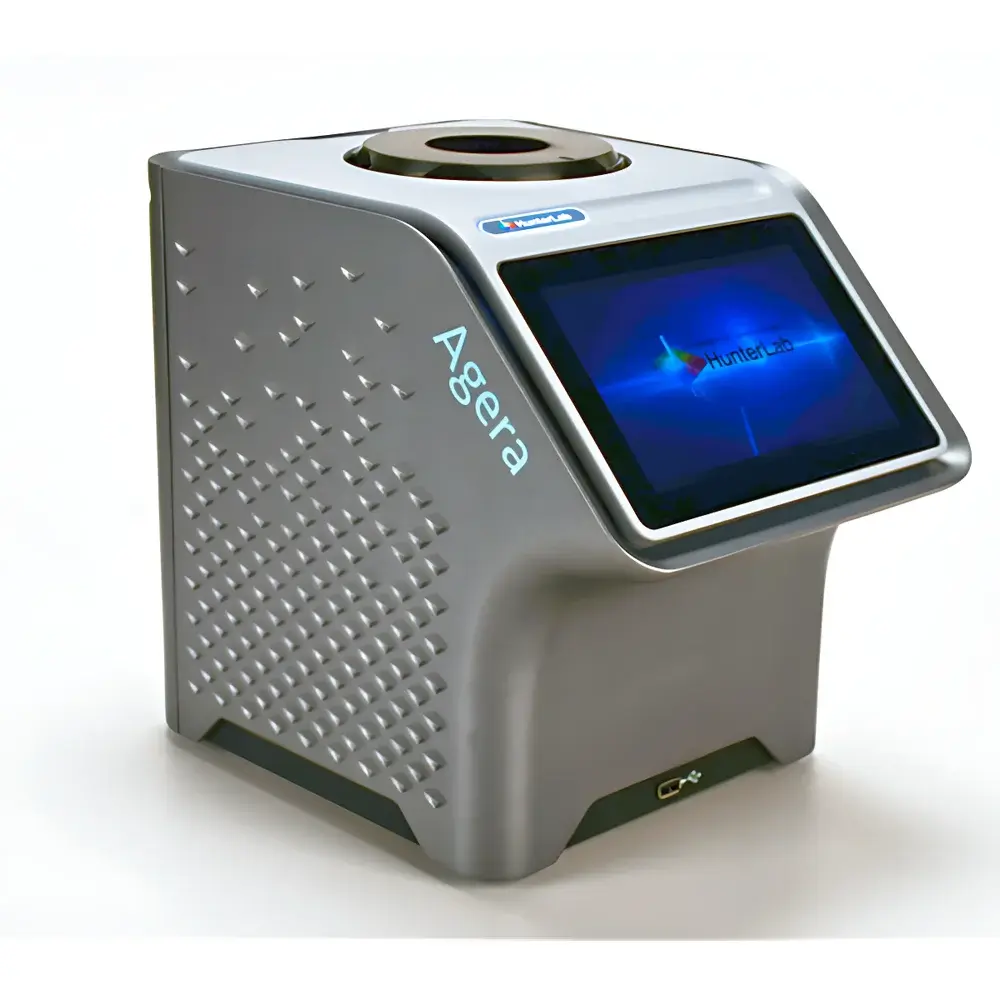
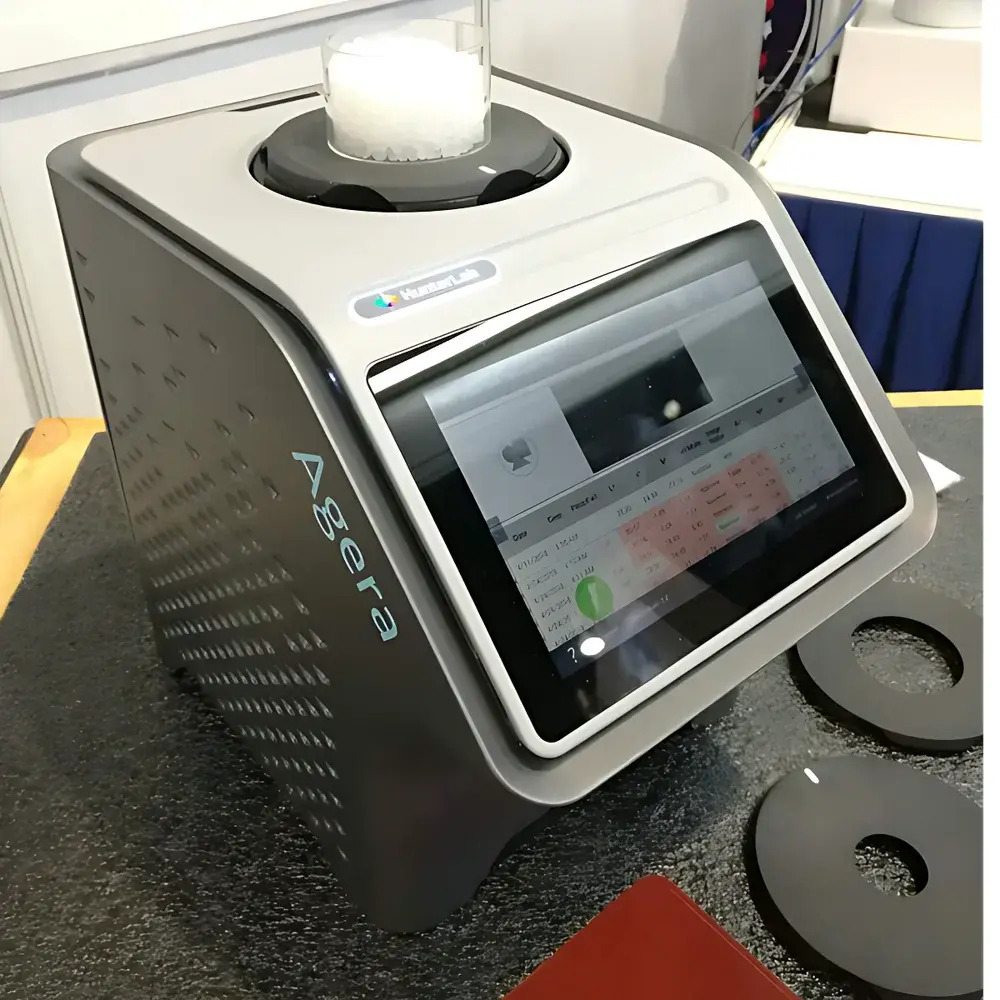
HunterLab Agera Yellow Index Spectrophotometer
| Brand | HunterLab |
|---|---|
| Origin | USA |
| Model | Agera |
| Product Type | Benchtop Spectrophotometer |
| Illuminant | Full-Spectrum LED (360–700 nm) |
| Geometry | 0°/45° Circular Illumination (15-point fiber-optic averaging) |
| Repeatability | ΔE2000 < 0.03 (CIEL*a*b*, max) |
| Standards Compliance | ASTM D1925, ASTM E313, ASTM D6290, ASTM D2457, ASTM D523, ISO 2813, HG/T 3862-2006, ASTM E308 |
| Gloss Measurement | Integrated 60° glossmeter (traceable to NIST) |
| Imaging | 5 MP camera at 45° with full-spectrum illumination |
| Display | 7″ 1280×800 capacitive touchscreen |
| UV Control | Adjustable UV component |
| Calibration | NIST-traceable white tile, green tile, and black glass standard (ASTM D523/ISO 2813 certified) |
| Apertures | XL (51 mm), L (25.4 mm), M (16.9 mm), optional 30 mm custom |
| Optical System | Sealed dual-beam spectrophotometer with 256-element diode array and holographic concave grating |
| Data Interfaces | USB, Ethernet, Wi-Fi, Bluetooth, email export |
| Software | Embedded EasyMatch Essentials QC (FDA 21 CFR Part 11 electronic signature optional) |
Overview
The HunterLab Agera Yellow Index Spectrophotometer is a benchtop, dual-function optical measurement instrument engineered for high-precision color and gloss evaluation of solid, granular, and sheet materials in quality control and R&D environments. It operates on the fundamental principle of 0°/45° circular illumination geometry—specifically designed to replicate human visual perception of color under standardized viewing conditions. Unlike diffuse 8°/d or d/8° geometries, the Agera’s 15-point fiber-optic ring illuminator captures reflected light from multiple azimuthal angles, enabling robust compensation for surface texture, particle orientation, and microstructural heterogeneity. This geometry is explicitly required by ASTM D6290 for yellow index (YI) determination in polymer and pigment industries. The instrument integrates a full-spectrum LED source (360–700 nm) with calibrated UV output, allowing accurate quantification of fluorescent brighteners and optical brightening agents (OBAs) in accordance with ASTM E308 and ASTM E313. Its sealed, fanless optical architecture—featuring a 256-channel diode array and high-resolution holographic concave grating—ensures long-term photometric stability and minimal drift, critical for GLP/GMP-compliant laboratories.
Key Features
- Dual-measurement capability: Simultaneous acquisition of CIE L*a*b*, YI (D1925 and E313), ΔE2000, and 60° gloss in a single measurement cycle.
- 0°/45° circular illumination geometry with 15-point spatial averaging—validated per ASTM D6290 for reliable YI assessment across irregular surfaces including pellets, flakes, powders, and injection-molded parts.
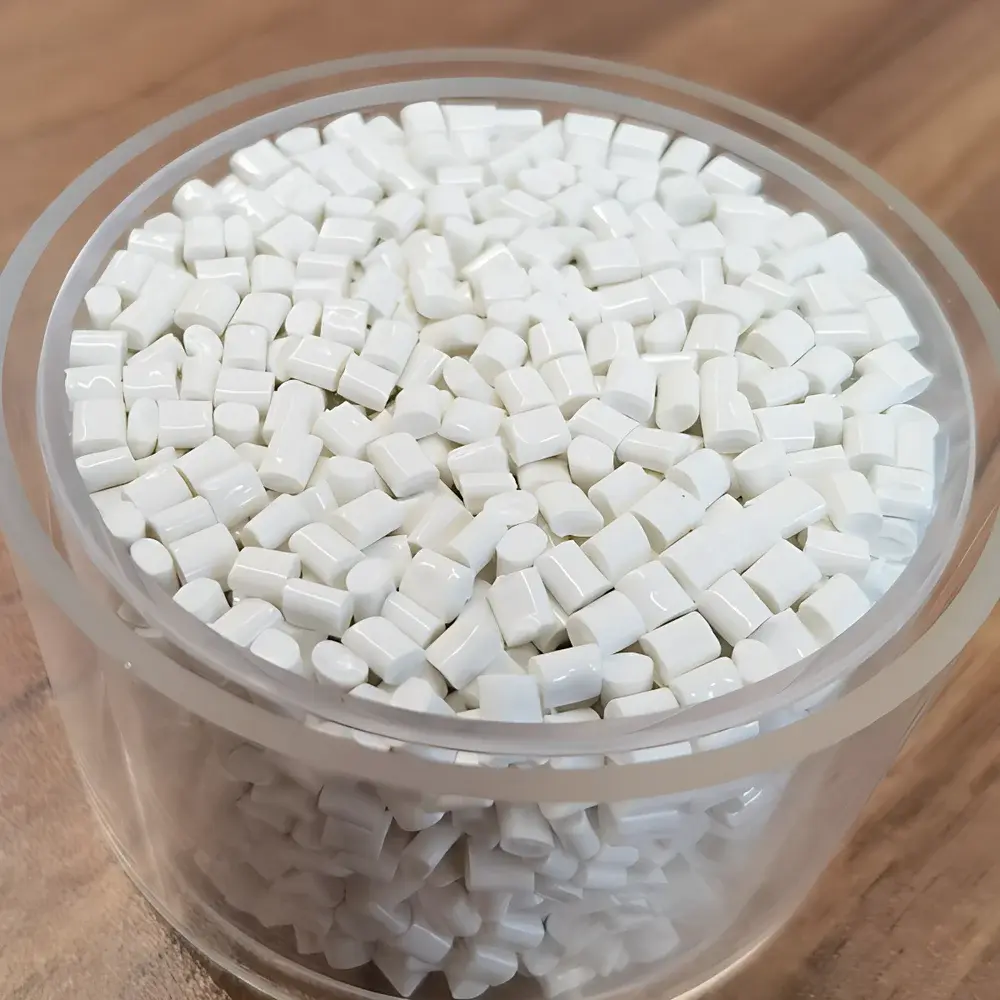
- Full-spectrum LED illumination (360–700 nm) with traceable UV calibration; supports both UV-included and UV-excluded reporting modes for fluorescence-sensitive materials such as PTA, PET, ABS, titanium dioxide, and carbon black formulations.
- Integrated 60° gloss sensor compliant with ASTM D523 and ISO 2813, supplied with NIST-traceable black glass reference standard and full溯源 certificate.
- 5-megapixel coaxial imaging system at 45° angle enables real-time sample positioning verification and archival RGB image capture—supporting visual correlation with spectral data and histogram-based image analysis.
- 7-inch industrial capacitive touchscreen (1280×800) running embedded EasyMatch Essentials software—no external PC required for routine operation, data review, or pass/fail decision-making.
- Robust mechanical design: Fanless thermal management, sealed optical path, and shock-resistant housing suitable for production floor deployment without environmental conditioning.
Sample Compatibility & Compliance
The Agera accommodates diverse physical forms—including opaque solids, translucent films, granules, powders, and textured sheets—via interchangeable apertures (XL: 51 mm, L: 25.4 mm, M: 16.9 mm, and optional 30 mm). Its large 51 mm aperture delivers superior signal-to-noise ratio and statistical confidence for heterogeneous samples, directly addressing ASTM D6290’s requirement for ≥45 mm measurement area in polymer yellowing assessments. All factory calibrations are traceable to NIST standards: the white tile carries full NIST certification; the green tile includes certified reflectance values; and the black glass gloss standard is certified per ASTM D523 and ISO 2813. The system meets regulatory requirements for audit-ready documentation: electronic signatures, user access controls, audit trails, and data integrity safeguards align with FDA 21 CFR Part 11 when optional EZMQC e-signature software is deployed. It further supports ISO/IEC 17025 laboratory accreditation workflows through built-in uncertainty estimation and calibration history logging.
Software & Data Management
Embedded EasyMatch Essentials provides an intuitive, workflow-driven interface for defining measurement protocols, setting tolerances, generating reports, and exporting data in CSV, PDF, or XML formats. The software includes over 40 industry-standard color indices—including YI (ASTM D1925, ASTM E313), whiteness (Hunter, CIE), and metamerism indices—and supports multi-sample batch processing with statistical summary (mean, SD, CPK). For regulated environments, optional EZMQC software extends functionality with role-based user authentication, electronic signatures, full audit trail generation, and secure database archiving—all validated for compliance with FDA 21 CFR Part 11, EU Annex 11, and ISO 13485. Data transfer options include USB mass storage, Ethernet, Wi-Fi, Bluetooth, and SMTP email—enabling seamless integration into enterprise LIMS or MES platforms. HunterLab Remote Service allows secure, encrypted technician-assisted diagnostics and firmware updates without onsite intervention.
Applications
The Agera is widely deployed in polymer manufacturing (PP, PE, PET, POM, ABS), pigment and filler production (titanium dioxide, carbon black), pharmaceutical excipient characterization, and chemical intermediates (e.g., purified terephthalic acid, PTA). Its ability to decouple chromatic variation from surface effects makes it indispensable for monitoring thermal degradation-induced yellowing, catalyst residue impact, UV stabilizer efficacy, and batch-to-batch consistency in extruded or injection-molded components. In quality assurance labs, it serves as a primary tool for incoming raw material inspection, in-process control of melt filtration, and final product release testing—particularly where ASTM D1925 or ASTM E313 YI specifications are contractually mandated. Its imaging capability also supports root-cause analysis of surface defects, contamination events, or inconsistent dispersion in masterbatches.
FAQ
Does the Agera comply with ASTM D6290 for yellow index measurement?
Yes—the instrument’s 51 mm aperture and 0°/45° circular geometry fully satisfy the geometric and dimensional requirements of ASTM D6290.
Can the Agera measure both color and gloss in one operation?
Yes—each measurement cycle concurrently returns CIEL*a*b*, YI, ΔE, and 60° gloss values, eliminating sequential instrument repositioning.
Is UV calibration traceable to national standards?
Yes—UV output is factory-calibrated against NIST-traceable standards, and users may perform secondary UV calibration using certified fluorescent reference tiles.
What data security features support FDA 21 CFR Part 11 compliance?
When configured with EZMQC e-signature software, the system provides electronic signatures, audit trails, role-based access, and data encryption—fully validated for regulated environments.
How does the Agera handle heterogeneous or granular samples?
The 15-point fiber-optic averaging, combined with the 51 mm aperture, statistically mitigates local variation in particle orientation, packing density, and surface roughness—yielding results highly correlated with human observer assessments.
Are calibration standards supplied with NIST traceability documentation?
Yes—white tile (NIST SRM 2035 equivalent), green tile (certified reflectance values), and black glass gloss standard (ASTM D523/ISO 2813 certified) are all provided with formal traceability certificates.




