
HunterLab ColorFlex EZ Tomato Spectrophotometer
| Brand | HunterLab |
|---|---|
| Origin | USA |
| Model | ColorFlex EZ Tomato |
| Product Type | Benchtop Spectrophotometric Colorimeter |
| Optical Geometry | 45°/0° |
| Light Source | Pulsed Xenon Lamp |
| Spectral Range | 400–700 nm |
| Repeatability | < 0.04 ΔE* (20 measurements, average) |
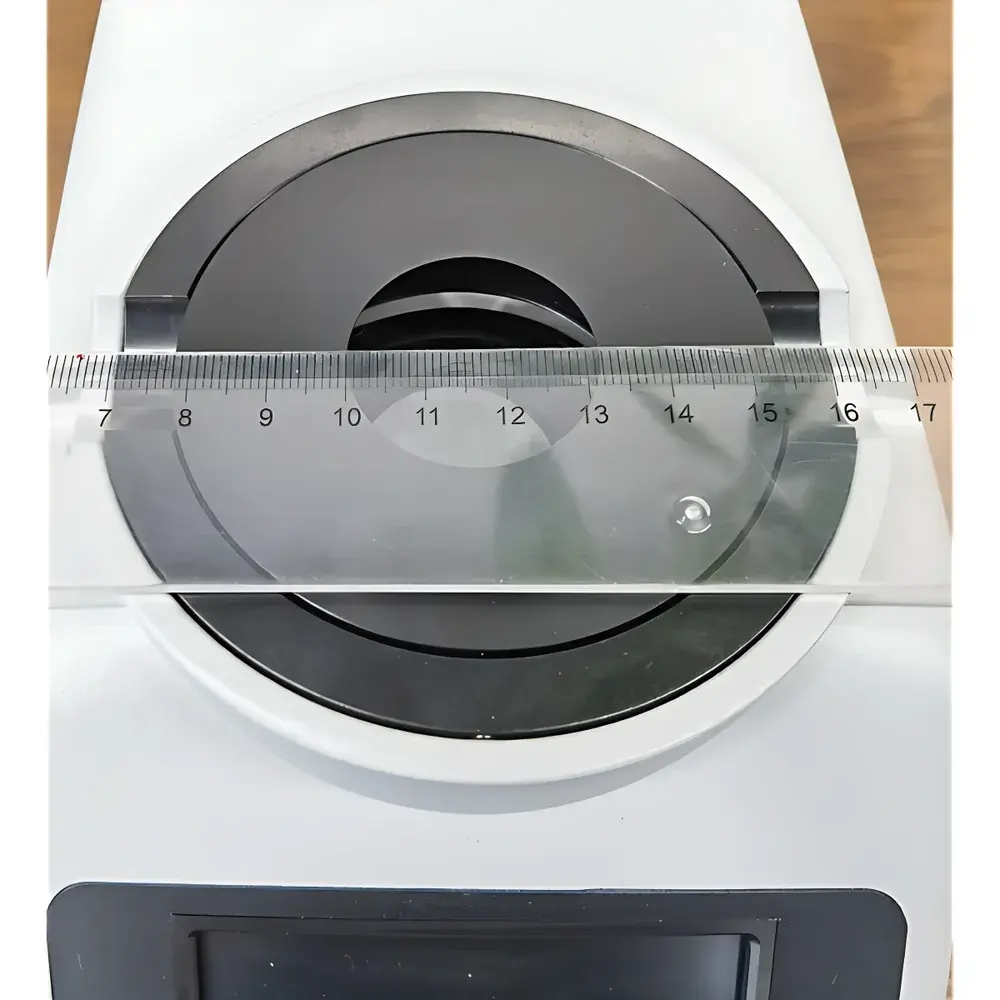
| Aperture Size / Measurement Area | 31.8 mm (1.25″) / 25.4 mm (1.00″) |
| Lamp Lifetime | > 500,000 flashes |
| Inter-instrument Agreement | ≤ 0.15 ΔE* (CIE L*a*b*, average) |
| Illuminants | A, C, D65, TL84, F |
| Observers | 2° and 10° standard observer |
| Color Spaces | CIE XYZ, Yxy, L*a*b*, L*C*h°, Hunter Lab |
| Color Indices | ΔE*, ΔE, ΔEcmc, Whiteness, Yellowness, Metamerism Index, Brightness at 457 nm |
| Tomato-Specific Indices | a/b Ratio, Tomato Chroma Grade, Tomato Juice Grade, Tomato Puree Grade, Tomato Ketchup Grade, Tomato Sauce Grade |
Overview
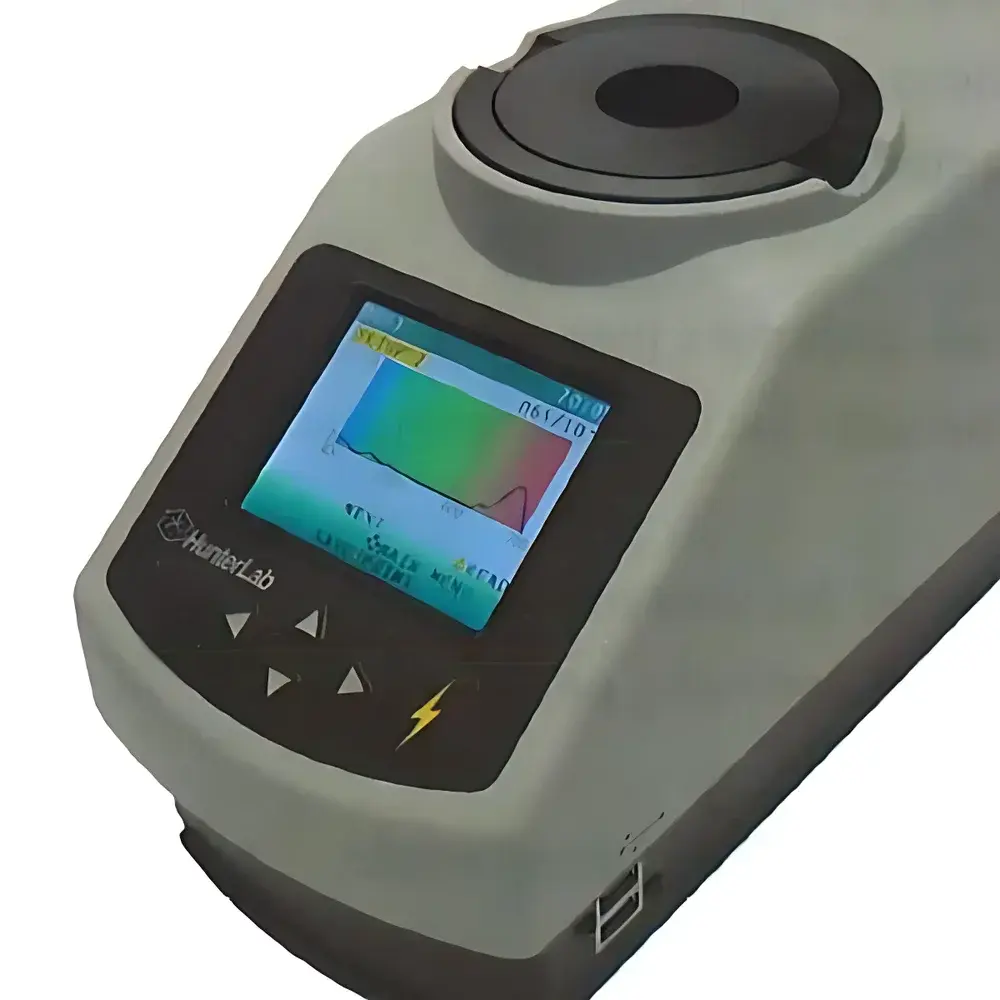
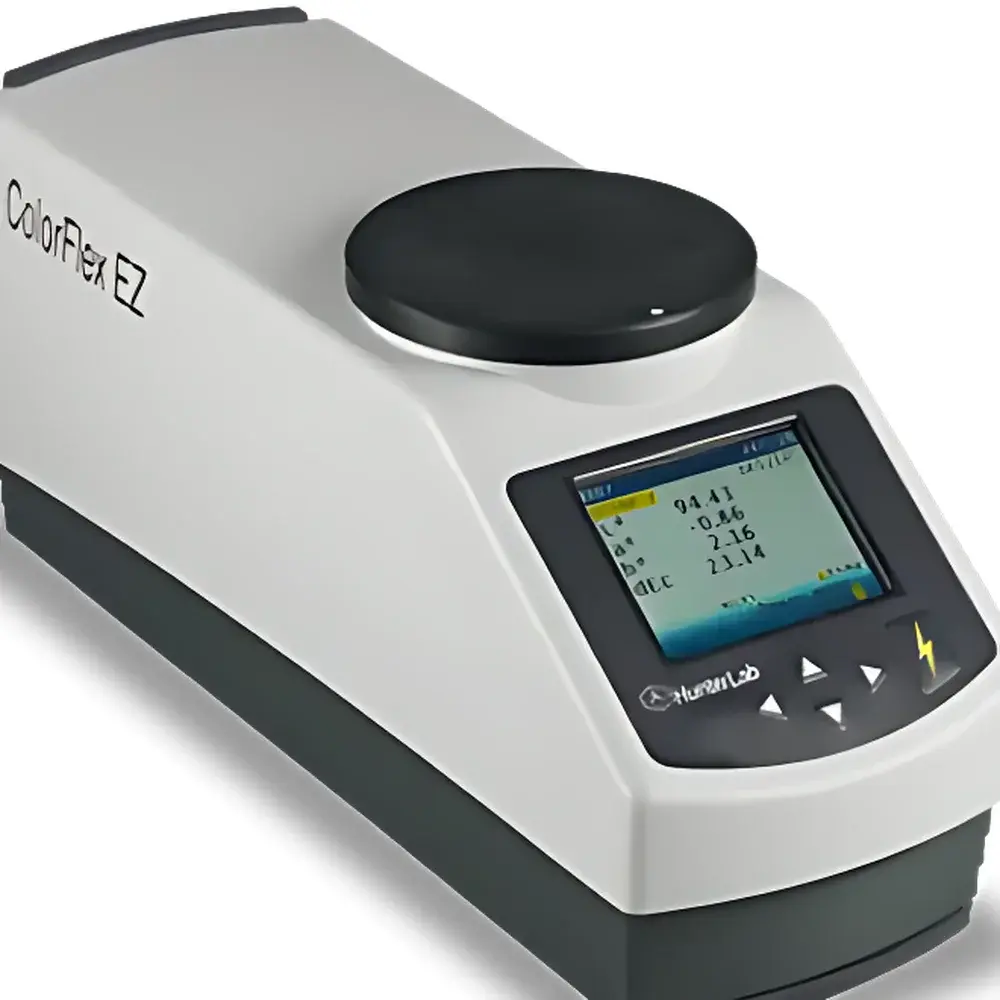
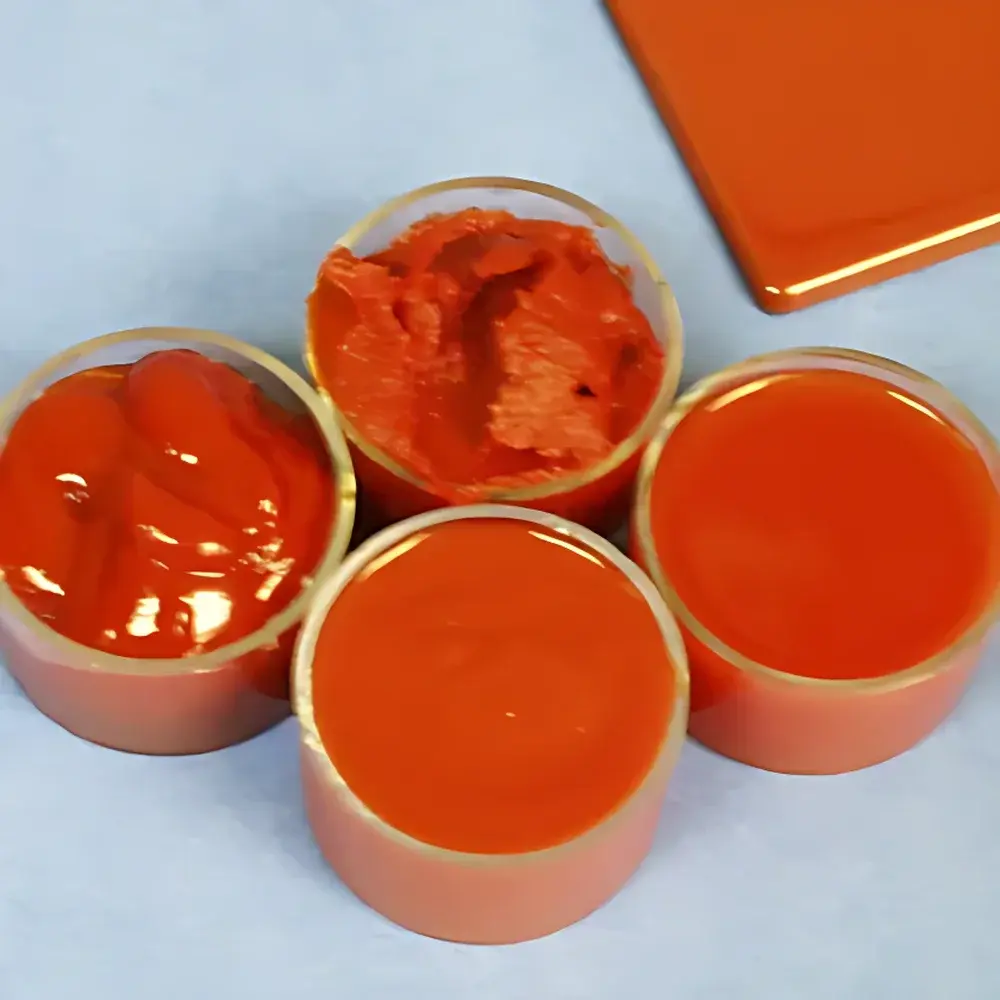
The HunterLab ColorFlex EZ Tomato is a purpose-engineered benchtop spectrophotometer designed specifically for color measurement and quality control in tomato-based food processing applications. Utilizing a fixed 45°/0° optical geometry—where light is directed onto the sample at 45° and reflected light is collected perpendicularly at 0°—the instrument delivers high-precision, geometry-sensitive reflectance measurements critical for viscous, semi-opaque, or non-uniform matrices such as ketchup, puree, paste, and juice. This configuration minimizes specular reflectance interference and ensures consistent evaluation of surface color independent of gloss variations. The pulsed xenon lamp provides full-spectrum illumination across 400–700 nm with exceptional stability and longevity (>500,000 flashes), enabling rapid (<1 s), repeatable measurements under standardized illuminants (A, C, D65, TL84, F) and observer angles (2° and 10°). Its upward-facing aperture allows direct placement of open containers—beakers, jars, or production cups—enabling non-destructive, operator-safe assessment of real-world product forms without transfer or dilution.
Key Features
- Upward-facing measurement port optimized for direct analysis of viscous tomato products in standard lab or production containers
- Dual-beam pulsed xenon illumination ensuring spectral stability, low thermal drift, and long-term photometric consistency
- Integrated large-format display supporting multilingual UI (English, Chinese, Spanish) for global operational flexibility
- 99 programmable user-defined methods—including dedicated tomato grading protocols aligned with USDA and EU regulatory frameworks
- Pre-configured tomato-specific indices: a/b ratio, Tomato Chroma Grade, Tomato Juice Grade, Tomato Puree Grade, Tomato Ketchup Grade, and Tomato Sauce Grade
- Comprehensive color space support: CIE L*a*b*, L*C*h°, XYZ, Yxy, and Hunter Lab, with advanced difference metrics (ΔE*, ΔEcmc, metamerism index, 457 nm brightness)
- Robust mechanical architecture compliant with IP52 dust/moisture resistance for use in humid or washdown-prone QC environments
Sample Compatibility & Compliance
The ColorFlex EZ Tomato accommodates a wide range of tomato-derived materials—including raw pulp, hot-break and cold-break purees, homogenized ketchups, strained juices, and reconstituted concentrates—without requiring sample preparation beyond standard viscosity adjustment (if needed for leveling). Its 25.4 mm (1.00″) measurement area ensures representative averaging over heterogeneous surfaces. Instrument performance adheres to ASTM E308 (Standard Practice for Computing the Colors of Objects by Using the CIE System), ISO/CIE 11664 (Colorimetry), and USP (Optical Properties of Pharmaceutical and Food Products). Data integrity meets FDA 21 CFR Part 11 requirements when paired with optional SecureLink software, supporting audit trails, electronic signatures, and role-based access control for GLP/GMP-regulated facilities.
Software & Data Management
The system operates via Windows®-based EasyMatch QC software, offering intuitive method setup, real-time pass/fail decision logic based on user-defined tolerances, and automated report generation (PDF, CSV, Excel). All 99 stored methods retain full metadata: reference standards, tolerance limits, illuminant/observer settings, and custom grading rules. Raw spectral data (10 nm intervals, 400–700 nm) is archived with timestamp, operator ID, and environmental conditions (optional ambient sensor integration). Software supports statistical process control (SPC) charting, trend analysis across shifts or batches, and seamless export to LIMS or ERP platforms via ODBC or REST API. Optional Tomato Redness Analysis Module enables quantitative estimation of lycopene-related color contribution using empirically validated spectral regression models calibrated against HPLC reference data.
Applications
- Batch-to-batch color consistency verification in tomato ketchup manufacturing per USDA Grade A specifications
- In-process monitoring of thermal treatment effects on chromatic stability during puree concentration and sterilization
- Raw material qualification of tomato paste and concentrate against supplier specifications (e.g., EC Regulation No. 2019/1793 Annex I)
- Development and validation of new formulations (e.g., reduced-sodium or organic variants) with objective color benchmarking
- Root-cause analysis of color deviation linked to cultivar variation, ripeness, or enzymatic browning
- Regulatory documentation for FSMA Preventive Controls and EU Food Information to Consumers Regulation (FICR) compliance
FAQ
Does the ColorFlex EZ Tomato require calibration with physical tomato standards?
No—while traceable ceramic tiles (e.g., NIST SRM 2035) are used for routine instrument verification, the system’s built-in spectral calibration and factory characterization eliminate the need for daily physical standard use. Tomato-specific grade assignments rely on algorithmic mapping, not empirical tile matching.
Can it measure samples with high particulate content or phase separation?
Yes—the 45°/0° geometry and large aperture mitigate scattering artifacts common in heterogeneous suspensions. For optimal reproducibility, users should ensure consistent sample presentation (e.g., gentle stirring followed by static settling per SOP).
Is the tomato grading algorithm validated against international regulatory references?
Yes—the a/b ratio and grade-level classifications align with USDA AMS TP-10 (Tomato Products Standards) and EU Commission Regulation (EC) No. 1223/2009 Annex IV, with validation reports available upon request.
What is the recommended maintenance schedule?
Annual performance verification is advised; lamp output stability is monitored automatically, and the xenon source requires no scheduled replacement within typical 5–7 year service life under normal usage (<200 measurements/day).
Does it support networked deployment in multi-site quality systems?
Yes—via Ethernet or Wi-Fi, instruments can be centrally managed through HunterLab’s Enterprise Dashboard, enabling synchronized method distribution, remote diagnostics, and aggregated analytics across global facilities.





