IBI Flow Cell Online Biofilm Research System
| Brand | IBI Scientific |
|---|---|
| Origin | USA |
| Manufacturer Type | Authorized Distributor |
| Origin Category | Imported |
| Model | Flow Cell |
| Price | USD 1,000 |
| Temperature Range | 0–50 °C |
| Reaction Volume per Chamber | 0–1 mL |
| Number of Flow Chambers | 3 |
| Material | Acrylic Resin |
| Sterilization Method | Gamma Irradiation |
Overview
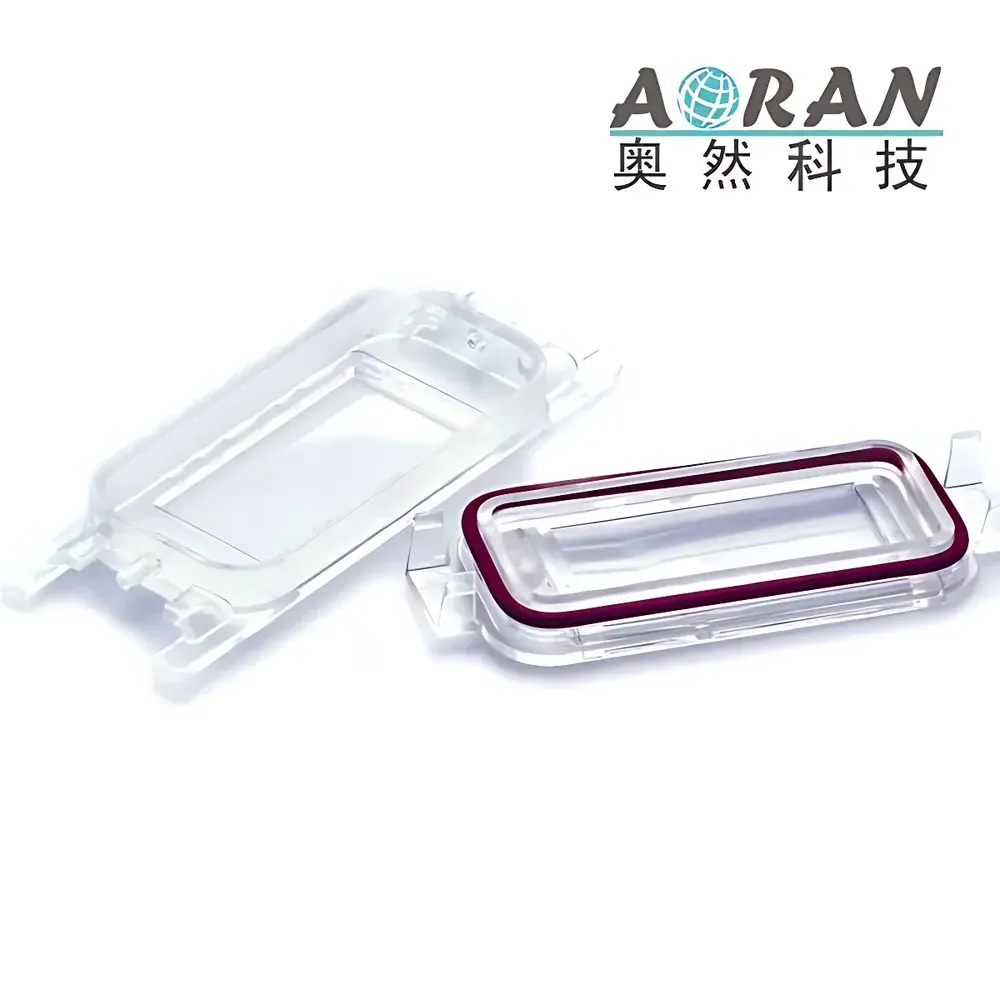
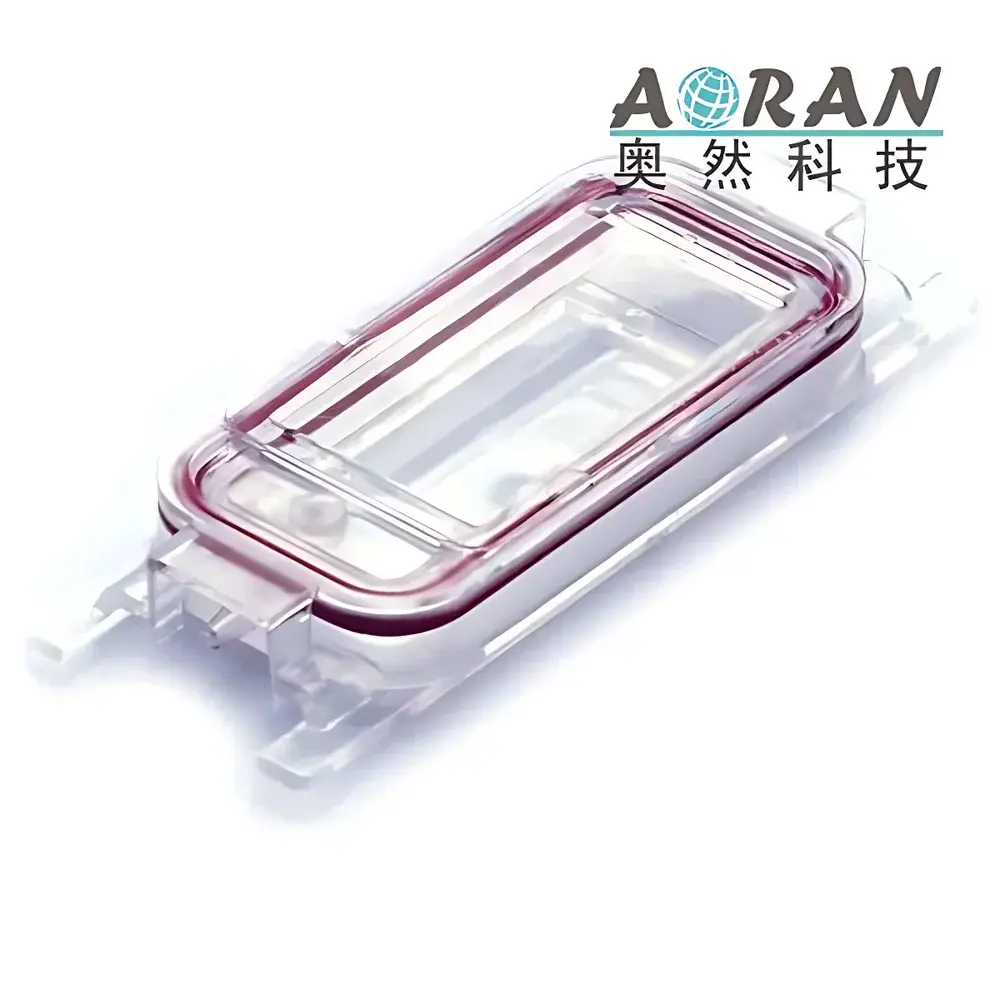
The IBI Flow Cell Online Biofilm Research System is an engineered microfluidic platform designed for real-time, non-invasive, and sterile observation of biofilm development under controlled hydrodynamic conditions. Based on the classic parallel-plate flow chamber principle, the system maintains laminar shear flow across a transparent acrylic substrate—enabling high-resolution optical interrogation of microbial adhesion, microcolony formation, maturation, and dispersion dynamics. Unlike static culture models, this system replicates physiologically relevant fluid shear stresses encountered in natural and clinical environments (e.g., catheters, pipelines, oral mucosa), thereby improving ecological validity of biofilm phenotyping. Each flow cell is pre-sterilized via gamma irradiation (25–40 kGy) and supplied as a sealed, ready-to-connect unit, eliminating post-assembly sterilization steps and minimizing contamination risk during setup.
Key Features
- Triple-chamber modular design: Three independent, identical flow cells (each accommodating up to 1 mL total volume) allow for parallel experimental conditions—e.g., control vs. treatment vs. time-series sampling—within a single instrument footprint.
- Optically transparent acrylic construction: Provides full compatibility with transmitted-light brightfield, phase-contrast, fluorescence, and confocal laser scanning microscopy (CLSM); refractive index matched for minimal optical distortion.
- Integrated bubble trap and pressure-dampening reservoir: Mitigates pulsatile flow artifacts from peristaltic pumps by smoothing hydraulic pressure fluctuations, ensuring stable wall shear stress (<±2% variation over 60 min) critical for reproducible biofilm architecture.
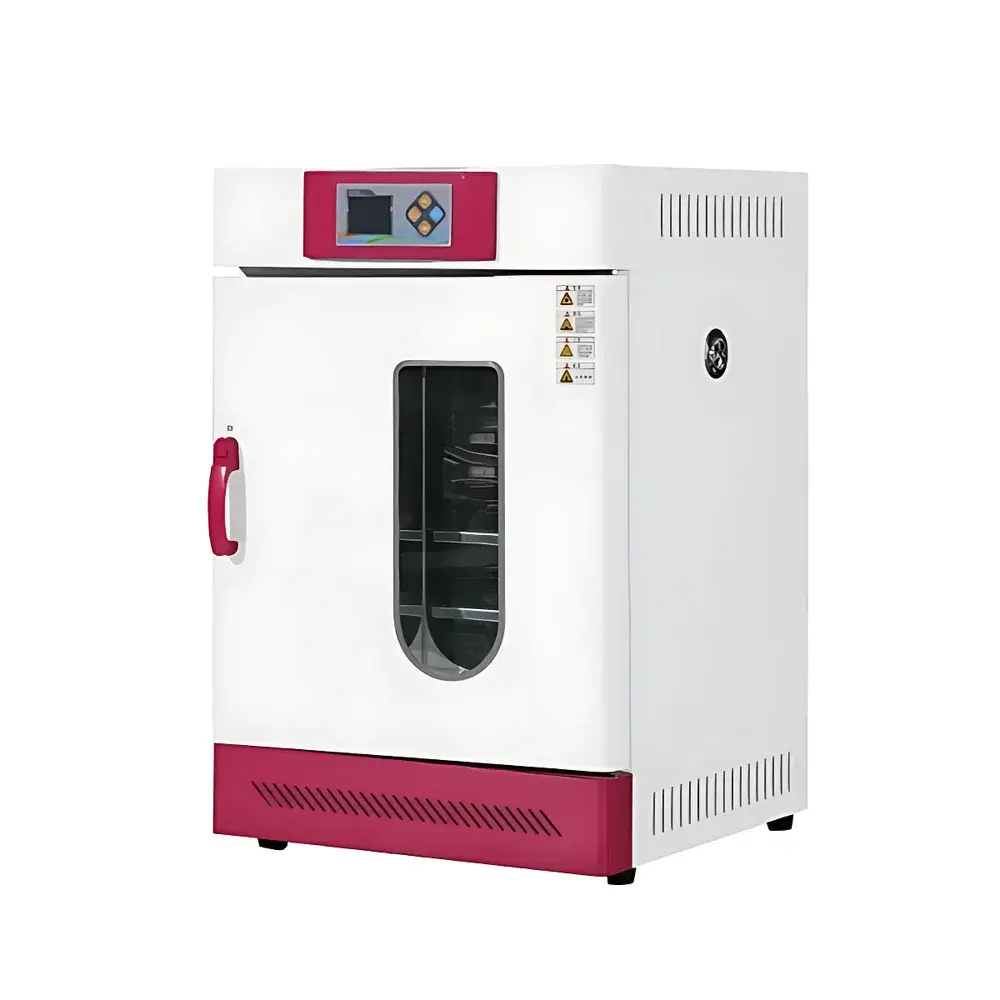
- Temperature-controlled operation: Compatible with external incubators or stage-top heaters; validated performance across 0–50 °C supports studies involving psychrophilic, mesophilic, and thermophilic strains.
- Single-use, gamma-irradiated configuration: Eliminates cross-contamination between runs; no autoclaving or chemical disinfection required—reducing labor, validation overhead, and material degradation.
Sample Compatibility & Compliance
The system accommodates a broad range of Gram-positive and Gram-negative bacteria (e.g., Pseudomonas aeruginosa, Staphylococcus aureus, Escherichia coli), fungal species (e.g., Candida albicans), and mixed-species consortia. Substratum surfaces can be functionalized with extracellular matrix proteins (fibronectin, collagen), polysaccharides, or antimicrobial coatings to model host-pathogen or biomaterial interface interactions. All components comply with ISO 10993-5 (cytotoxicity) and USP extractables testing protocols. The gamma sterilization process adheres to ANSI/AAMI ST34 and ISO 11137-1 standards, with full sterility assurance level (SAL) of 10−6. Device documentation supports GLP-compliant study execution and FDA 21 CFR Part 11–aligned electronic record retention when paired with validated imaging acquisition software.
Software & Data Management
While the Flow Cell itself is hardware-only, it integrates seamlessly with industry-standard imaging platforms including Nikon NIS-Elements, Zeiss ZEN, and Olympus cellSens. Time-lapse image sequences are exported in TIFF or OME-TIFF formats, preserving metadata (timestamp, objective, exposure settings) for FAIR (Findable, Accessible, Interoperable, Reusable) data management. When used with automated stage controllers and environmental chambers, the system supports unattended multi-day acquisitions—ideal for longitudinal biofilm kinetics studies. Metadata tagging and audit trails can be implemented using laboratory information management systems (LIMS) compliant with ISO/IEC 17025 requirements.
Applications
- Quantitative analysis of initial attachment kinetics under defined shear rates (0.01–10 dyn/cm²).
- In situ assessment of antimicrobial efficacy (e.g., antibiotics, biocides, phage therapy) against mature biofilms under continuous flow.
- Investigation of interspecies competition, metabolic cross-feeding, and spatial organization in polymicrobial communities.
- Development and validation of anti-biofilm surface coatings for medical devices (e.g., urinary catheters, orthopedic implants).
- Correlation of transcriptomic/proteomic profiles with real-time structural phenotypes captured via CLSM or light-sheet microscopy.
FAQ
Can the flow cells be reused after sterilization?
No—each flow cell is supplied as a single-use, gamma-irradiated component. Reuse compromises sterility assurance and risks microchannel fouling or surface alteration.
What tubing sizes are compatible with the inlet/outlet ports?
Standard Luer-lock connections accept 1/16″ ID silicone or Tygon® tubing; custom adapters available for 1/8″ or metric fittings.
Is the system compatible with anaerobic cultivation?
Yes—when coupled with gas-permeable tubing and an anaerobic workstation or glove box, the sealed flow path supports strict anaerobe studies (e.g., Bacteroides, Clostridioides difficile).
How is wall shear stress calculated and controlled?
Shear stress (τ) is derived from flow rate (Q), channel height (h), width (w), and dynamic viscosity (μ): τ = 6μQ/(wh²). Users calibrate Q using calibrated peristaltic pumps or syringe infusion systems; typical operating range: 0.1–5 mL/min.
Does IBI provide application support or protocol templates?
Yes—IBI Scientific offers validated SOPs for P. aeruginosa PAO1 biofilm development, CLSM staining workflows (SYTO 9/propidium iodide), and shear calibration procedures, all aligned with ASTM E2871 and ISO 22196 methodologies.