
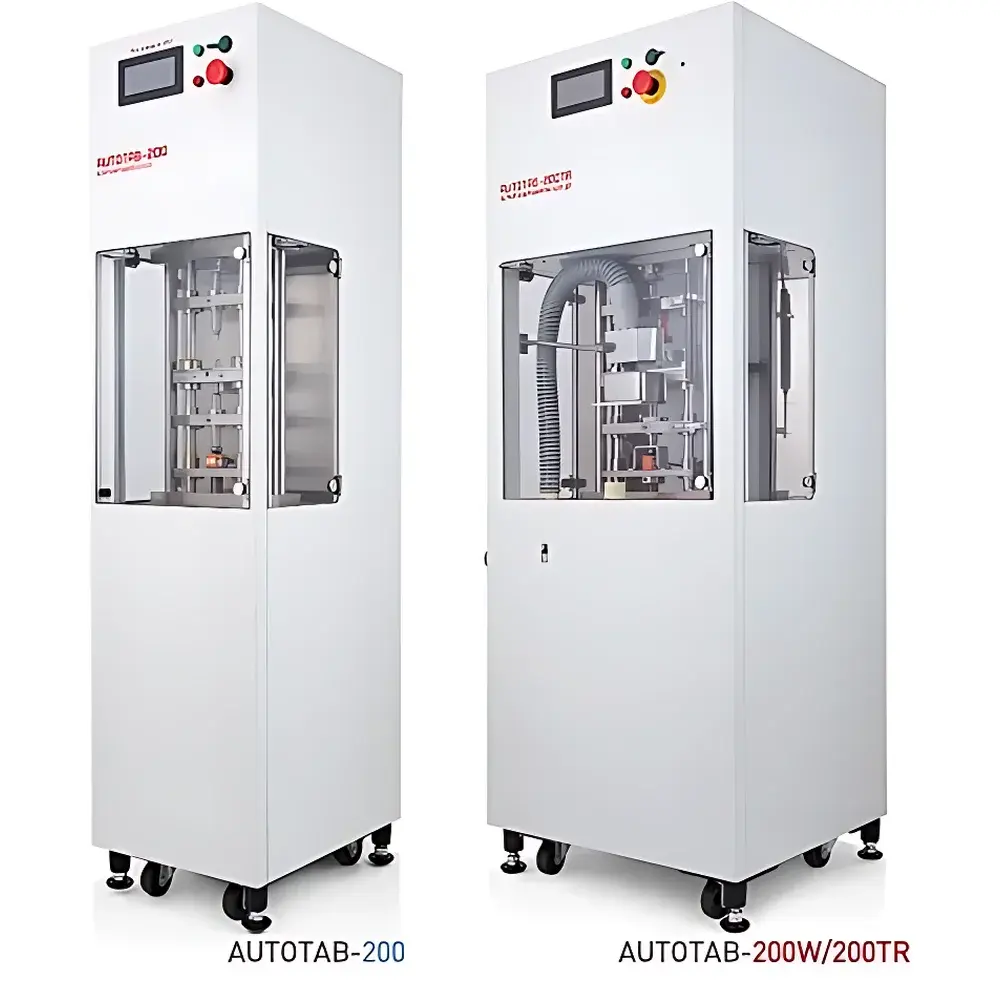
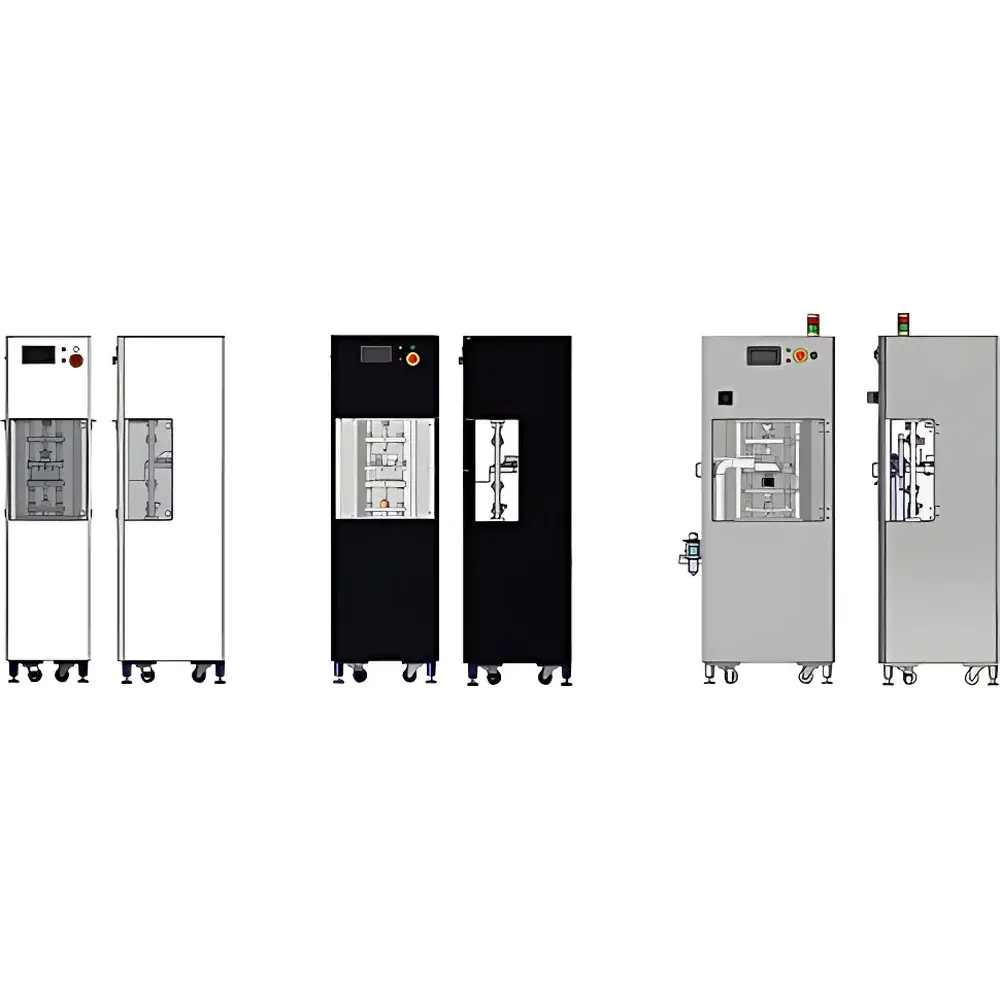
Ichihashi Seiki Autotab-200W Fully Automated Single-Station Double-Layer Tablet Press
| [Brand | Ichihashi Seiki |
|---|---|
| Origin | Japan |
| Model | Autotab-200W |
| Max Compression Force | 40 kN |
| Max Tablet Diameter | Φ16 mm (IPT/TSM-B) or Φ23 mm (IPT/TSM-D) |
| Fill Depth | ~18 mm |
| Tooling Standard | IPT/TSM-B or D |
| Cycle Time | 20 sec/tablet |
| Motor Power | 0.8 kW |
| Voltage | 100/110 V or 200/220 V |
| Weight | 220 kg |
| Dimensions (W×D×H) | 500 × 500 × 1540 mm |
| Hopper Capacity | 2 × 70 mL |
| Compliance | IPT, TSM, EU tooling compatible |
| Data Export | USB interface with proprietary software] |
Overview
The Ichihashi Seiki Autotab-200W is a fully automated, single-station double-layer tablet press engineered for precision, repeatability, and regulatory-aware operation in R&D laboratories and quality control environments. Unlike rotary presses designed for high-volume production, the Autotab-200W employs a controlled mechanical cam-driven compression system based on the fundamental principles of uniaxial powder compaction—applying defined upper and lower punch forces to achieve reproducible density profiles across two independently metered layers. Its architecture integrates real-time force monitoring, programmable fill depth control per layer, and synchronized pre-compression—enabling robust development of bilayer tablets with distinct release kinetics, physical separation of incompatible actives, or core-shell architectures. The system operates under deterministic motion control, ensuring consistent dwell time and force application critical for material characterization, formulation screening, and pre-GMP process studies.
Key Features
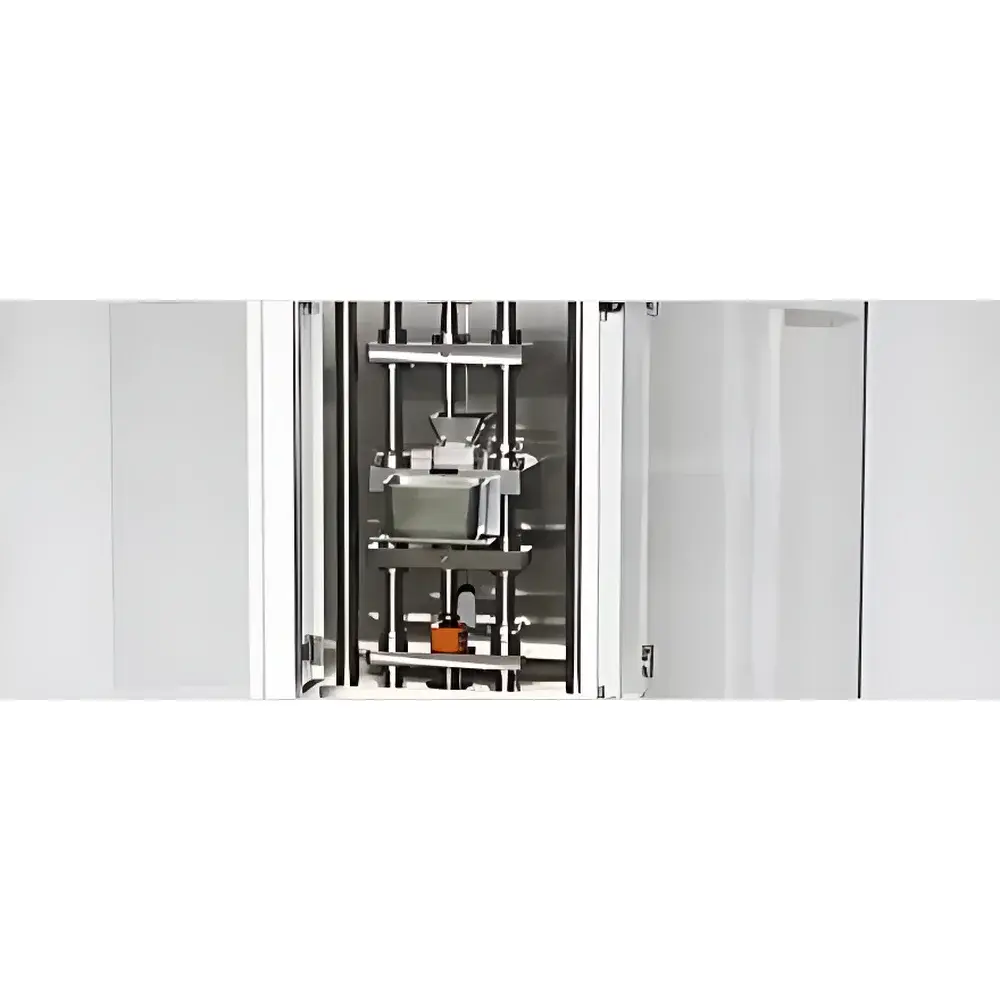
- Fully automated double-layer compression cycle with independent feed hoppers (2 × 70 mL), each supporting programmable volumetric filling and pre-compression via upper punch displacement control.
- Intuitive 7-inch capacitive touchscreen interface enabling direct input of compression force (up to 40 kN), layer-specific fill depth (±0.01 mm resolution), ejection force, and total tablet count—no external PC required for basic operation.
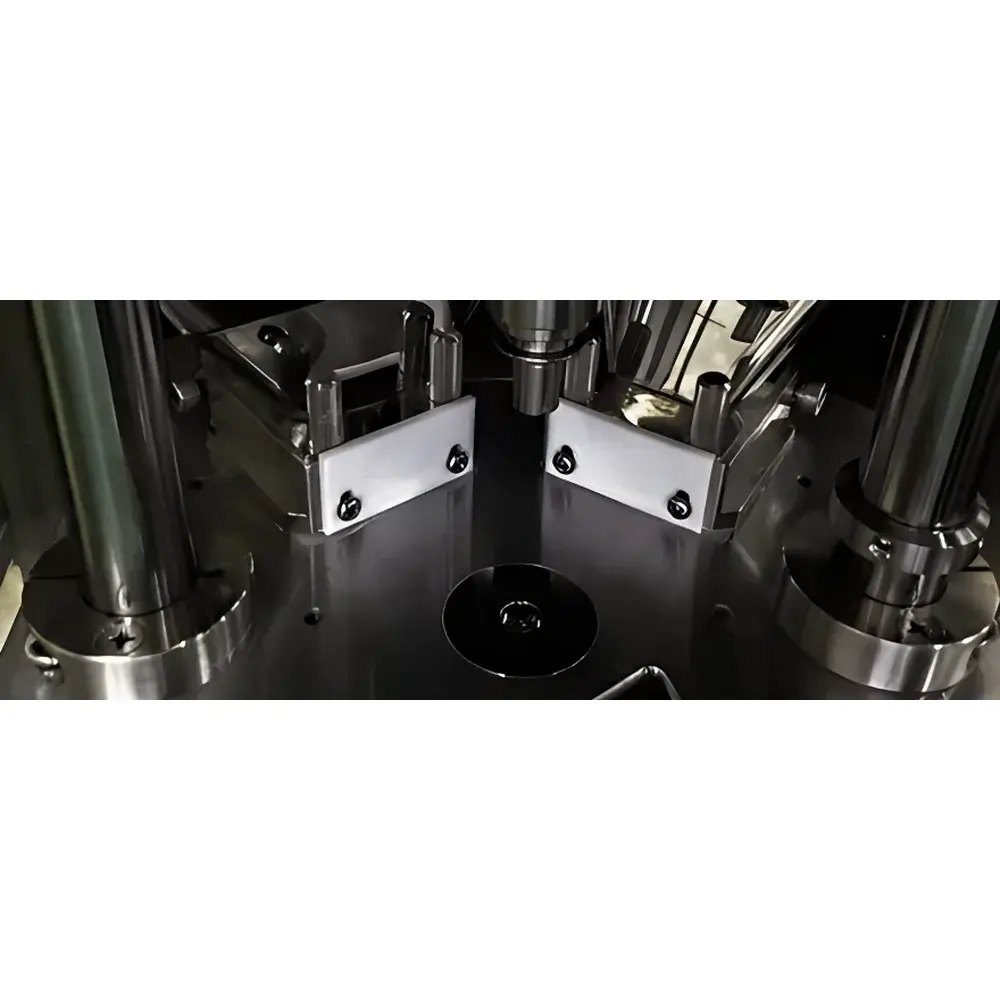
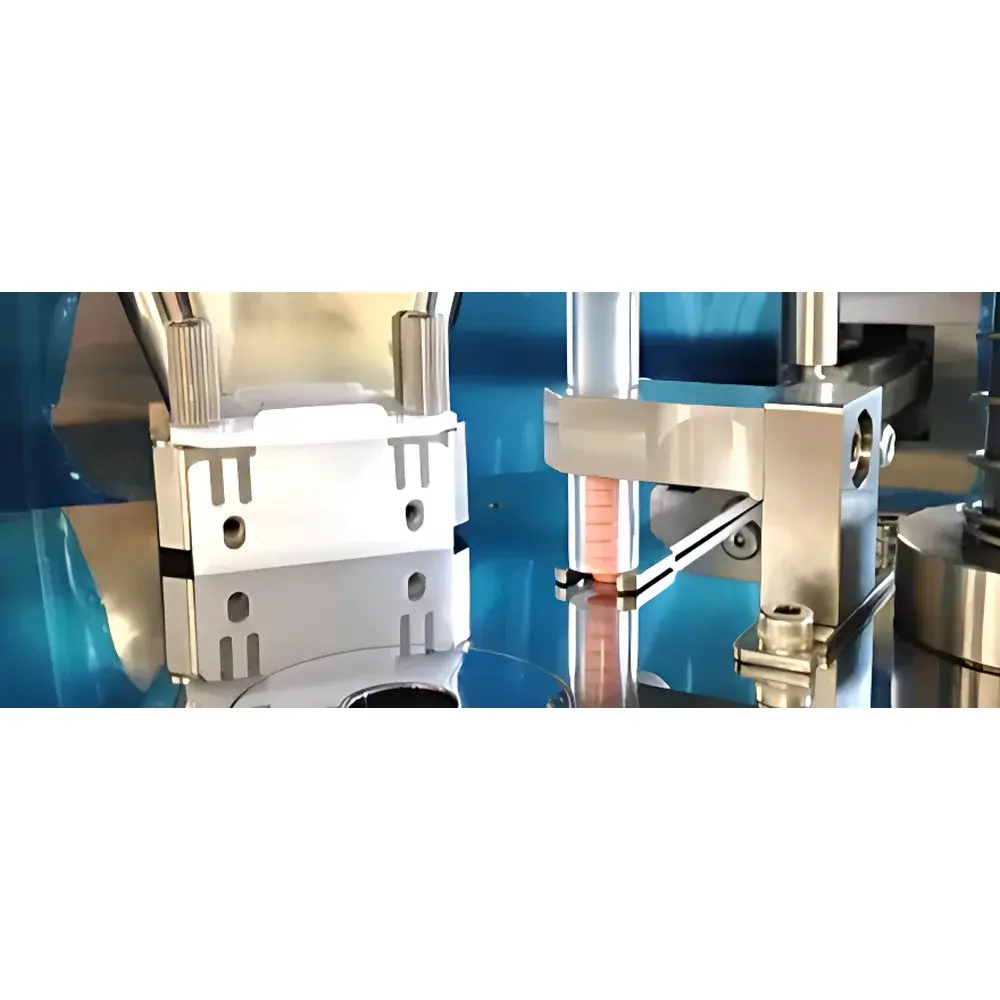
- Modular IPT/TSM-B and TSM-D tooling compatibility (Φ16 mm and Φ23 mm max diameter), supporting standard round, oval, and custom-shaped punches—including embossed, scored, and multi-cavity configurations.
- Three-side interlocked access doors facilitating rapid tooling changeover, die cavity cleaning, and visual inspection—designed for minimal downtime during method transfer or formulation iteration.
- Integrated USB data export capability for time-stamped compression profiles (main compression force, ejection force, upper/lower punch displacement) compatible with laboratory data management systems.
- Optional air-blast and vacuum dust collection system (externally mounted cyclonic collector) to minimize cross-contamination between layers during sequential feeding—critical for low-dose APIs or hygroscopic excipients.
- Safety-engineered motion control logic prevents upper/lower punch collision under all operational states, with hardware-limit switches and software-enforced positional envelopes compliant with ISO 13857 and IEC 62061.
Sample Compatibility & Compliance
The Autotab-200W accommodates a broad range of powder formulations—from pharmaceutical actives and excipients (microcrystalline cellulose, lactose monohydrate, mannitol) to inorganic ceramics, catalyst supports, and battery electrode materials. Its 18 mm maximum fill depth and dual-layer metering enable formulation of asymmetric bilayers with thickness ratios exceeding 1:5. Tooling conforms to international standards including IPT (International Pharmaceutical Technology), TSM (Tablet Specification Manual), and EU Pharmacopoeia Annex 5 specifications. While not a GMP-certified production unit, its design supports GLP-aligned documentation practices: audit-trail-capable parameter logging, user-access-level controls (operator/engineer/administrator), and exportable raw data files suitable for FDA 21 CFR Part 11–compliant review when paired with validated third-party software.
Software & Data Management
Operation is managed via embedded firmware with no OS dependencies. All compression parameters—including force-time curves, punch position traces, and cycle timestamps—are stored internally and exportable via USB mass storage mode as CSV files. The proprietary data acquisition software (Windows-compatible, supplied separately) enables visualization of layer-specific densification behavior, comparative analysis across batches, and generation of summary reports aligned with internal SOP templates. Raw data files retain native sensor resolution (1 kHz sampling for load cells, 0.005 mm for linear encoders) without interpolation or lossy compression—ensuring traceability for root cause analysis during formulation troubleshooting.
Applications
- Pharmaceutical R&D: Development of immediate-release/sustained-release bilayer tablets; compatibility screening of co-formulated APIs; optimization of layer adhesion strength and interfacial delamination resistance.
- Preclinical dosage form prototyping: Rapid iteration of dose-sparing bilayer designs for toxicology studies; evaluation of coating-substrate interactions prior to film-coating trials.
- Materials science: Compaction behavior analysis of ceramic green bodies; catalyst pellet density profiling; solid-state battery electrode composite consolidation studies.
- Quality assurance: In-house verification of tablet hardness, thickness, and weight uniformity against USP and ; correlation of machine parameters with downstream dissolution performance.
- Nutraceutical manufacturing: Production of layered vitamin-mineral tablets with pH-dependent release profiles or organoleptic masking layers.
FAQ
Can the Autotab-200W produce true tri-layer tablets?
No—the Autotab-200W is configured exclusively for double-layer compression. The Autotab-200TR model supports three-layer compression and optional core-in-powder (chip-in-tablet) configurations.
Is tooling calibration required before each run?
No routine recalibration is needed; however, daily verification of punch alignment and force zero-point using certified reference load cells is recommended per internal QC protocols.
Does the system support remote monitoring or network connectivity?
It lacks Ethernet or Wi-Fi interfaces. Data exchange is limited to USB-host file transfer; integration into LIMS or MES requires manual import or middleware scripting.
What maintenance intervals are specified for the cam drive and hydraulic system?
Lubrication of the camshaft and guide rails is required every 200 operating hours; hydraulic oil replacement is scheduled at 2,000-hour intervals per the manufacturer’s service manual.
Can non-IPT tooling be adapted?
Only IPT/TSM-compliant tooling is supported. Non-standard punch shanks or die bore geometries will not engage correctly with the station’s retention mechanism and are not covered under warranty.







