
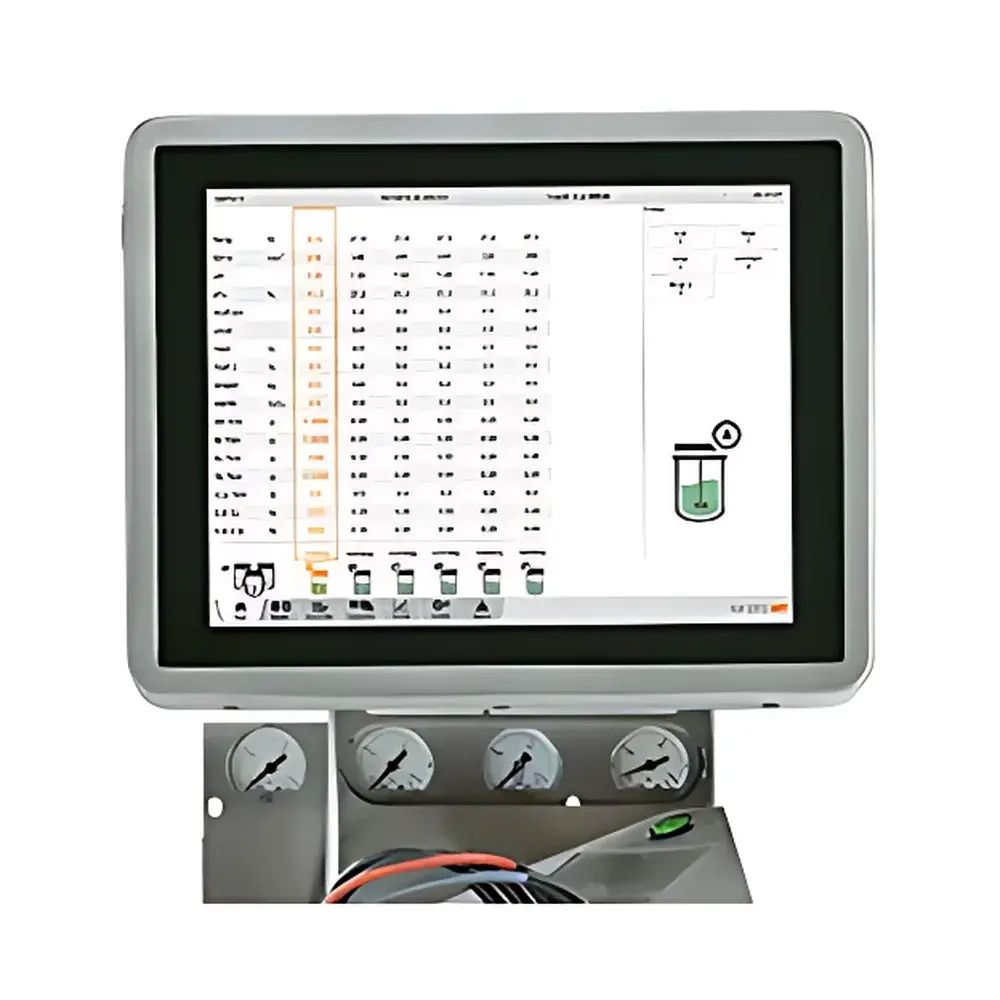
INFORS Labfors 5 Benchtop Fermenter
| Brand | INFORS |
|---|---|
| Origin | Switzerland |
| Model | Labfors 5 |
| Vessel Volume | 1–10 L |
| Aeration System | Central flow control |
| pH Control Range | 1–14, Accuracy: ±0.01 |
| Dissolved Oxygen (DO) Control Range | 0–200 %, Accuracy: ±0.1 % |
| Temperature Control Range (jacketed mode) | Cooling medium temperature +5 °C to 70 °C, Accuracy: ±0.1 °C |
Overview
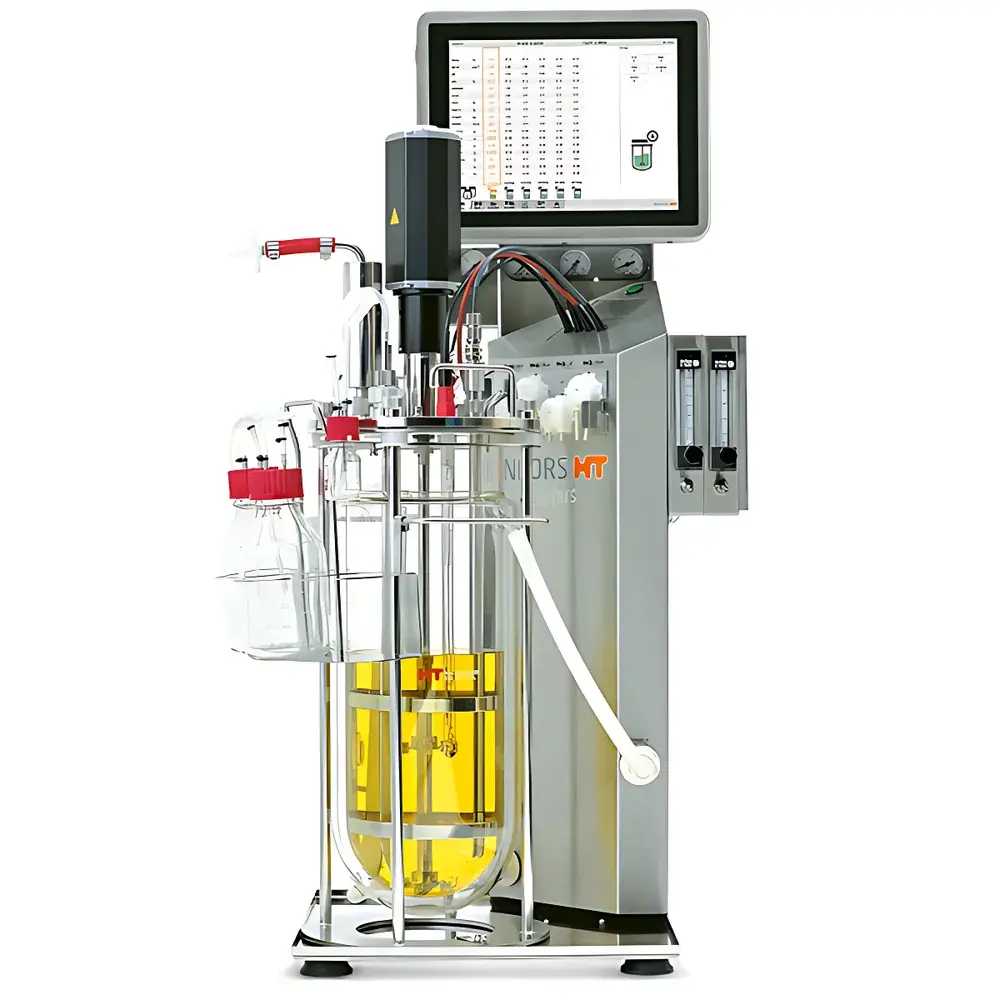
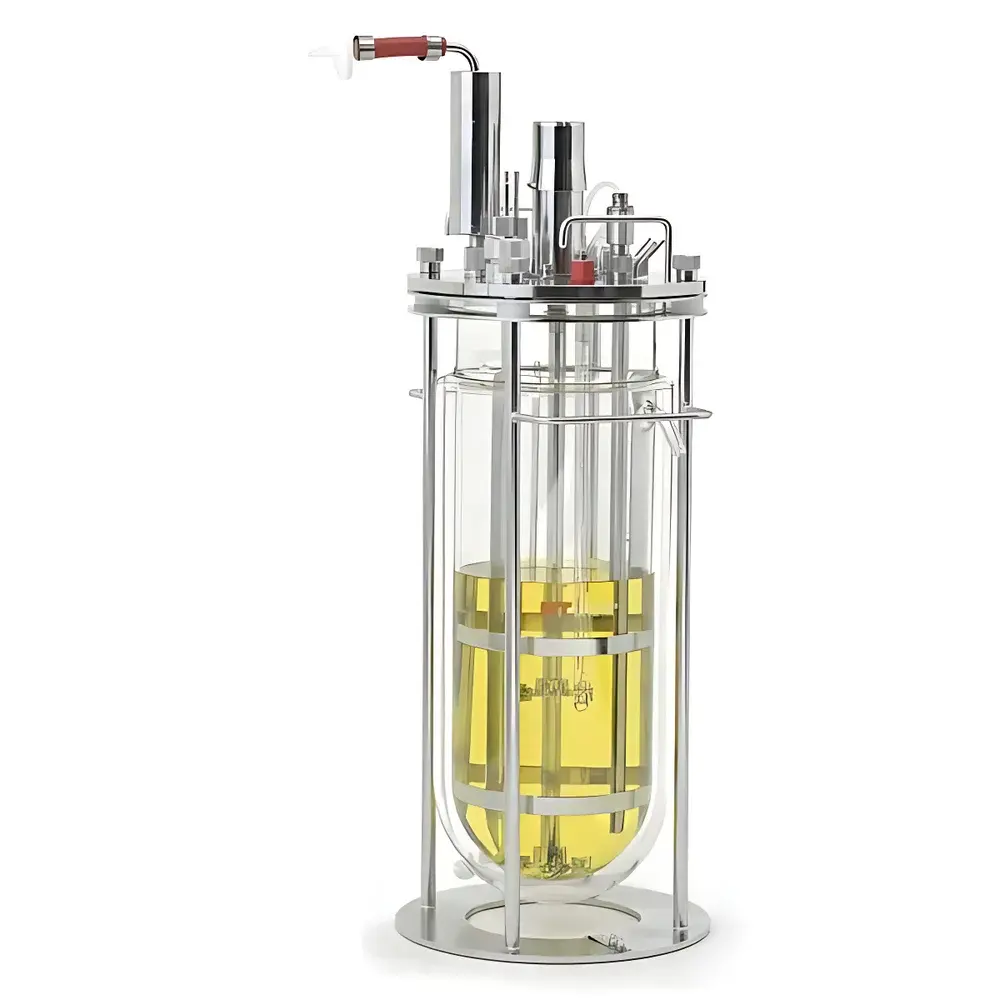
The INFORS Labfors 5 Benchtop Fermenter is a fully integrated, off-line sterilizable bioreactor system engineered for high-precision microbial and cell culture process development in academic, R&D, and pilot-scale bioprocessing laboratories. Based on Couette-type mixing and jacketed thermal management principles, the Labfors 5 implements closed-loop control of critical bioprocess parameters—including temperature, pH, dissolved oxygen (pO2), agitation speed, foam, feeding, and gas composition—within a compact footprint (422 × 424 mm). Its modular architecture supports both bacterial fermentation (mechanical stirring, 10–1500 rpm) and sensitive mammalian or yeast cultures, with borosilicate glass vessels (1–13 L nominal volume options) sealed by electropolished 316L stainless steel heads. The system operates under sterile conditions validated per ISO 13408-1 and complies with core elements of EU GMP Annex 1 and USP <1043> for bioprocess equipment qualification.
Key Features
- Touchscreen-based Iris control system with intuitive color GUI, supporting real-time parameter visualization, alarm logging, and multi-user access levels
- Up to 24 configurable process variables—including turbidity, exhaust CO2/O2, biomass estimation via capacitance probes, glucose/methanol monitoring, and gravimetric feed control via integrated balance interface
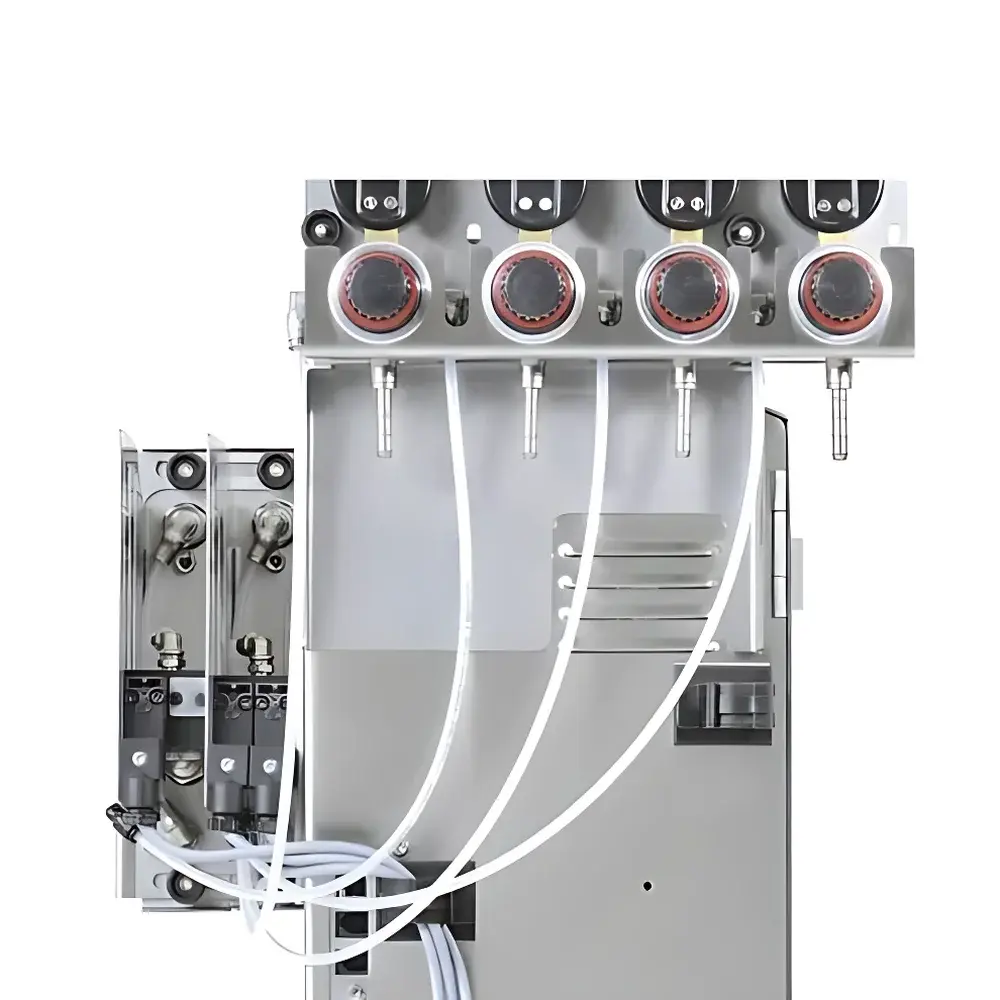
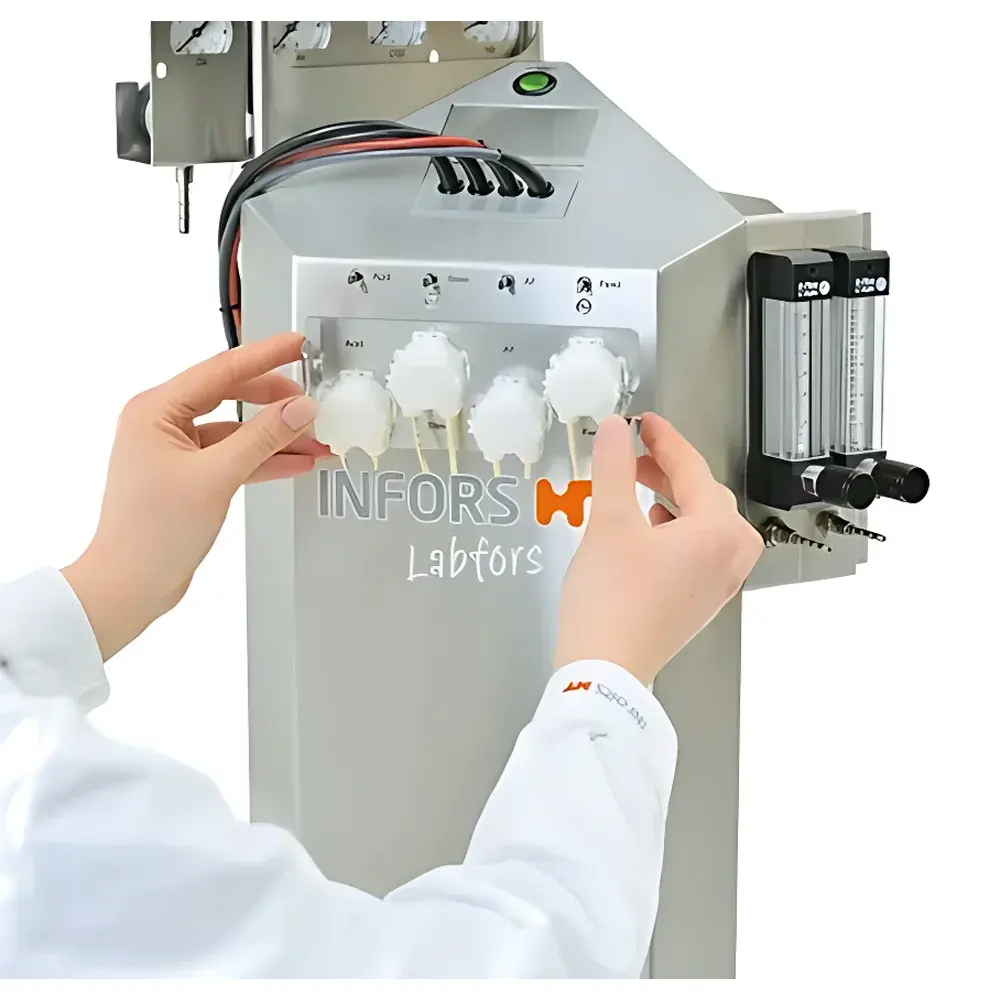
- Four high-accuracy peristaltic pumps (0–100% adjustable, 0.1-second resolution; max. 17.2 mL/min each), autoclavable and tool-free detachable
- Integrated off-line sterilization workflow: rapid vessel removal/installation with minimal handling; all wetted parts compliant with ASME BPE-2022 surface finish standards (Ra ≤ 0.4 µm)
- Advanced DO cascade logic: user-definable priority hierarchy (e.g., O2 enrichment → agitation → gas blending) with horizontal/vertical coupling modes
- Patented aseptic sampling system featuring 0.2 µm hydrophobic membrane filters, steam-sterilizable check valves, and positive-pressure purge capability
- Thermal control via double-jacketed vessel: precision ±0.1 °C using external chiller/heater circulator (operating range: cooling medium temp +5 °C to 70 °C)
Sample Compatibility & Compliance
The Labfors 5 accommodates a broad spectrum of biological systems—from aerobic E. coli and Bacillus fermentations to microaerophilic Pichia pastoris cultivations and shear-sensitive hybridoma lines. All sensors—including autoclavable pH electrodes with stainless-steel pressure housings and polarographic DO probes with integrated temperature compensation—are certified for repeated sterilization cycles (≥50 cycles at 121 °C, 20 min). Gas inlets/outlets utilize 0.2 µm PTFE membranes meeting ASTM F838-22 integrity test requirements. The system supports IQ/OQ/PQ documentation packages aligned with FDA 21 CFR Part 11 for electronic records and signatures, including full audit trail generation, user authentication, and secure data export (CSV, PDF, XML).
Software & Data Management
Iris software serves as the central data acquisition and automation engine, enabling continuous recording at up to 1 Hz resolution across all channels. It provides programmable event-triggered actions—for instance, initiating feed pulses upon pH deviation or pausing agitation during sampling. The “Fermentation Replay” function allows exact replication of prior batch profiles (setpoints, ramp rates, alarm thresholds), essential for DoE studies and regulatory consistency. When interfaced with off-gas analyzers (e.g., BlueSens or Siemens Ultima), Iris computes derived kinetic parameters—including Carbon Evolution Rate (CER), Oxygen Uptake Rate (OUR), Respiratory Quotient (RQ), and Volumetric Mass Transfer Coefficient (kLa)—in real time. Data exports comply with ALCOA+ principles (Attributable, Legible, Contemporaneous, Original, Accurate, Complete, Consistent, Enduring, Available) and support integration into LIMS or MES platforms via OPC UA or Modbus TCP protocols.
Applications
- Strain screening and media optimization under controlled redox and nutrient gradients
- Scale-down modeling for upstream process transfer from benchtop to pilot bioreactors
- Process characterization per ICH Q5D and Q5A(R2) guidelines for biologics manufacturing
- Metabolic flux analysis requiring synchronized measurement of substrate uptake and product formation
- Education and training in bioprocess engineering curricula (ABET-accredited programs)
- Regulatory filing support: generating GxP-compliant datasets for IND/IMPD submissions
FAQ
Is the Labfors 5 suitable for anaerobic cultivation?
Yes—by configuring the gas mixing station for N2/CO2/H2 blends and integrating an oxidation-reduction potential (ORP) probe, the system supports strict anaerobic processes.
Can Iris software be validated for GMP environments?
Yes—the Iris Validation Package includes installation qualification (IQ), operational qualification (OQ), and performance qualification (PQ) protocols, along with risk assessments (FMEA) and traceability matrices compliant with Annex 11 and GAMP 5.
What is the maximum allowable operating pressure?
The standard glass vessel is rated for 1.5 bar(g) working pressure; optional pressure-rated vessels (up to 3 bar(g)) are available with reinforced flange designs and ASME Section VIII Div. 1 certification.
Does the system support PAT (Process Analytical Technology) frameworks?
Yes—through open API integration, third-party sensors (e.g., Raman, NIR, dielectric spectroscopy) can be incorporated into the control loop for real-time multivariate analysis and model-predictive control strategies.
How is cybersecurity addressed in networked deployments?
Iris supports TLS 1.2 encryption, role-based access control (RBAC), and segregated VLAN deployment; it has undergone penetration testing per NIST SP 800-115 and is compatible with industrial firewalls meeting IEC 62443-3-3 SL2 requirements.
Related Products




