
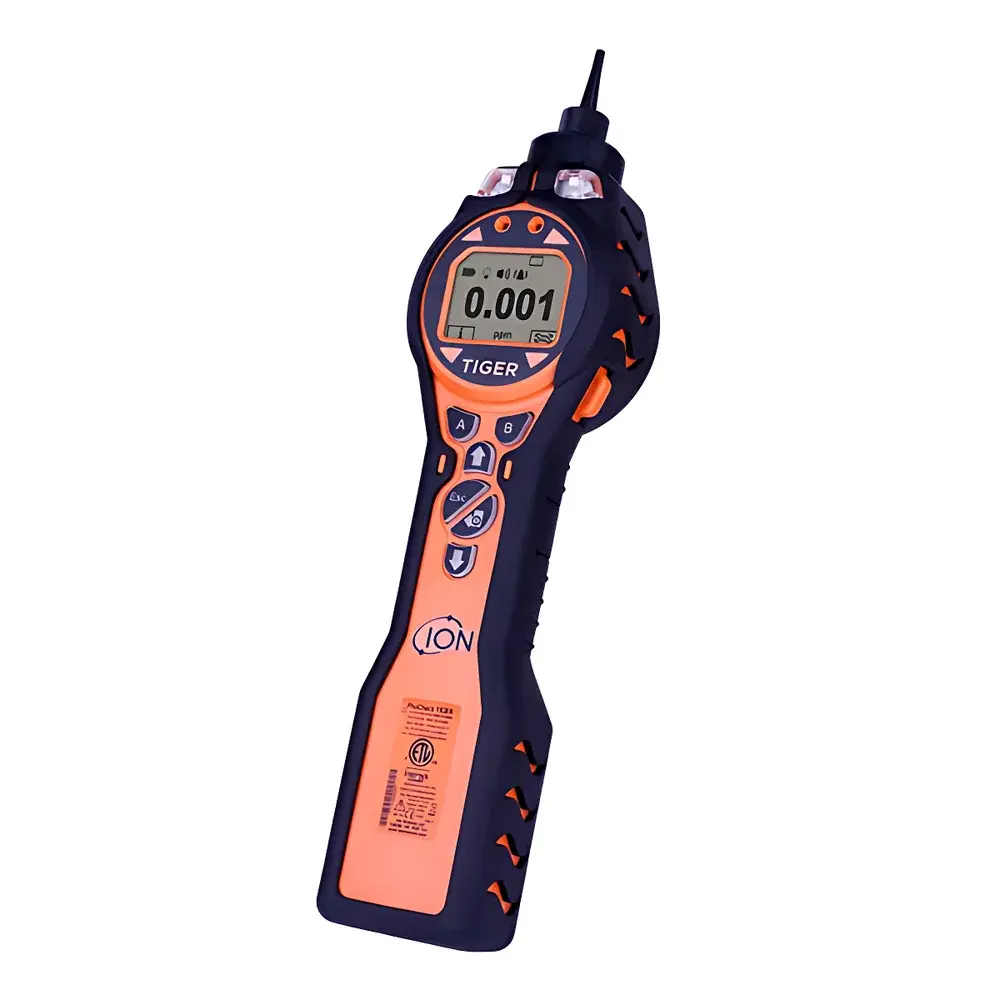
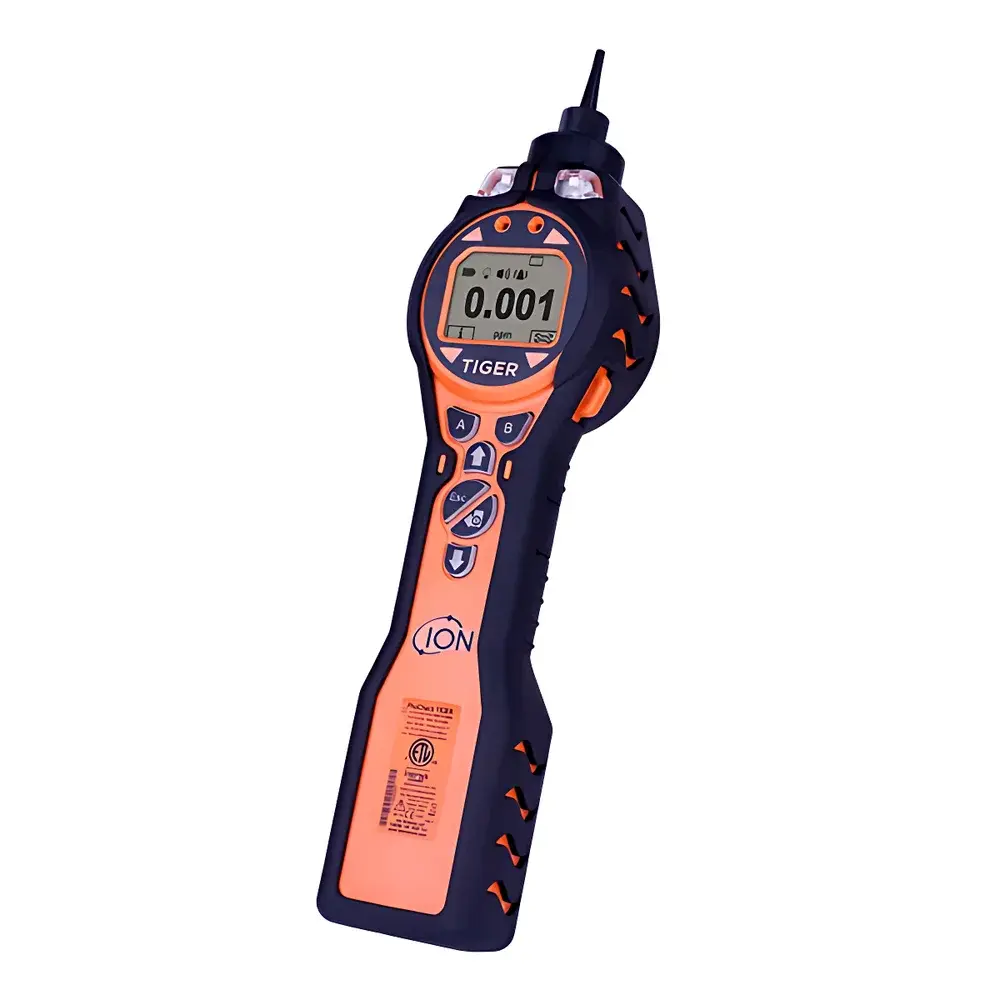
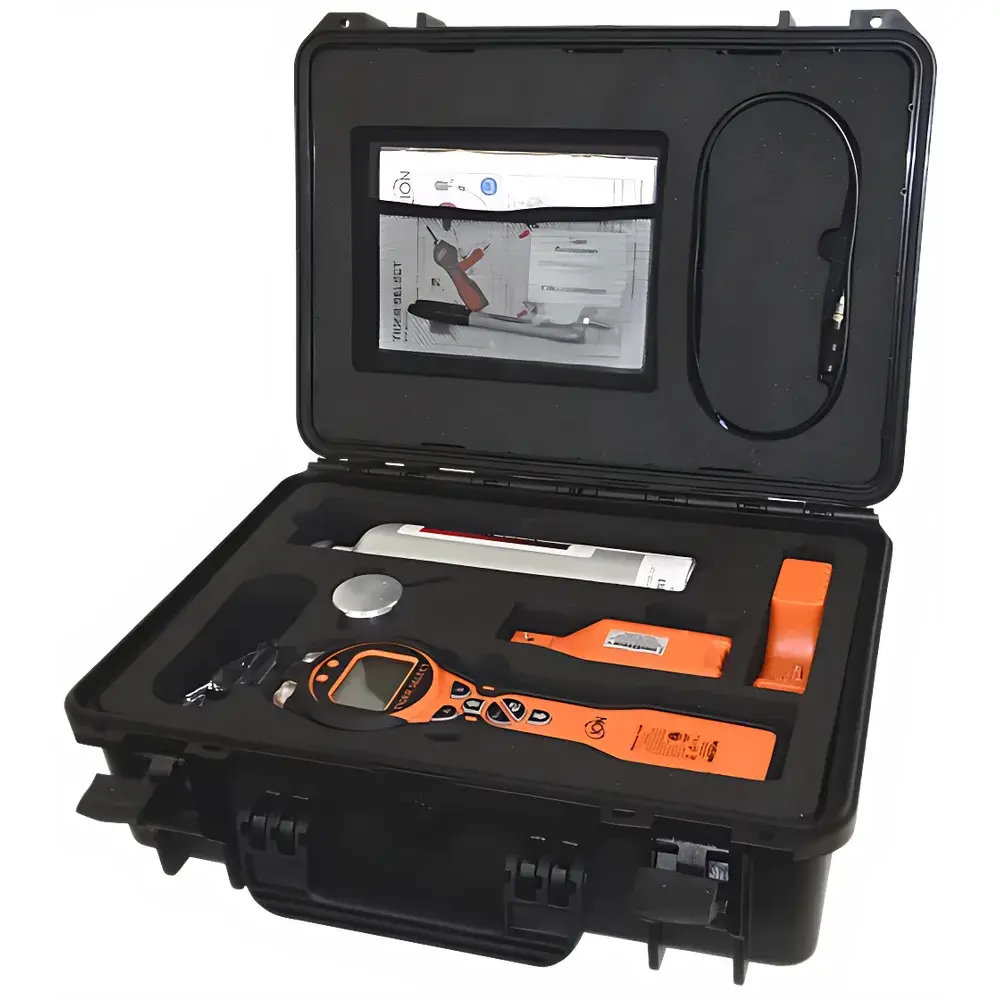
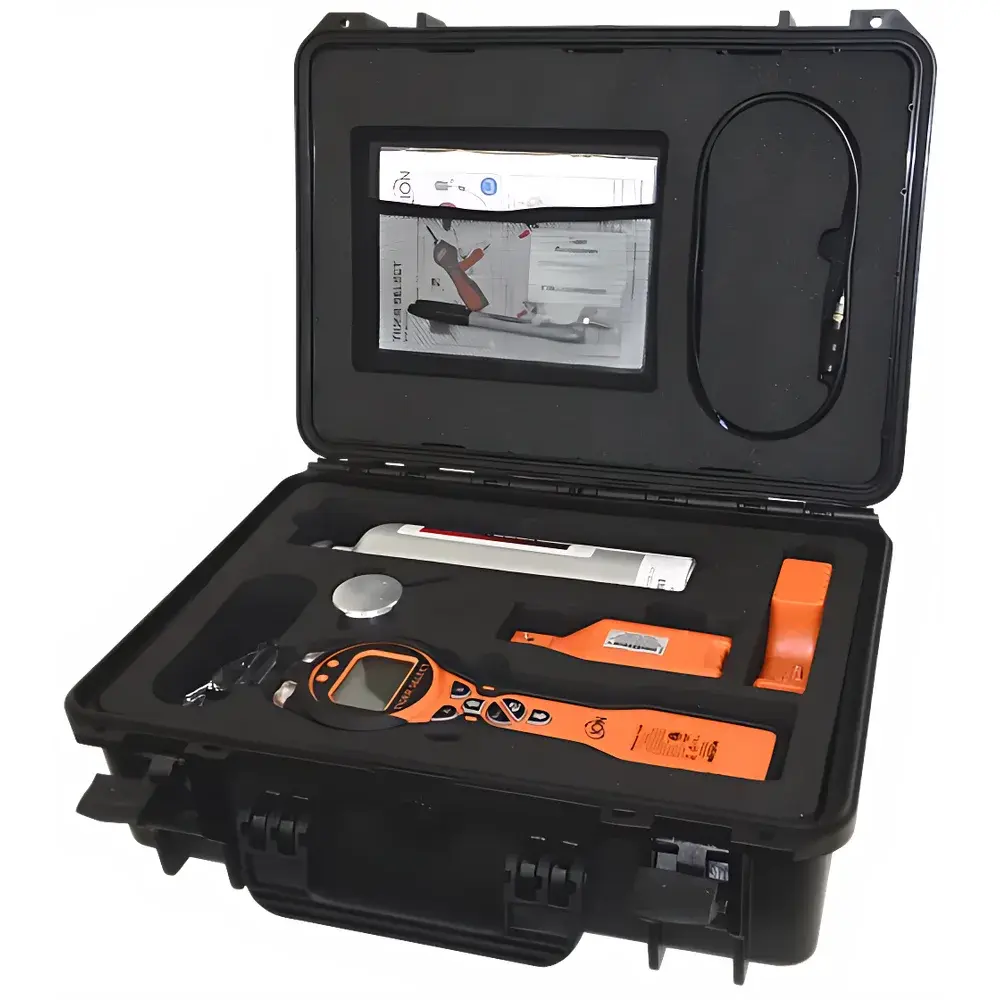
Ion Science Tiger Portable PID VOC Detector
| Brand | Ion Science |
|---|---|
| Origin | United Kingdom |
| Model | Tiger |
| Instrument Type | Portable VOC Detector |
| Detection Principle | Photoionization Detection (PID) |
| Detection Range | 1 ppb – 20,000 ppm |
| Resolution | 1 ppb |
| Accuracy | ±5% of reading |
| Response Time | <2 seconds |
| Sensor Technology | Patented ultra-low-power PID lamp with humidity-resistant electrode design |
| Operating Humidity Range | Up to 99% RH (non-condensing) |
| Battery Life | Up to 24 hours continuous operation |
| Data Interface | USB-C for real-time streaming and batch download |
| Compliance | CE, UKCA, ATEX II 2G Ex ia IIC T4 Ga, IECEx ia IIC T4 Ga, UL Listed Class I, Division 1, Groups A–D |
Overview
The Ion Science Tiger Portable PID VOC Detector is an industrial-grade handheld instrument engineered for rapid, reliable, and repeatable detection of volatile organic compounds (VOCs) in field and facility environments. At its core, the Tiger employs photoionization detection (PID) — a well-established analytical principle wherein ultraviolet (UV) photons from a high-stability 10.6 eV lamp ionize VOC molecules in sampled air, generating a current proportional to compound concentration. This method enables real-time, non-destructive measurement without chemical consumables or carrier gases. Unlike metal-oxide semiconductor (MOS) or electrochemical sensors, PID delivers broad-spectrum sensitivity across >800 VOCs and toxic vapors — including benzene, toluene, xylene, styrene, chlorinated solvents, aldehydes, and amines — while maintaining immunity to common interferents such as CO₂, methane, and water vapor. The Tiger’s ruggedized architecture is specifically optimized for environmental site assessments, confined space entry verification, industrial hygiene monitoring, and emergency response scenarios where operational continuity under high-humidity, particulate-laden, or chemically aggressive conditions is non-negotiable.
Key Features
- Patented humidity-resistant PID sensor: Ion Science’s proprietary electrode geometry and lamp housing enable stable performance up to 99% relative humidity — eliminating condensation-induced drift and false alarms typical of conventional PID units.
- Ultra-fast response & recovery: Achieves <2-second T₉₀ response and equivalent clearance time, ensuring dynamic tracking of transient plumes during leak surveys or perimeter monitoring.
- Wide linear dynamic range: Covers 1 ppb (0.001 ppm) to 20,000 ppm full-scale — enabling both trace-level screening and high-concentration hazard assessment within a single instrument.
- Field-serviceable modular design: Lamp, sensor cell, and battery are user-replaceable without tools or calibration recalibration — minimizing downtime and total cost of ownership.
- Intuitive human interface: Backlit keypad with tactile feedback, large contrast LCD, and context-sensitive menu navigation support single-hand operation in low-light or gloved conditions.
- Regulatory-ready data handling: Onboard memory stores >10,000 timestamped readings; USB-C interface supports direct PC connection for real-time telemetry, firmware updates, and GLP-compliant audit trail export (CSV/Excel).
Sample Compatibility & Compliance
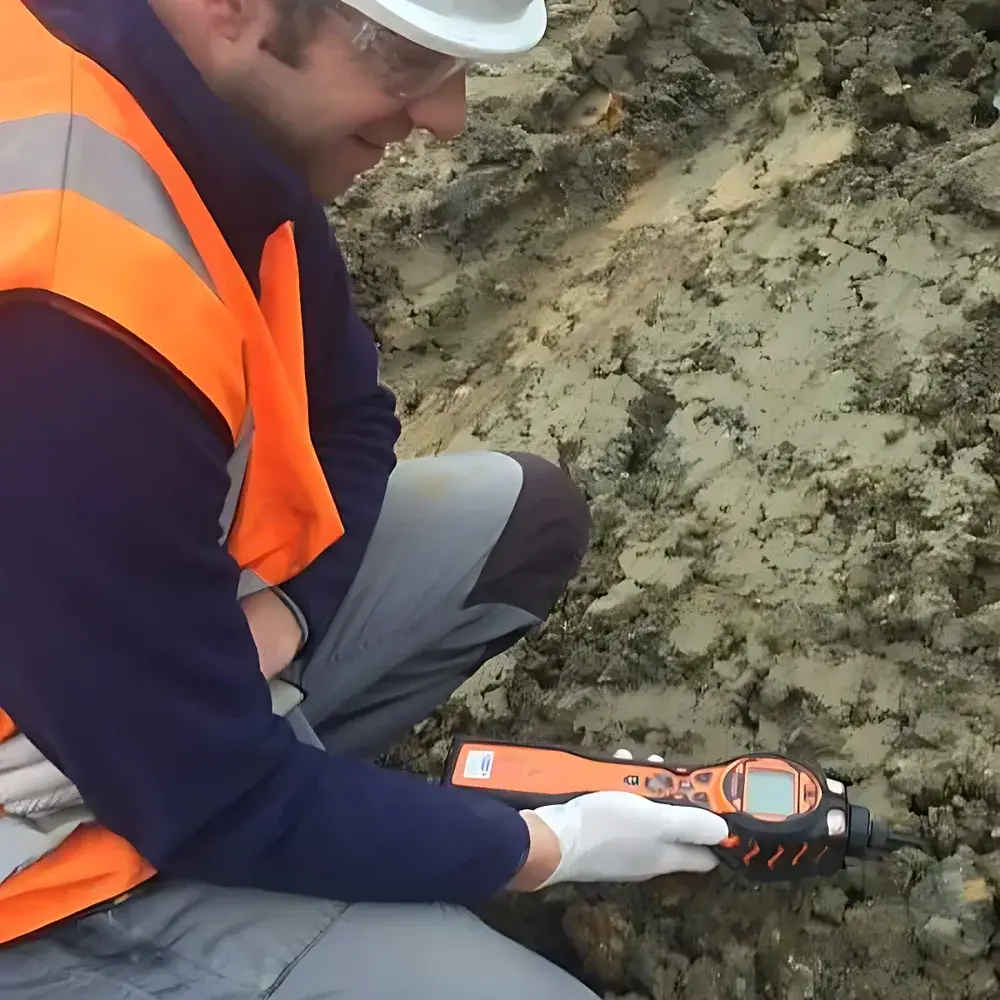
The Tiger is validated for use with ambient air, soil gas (via probe or flux chamber), and headspace vapors from liquids or solids. Its PID response factor database includes correction factors for over 800 compounds per ION Science’s certified calibration library — supporting quantitative estimation per ASTM D5733, ISO 16000-22, and EPA Method TO-15 derivations. The device meets intrinsic safety requirements for hazardous locations (ATEX/IECEx Zone 0, UL Class I Div 1), carries UKCA and CE marking for EMC and RoHS compliance, and adheres to EN 61000-6-2/6-4 electromagnetic immunity standards. For regulated industrial hygiene programs, it supports OSHA PEL, NIOSH REL, and ACGIH TLV®-based exposure assessment workflows — including STEL (Short-Term Exposure Limit) and TWA (Time-Weighted Average) logging with configurable alarm thresholds.
Software & Data Management
Tiger instruments integrate natively with Ion Science’s free TigerView PC Software, which provides real-time graphing, customizable reporting templates, and automated report generation compliant with ISO/IEC 17025 documentation requirements. All data exports include embedded metadata: operator ID, GPS coordinates (when paired with optional Bluetooth GNSS module), calibration history, sensor status flags, and environmental compensation logs. Audit trails meet FDA 21 CFR Part 11 criteria for electronic records — including user authentication, electronic signatures, and immutable read-only archives. Firmware updates preserve historical calibration coefficients and user configurations, ensuring continuity across instrument lifecycles.
Applications
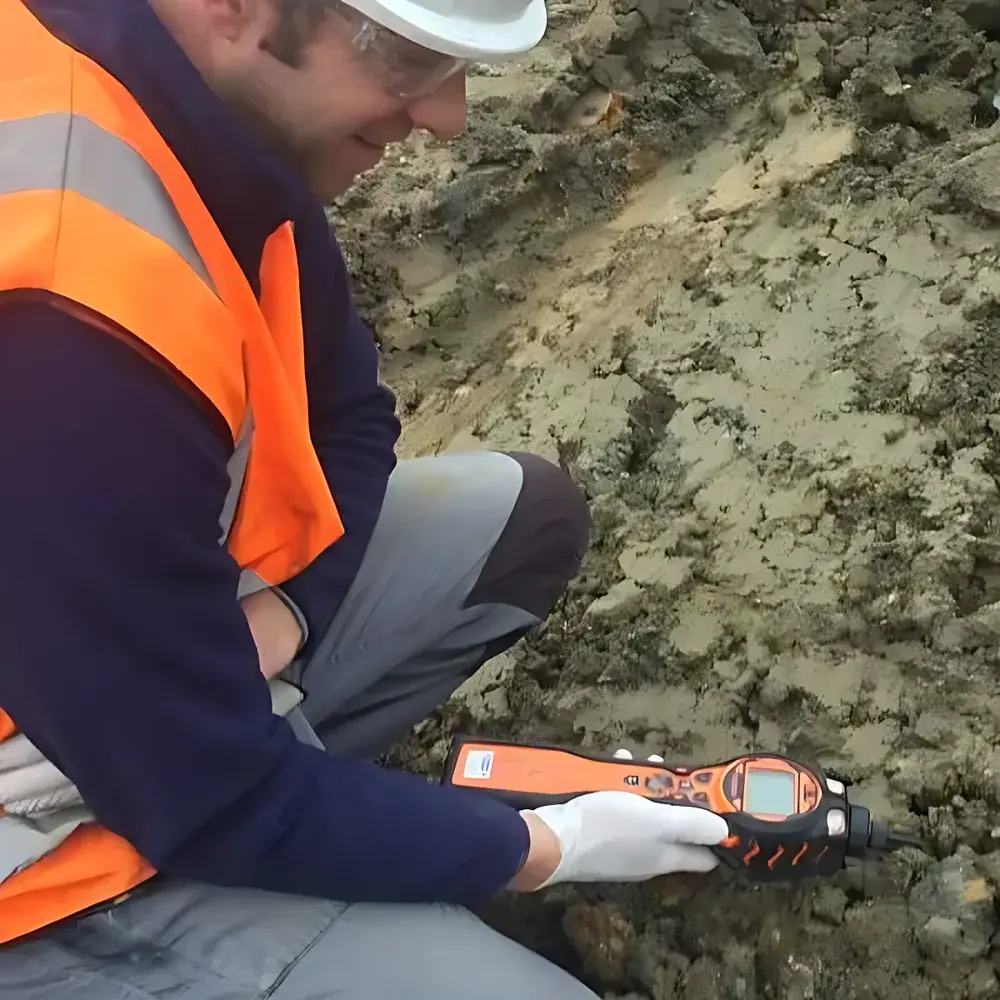
- Environmental site investigation: Rapid soil gas screening for petroleum hydrocarbons, chlorinated solvents, and PAHs; identification of NAPL presence via elevated PID response gradients.
- Indoor air quality (IAQ) assessment: Monitoring VOC emissions from building materials, cleaning agents, adhesives, and off-gassing furnishings per ASHRAE Standard 62.1.
- Industrial hygiene & occupational safety: Confined space entry pre-screening, leak detection in chemical storage areas, and personal exposure monitoring during maintenance activities.
- Hazardous waste operations: RCRA corrective action surveys, landfill cover integrity testing, and drum-headspace analysis prior to transport.
- Emergency response & first responder use: Fast triage of unknown vapor releases, hospital sterilant gas leaks (e.g., ethylene oxide, hydrogen peroxide), and post-decontamination verification.
FAQ
What VOCs does the Tiger detect?
The Tiger responds to most VOCs with ionization energies below 10.6 eV — including aromatics, ketones, aldehydes, amines, sulfides, and many halogenated compounds. It does not detect methane, ethane, formaldehyde, or chlorofluorocarbons (CFCs).
How often does the Tiger require calibration?
Field calibration is recommended before each day’s use using certified isobutylene standard gas; bump testing with 100 ppm gas is acceptable for routine verification between calibrations.
Can the Tiger operate in rain or high-moisture environments?
Yes — its IP65-rated enclosure and humidity-tolerant PID sensor allow uninterrupted operation at up to 99% RH without desiccant tubes or external drying systems.
Is the Tiger suitable for quantitative soil gas analysis?
Yes — when used with a calibrated soil gas probe and appropriate flow control, it delivers semi-quantitative data aligned with EPA SW-846 Method 8260B field screening protocols.
Does the Tiger support multi-gas configurations?
No — the Tiger is a dedicated PID-based VOC detector. For simultaneous detection of combustible gases (LEL), CO, H₂S, or O₂, Ion Science offers the TigerLT multi-sensor variant.







