
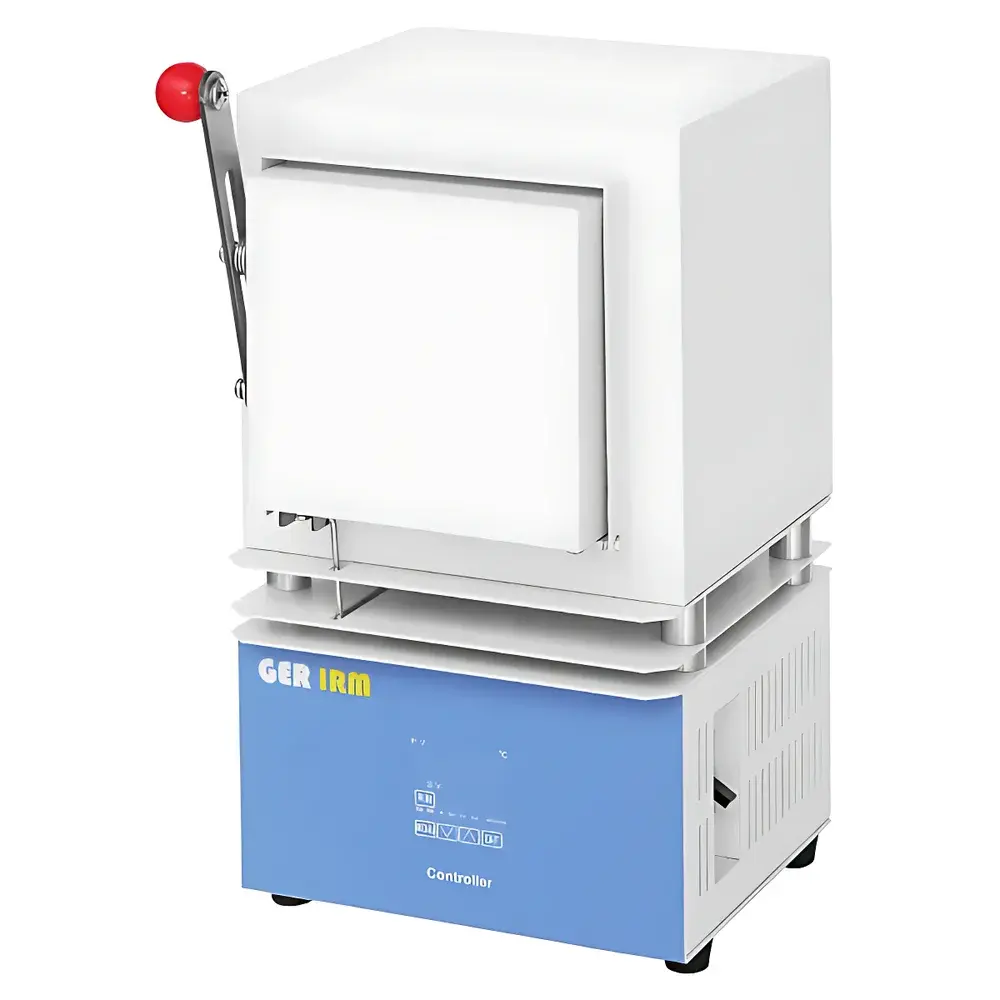
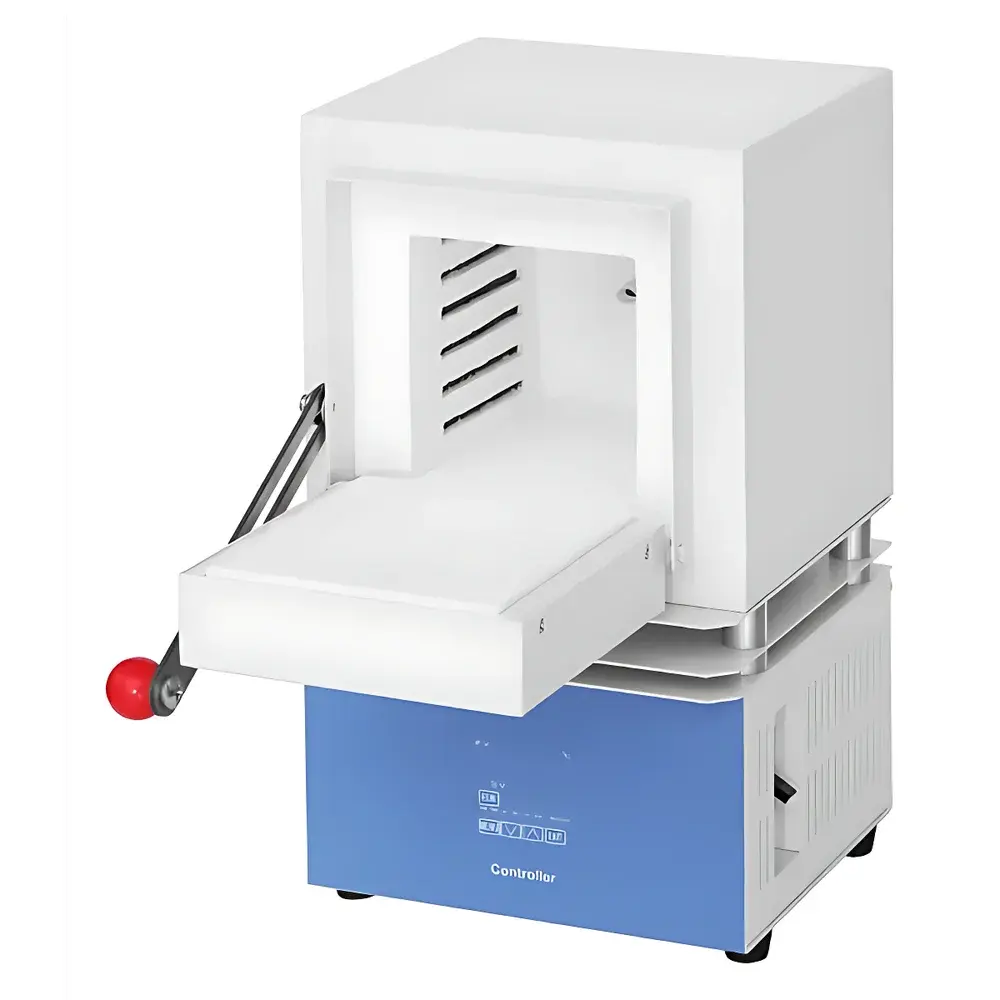
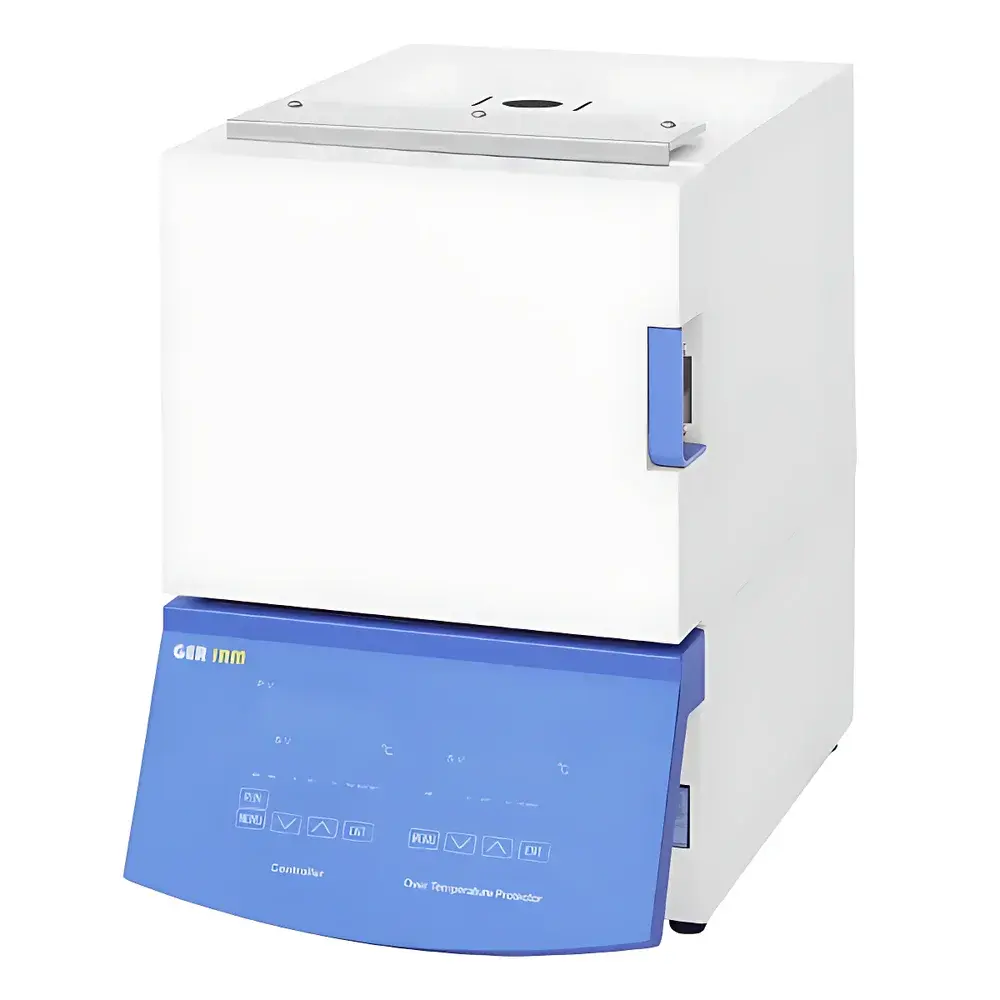
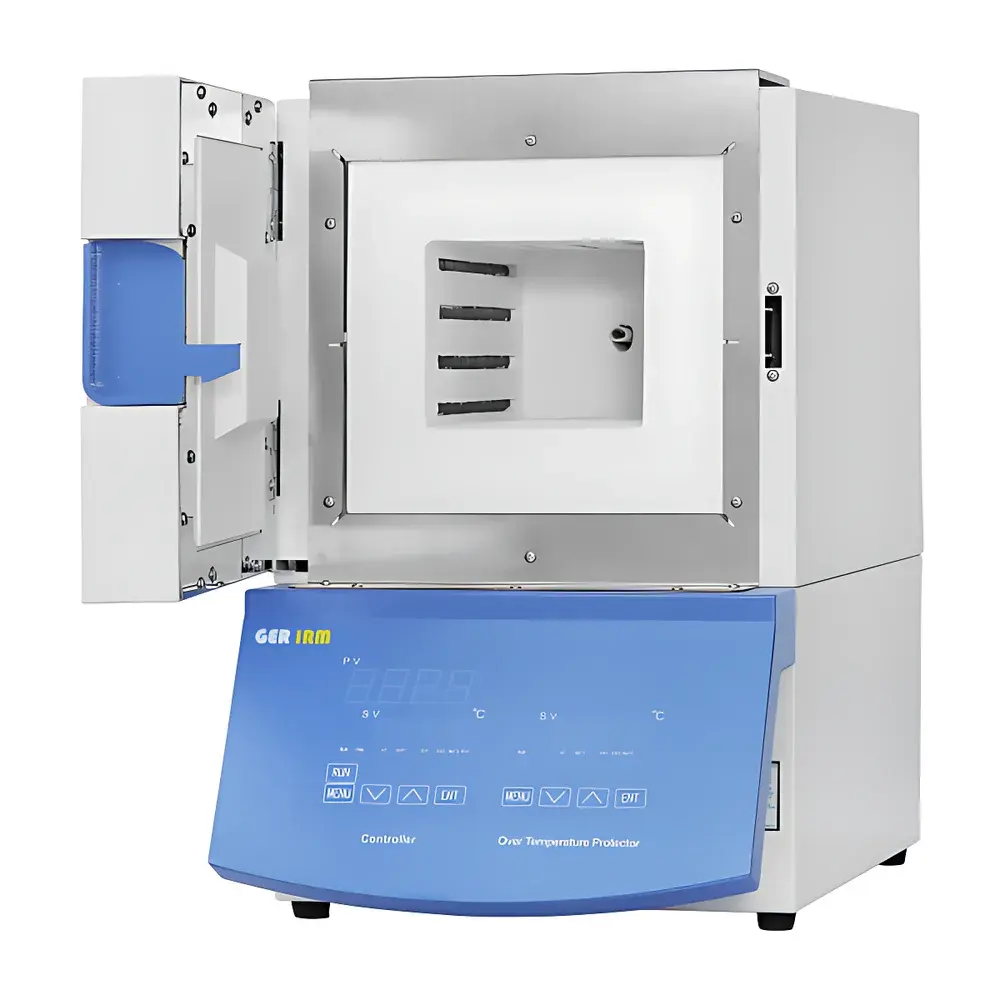
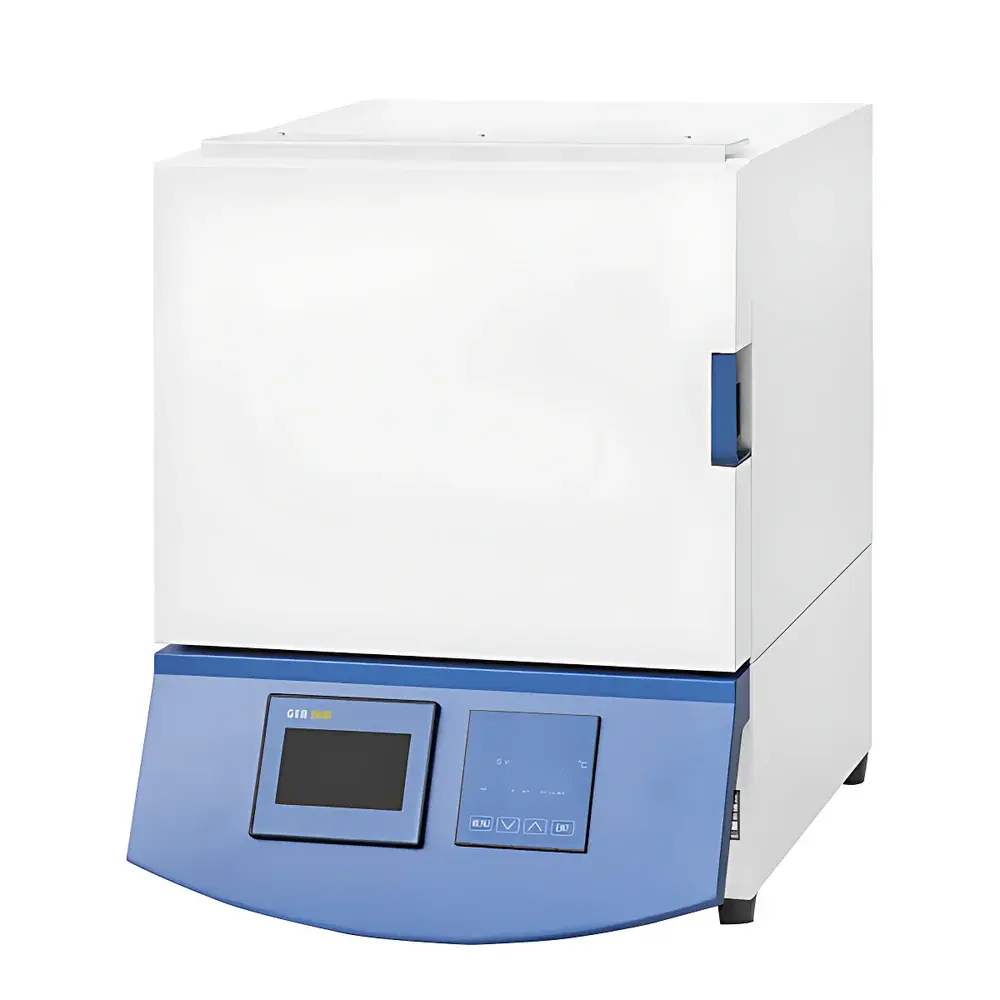
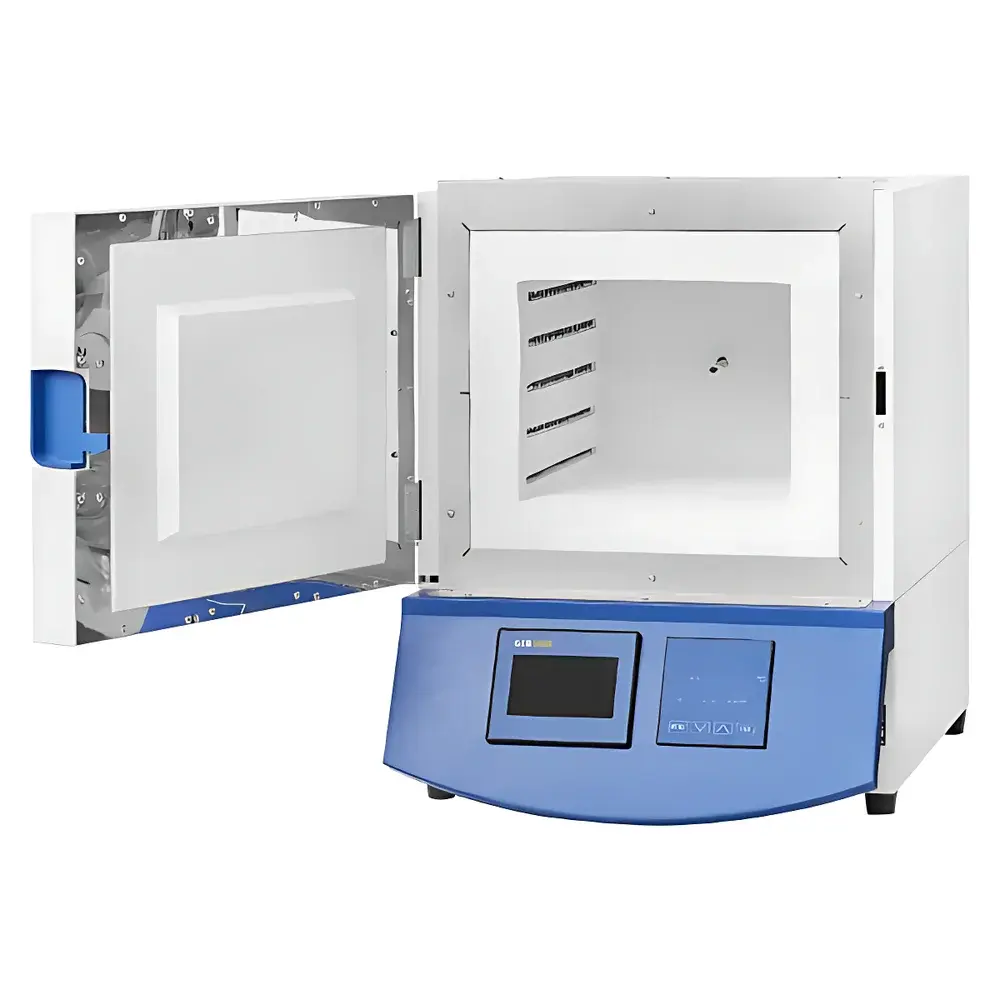
IRM NFB100 Precision High-Temperature Box Furnace
| Brand | IRM |
|---|---|
| Origin | Beijing, China |
| Manufacturer Type | Direct Manufacturer |
| Product Category | Domestic |
| Model | NFB100 |
| Instrument Type | Benchtop Box Furnace |
| Maximum Temperature | 1200 °C |
| Temperature Control Accuracy | ±0.5 °C (≤800 °C), ±1 °C (>800 °C) |
| Rated Power | 1200 W |
| Heating Rate to Max Temp | 20 min |
| Heating Element | Premium Imported Resistance Wire |
| Internal Chamber Dimensions | 100 × 130 × 105 mm |
| Control System | PID-Based Intelligent Microprocessor Controller |
| Nominal Chamber Volume | 1.4 L |
| Safety Features | Dual Independent Overtemperature Protection, Door-Interlocked Power Cut-off, Leakage Circuit Breaker, Thermal Overload & Thermocouple Fault Detection |
| Programmable Capability | Up to 40 segments per program (1–4 programs configurable), up to 9999 cycles, adjustable ramp/soak profiles |
| Optional Accessories | USB Data Logger, External Temperature Recorder, RS485 Communication Module |
Overview
The IRM NFB100 Precision High-Temperature Box Furnace is a compact, laboratory-grade benchtop furnace engineered for reproducible thermal processing in materials science, ceramics, metallurgy, and quality control laboratories. It operates on the principle of resistive heating via high-purity imported resistance wire embedded in a low-thermal-mass, high-density ceramic fiber insulation matrix—enabling rapid thermal response and exceptional temperature uniformity across its 1.4 L chamber. Designed for operation from ambient +80 °C up to 1200 °C, the NFB100 employs K-type thermocouple feedback coupled with a dual-stage PID control architecture to deliver stable thermal environments critical for ashing, sintering, annealing, calcination, and heat treatment protocols. Its double-walled cold-rolled steel enclosure with forced-air interstitial cooling ensures external surface temperatures remain below 45 °C under full-load conditions—enhancing operator safety and minimizing lab ambient thermal load.
Key Features
- High-efficiency thermal architecture: 70% energy reduction versus traditional refractory brick furnaces due to low-conductivity ceramic fiber insulation (imported grade)
- Precision temperature regulation: ±0.5 °C stability at ≤800 °C; ±1 °C above 800 °C—validated per ASTM E220 calibration guidelines
- Configurable thermal profiling: Supports up to 4 independent programs, each with 1–40 programmable segments; cycle count up to 9999 with flexible start logic (on-setpoint or on-segment arrival)
- Dual-layer safety system: Integrated overtemperature cut-off (independent of main controller), door-actuated power interruption, and leakage current protection meeting IEC 61000-4-5 surge immunity standards
- Robust mechanical design: Stainless steel inner door, reinforced cold-rolled outer shell, and active ventilation ducting for rapid cooldown and consistent thermal gradient management
- Advanced PID functionality: Three sets of auto-tuned parameters, manual tuning capability, and zone-specific PID assignment (low- and high-temperature zones)
- User-configurable operational safeguards: Password-protected parameter editing, temperature offset correction (±500 °C range), and automatic power recovery after grid interruption
Sample Compatibility & Compliance
The NFB100 accommodates standard crucibles (alumina, quartz, stainless steel) and small-format sample holders up to 100 mm × 130 mm × 105 mm. Its uniformity profile meets ISO 9001:2015 requirements for thermal processing equipment used in certified QC labs. The furnace supports GLP-compliant workflows through optional data logging (UVC-compatible USB recorder) and audit-trail-ready operation logs. All electrical components comply with CE marking directives (EN 61000-6-3, EN 61000-6-4) and UL 61010-1 safety standards for laboratory electrical equipment. No hazardous substances are used in insulation or structural materials—fully RoHS 2011/65/EU compliant.
Software & Data Management
While the NFB100 operates natively via its front-panel microprocessor interface, it supports external digital integration through optional RS485 Modbus RTU communication (addressable up to 247 units). When paired with IRM’s optional USB temperature logger, users can export time-stamped CSV files containing setpoint, actual temperature, segment ID, and elapsed time—compatible with Excel, MATLAB, and LIMS platforms. All recorded data includes timestamped event markers for door opening, overtemperature alarms, and power interruptions—supporting FDA 21 CFR Part 11 compliance when deployed with validated electronic signature protocols. Firmware updates are performed via secure USB key, with version history and checksum verification embedded in the controller memory.
Applications
- Residue ashing of organic matrices (e.g., food, pharmaceuticals, polymers) per AOAC 990.19 and USP
- Thermal gravimetric analysis (TGA) pre-conditioning and sample stabilization
- Ceramic green-body densification and glaze firing trials
- Calibration reference source for secondary thermocouple verification (per ASTM E230)
- Heat treatment of small metal specimens for microstructural evaluation (ASTM E112 grain size analysis)
- Pre-baking of electrodes and battery cathode materials in R&D settings
- Controlled oxidation studies requiring precise dwell-time and ramp-rate repeatability
FAQ
What is the maximum recommended continuous operating temperature?
The NFB100 is rated for continuous operation at 1200 °C. For extended service life (>500 hours), sustained use above 1100 °C is not advised without periodic inspection of heating element integrity.
Can the furnace be integrated into an automated lab workflow?
Yes—via optional RS485 Modbus RTU interface, enabling remote start/stop, setpoint adjustment, and real-time temperature polling from SCADA or LabVIEW environments.
Is third-party calibration documentation available?
IRM provides NIST-traceable factory calibration certificates (optional at time of order); field recalibration services are supported by authorized service partners in North America and EU regions.
How does the dual overtemperature protection function?
The primary controller monitors temperature continuously; if exceeded, it triggers immediate heater shutdown. A physically isolated mechanical overtemperature switch (settable up to 1250 °C) provides redundant fail-safe cutoff independent of electronics.
What maintenance is required to sustain performance?
Ceramic fiber insulation requires no routine replacement; annual visual inspection of heating elements and thermocouple seating is recommended. Air intake filters should be cleaned quarterly in dusty environments.



