
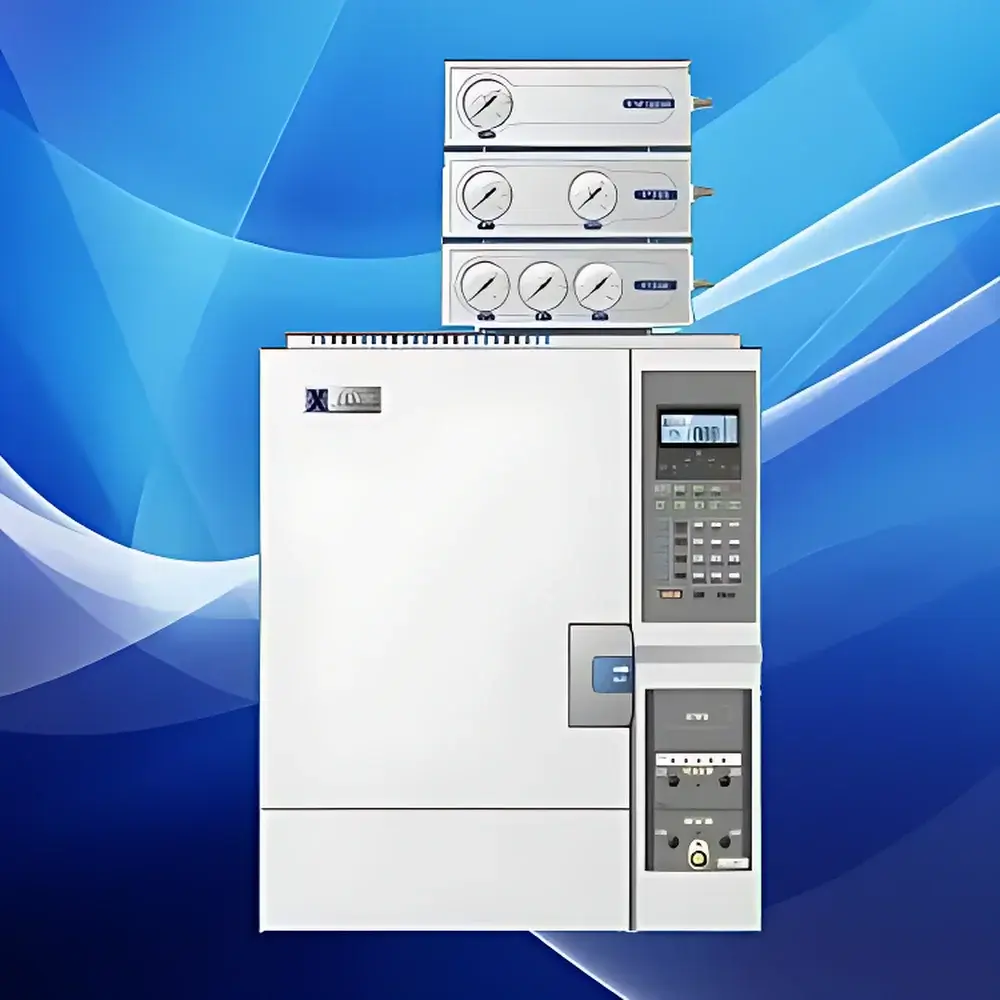
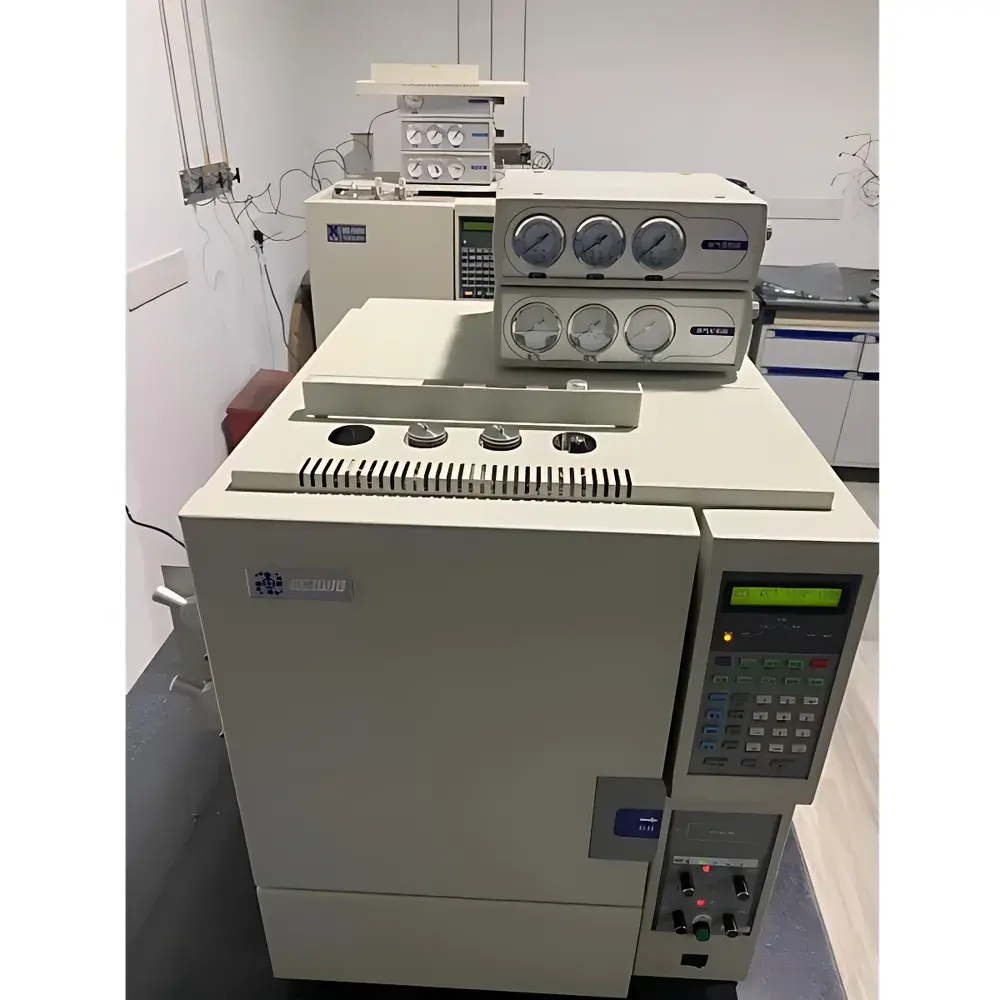
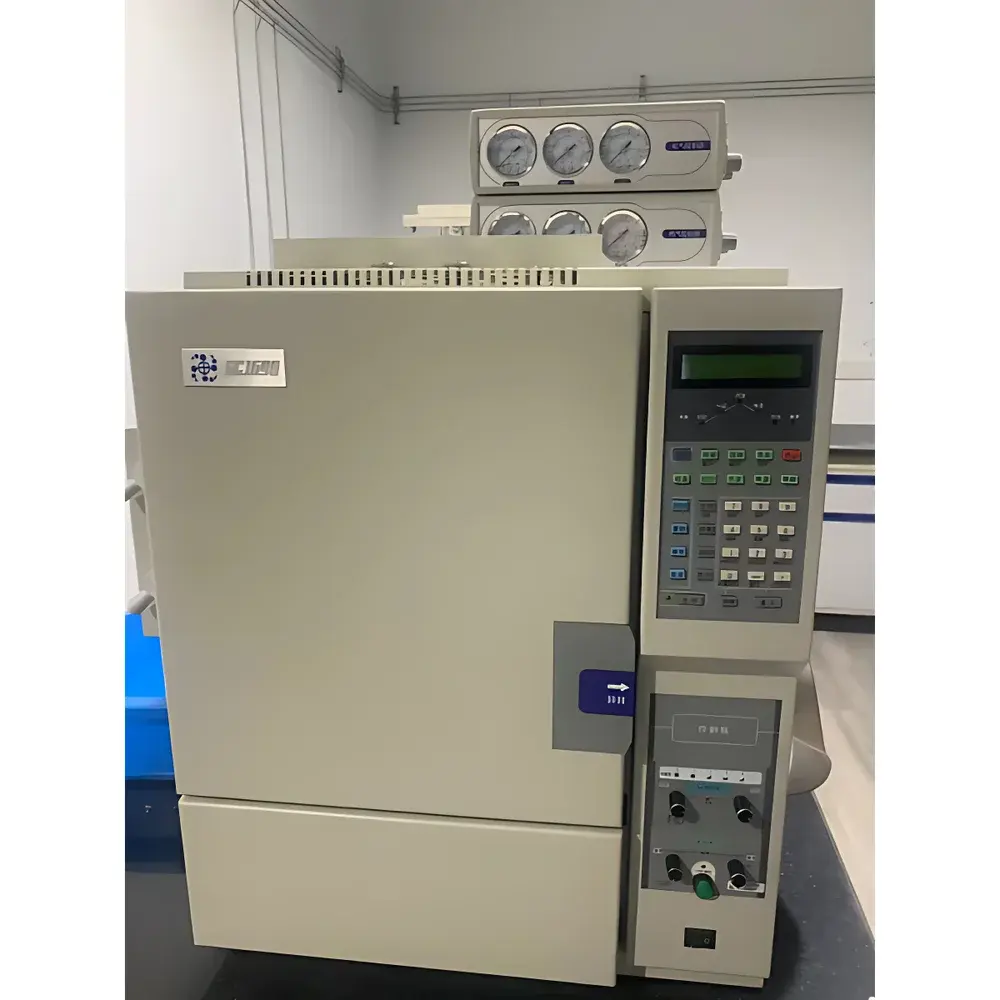
Jiedao GC1690 Dedicated Gas Chromatograph for Ethylene Oxide (EO) Residual Analysis
| Brand | Jiedao |
|---|---|
| Origin | Zhejiang, China |
| Manufacturer Type | Authorized Distributor |
| Instrument Type | Laboratory Gas Chromatograph |
| Application | EO Residue Quantification in Medical Devices |
| Temperature Control Range | Up to 400 °C (Oven), 200 °C (Injector), 250 °C (Detector) |
| Heating Rate | 0.1–40 °C/min (programmable) |
| Cooling Rate | Ambient cooling with forced air assist |
| Carrier Gas Flow Control | Digital electronic pressure/flow control (EPC) for N₂, H₂, Air |
| Carrier Gas Pressure Range | 0–100 psi |
| Injector Max Temp | 200 °C |
| Injector Pressure Setting Range | 0–100 psi |
| Total Injector Flow Range | 0–100 mL/min |
| Compliance Standard | Aligned with GB/T 14233.1–2008, ISO 10993-7, USP <88>, ASTM F2889 |
Overview
The Jiedao GC1690 Dedicated Gas Chromatograph is a purpose-engineered laboratory system designed for the precise quantification of residual ethylene oxide (EO) in medical devices and sterilized polymer components. It operates on the principle of headspace gas chromatography (HS-GC), where EO is thermally extracted from aqueous extracts into the vapor phase, separated on a capillary column (e.g., DB-624 or equivalent polar stationary phase), and detected using a flame ionization detector (FID). The instrument adheres to the thermal desorption and chromatographic separation logic defined in GB/T 14233.1–2008 and harmonized with ISO 10993-7 for biological evaluation of medical devices. Its architecture integrates temperature-programmable oven control, digitally regulated carrier gas delivery, and optimized thermal stability across injector and detector zones—ensuring reproducible retention times and peak symmetry essential for trace-level EO quantitation (detection limit ≤ 0.1 μg/g per ISO 10993-7 guidance).
Key Features
- Dedicated method configuration for EO residue analysis, pre-loaded with validated temperature programs: oven ramp from 40 °C (hold 3 min) to 200 °C at 15 °C/min, injector at 200 °C, FID at 250 °C
- Digital Electronic Pressure Control (EPC) for N₂ carrier gas, H₂ fuel, and synthetic air—enabling ±0.01 psi pressure resolution and drift-compensated flow stability
- High-precision headspace sampling interface compatible with standard 20 mL vials; supports manual and automated (optional) syringe injection with <1% RSD repeatability
- Robust thermal management system: oven uniformity ±0.5 °C across 20 × 30 cm column chamber; rapid cool-down via integrated fan-assisted ambient airflow
- Modular detector design with FID optimized for low-carbon hydrocarbon response, linear dynamic range >10⁶, and signal-to-noise ratio ≥ 100:1 at 0.1 ng EO
- Compliance-ready hardware architecture: supports audit trail logging, user access levels, and electronic signature capability when paired with validated chromatography data system (CDS) software
Sample Compatibility & Compliance
The GC1690 is validated for use with polymeric medical device components—including PVC tubing, polyethylene packaging, silicone gaskets, and polyurethane catheters—as specified in ISO 10993-7 Annex B. Sample preparation follows aqueous extraction at 60 °C ±1 °C for 40 min in sealed 20 mL headspace vials. The system meets requirements for GLP-compliant laboratories under FDA 21 CFR Part 11 when operated with compliant CDS software and documented SOPs. It supports full traceability per ISO/IEC 17025:2017 clause 7.7 (result reporting) and aligns with USP “Biological Reactivity Tests” for EO screening. All calibration and system suitability tests (SST) are performed using certified EO reference standards traceable to NIST SRM 2245.
Software & Data Management
The instrument interfaces with PC-based chromatography data systems supporting 21 CFR Part 11 compliance modules—including electronic signatures, role-based permissions, and immutable audit trails. Raw data files (.cdf or .axd format) retain full acquisition metadata: inlet pressure, oven program timestamps, detector gain settings, and integration parameters. Software enables automatic generation of calibration curves (linear or quadratic), limit-of-quantitation (LOQ) verification per ICH Q2(R2), and report templates aligned with ISO 17025 technical records. Data export complies with LIMS-compatible formats (CSV, XML, PDF/A-2u) and supports direct integration with enterprise quality management systems (QMS) via ODBC or REST API.
Applications
- Quantitative EO residue testing in Class I–III medical devices prior to market release (per MDR 2017/745 Annex I, Section 10.2)
- Process validation support for ethylene oxide sterilization cycles—monitoring residual carryover across load configurations
- Stability studies assessing EO migration from packaging materials into drug products (e.g., lyophilized biologics)
- Supplier qualification testing for single-use systems used in aseptic manufacturing (ISO 13485:2016 Clause 7.4.3)
- Regulatory submission dossiers requiring analytical method validation reports (ICH Q2(R2) parameters: specificity, linearity, accuracy, precision, robustness)
FAQ
What sample preparation method does the GC1690 require for EO analysis?
Aqueous extraction at 60 °C ±1 °C for 40 min in sealed 20 mL headspace vials, followed by manual or automated gas-phase injection. Water purity must meet ASTM D1193 Type II specifications.
Is the system compatible with regulatory submissions to FDA or EU Notified Bodies?
Yes—when operated with validated CDS software, documented IQ/OQ/PQ protocols, and method verification per ISO 10993-7, it fulfills evidentiary requirements for 510(k), CE Technical Documentation, and PMCF studies.
Can the GC1690 be upgraded for other volatile organic compound (VOC) analyses?
The base platform supports FID, TCD, and ECD detectors; column oven and inlet configurations allow reconfiguration for residual solvents (ICH Q3C), propylene oxide, or chlorinated hydrocarbons with method revalidation.
What consumables and gases are required for routine operation?
High-purity N₂ (≥99.999%), H₂ (≥99.999%), and zero-air (hydrocarbon-free); fused-silica capillary columns (e.g., 30 m × 0.53 mm ID, 3.0 µm DB-624); certified EO reference standards; 20 mL crimp-top headspace vials with PTFE/silicone septa.
Does the system include built-in diagnostics for preventive maintenance?
Yes—real-time monitoring of detector baseline noise, column head pressure deviation, and oven temperature ramp fidelity triggers maintenance alerts and logs events for trending per ISO 13485 preventive action records.
Related Products





