
Junray ZR-3260E Low-Concentration Portable Stack Emission Analyzer (CEMS Compliance Model, Dust & Gas Simultaneous Sampling)
| Brand | Junray |
|---|---|
| Origin | Shandong, China |
| Manufacturer Type | Direct Manufacturer |
| Product Origin | Domestic (China) |
| Model | ZR-3260E (Compact A-Version) |
| Instrument Type | Portable Flue Gas & Particulate Analyzer |
| Measurement Accuracy | ≤ ±5% FS |
| Repeatability | ≤ 2.0% RSD |
| Response Time | ≤ 90 s |
| Drift Stability | < 5% over 1 h |
| Measured Parameters | Particulate Matter (PM), SO₂, NO, NO₂, O₂, CO, CO₂, H₂S |
Overview
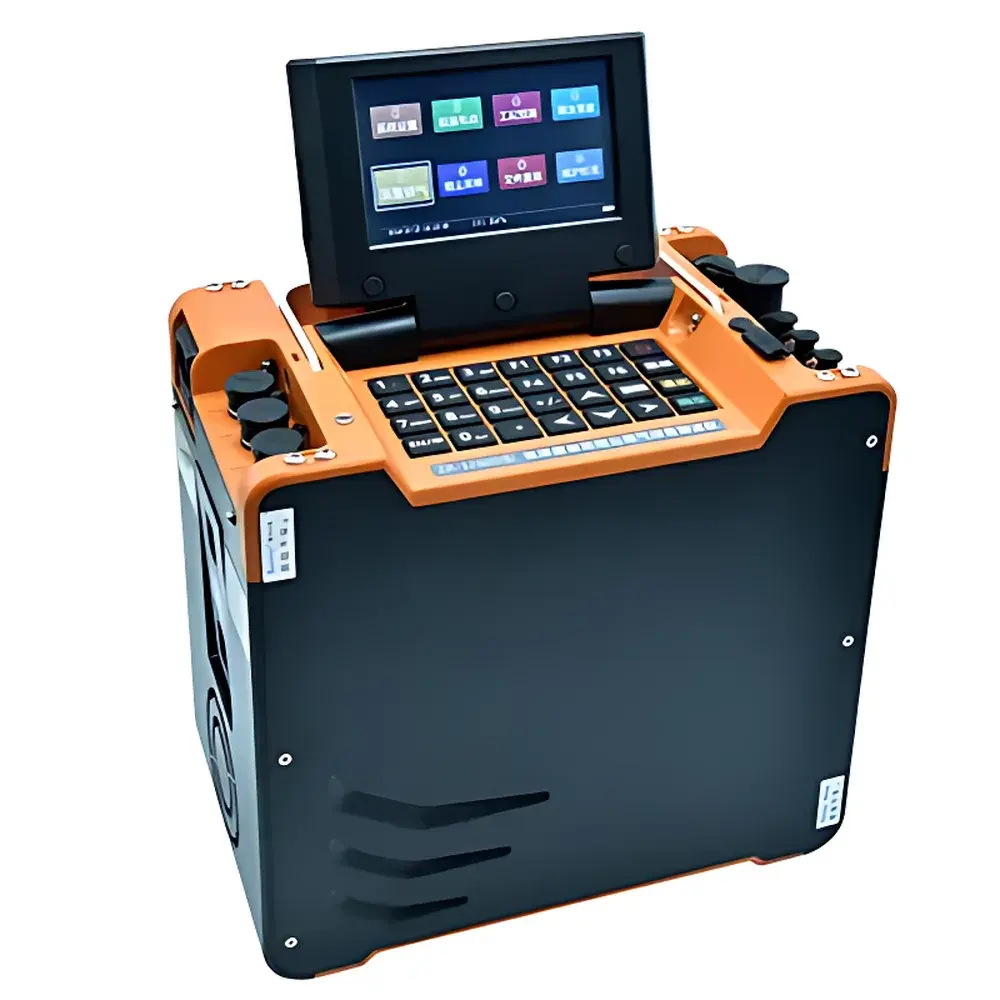
The Junray ZR-3260E is a compact, field-deployable stack emission analyzer engineered for simultaneous, low-concentration measurement of particulate matter and gaseous pollutants in fixed-source exhaust streams. It operates on the principle of isokinetic sampling—ensuring representative extraction of flue gas and suspended particulates at the same velocity as the bulk flow—thereby minimizing bias from particle inertia or thermophoretic effects. Particulate mass concentration is determined gravimetrically using pre- and post-sampling weighing of quartz or glass-fiber filter cartridges (compliant with HJ 836–2017 and GB/T 16157–1996). Gaseous analytes—including SO₂, NO, NO₂, CO, CO₂, O₂, and H₂S—are quantified via electrochemical sensors (for SO₂, NOx, CO, O₂) and optional optical modules (e.g., NDIR for CO₂), all calibrated per HJ 57–2017, HJ 693–2014, and HJ 973–2018. The system integrates real-time measurement of stack physical parameters: static/dynamic pressure, flue gas temperature, velocity, volumetric flow (dry standard conditions), and oxygen content—enabling calculation of normalized emission concentrations, excess air ratio, and removal efficiency for desulfurization or dust collection systems.
Key Features
- Isokinetic sampling control with microprocessor-driven intelligent flow tracking, maintaining velocity match within ±5% across variable stack conditions.
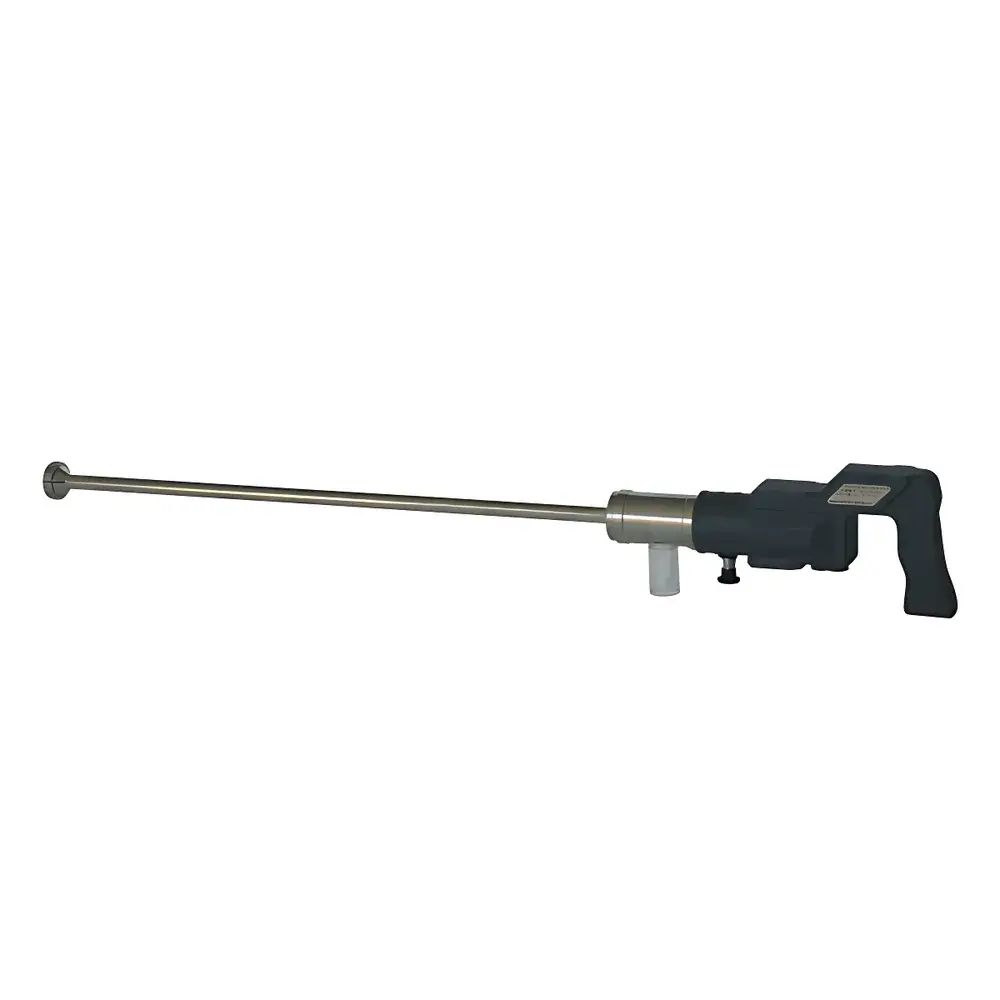
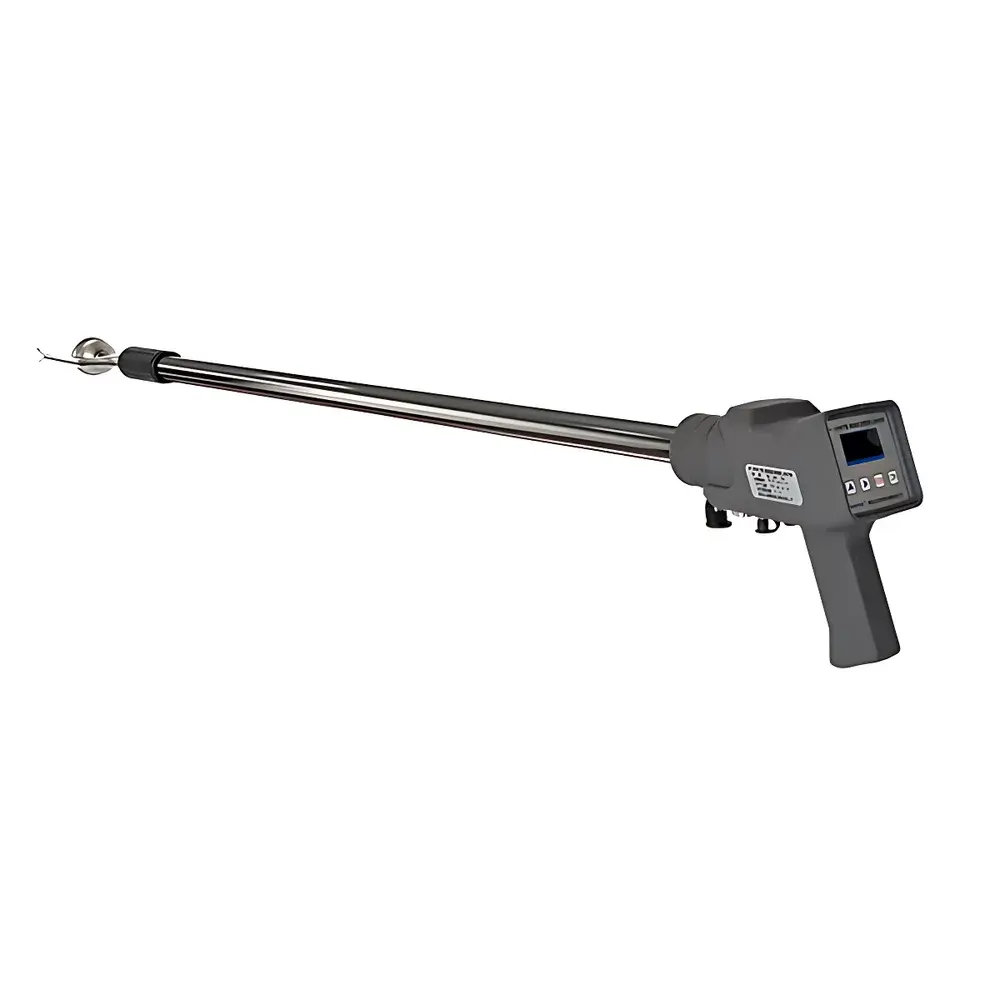
- Dual-path sampling architecture: dedicated particulate channel with heated probe and filter holder; parallel gas channel with integrated condensate removal and sensor protection.
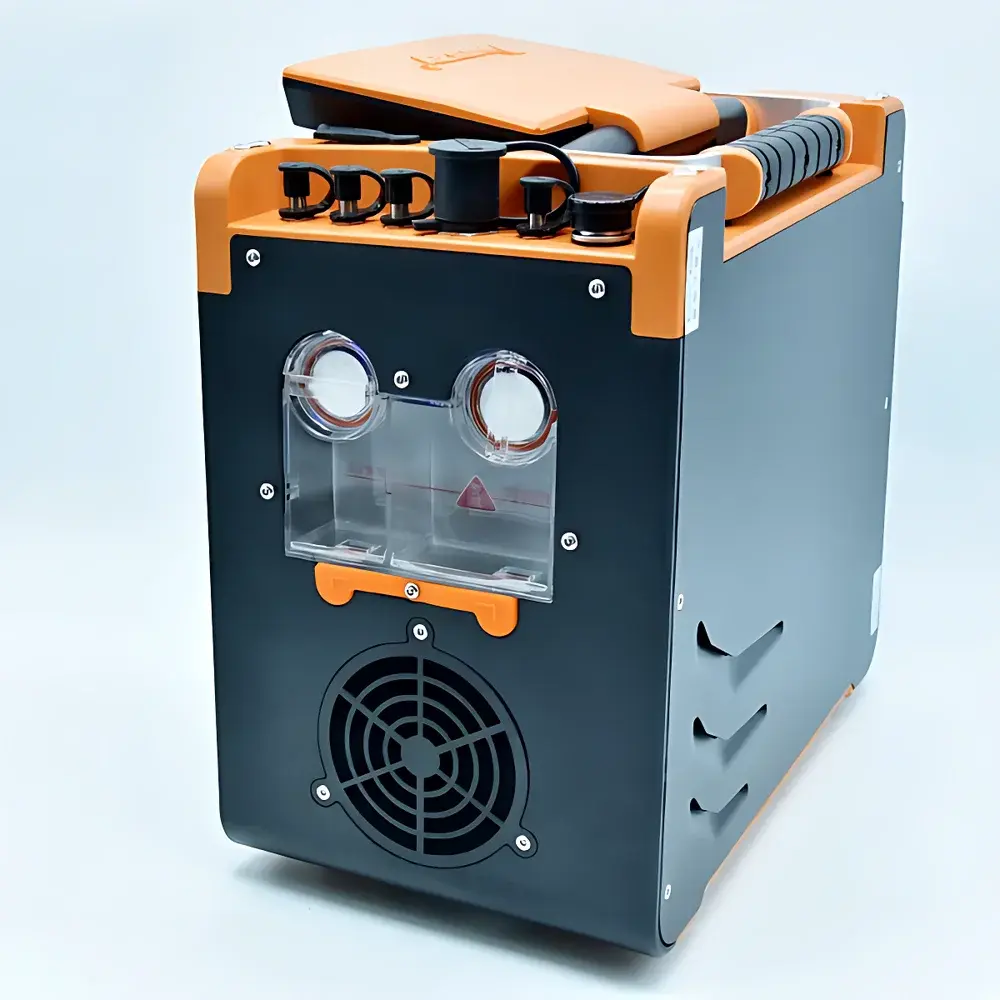
- Onboard automatic drainage pump and water trap design to prevent liquid ingress into sensors and flow meters during high-humidity sampling.
- 5.0-inch wide-temperature TFT color display with multi-angle articulating mount and industrial-grade sealed keypad (IP65-rated against dust and moisture).
- Embedded database supporting Chinese-character input, site-specific configuration memory, and historical data recall for repeat monitoring campaigns.
- CO interference correction algorithm for SO₂ measurement—user-configurable correction coefficient and toggle switch for validation compliance.
- Bluetooth 5.0 wireless interface for remote operation via Android/iOS mobile app; supports direct printing via Bluetooth thermal printer.
- Self-diagnostic suite including leak test for particulate train, power-on system check, sensor health monitoring, and real-time battery/charge status reporting.
Sample Compatibility & Compliance
The ZR-3260E is validated for use across coal-fired boilers, industrial kilns, waste incinerators, cement clinker lines, and metal smelting stacks. With optional accessories—including oil fume sampling probes (per GB 18483), asphalt fume adapters, and resistive-capacitive humidity sensors—it extends applicability to niche regulatory assessments. Its measurement methodology aligns with core Chinese environmental standards: GB/T 16157–1996 (particulate and gas sampling), HJ 836–2017 (low-concentration PM gravimetry), HJ 57–2017 (SO₂ by potentiostatic electrolysis), HJ 693–2014 (NOx), and HJ 973–2018 (CO). Instrument performance verification follows JJG 968–2002 (flue gas analyzer calibration) and JJG 680–2007 (particulate sampler verification). While not CE-marked or EPA EQCM-certified, its architecture meets foundational metrological requirements for CEMS performance evaluation and periodic accuracy audits under local regulatory frameworks.
Software & Data Management
Data acquisition and processing are handled by embedded firmware compliant with GLP-aligned traceability principles. Each measurement record includes timestamp, GPS coordinates (optional external module), operator ID, sampling location metadata, and full sensor diagnostic logs. Internal storage supports ≥100,000 sample records with automatic file segmentation. Export options include USB mass storage (CSV/Excel-compatible), Bluetooth transfer, and SD card backup. The system maintains audit trails for calibration events, parameter edits, and user login sessions—critical for internal QA/QC reviews and third-party verification. Firmware updates are performed via secure OTA or local file injection, preserving configuration integrity across versions.
Applications
- Regulatory compliance monitoring of SO₂, NOx, CO, O₂, and PM emissions from stationary sources under provincial and national discharge permits.
- Performance evaluation of flue gas desulfurization (FGD), selective/non-selective catalytic reduction (SCR/SNCR), and electrostatic/fabric filter systems.
- Stack testing for environmental impact assessments (EIAs) and post-construction acceptance (e.g., CEMS commissioning and验收 testing).
- Method validation studies comparing gravimetric PM results against optical or beta-attenuation reference methods.
- Field verification of continuous emission monitoring systems (CEMS) per HJ 75–2017 and HJ 76–2017 accuracy requirements.
- Research-grade characterization of combustion efficiency, air-fuel ratio, and pollutant formation pathways under varying load conditions.
FAQ
Does the ZR-3260E meet U.S. EPA or EU EN 15267 requirements for CEMS verification?
No—the instrument is designed and certified for domestic Chinese regulatory frameworks (HJ, GB, JJG series). It is not EPA Tier 3–certified nor EN 15267-3 type-approved; however, its isokinetic sampling fidelity and gravimetric PM methodology are technically compatible with ISO 16911–1:2013 principles.
Can the unit perform real-time particulate concentration readout without lab-based weighing?
Not natively—the base ZR-3260E requires offline gravimetric analysis. An optional direct-read PM module (with beta attenuation or light scattering) may be integrated, but this constitutes a hardware upgrade beyond the standard A-version configuration.
Is humidity compensation automated during gas concentration calculation?
Yes—when paired with an optional resistive-capacitive humidity probe (connected via reserved interface), the system applies real-time dry/wet basis conversion per HJ 836–2017 Annex B, ensuring reported concentrations reflect standardized dry flue gas conditions.
What maintenance intervals are recommended for electrochemical sensors?
Electrochemical cells require zero/span verification every 72 hours of cumulative operation; full replacement is advised after 12–18 months depending on exposure to high-concentration SO₂ or H₂S. Sensor diagnostics log runtime, voltage stability, and cross-sensitivity alerts.
How is data integrity ensured during extended field deployments?
The device implements cyclic redundancy check (CRC-16) on all stored records, timestamps synchronized to internal RTC with ±2 s/month drift, and write-protection locks for critical calibration tables—supporting defensible data handling under GLP-aligned quality management systems.







