
Junray ZR-D35 Condensable Particulate Matter (CPM) Sampling Probe
| Brand | Junray |
|---|---|
| Model | ZR-D35 |
| Origin | Shandong, China |
| Manufacturer Type | Direct Manufacturer |
| Instrument Category | Flue Gas and Particulate Sampler |
| Sample Target | Condensable Particulate Matter (CPM) |
| Compliance Standard | EPA Method 202 (Dry Impactor Condensation Method) |
Overview
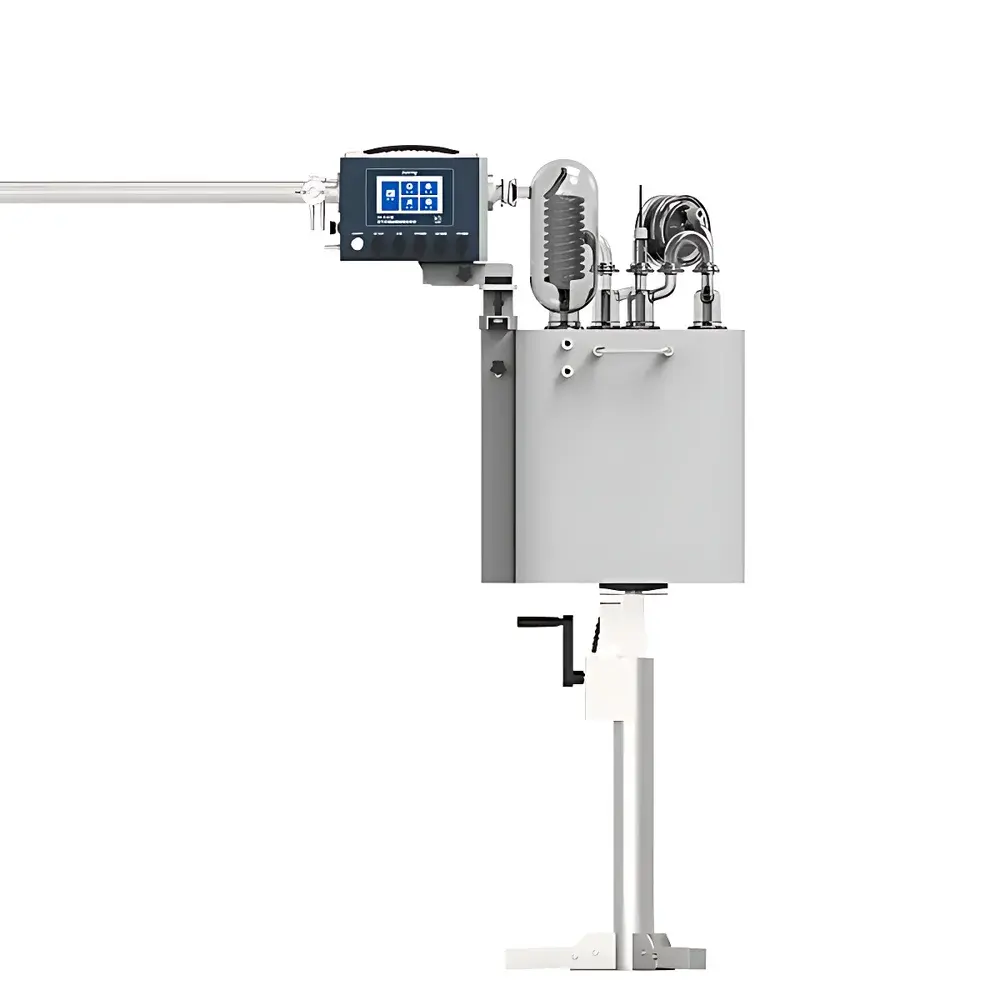
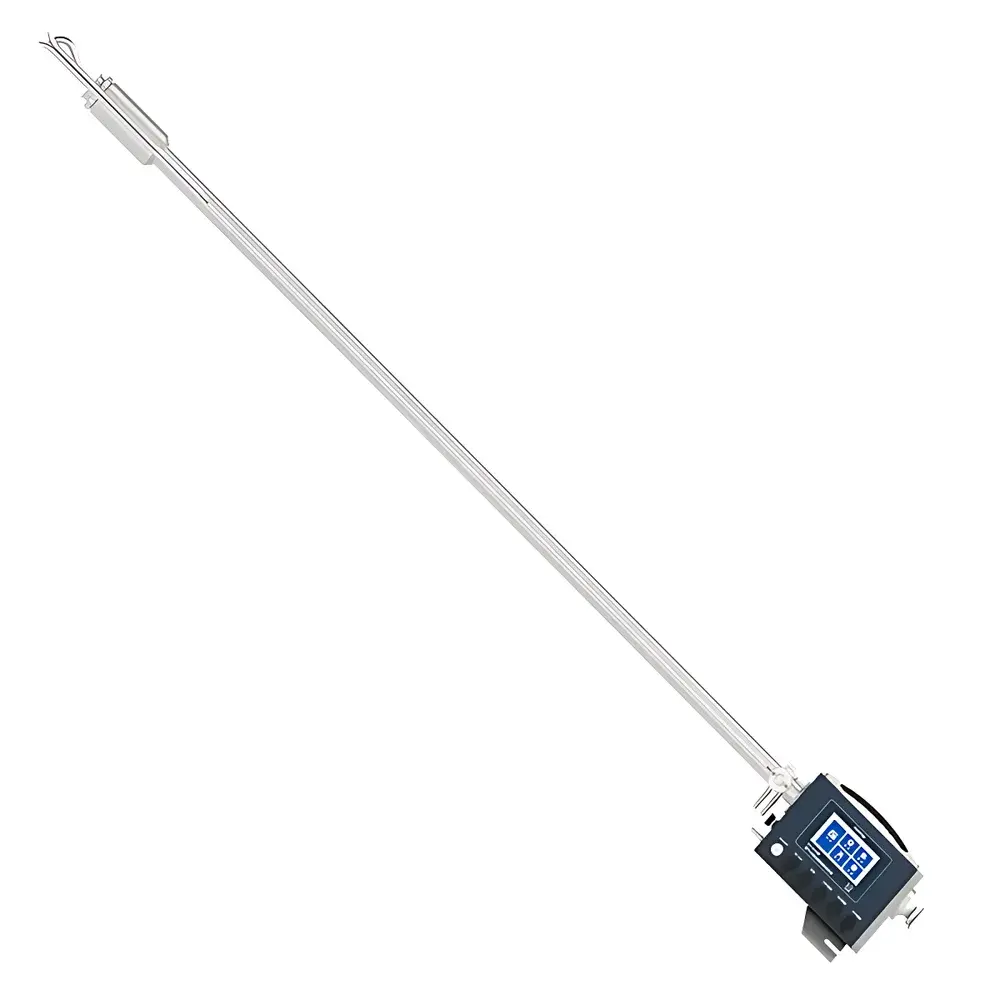
The Junray ZR-D35 Condensable Particulate Matter (CPM) Sampling Probe is an engineered field-deployable system designed for the quantitative collection of condensable particulate matter from stationary source flue gas emissions. It operates on the principle of dry impaction condensation — a thermally controlled, multi-stage phase-separation process aligned with U.S. EPA Method 202. Unlike conventional filter-based particulate samplers, the ZR-D35 probe selectively removes non-volatile filterable particulate matter (FPM) upstream, then subjects the remaining vapor-phase organics and semi-volatile inorganic compounds to controlled cooling and inertial impaction within a series of chilled impingers. This enables efficient phase transition and capture of CPM as liquid or solid deposits — critical for regulatory compliance with evolving air toxics and PM2.5 precursor reporting requirements.
Key Features
- Multi-stage thermal management architecture: Integrated heating zones maintain probe body and front filter at >180 °C to prevent premature condensation; downstream impaction stages are actively cooled to 2–10 °C to promote controlled condensation.
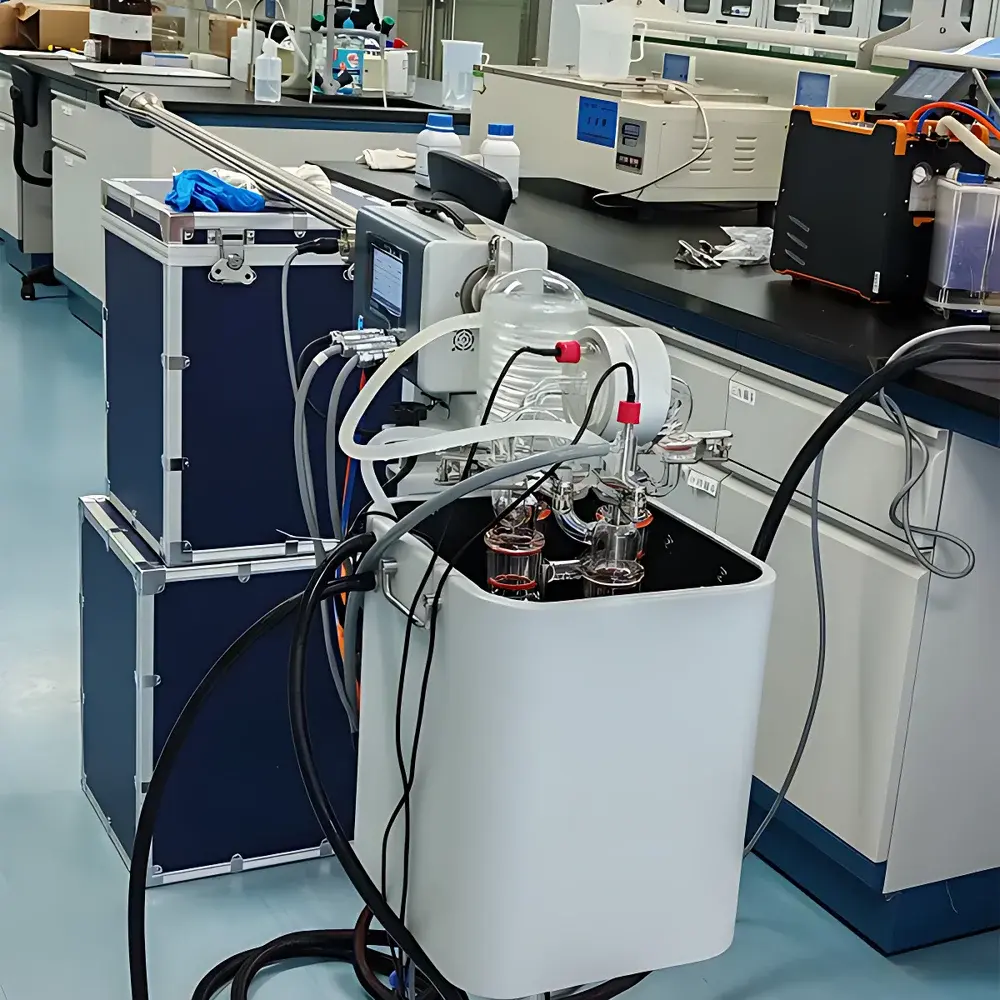
- Dual-capture configuration: A quartz fiber front filter collects filterable particulates (FPM), followed by a glass impinger train (typically two 50-mL impingers) and a final backup PTFE membrane filter (0.3 µm pore size) to retain residual aerosolized CPM.
- Real-time parametric monitoring: Onboard sensors continuously log sampling pressure (±0.5 kPa), probe wall temperature (±0.3 °C), front filter temperature, impinger bath temperature, and post-impinger filter temperature — all synchronized with flow rate data.
- Robust mechanical design: Constructed from high-purity stainless steel (316L) and borosilicate glass components, compliant with ASTM D7520 and ISO 12141 material compatibility standards for high-temperature, corrosive flue gas environments.
- Modular calibration interface: Supports traceable flow calibration via built-in orifice manometer ports and NIST-traceable pressure transducers (certified to ±1% full scale).
Sample Compatibility & Compliance
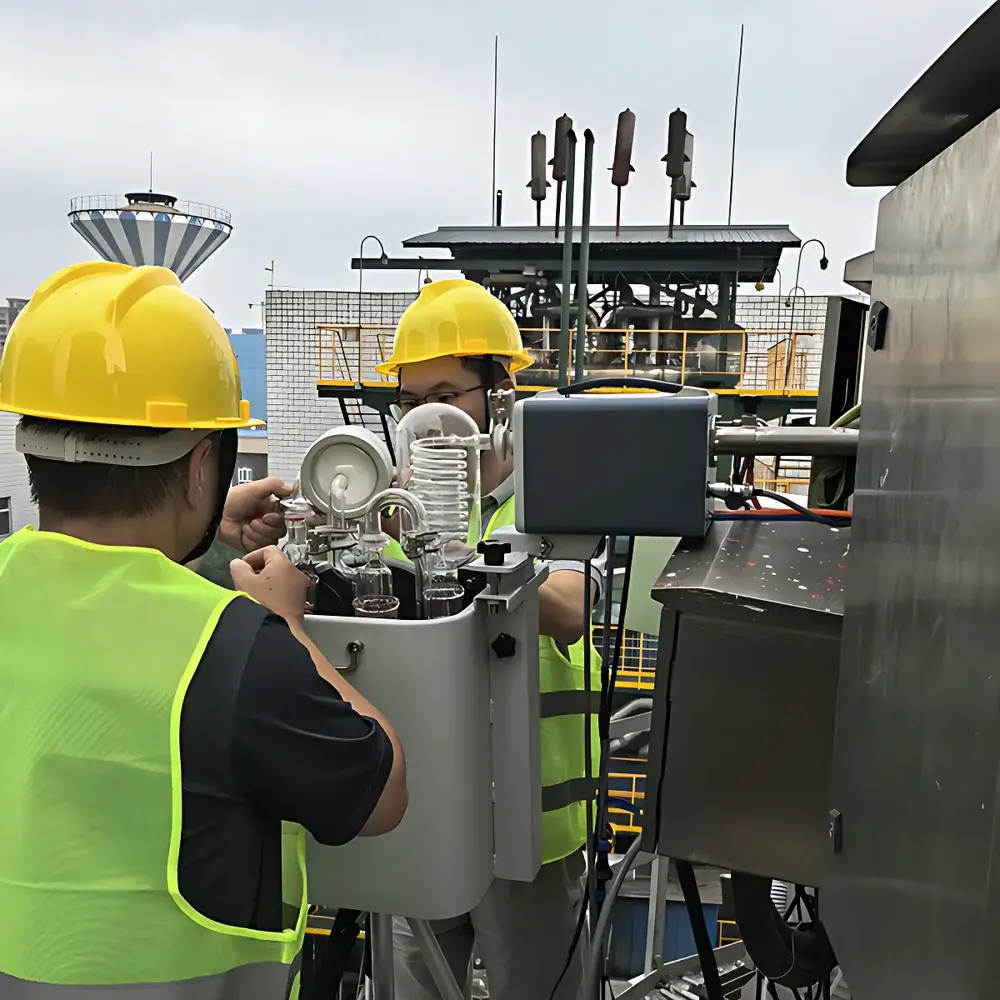
The ZR-D35 probe is validated for use across coal-fired power plants, waste incinerators, cement kilns, and chemical process heaters emitting flue gas with temperatures up to 250 °C and moisture content ≤25% v/v. It meets the operational and performance criteria specified in EPA Method 202, including minimum residence time (>10 s), isokinetic sampling capability (±5% deviation), and impinger collection efficiency ≥95% for semi-volatile organic compounds (SVOCs) such as PAHs, phthalates, and alkylphenols. The system also supports alignment with China’s HJ 646–2013 and HJ 647–2013 technical specifications for CPM measurement, and is compatible with GLP-compliant laboratory workflows under CNAS accreditation requirements.
Software & Data Management
Data acquisition is managed through Junray’s proprietary CPM-Suite v3.2 firmware, which logs time-synchronized sensor outputs at 1 Hz resolution and exports ASCII-formatted .csv files compatible with EPA-approved post-processing tools (e.g., EPA CPM Calculator v2.1). All raw sensor readings include embedded metadata (probe ID, operator ID, calibration date, audit trail timestamps), satisfying 21 CFR Part 11 electronic record integrity requirements when deployed in regulated QA/QC environments. Optional USB-C and RS-485 interfaces support integration into centralized emission monitoring systems (CEMS) and SCADA networks.
Applications
- Regulatory CPM mass concentration determination for Title V permit compliance and State Implementation Plan (SIP) reporting.
- Evaluation of control device performance — quantifying CPM removal efficiency across wet electrostatic precipitators (WESPs), condensation scrubbers, and sorbent injection systems.
- Source apportionment studies requiring speciated CPM profiles (e.g., sulfate, nitrate, organic carbon, elemental carbon fractions) via subsequent lab analysis (IC, GC-MS, TOC).
- Method validation and inter-laboratory comparison exercises conducted under ISO/IEC 17043 proficiency testing frameworks.
- Baseline characterization of CPM emissions prior to retrofitting combustion equipment or installing advanced air pollution control technologies.
FAQ
What is the maximum allowable flue gas temperature for continuous operation?
The ZR-D35 probe is rated for sustained exposure to flue gas up to 250 °C; extended operation above this threshold requires optional ceramic insulation upgrade.
Does the system include certified calibration documentation?
Yes — each unit ships with a factory-issued calibration certificate traceable to NIST standards, covering pressure, temperature, and flow sensors.
Can the ZR-D35 be used for stack testing under ISO 16911–1?
While optimized for EPA Method 202, its thermal control fidelity and isokinetic sampling accuracy meet the functional equivalency criteria outlined in ISO 16911–1 Annex B for CPM sampling in industrial stacks.
Is the impinger train compatible with alternative solvents beyond deionized water?
Yes — the glass impinger assembly supports methanol, isopropanol, and dichloromethane for enhanced recovery of low-volatility organics, provided solvent compatibility with downstream analytical methods is verified.
How is field maintenance performed between sampling events?
All wetted surfaces are accessible for cleaning using ASTM D5198-recommended ultrasonic acetone rinse protocols; quartz filters and PTFE membranes are single-use consumables per EPA 202 Section 8.2.
Related Products







