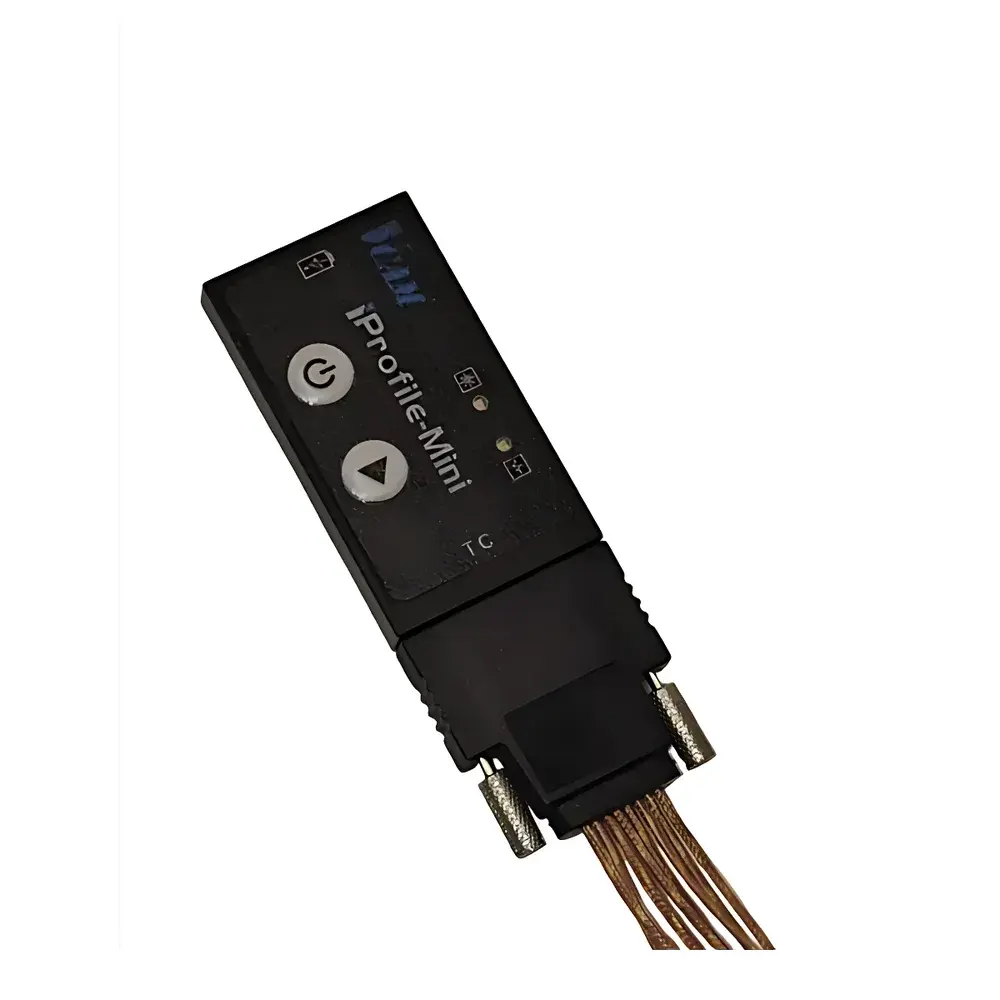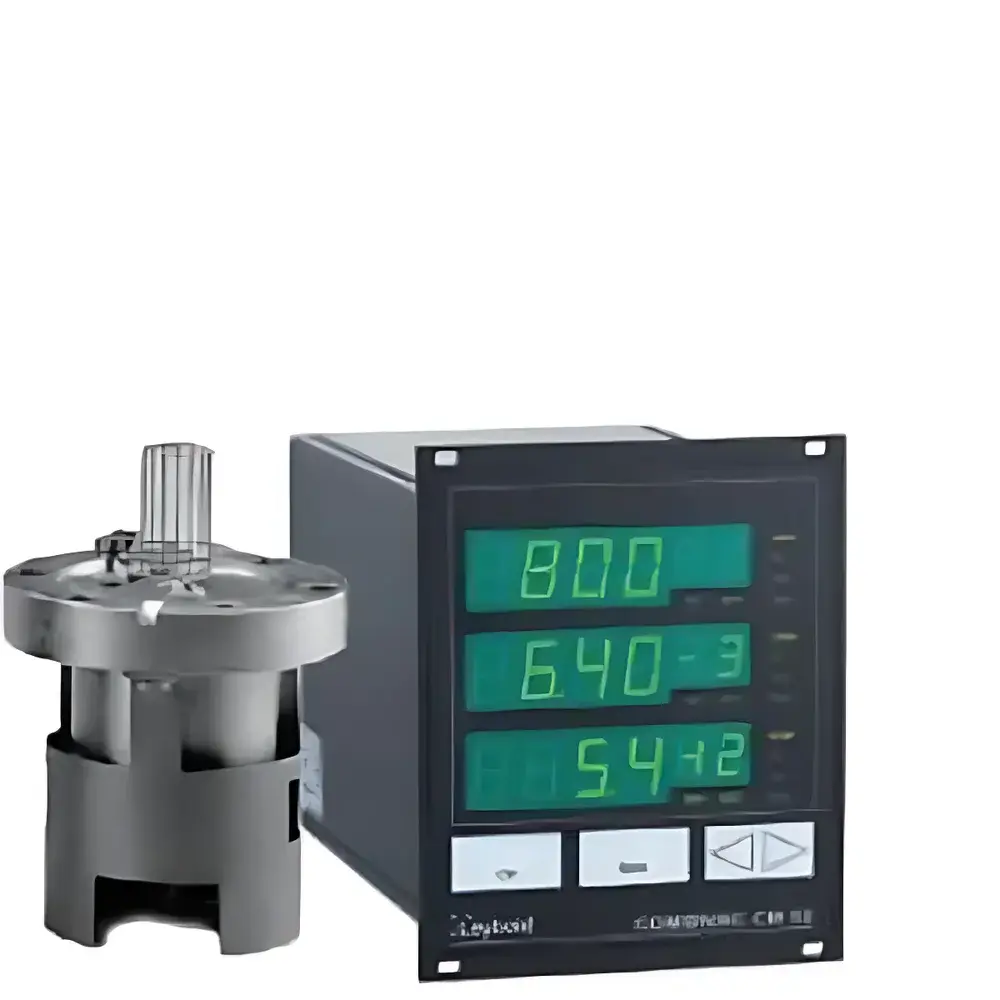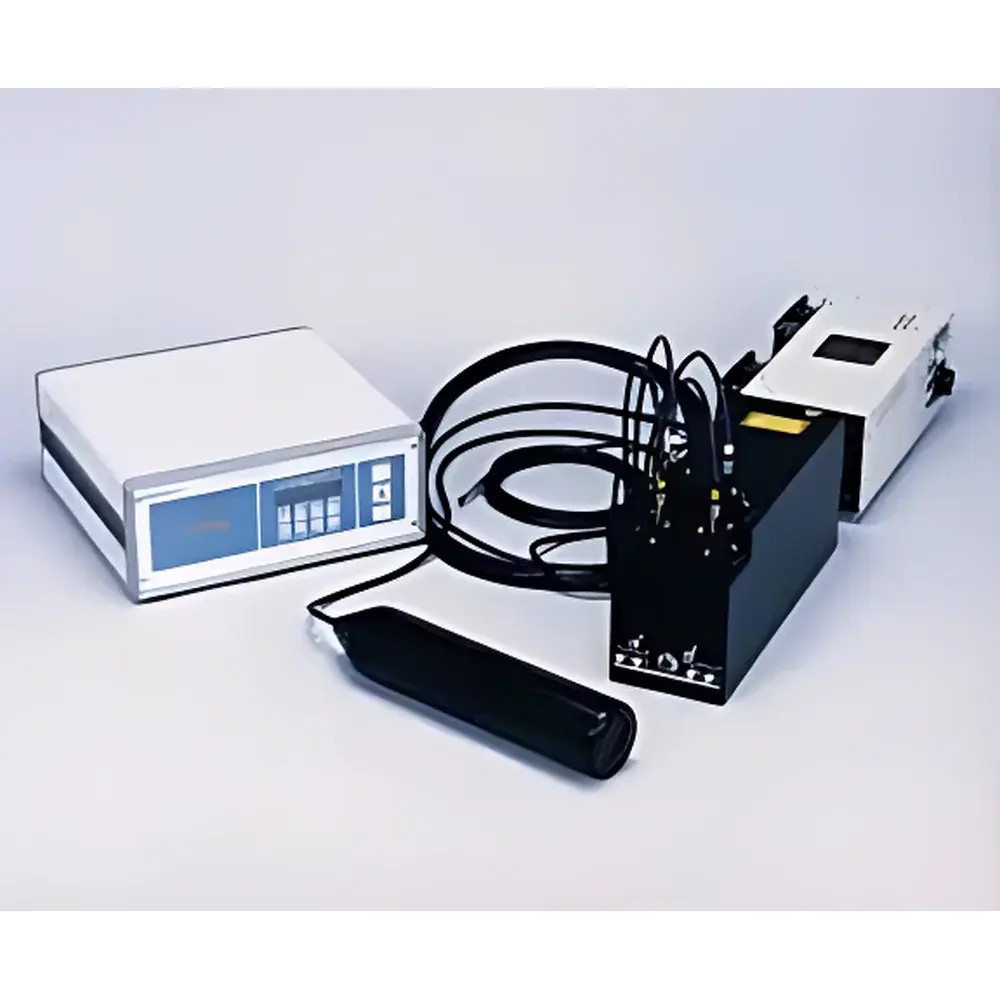
KANOMAX LDV Series Fiber-Optic Laser Doppler Velocimeters
| Brand | KANOMAX |
|---|---|
| Origin | Japan |
| Model | LDV (1D-FLV, 2D-FLV, Smart LDV) |
| Laser Source | He–Ne (10 mW) / Ar-ion |
| Frequency Shift | Dual Bragg Cell |
| Shift Frequencies | 0–5 MHz (1–2–5 steps) |
| Photodetection | Photomultiplier Tube (PMT) |
| Optical Configuration | Forward-scatter (1D/2D), Focal Length: 170 mm (Smart LDV) |
| Dimensions (1D-FLV) | 430 × 200 × 600 mm |
| Weight | Approx. 20 kg |
Overview
Laser Doppler Velocimetry (LDV) is a non-intrusive, point-wise optical measurement technique based on the Doppler effect, used to determine instantaneous fluid velocity with high temporal resolution and exceptional spatial localization. The KANOMAX LDV Series—comprising the 1D-FLV, 2D-FLV, and Smart LDV configurations—employs coherent laser light scattering from seeded particles suspended in gas or liquid flows. When particles traverse the interference fringe pattern formed by two intersecting laser beams, the frequency shift of the scattered light is directly proportional to their velocity component along the measurement axis. This principle enables sub-micrometer spatial resolution and kHz-class temporal bandwidth, making KANOMAX LDVs suitable for fundamental turbulence research, boundary layer analysis, calibration of CFD models, and validation of industrial flow devices under controlled laboratory conditions.
Key Features
- Fiber-optic beam delivery architecture ensures mechanical stability, simplified alignment, and immunity to vibration-induced beam walk-off—critical for long-duration measurements in academic and industrial labs.
- Dual Bragg cell frequency shifter provides precise, stable, and programmable Doppler burst frequencies (0, 0.1, 0.2, 0.5, 1, 2, 5 MHz for 1D-FLV; 10 kHz–5 MHz in 1–2–5 decade steps for 2D-FLV), enabling robust signal discrimination and dynamic range optimization.
- High-gain photomultiplier tube (PMT) detection delivers low-noise, wide-bandwidth signal acquisition with excellent signal-to-noise ratio—even at low particle seeding densities typical in clean gas flows.
- Modular design supports flexible configuration: 1D-FLV for uniaxial velocity components; 2D-FLV with orthogonal beam geometry for simultaneous two-component velocity vector resolution; Smart LDV optimized for educational labs and rapid setup with fixed 170 mm focal length optics.
- All systems comply with IEC 61000-6-3 (EMC emission standards) and are engineered for continuous operation under ISO Class 5–7 cleanroom-compatible environments.
Sample Compatibility & Compliance
KANOMAX LDVs operate in transmission mode and require optically accessible flow paths. They are compatible with transparent gases (e.g., air, N2, He) and liquids (e.g., water, glycerol–water mixtures) when seeded with neutrally buoyant particles (e.g., DEHS, SiO2, or polystyrene latex spheres, 0.5–5 µm diameter). The system does not require physical contact with the medium, eliminating probe-induced flow disturbance or thermal conduction artifacts. For regulatory environments, data acquisition workflows can be structured to support GLP-compliant documentation—though the instrument itself is not FDA 21 CFR Part 11-certified out-of-the-box. Integration with third-party DAQ platforms (e.g., National Instruments PXI) allows traceable timestamping, audit trails, and electronic signature implementation where required.
Software & Data Management
KANOMAX supplies dedicated signal processing software (LDV-Analyzer v3.x) supporting real-time spectral analysis (FFT-based), autocorrelation, and statistical post-processing (mean velocity, RMS fluctuation, probability density functions). Raw analog outputs (±10 V) and TTL-synchronized digital triggers are provided for integration with external oscilloscopes or high-speed digitizers. All software modules generate ASCII- or CSV-formatted output files compatible with MATLAB, Python (NumPy/Pandas), and commercial CFD post-processors. Metadata—including laser wavelength, Bragg frequency, fringe spacing, and calibration constants—is embedded in file headers to ensure full metrological traceability per ISO/IEC 17025 guidelines.
Applications
- Aerodynamic characterization of wind tunnel models, including wake profiling, separation point detection, and laminar–turbulent transition mapping.
- Calibration and verification of hot-wire anemometers, Pitot tubes, and ultrasonic flow meters against primary standards.
- Microfluidic device validation—measuring velocity profiles in channels down to 100 µm hydraulic diameter using appropriate seeding and focusing optics.
- Combustion research: flame front velocity measurement in premixed flames using OH-radical–enhanced scattering or inert seed doping.
- Academic teaching: the Smart LDV variant includes guided lab protocols, pre-configured acquisition templates, and error-detection feedback for undergraduate fluid mechanics laboratories.
FAQ
What particle size and concentration are recommended for optimal LDV signal yield in air?
For standard He–Ne-based 1D-FLV operation in atmospheric air, polystyrene latex particles of 1–2 µm diameter at mass concentrations of 0.1–1 mg/m³ typically yield signal-to-noise ratios >20 dB. Larger particles increase scattering cross-section but may perturb low-Reynolds-number flows.
Can the 2D-FLV resolve velocity gradients across a boundary layer?
Yes—the orthogonal beam geometry enables simultaneous measurement of streamwise and wall-normal components. With motorized translation stages and sub-10 µm positioning repeatability, vertical traverses through laminar or transitional boundary layers are routinely performed.
Is optical alignment user-serviceable without factory recalibration?
The fiber-coupled design minimizes alignment sensitivity; coarse alignment is verified via visible pilot beams, and fine-tuning uses built-in interferometric fringe monitoring. Full recalibration of fringe spacing and Doppler factor is recommended annually or after major optical reconfiguration.
Does KANOMAX provide application-specific validation reports?
Upon request, KANOMAX engineering teams supply application notes—including uncertainty budgets per GUM (JCGM 100:2018), ISO 5167-compliant duct flow comparisons, and NIST-traceable velocity calibration certificates—for qualifying installations in accredited testing laboratories.