
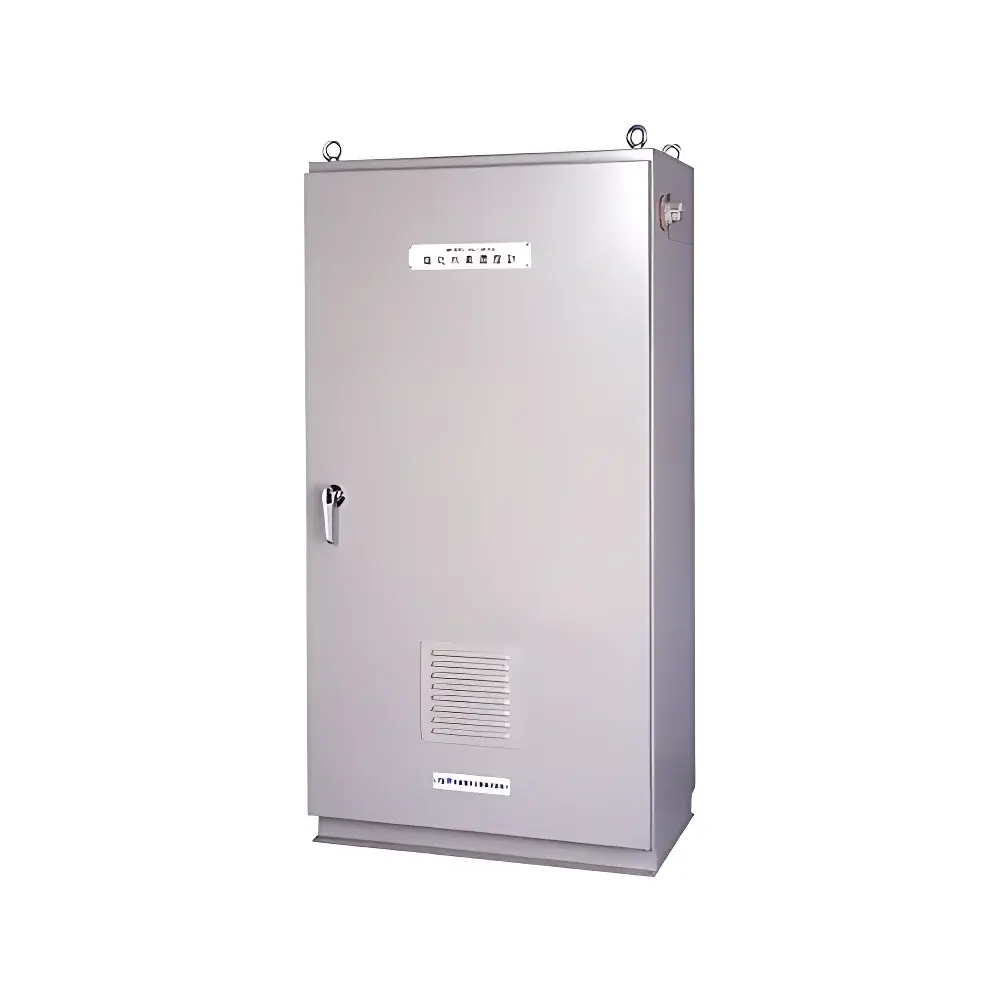
KEM HL-36NS Continuous Hydrogen Chloride (HCl) and Oxygen (O₂) Stack Gas Analyzer
| Brand | KEM (Kyoto Electronics Manufacturing) |
|---|---|
| Origin | Japan |
| Manufacturer Type | Original Equipment Manufacturer (OEM) |
| Product Origin | Imported |
| Model | HL-36NS |
| Pricing | Upon Request |
Overview
The KEM HL-36NS Continuous Hydrogen Chloride (HCl) and Oxygen (O₂) Stack Gas Analyzer is an industrial-grade, in-situ wet-chemical analyzer engineered for long-term, high-stability monitoring of hydrogen chloride concentration and oxygen content in flue gas streams from municipal solid waste incinerators, hazardous waste treatment facilities, and industrial combustion processes. It employs a dual-ion-selective electrode (ISE) methodology combined with a precisely metered absorption solution—sodium chloride–potassium hydrogen phthalate aqueous buffer—to quantitatively convert gaseous HCl into chloride ions for potentiometric detection. This electrochemical approach eliminates optical interferences common in UV/IR spectroscopic methods and ensures robust performance even under low-concentration (<50 ppm), high-dust, and variable-moisture conditions typical downstream of bag filters. The system simultaneously measures O₂ via built-in paramagnetic or electrochemical sensing (optional configuration), enabling real-time O₂-dilution correction per regulatory requirements (e.g., EN 14792, EPA Method 26A, JIS K 0301). Its design complies with IEC 61000-6-2 (immunity) and IEC 61000-6-4 (emissions) standards for industrial environments.
Key Features
- Dual silver/silver chloride ion-selective electrodes with automatic daily electrochemical polishing—no manual mechanical grinding required—ensuring stable electrode surface renewal and extended service life (>12 months under continuous operation).
- Integrated moisture compensation: proprietary liquid-flow metrology sensor measures reagent delivery rate and correlates it with sample gas flow (300 mL/min) to calculate real-time water vapor content; enables dynamic dilution correction for HCl concentration (alternative fixed-moisture mode available).
- Front-access-only maintenance architecture: all critical components—including reagent reservoirs (dual 30 L PTFE-lined tanks), peristaltic pumps, electrode module, and waste collection—require access only from the front panel, eliminating rear clearance needs for wall-mounted or outdoor cabinet installation.
- Simultaneous HCl and particulate matter (PM) measurement capability (Patent No. 3100235): optional integrated coal dust monitor (mg/m³) co-located within the probe housing, with synchronized data display and analog output.
- 5.7-inch high-contrast LCD interface with multilingual menu support (default Japanese; Chinese documentation provided); intuitive touchscreen navigation enables full operational control—including calibration initiation, alarm acknowledgment, and diagnostic review—with single-touch execution.
- Corrosion-resistant wetted materials: titanium and PTFE for gas-contact surfaces; borosilicate glass, PTFE, PVC, and polyethylene for liquid-handling components—validated for continuous exposure to acidic condensates and chlorinated aerosols.
- Automated reagent dosing and waste management: precision metering pump delivers 1 mL/min absorption solution; programmable timer controls scheduled waste discharge to external drum or internal recovery bucket.
Sample Compatibility & Compliance
The HL-36NS is validated for continuous operation in post-bag-filter flue gas with HCl concentrations ranging from 0–50 ppm up to 0–1000 ppm (user-selectable dual-range configurations), and O₂ from 0–25% v/v. It accommodates stack temperatures up to 200°C (probe-rated) and ambient installation temperatures between –5°C and +40°C. The heated sampling line (available in lengths from 2.4 m to 31.2 m) maintains gas-phase integrity and prevents HCl adsorption or condensation. All electrical interfaces meet IP54 ingress protection rating; structural housing uses Munsell 5Y 7/1 acid-resistant baked enamel finish. The analyzer supports GLP/GMP-aligned data integrity: audit trails for calibration events, electrode regeneration logs, and alarm histories are timestamped and non-erasable. Analog outputs (4–20 mA) comply with NAMUR NE43 and support connection to DCS/SCADA systems meeting IEC 62443-3-3 cybersecurity guidelines.
Software & Data Management
While the HL-36NS operates as a standalone hardware analyzer without embedded PC-based software, its signal architecture is fully compatible with third-party data acquisition platforms. All primary measurements—HCl instantaneous value, O₂ instantaneous value, O₂-corrected HCl (12% reference), and moving-average HCl—are transmitted via isolated 4–20 mA channels with HART protocol support (optional). Digital contact outputs (dry relay, 100 VAC/0.1 A) provide status signaling for maintenance modes, electrode regeneration cycles, upper-limit alarms, and system fault conditions. Internal memory retains >30 days of 1-minute averaged data with time stamps. For regulatory reporting, raw analog signals may be interfaced with FDA 21 CFR Part 11-compliant historian systems via certified analog-to-digital converters and electronic signature workflows.
Applications
- Continuous emissions monitoring (CEMS) for HCl compliance at waste-to-energy plants operating under EU Directive 2010/75/EU (IED), US EPA 40 CFR Part 60 Subpart Eb, and Japan’s Air Pollution Control Act.
- Process optimization in cement kilns and metallurgical furnaces where chlorine-induced corrosion necessitates real-time halogen tracking.
- Stack testing and method validation per ASTM D6784-22 (Standard Test Method for Elemental, Oxidized, Particle-Bound and Total Mercury in Flue Gas Streams) when used in conjunction with mercury speciation systems.
- Research applications requiring trace HCl quantification in pilot-scale pyrolysis or gasification reactors with high particulate loading.
- Environmental impact assessments for incineration facility permitting, including baseline and post-modification stack characterization.
FAQ
What is the measurement principle used by the HL-36NS?
It utilizes potentiometric detection via dual Ag/AgCl ion-selective electrodes after selective absorption of HCl into a buffered NaCl–KHP solution.
Does the analyzer require periodic manual calibration?
No—automatic zero and span calibration is performed using standard equivalent solutions; O₂ calibration uses ambient air as reference.
Can the system operate unattended for extended periods?
Yes—daily electrode regeneration, automated reagent delivery, moisture compensation, and self-diagnostic alerts enable 30-day unattended operation with scheduled maintenance.
Is the HL-36NS compliant with international emissions reporting standards?
Yes—it meets technical specifications referenced in EN 14792, EPA Method 26A, and JIS K 0301 for HCl CEMS, and supports O₂-dilution correction per regulatory normalization protocols.
What materials are used in the probe to resist corrosion?
Quartz and PTFE filter media; titanium and PTFE gas-path components; borosilicate glass and fluoropolymer fluidic manifolds.
Related Products







