
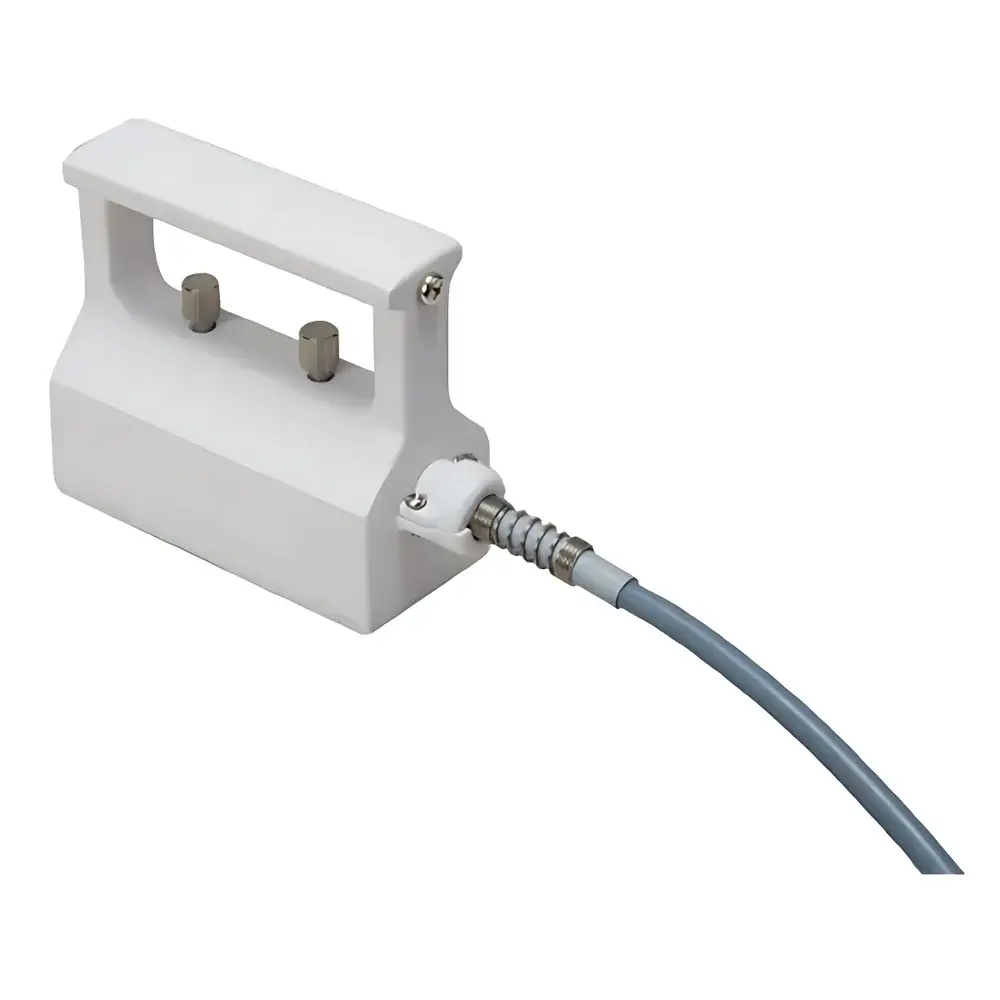
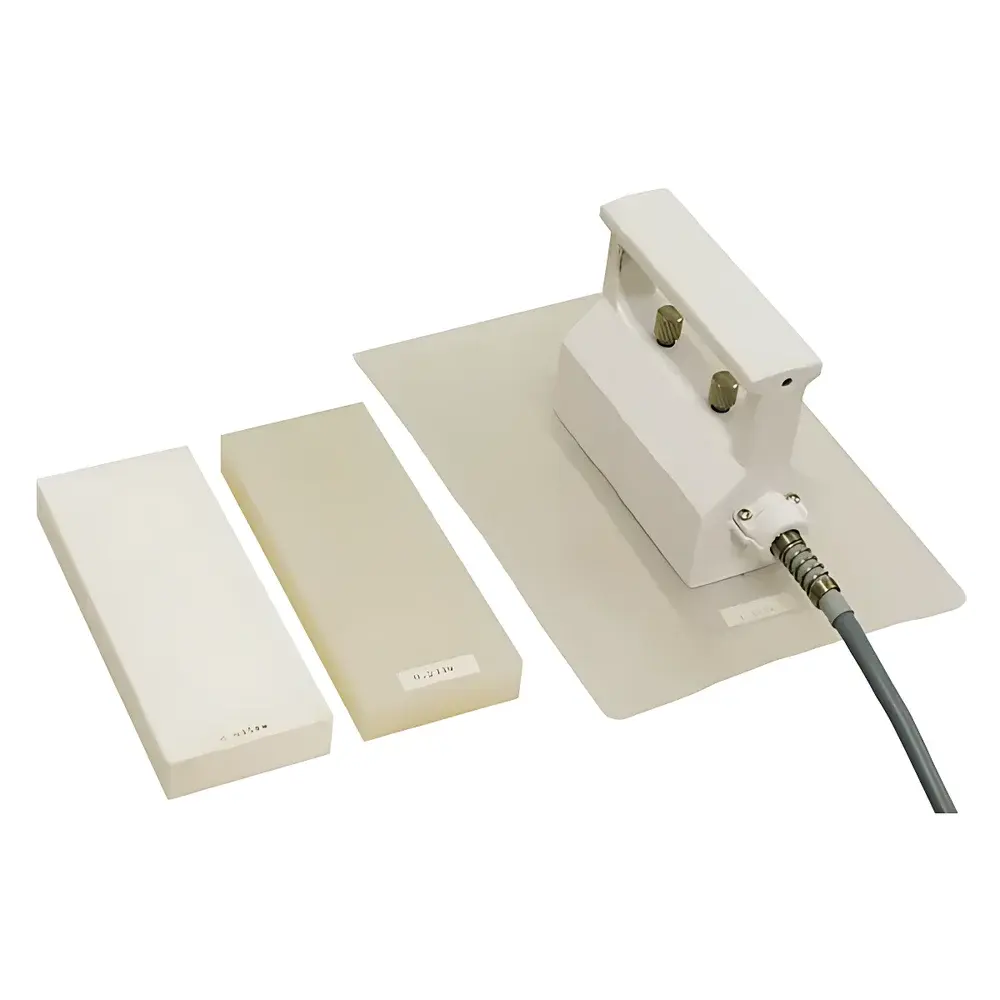
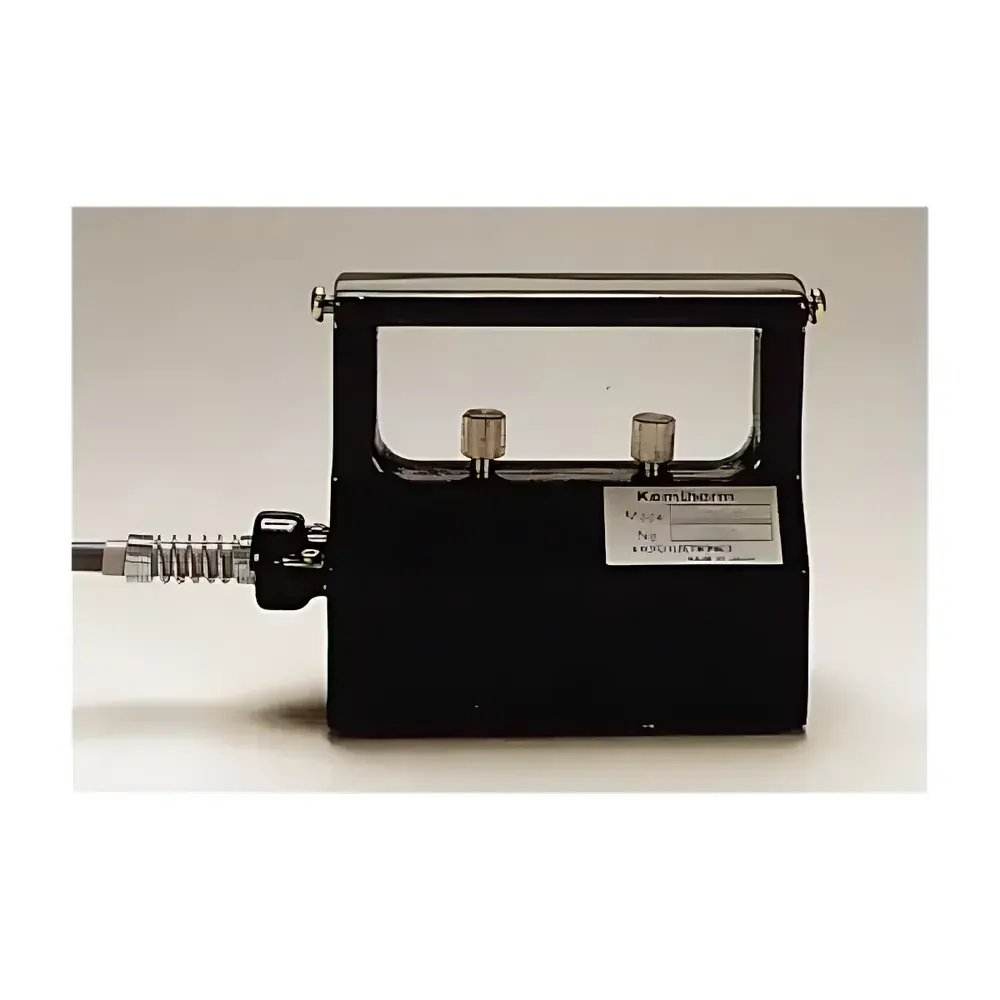
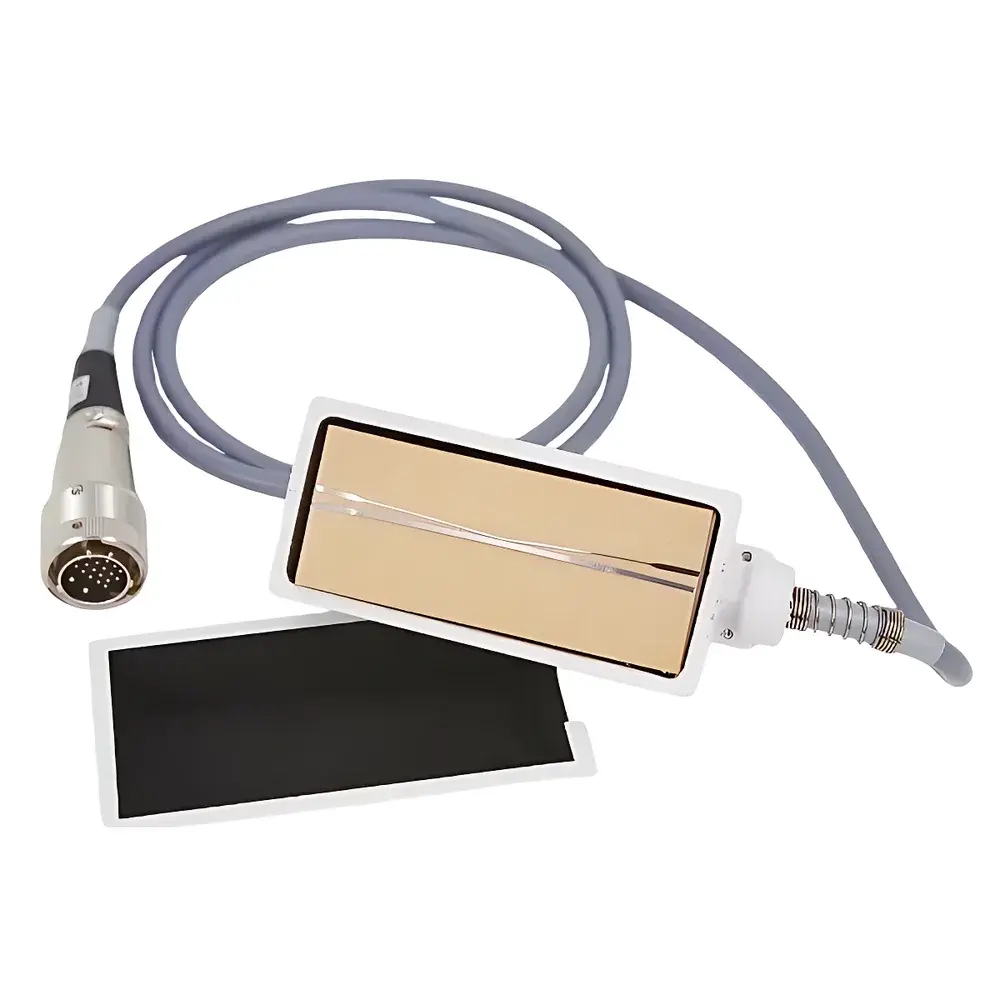
KEM PD-11N/PD-11 Box-Type Thermal Conductivity Analyzer (Hot-Wire Method)
| Brand | KEM (Kyoto Electronics Manufacturing) |
|---|---|
| Origin | Japan |
| Manufacturer | Yes |
| Import Status | Imported |
| Model | PD-11N / PD-11 |
| Measurement Principle | Transient Hot-Wire Method |
| Thermal Conductivity Range | 0.03–12 W/(m·K) |
| Accuracy | ±5% |
| Repeatability | ±3% |
| Operating Temperature Range | −10 to 200 °C |
| Standard Measurement Time | 60 s |
| Sample Dimensions (min.) | 100 × 50 × 20 mm (for bulk solids) |
| Probe Form Factor | Encapsulated box-type sensor |
| Physical Dimensions (L×W×H) | 110 × 50 × 100 mm |
Overview
The KEM PD-11N/PD-11 Box-Type Thermal Conductivity Analyzer is a precision instrument engineered for rapid, non-destructive thermal conductivity measurement of solid and semi-rigid materials using the transient hot-wire method—compliant with ASTM D5334 and ISO 22007-2 standards. Unlike steady-state techniques requiring extended equilibration, this system applies a controlled Joule-heated linear filament embedded within a compact, thermally insulated probe head. The resulting temperature rise over time is recorded via integrated platinum resistance thermometers, enabling calculation of thermal conductivity through analytical solution of the one-dimensional heat conduction equation in an infinite medium. Designed for laboratory and quality control environments, the PD-11N/PD-11 delivers traceable, reproducible data across a broad dynamic range (0.03–12 W/(m·K)), making it particularly suitable for characterizing low-conductivity insulators (e.g., aerogels, mineral wool, foamed polymers) as well as moderate-to-high conductivity ceramics, cements, and elastomers.
Key Features
- Encapsulated box-type probe architecture ensures mechanical robustness, thermal stability, and consistent sensor-sample contact during insertion or surface placement.
- Dual-model configuration: PD-11N optimized for integration with KEM QTM-710/700 series thermal analyzers; PD-11 compatible with QTM-500 platforms—ensuring seamless firmware synchronization and calibration traceability.
- Transient measurement cycle completed in 60 seconds per test, minimizing thermal drift and operator dependency while supporting high-throughput screening.
- Operational temperature range from −10 °C to +200 °C enables characterization under ambient, chilled, or elevated conditions—critical for evaluating temperature-dependent thermal behavior in building materials and polymer composites.
- Calibration verified against NIST-traceable reference materials (e.g., certified glass, epoxy, and alumina standards), with full documentation available for GLP/GMP audit compliance.
- Probe geometry accommodates standard sample dimensions of ≥100 × 50 × 20 mm (L×W×H); minimum thickness requirements scale with material conductivity (e.g., ≥0.1 mm for 0.1 W/(m·K), ≥5 mm for 5 W/(m·K)) to ensure one-dimensional heat flow assumptions remain valid.
Sample Compatibility & Compliance
The PD-11N/PD-11 is validated for use with homogeneous, isotropic, and non-metallic solids including but not limited to: rigid and flexible polymeric foams, phenolic resins, silicone rubbers, fired clay bricks, refractory ceramics, Portland cement mortars, graphite composites, and porous insulating boards. It is not intended for liquids, powders, or electrically conductive metals due to interference with the hot-wire current path and boundary condition assumptions. All measurements adhere to the fundamental constraints of the transient hot-wire method—namely, sample homogeneity, absence of interfacial thermal resistance, and negligible radiative losses at test temperatures. Instrument compliance includes alignment with ISO/IEC 17025 testing laboratory requirements when operated within documented SOPs, and supports FDA 21 CFR Part 11–ready electronic records when paired with KEM’s QTM-series host software.
Software & Data Management
When connected to KEM QTM-500, QTM-700, or QTM-710 main units, the PD-11N/PD-11 leverages KEM’s proprietary Thermal Analysis Suite (TAS v4.x), which provides automated test sequencing, real-time thermal decay curve visualization, automatic baseline correction, and statistical reporting (mean, SD, CV%) across replicate runs. Raw voltage vs. time datasets are stored in vendor-neutral CSV format; metadata—including date/time stamp, operator ID, calibration certificate ID, and environmental chamber settings—is embedded in each file header. Audit trails record all parameter modifications, calibration events, and user logins, satisfying regulatory expectations for data integrity in pharmaceutical excipient qualification and construction material certification workflows.
Applications
- Quality assurance of thermal insulation products per ASTM C518 and JIS A1412 specifications.
- R&D evaluation of novel polymer matrix composites for aerospace and automotive thermal management systems.
- Batch release testing of refractory linings used in industrial kilns and furnaces.
- Validation of thermal performance claims for green building materials (e.g., hempcrete, corkboard, vacuum-insulated panels).
- Temperature-dependent λ(T) profiling of phase-change materials (PCMs) below melting onset.
- Comparative analysis of aging effects on rubber seals and gaskets exposed to thermal cycling.
FAQ
What is the difference between PD-11 and PD-11N?
The PD-11N features enhanced thermal shielding and updated signal conditioning circuitry for improved noise rejection in high-temperature environments (up to 200 °C); it is designed exclusively for use with QTM-710/700 instruments. The PD-11 maintains identical core metrology but targets compatibility with the QTM-500 platform.
Can the PD-11N/PD-11 measure thin films or coatings?
No—this probe requires bulk, self-supporting samples of minimum thickness defined by thermal diffusivity constraints. Thin-film characterization necessitates alternative methods such as time-domain thermoreflectance (TDTR) or guarded hot plate with auxiliary fixturing.
Is calibration required before each measurement?
A single factory calibration is performed using three certified reference materials spanning the full 0.03–12 W/(m·K) range. Users perform daily verification checks using a supplied ceramic reference block; full recalibration is recommended annually or after mechanical shock.
Does the instrument comply with ISO 17025 requirements?
Yes—when operated under documented procedures, with traceable calibration records, and with version-controlled software, the system meets technical competence criteria outlined in ISO/IEC 17025:2017 for thermal conductivity testing laboratories.
How is probe-sample contact resistance mitigated?
The box-type sensor incorporates a compliant thermal interface layer and spring-loaded contact mechanism that ensures uniform pressure distribution and minimizes air gaps—validated via comparative testing against guarded hot plate results on identical specimens.



