
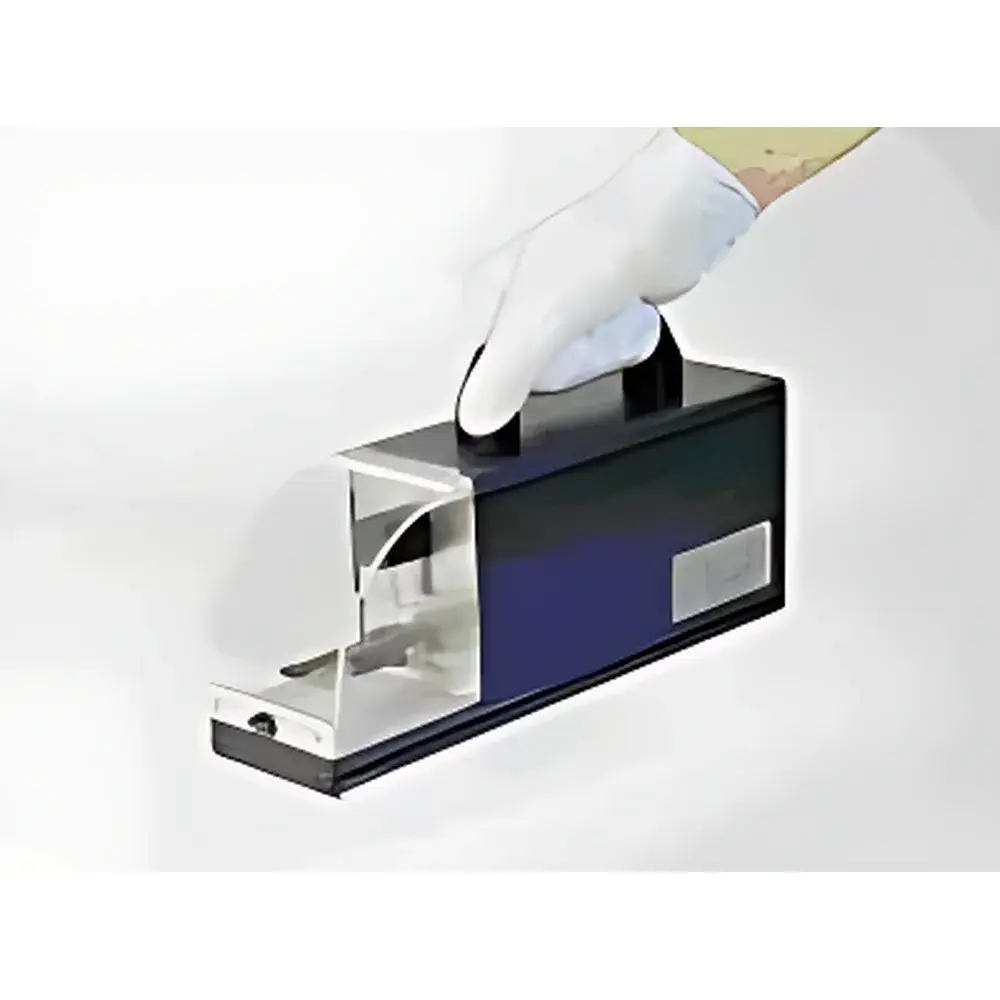
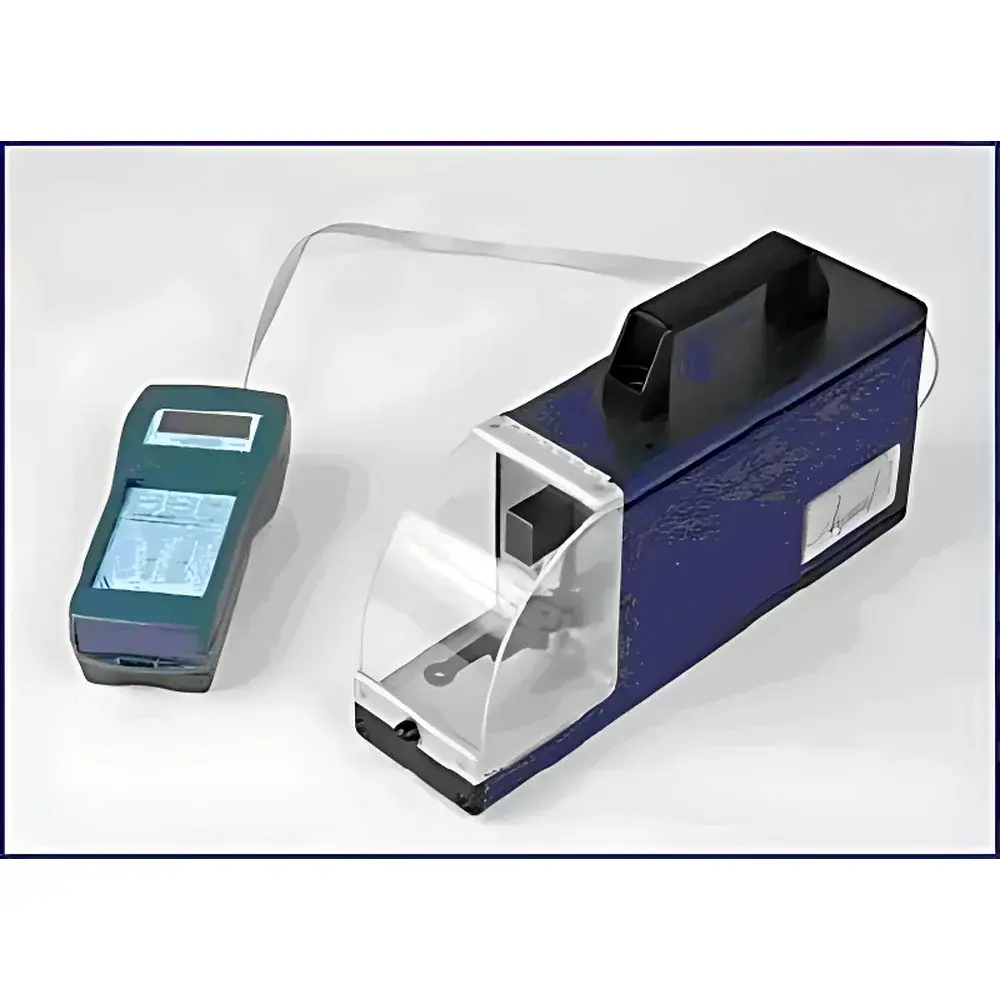
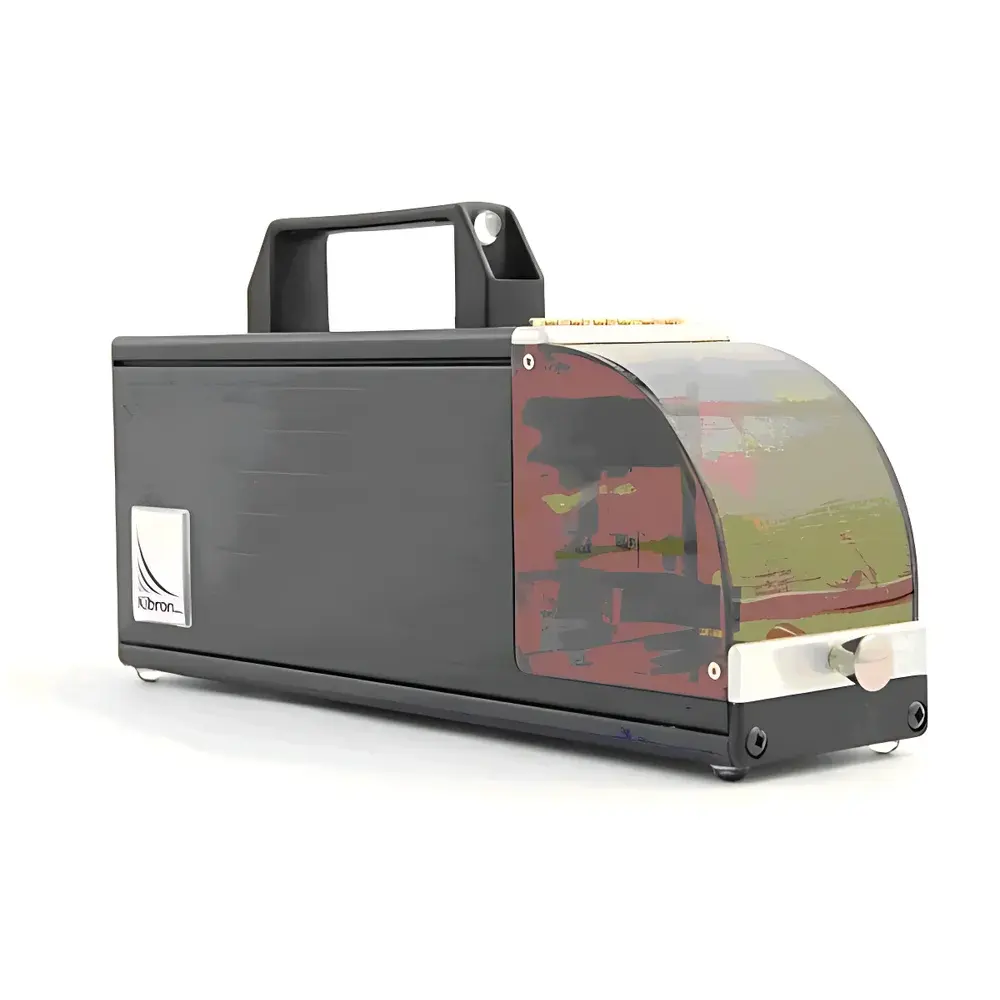
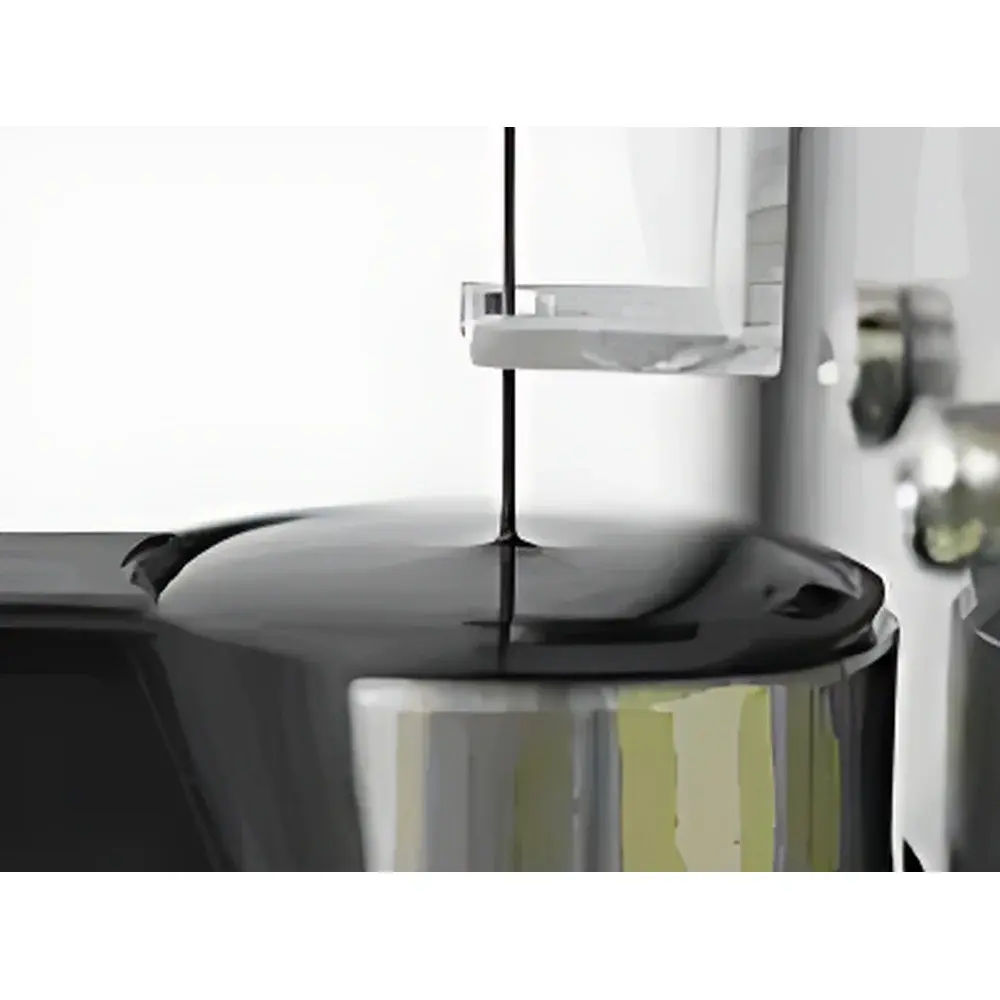
Kibron AquaPi Portable Static Surface Tensiometer
| Brand | Kibron |
|---|---|
| Origin | Finland |
| Model | AquaPi |
| Measurement Range | 10–300 mN/m |
| Accuracy | ±0.1 mN/m |
| Resolution | 0.01 mN/m |
| Sample Volume | 45 µL (min), 3 mL (max) |
| Dimensions | 30 × 8 × 15 cm |
| Weight | 2.2 kg |
| Power | 15 V DC (input: 100–240 V AC) |
| Measurement Time | ≤30 s per reading |
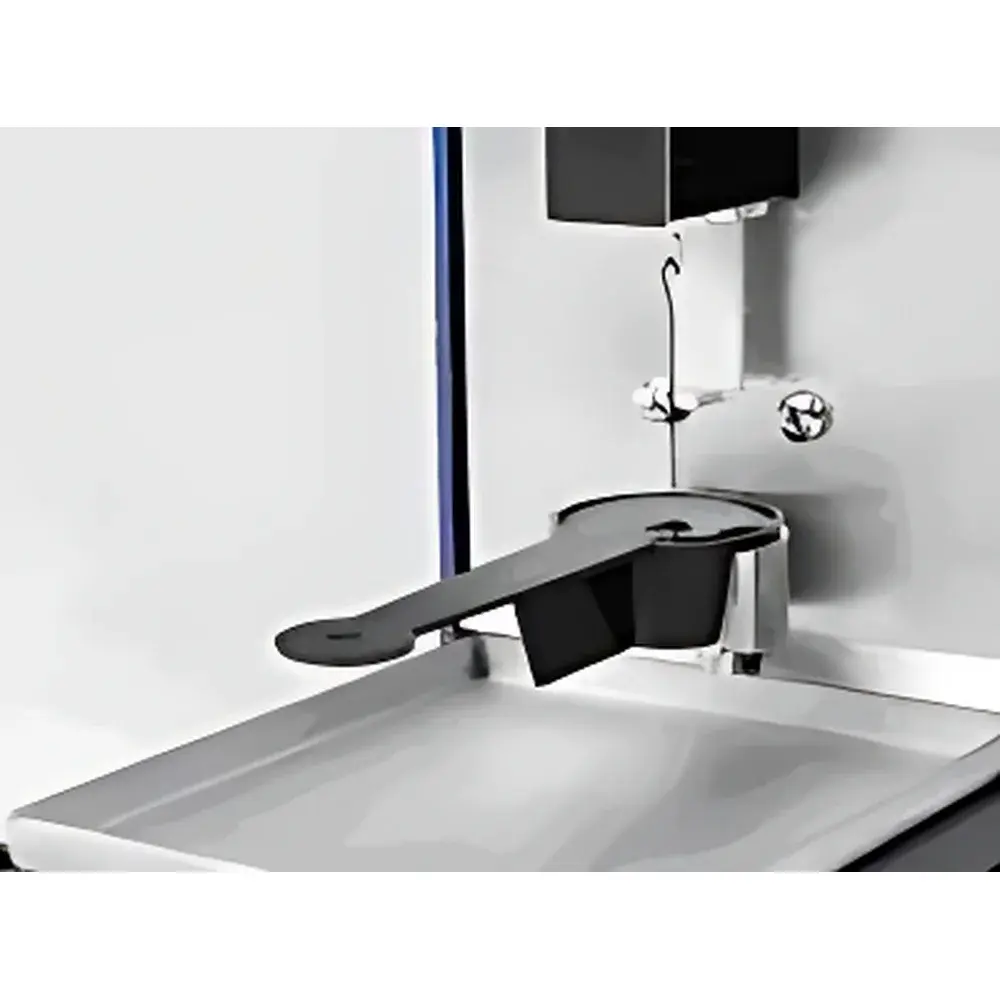
| Sensor Principle | Padday rod-based maximum pull-off force |
| Microbalance Sensitivity | <0.2 µg |
| Sample Vessel Material | Polypropylene or borosilicate glass |
| Compliance | ASTM D1331, ISO 6295, ISO 1409, USP <1051>, GLP-ready audit trail support |
Overview
The Kibron AquaPi Portable Static Surface Tensiometer is a field-deployable, battery-operated instrument engineered for high-precision static surface tension measurement at the air–liquid interface. Unlike conventional Wilhelmy plate or Du Noüy ring tensiometers, the AquaPi implements the Padday rod method—a rigorously validated technique first described in Journal of the Chemical Society, Faraday Transactions (1974, Vol. 71, pp. 1919–1931). This method relies on measuring the maximum pull-off force exerted on a vertically immersed cylindrical rod during controlled withdrawal from the liquid surface. The force correlates directly with surface tension (γ), rod diameter, and liquid density—eliminating dependence on absolute rod geometry and enabling rapid recalibration only when diameter changes occur. The core innovation lies in Kibron’s proprietary ultra-microbalance (<0.2 µg resolution), which captures minute meniscus weight variations with negligible hysteresis or signal lag. Designed for robustness across environmental gradients—from laboratory benchtops to remote groundwater sampling sites—the AquaPi delivers traceable, reproducible γ-values without vibration isolation, temperature-controlled enclosures, or operator expertise beyond basic handling.
Key Features
- True portability: Integrated rechargeable battery enables >8 hours of continuous operation; no external power source required in field settings.
- Minimal sample consumption: Accurate measurements from as little as 45 µL—critical for expensive surfactants, biological fluids, or limited environmental samples.
- Real-time surface pressure monitoring: Captures dynamic adsorption kinetics and rapid interfacial relaxation events (e.g., protein unfolding, polymer migration) with sub-second temporal resolution.
- Vibration-insensitive architecture: Solid-state mechanics and optimized mass distribution eliminate need for optical tables or active damping systems.
- Chemically resistant probe: Stainless steel rod with inert surface finish ensures long-term dimensional stability—even in aggressive solvents, acids, or viscous media (e.g., crude oil fractions, polymer melts, ink formulations).
- Automated calibration and measurement sequence: Single-button initiation after solvent-based calibration (e.g., ultrapure water, ethanol); results displayed in mN/m within ≤30 seconds.
- Low-contamination workflow: Disposable or autoclavable polypropylene sample cups (3 mL capacity); optional borosilicate glass vessels for UV-transparent or high-purity applications.
Sample Compatibility & Compliance
The AquaPi accommodates aqueous and non-aqueous liquids across wide viscosity ranges—including crude oils, dairy emulsions, detergent concentrates, electroplating baths, and pharmaceutical micellar solutions. Its rod-based methodology avoids capillary rise artifacts and wetting-angle dependencies inherent in plate- or ring-based systems, making it suitable for high-contact-angle or low-wetting liquids. Instrument compliance aligns with internationally recognized standards for interfacial property measurement: ASTM D1331 (surface and interfacial tension of paints, varnishes, and related products), ISO 6295 (petroleum products), ISO 1409 (plastics), and USP (surface tension in pharmaceutical excipient characterization). Data acquisition supports 21 CFR Part 11-compliant electronic records when paired with Kibron’s optional PC software—enabling full audit trails, user authentication, and electronic signatures for GMP/GLP-regulated environments.
Software & Data Management
The AquaPi operates standalone with an integrated OLED display and tactile keypad, but also interfaces via USB to Kibron’s Windows-based Tensiometer Control Suite. This software provides real-time force–time curve visualization, automated CMC detection via Gibbs adsorption analysis, and export of raw data in CSV or Excel-compatible formats. Built-in mathematical modules compute air–water partition coefficients (Kaw), molecular surface area (As), and critical micelle concentration (CMC) by fitting experimental γ vs. log c isotherms to Langmuir, Frumkin, or Szyszkowski models. All measurement metadata—including timestamp, ambient temperature, calibration history, and operator ID—is embedded in exported files to satisfy traceability requirements under ISO/IEC 17025 and FDA audit protocols.
Applications
- Environmental monitoring: Rapid screening of groundwater, wastewater, and runoff for hydrocarbon contamination, surfactant leakage, or detergent adulteration—triggering audible alerts upon deviation from baseline γ thresholds.
- Industrial process control: In-line quality assurance in chrome plating baths, acid pickling solutions, and edible oil refining—where surface tension shifts correlate directly with bath aging or contaminant accumulation.
- Academic research & teaching: Quantitative demonstration of Gibbs adsorption isotherms, surfactant monolayer formation, and interfacial thermodynamics in undergraduate physical chemistry labs.
- Food & dairy safety: Detection of sanitizer residues in milk processing lines or cleaning-in-place (CIP) validation through surface tension depression assays.
- Coatings & inks: Formulation optimization of pigment dispersants, leveling agents, and wetting additives via dynamic surface pressure profiling.
FAQ
How does the Padday rod method differ from Wilhelmy plate or Du Noüy ring techniques?
The Padday method measures the maximum force during rod withdrawal—not equilibrium buoyancy or capillary rise—making it insensitive to contact angle uncertainty and eliminating corrections for wetted perimeter or meniscus shape. It requires no probe reorientation or immersion depth adjustment.
Can the AquaPi measure interfacial tension (oil–water)?
Yes—when used with a dual-phase cell and appropriate rod immersion protocol, it quantifies interfacial tension with comparable accuracy to air–liquid measurements.
Is calibration required before each use?
No. A single calibration using a reference liquid (e.g., ultrapure water at 20 °C, γ = 72.75 mN/m) remains valid until probe diameter changes or mechanical impact occurs.
What sample volume is needed for reliable CMC determination?
For statistically robust isotherm construction, ≥12 concentration points are recommended; total volume required is typically <2 mL when using sequential dilution protocols.
Does the instrument support temperature control?
The AquaPi operates at ambient temperature. For temperature-dependent studies, users integrate it with external Peltier stages or water-jacketed sample holders—data logging accommodates external temperature inputs via analog voltage input.



