
KJ GROUP ZJ-52T Thermocouple Vacuum Gauge
| Brand | KJ GROUP |
|---|---|
| Origin | Liaoning, China |
| Manufacturer Type | Authorized Distributor |
| Country of Origin | China |
| Model | ZJ-52T |
| Pricing | Available Upon Request |
| Measurement Range | 1×10⁵ to 1×10⁻¹ Pa |
| Filament Material | Tungsten |
| Cold Filament Resistance | 86.5 ± 1.7 Ω at 23 ± 3 °C |
| Operating Filament Temperature | 40–300 °C |
| Zero Drift | ≤ ±25% (within 3×10³–1×10⁻¹ Pa) |
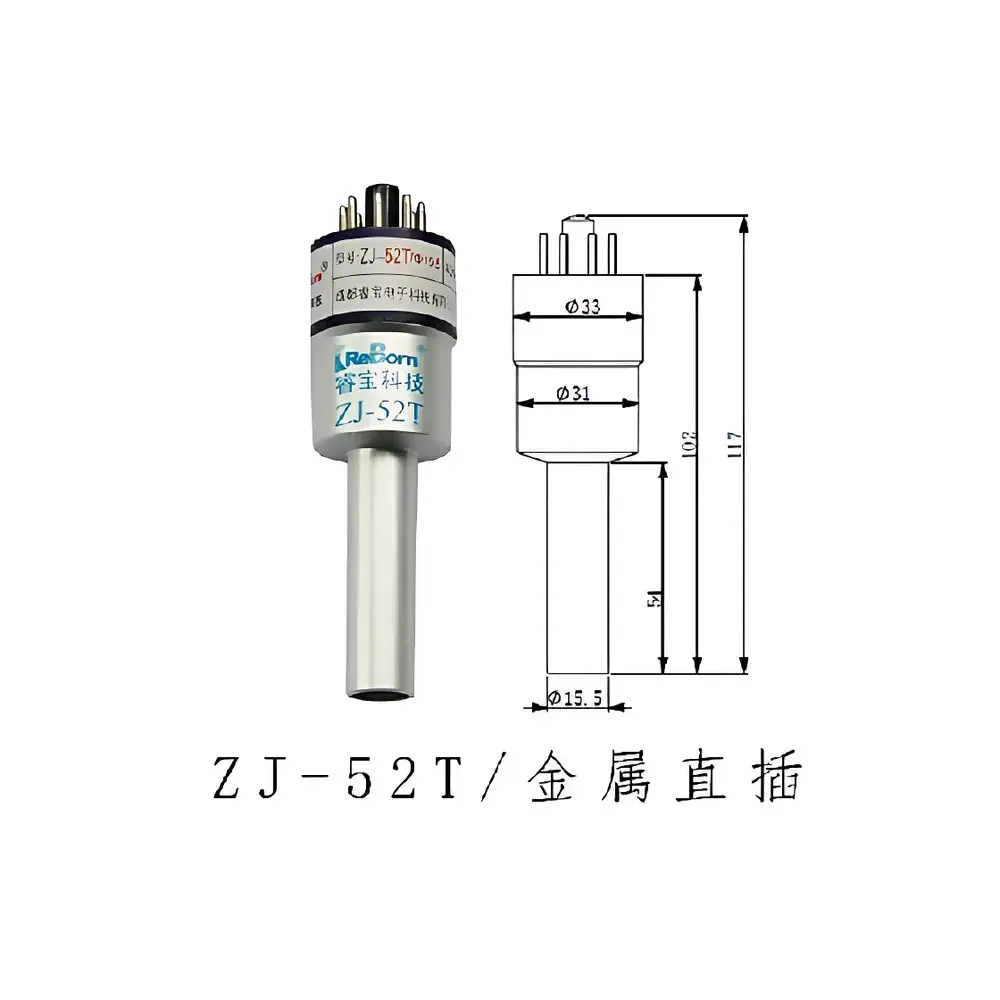
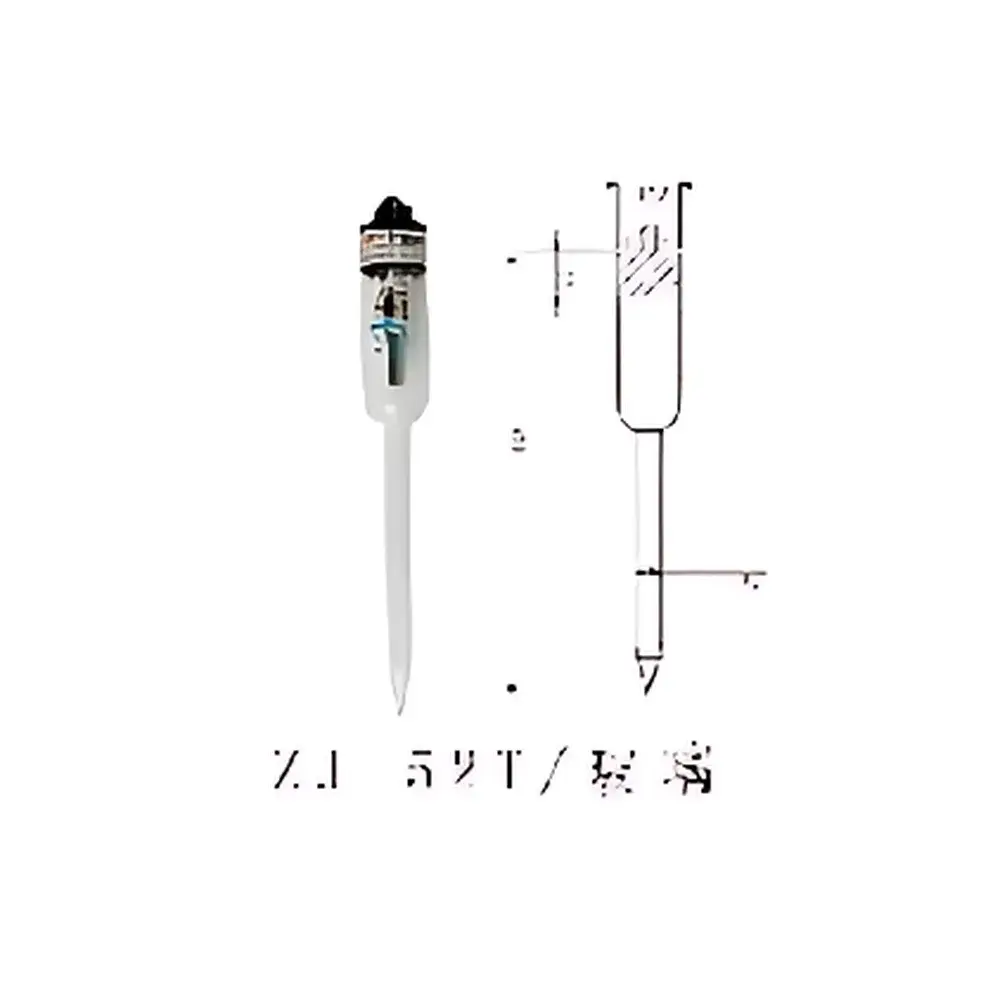
| Vacuum Port Options | Φ15.5±0.5 mm Glass Seal (max bakeout: 80 °C) |
| Φ15.5±0.1 mm Metal Seal (max bakeout | 80 °C) |
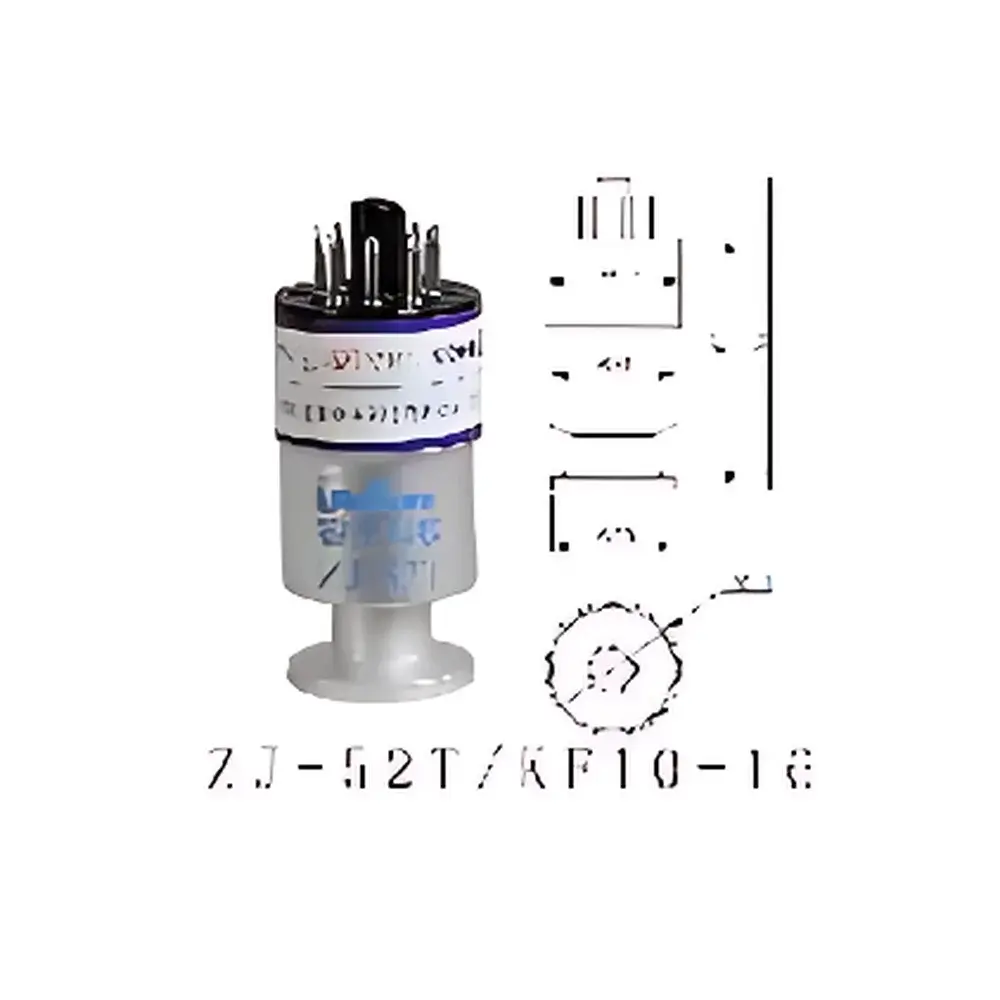
| KF10/KF16/KF25/KF40 Quick-Release Flanges (max bakeout | 80 °C) |
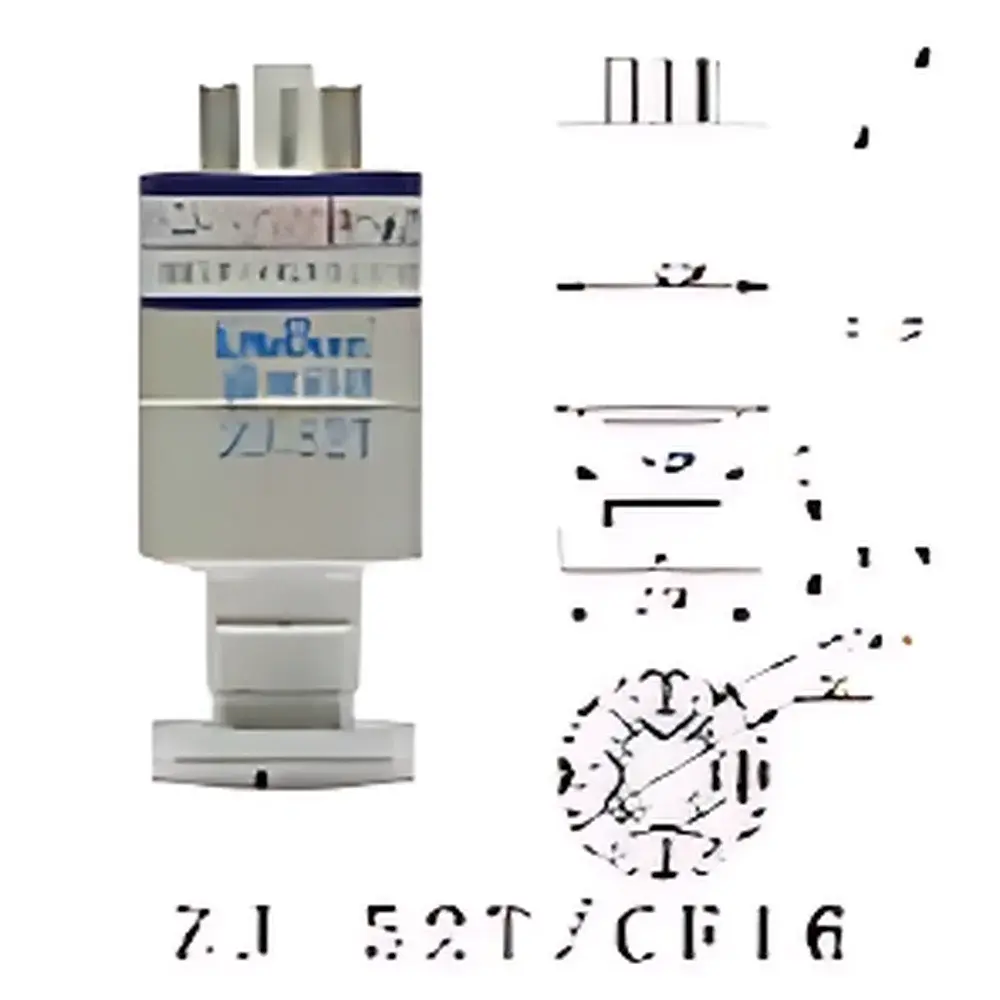
| CF16/CF25/CF35 Conflat Flanges (max bakeout | 450 °C) |
Overview
The KJ GROUP ZJ-52T Thermocouple Vacuum Gauge is a robust, analog thermal-conductivity-based vacuum measurement instrument engineered for reliable and repeatable pressure monitoring in the rough to low vacuum range (1×10⁵ Pa to 1×10⁻¹ Pa). It operates on the fundamental principle that the thermal conductivity of a gas is proportional to its pressure within this regime. A stabilized tungsten filament—pre-treated for dimensional and resistive stability—is electrically heated to a controlled temperature range (40–300 °C). As ambient gas molecules collide with the hot filament, heat is transferred away; the rate of heat loss correlates directly with gas density and thus pressure. A thermocouple welded to the filament measures its temperature, generating a millivolt-level output signal linearized and calibrated against known pressure standards. Unlike ionization gauges, the ZJ-52T requires no high voltage or electron emission, making it inherently safe, immune to X-ray limit effects, and suitable for use in reactive or oxidizing atmospheres—including air, N₂, Ar, and CO₂—without risk of filament burnout.
Key Features
- Stabilized tungsten filament with low thermal mass and pre-aged metallurgical structure, ensuring minimal zero drift and long-term calibration retention
- Integrated temperature compensation circuitry to mitigate ambient thermal influence on output stability
- Dust-resistant filament geometry and optional protective mesh design to reduce particulate-induced signal noise and contamination-related degradation
- Oxidation-resistant construction, enabling stable operation in ambient air and non-corrosive process gases without active cooling or inert purging
- Wide dynamic pressure range spanning five decades—from atmospheric pressure down to 0.1 Pa—ideal for vacuum system start-up, leak checking, pump-down verification, and process endpoint detection
- Multiple vacuum interface options including glass-sealed, metal-sealed, KF quick-connect, and CF conflat flanges—supporting both standard and ultra-high-vacuum compatible bakeout protocols (up to 450 °C for CF variants)
Sample Compatibility & Compliance
The ZJ-52T is compatible with common non-condensable gases used in industrial vacuum applications, including nitrogen, argon, oxygen, carbon dioxide, and dry air. It is not recommended for use with condensable vapors (e.g., water vapor above 10 Pa, solvents, oils) or highly corrosive gases (e.g., Cl₂, NH₃, HF) unless isolated via cold traps or chemical scrubbers. The gauge meets general-purpose industrial safety and electromagnetic compatibility requirements per IEC 61326-1:2022 (industrial environments). While not certified to ISO/IEC 17025 as a standalone metrological standard, its calibration traceability supports GLP-compliant documentation when paired with NIST-traceable reference manometers. Its passive analog output (typically 0–10 mV or 0–1 V) allows integration into legacy PLCs, data loggers, and OEM control systems without protocol translation.
Software & Data Management
The ZJ-52T is a stand-alone analog sensor requiring an external readout unit or controller for signal conditioning and display. Compatible KJ GROUP digital controllers (e.g., VGM-300 series) provide real-time pressure readout, analog/digital output (4–20 mA, RS485 Modbus RTU), and configurable alarm thresholds. All controller firmware implements audit-trail logging per FDA 21 CFR Part 11 requirements when operated in validated mode—including user login, parameter changes, and calibration event timestamps. Raw thermocouple voltage signals can be acquired via DAQ systems for custom analysis, supporting CSV export and time-synchronized multi-channel trending. No proprietary software installation is required for basic operation; configuration utilities are web-accessible via embedded HTTP server on networked controllers.
Applications
- Rough vacuum monitoring in freeze dryers, vacuum ovens, and solvent recovery units
- Process pressure supervision during physical vapor deposition (PVD), sputtering, and thermal evaporation coating systems
- Leak detection and pump performance verification in HVAC, refrigeration, and automotive component testing
- Quality assurance in packaging lines utilizing vacuum sealing or modified atmosphere packaging (MAP)
- Education and training labs where simplicity, durability, and cost-effectiveness outweigh ultra-high-resolution requirements
- OEM integration into vacuum-integrated machinery such as semiconductor handling tools, analytical instrument sample chambers, and materials synthesis reactors
FAQ
What gases can the ZJ-52T accurately measure?
It provides reliable readings for dry, non-condensable gases such as air, N₂, Ar, O₂, and CO₂. Accuracy degrades significantly in high-humidity environments or with vapors that condense on the filament surface.
Can the ZJ-52T be baked out? If so, at what temperature?
Yes—glass and KF-sealed versions support bakeout up to 80 °C; CF-flanged models (CF16/CF25/CF35) are rated for continuous exposure up to 450 °C, provided the electrical feedthrough and thermocouple junction are similarly rated.
Does the gauge require periodic recalibration?
While inherently stable due to filament stabilization and thermal compensation, annual verification against a reference standard is recommended for GMP/GLP environments. Calibration intervals may extend to 24 months under light-use, clean-gas conditions.
Is the ZJ-52T compatible with vacuum controllers from other manufacturers?
Yes—its analog millivolt output is standardized and interoperable with any controller accepting thermocouple-type inputs (Type K or custom scaling), though full feature access (e.g., alarms, logging) requires KJ GROUP’s native VGM-series controllers.
How does filament temperature affect measurement stability?
The gauge maintains filament temperature within a tightly regulated band (40–300 °C) via constant-power or constant-temperature modes. Excessive ambient temperature gradients (>5 °C/min) may induce transient offsets until thermal equilibrium is restored—typical stabilization time is <30 seconds after pressure step change.



