
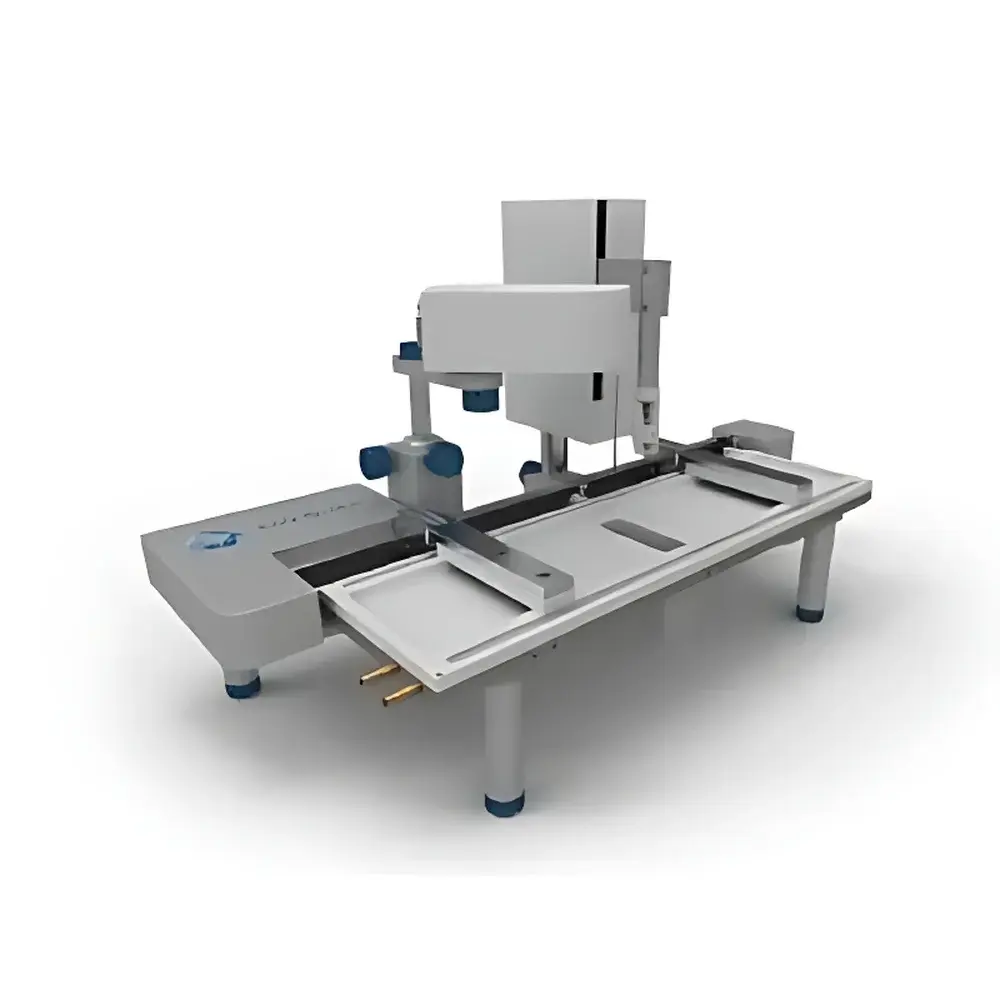
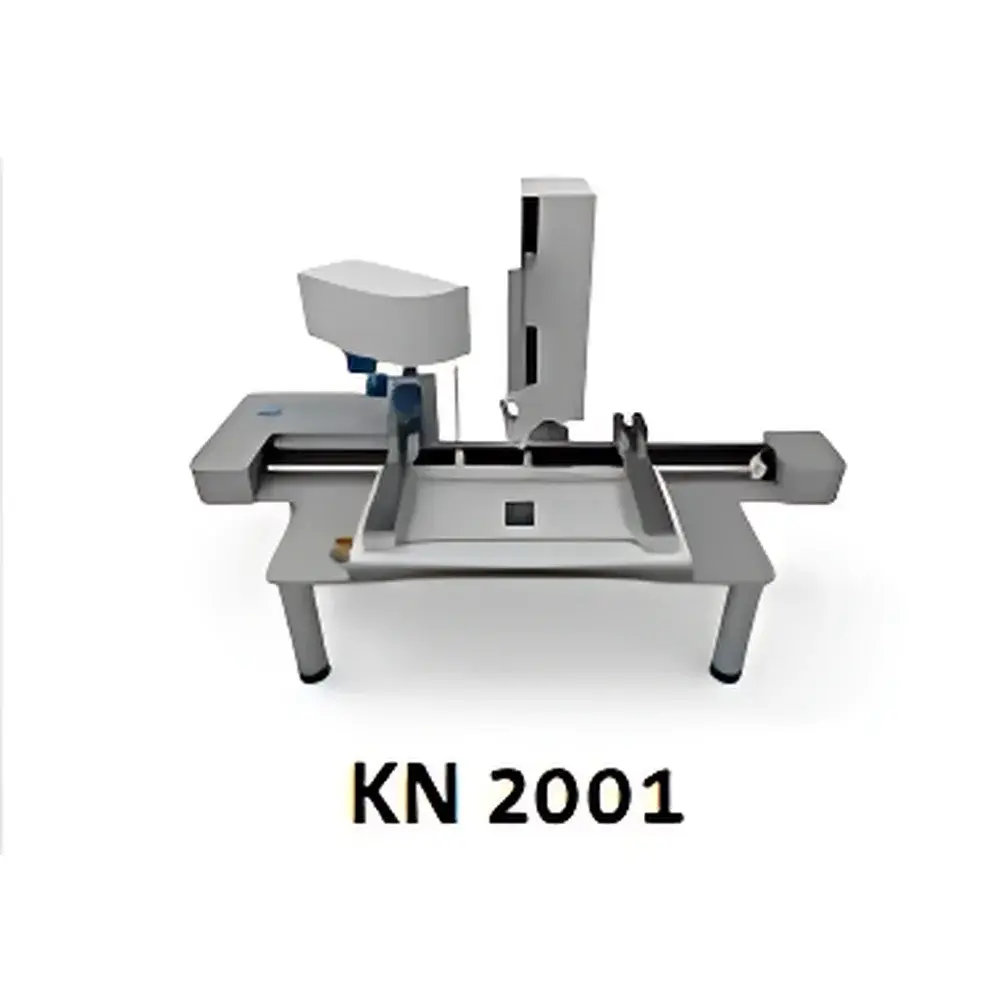
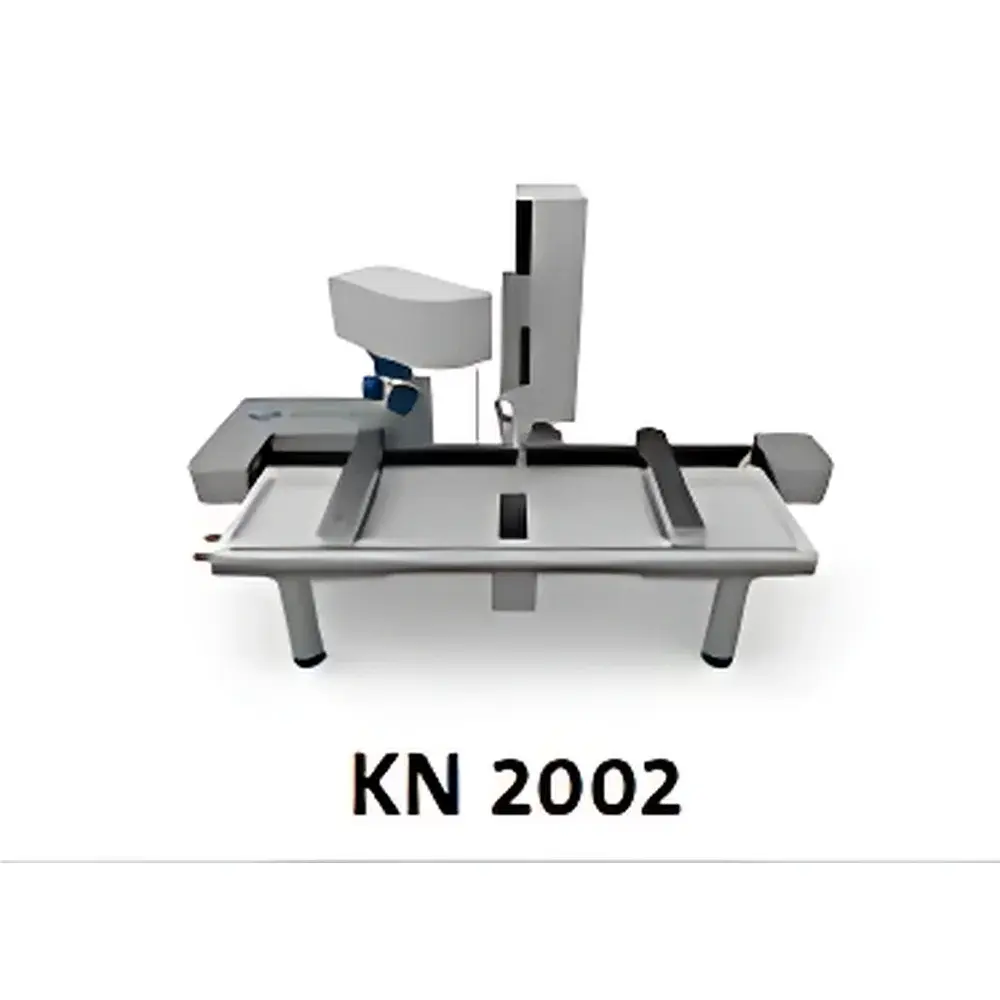
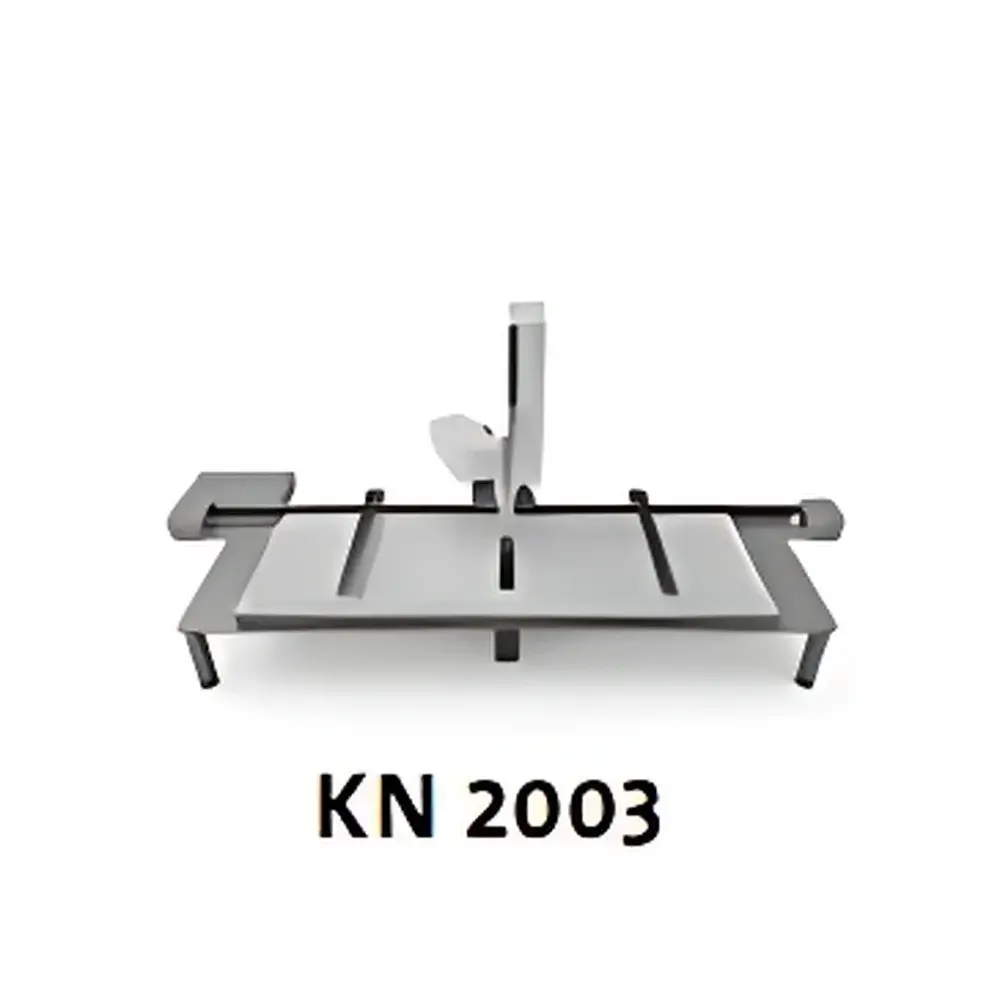
KSV NIMA Langmuir-Blodgett Deposition Trough
| Brand | KSV NIMA |
|---|---|
| Origin | Finland |
| Manufacturer Type | Original Equipment Manufacturer (OEM) |
| Product Category | Imported Instrument |
| Model | Langmuir-Blodgett Deposition Trough |
| Price Range | USD 2,700 – 6,800 (FOB Helsinki) |
Overview
The KSV NIMA Langmuir-Blodgett Deposition Trough is a precision-engineered surface science instrument designed for the controlled formation, thermodynamic characterization, and vertical or horizontal transfer of insoluble monolayers at air–water or oil–water interfaces. Based on the classical Langmuir trough principle—where surface pressure (π) is measured as a function of molecular area (A) via a Wilhelmy plate or similar force transducer—the system enables quantitative study of interfacial phase behavior, compressibility, collapse pressure, and equation-of-state relationships. When integrated with a deposition head and dipping well, it extends functionality to Langmuir-Blodgett (LB) and Langmuir-Schaefer (LS) film transfer, permitting layer-by-layer assembly of nanoscale architectures with sub-nanometer thickness control and preserved molecular orientation. The instrument operates under strict mechanical and thermal stability conditions: aluminum baseplate temperature regulation (via external recirculating bath), ultra-low-drift platinum-based surface pressure sensing (<0.01 mN/m resolution), and vibration-isolated frame architecture—ensuring reproducibility across repeated compression–deposition cycles required for multilayer fabrication in nanomaterials, biosensor development, and functional thin-film engineering.
Key Features
- Modular, frame-based design accommodating interchangeable trough bodies: mini (35 cm²), medium (140 cm²), large (320 cm²), and alternating dual-compartment configurations for heterolayer deposition.
- High-precision symmetrical barrier system constructed from hydrophilic Delrin® (acetal resin); optional hydrophobic PTFE barriers available for low-surface-energy monolayers.
- Integrated LB deposition head with programmable immersion speed (0.1–10 mm/min), stroke length, and dwell time; compatible with both hydrophilic and hydrophobic substrates.
- Leak-proof monolithic PTFE trough body—chemically inert, non-porous, and free of adhesives or gaskets that could contaminate subphase or interfere with interfacial measurements.
- Thin-profile structural frame optimized for optical compatibility: seamless integration with Brewster Angle Microscopy (BAM), Polarization-Modulated IRRAS (PM-IRRAS), fluorescence microscopy, and synchrotron X-ray reflectivity setups.
- Real-time monitoring of surface pressure, barrier position/speed, subphase temperature (±0.1 °C), pH (optional electrode), and surface potential (optional SPOT module) during all operational modes.
Sample Compatibility & Compliance
The KSV NIMA LB Trough supports a broad spectrum of amphiphilic and semi-amphiphilic materials—including phospholipids (e.g., DPPC), fatty acids, block copolymers, peptides, proteins, graphene oxide dispersions, carbon nanotubes, and conjugated polymers—provided they form stable, non-diffusing monolayers at the interface. Subphase composition is fully customizable (aqueous buffers, salt solutions, polymer solutions, ionic liquids), with compatibility verified per ISO 1409:2016 (plastics—determination of surface tension of polymer melts) and ASTM D971 (standard test method for interfacial tension of oil against water by the ring method). All hardware components comply with EU RoHS Directive 2011/65/EU and CE marking requirements for laboratory instrumentation. Data acquisition and experimental metadata logging adhere to GLP-compliant traceability standards; optional audit trail and electronic signature modules support FDA 21 CFR Part 11 validation pathways when paired with validated software configurations.
Software & Data Management
KSV NIMA LB Software v5.x provides a unified, scriptable environment for experiment definition, real-time control, and post-acquisition analysis. Preconfigured protocols include π–A isotherms, π–t kinetics, relaxation studies, LS/LB transfer ratio quantification, and shear rheology (when interfaced with KSV NIMA ISR). The software records timestamped parameters—including barrier displacement, surface pressure, temperature, pH, surface potential, immersion depth, cycle count, and cumulative transferred mass—with up to 100 Hz sampling resolution. Raw data exports to CSV, ASCII, and HDF5 formats; built-in curve fitting supports van der Waals, Frumkin, and two-dimensional virial models. Multi-experiment overlay, differential analysis (dπ/dA), and automated collapse point detection are standard. All configuration files, calibration logs, and user annotations are stored in encrypted project archives compliant with ISO/IEC 27001 information security frameworks.
Applications
- Biomimetic membrane modeling: formation of lipid bilayer precursors, protein–lipid interaction mapping, and drug–membrane insertion thermodynamics.
- Nanomaterial templating: controlled deposition of graphene, MoS₂, and metal–organic framework (MOF) monolayers for optoelectronic devices.
- Functional coatings: fabrication of anti-reflective, corrosion-inhibiting, or stimuli-responsive multilayers for aerospace and biomedical implants.
- Interfacial catalysis: immobilization of enzymes or metalloporphyrins on solid supports while preserving conformational integrity and turnover efficiency.
- Colloidal stabilization mechanisms: quantifying surfactant packing density, interfacial elasticity (via ISR coupling), and emulsion/froth lifetime prediction.
- Advanced characterization workflows: direct coupling to QCM-D, SPR, PM-IRRAS, BAM, AFM, and XRR for correlative structure–function analysis of transferred films.
FAQ
What subphase temperature control options are available?
The trough baseplate connects to an external recirculating chiller/heater (not included); typical operating range is 5–45 °C with ±0.1 °C stability over 24 h.
Can the system perform Langmuir-Schaefer (LS) deposition without modification?
Yes—LS mode requires only removal of the dipping well and mounting of the horizontal deposition accessory; no firmware or hardware changes are needed.
Is calibration traceable to national standards?
Surface pressure calibration uses certified stainless-steel weights and NIST-traceable force standards; temperature sensors are calibrated per ISO/IEC 17025 accredited procedures.
How is multilayer uniformity verified post-transfer?
Transfer ratio (TR) is monitored in real time; deviation >±5% triggers automatic pause. Uniformity is confirmed ex situ via ellipsometry, UV-Vis absorbance step height, or AFM cross-sectional profiling.
Does the system support automated multi-cycle deposition?
Yes—fully programmable “up-down” or “down-up” sequences with variable speed, dwell, and pressure setpoints; up to 999 layers per run.



