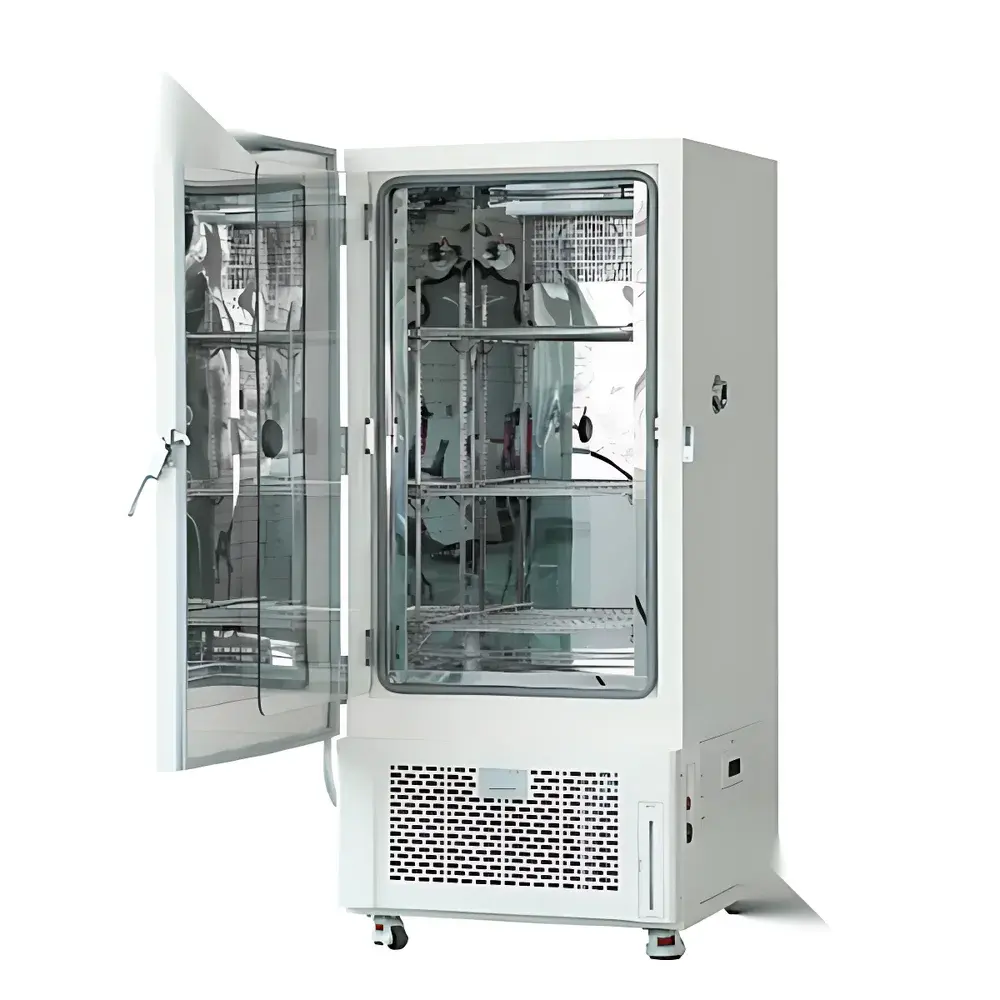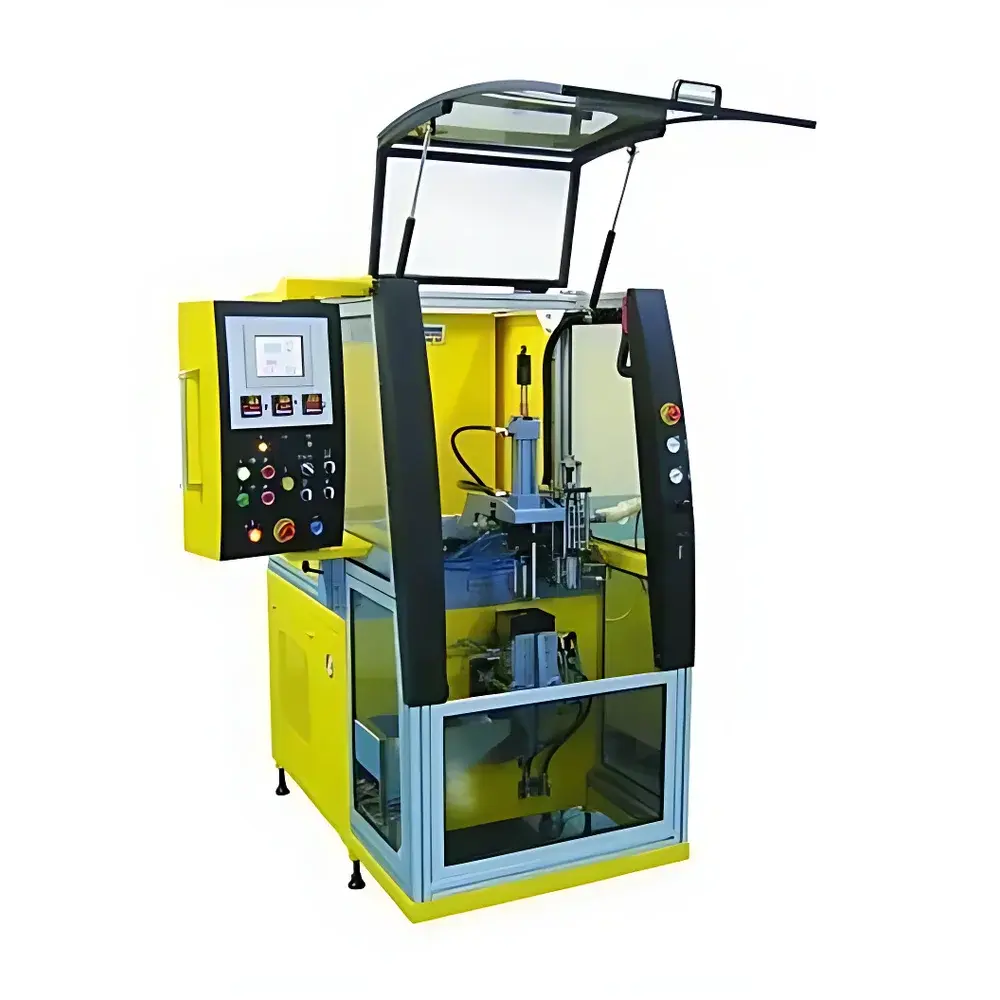
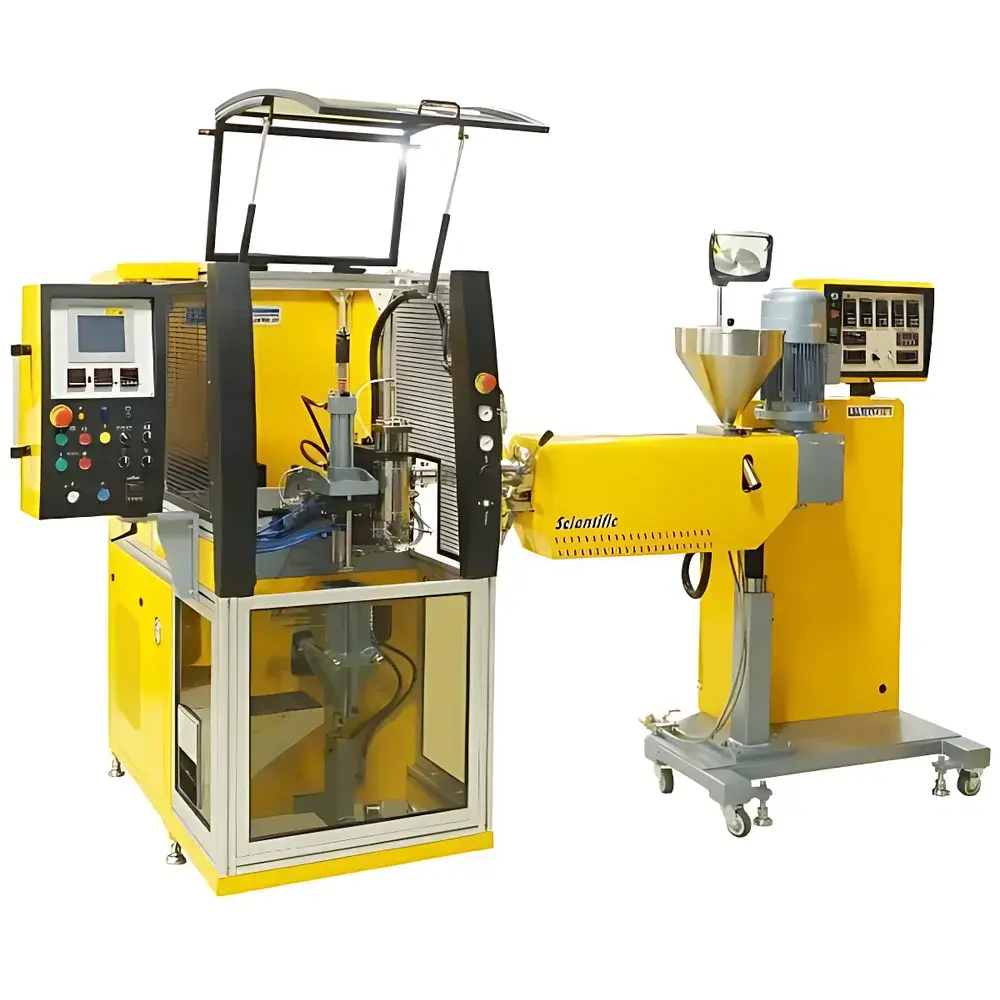
Labtech LBM-125/250 Single- and Multi-Layer Laboratory Blow Molding Machine
| Brand | Labtech Engineering |
|---|---|
| Origin | Imported (Non-China) |
| Model | LBM-125/250 |
| Drive System | Full Hydraulic |
| Control Interface | LCD Touchscreen (Auto/Manual Mode) |
| Safety Features | Interlocked Acrylic Viewing Door, Multi-Stage Alarm System |
| Compatible Resins | LDPE, HDPE, PP, PC, PS, PET |
| Optional Integration | Labtech Single-Screw Extruder (Φ20/25/30/45 mm) |
| Application Scope | Color Masterbatch Development, Rapid Formulation Screening, Pre-Production Bottle Prototyping |
Overview
The Labtech LBM-125/250 is a precision-engineered laboratory-scale blow molding system designed for controlled, repeatable production of single- and multi-layer plastic bottles under simulated industrial conditions. Operating on the principle of extrusion–parison–inflation, the machine integrates a thermally stabilized parison extrusion stage with programmable mold clamping, air pressure sequencing, and cooling cycle management. Unlike production-line equipment, the LBM-125/250 prioritizes experimental flexibility and process transparency—enabling researchers to isolate variables such as melt temperature, parison sag, blow pressure ramp rate, and mold cooling time. Its architecture supports both monolayer and coextruded multilayer configurations, making it suitable for evaluating barrier layer performance (e.g., EVOH or PA in HDPE/PET structures), color dispersion homogeneity, and interlayer adhesion during rapid formulation development.
Key Features
- Full hydraulic actuation ensures consistent clamp force (up to 125 kN / 250 kN depending on model variant) and precise parison extrusion control—critical for minimizing wall thickness variation across bottle geometries.
- Integrated LCD touchscreen HMI enables intuitive configuration of up to 99 independent process recipes, including segmented heating profiles (3-zone barrel + die), timed blow cycles (0.1–30 s resolution), and sequential mold opening/closing sequences.
- Transparent acrylic safety enclosure with interlocked access doors permits real-time visual monitoring of parison formation, mold closing dynamics, and inflation behavior—essential for root-cause analysis of defects such as flash, pinch-off inconsistency, or uneven wall distribution.
- Modular extruder compatibility allows direct coupling with Labtech single-screw extruders (Φ20 mm to Φ45 mm), supporting melt throughput from 0.5 kg/h to 12 kg/h—enabling correlation studies between extrusion rheology and final bottle mechanical properties.
- Comprehensive alarm architecture includes overtemperature detection (±1 °C tolerance), hydraulic pressure deviation alerts (>±5% setpoint), door interlock failure warnings, and emergency stop cascade logging—all recorded with timestamped event flags in internal memory.
Sample Compatibility & Compliance
The LBM-125/250 accommodates standard thermoplastic resins used in packaging applications, including but not limited to LDPE, HDPE, PP, PS, PC, and PET. It supports both virgin and compounded feedstocks—particularly relevant for masterbatch validation, additive migration testing, and recyclate compatibility assessment. The system conforms to IEC 60204-1 (electrical safety), ISO 13857 (safety distances), and EN 614-1 (risk assessment methodology). While not certified for GMP manufacturing, its operational traceability—including recipe versioning, parameter audit logs, and manual intervention timestamps—aligns with GLP documentation requirements for preclinical polymer formulation studies. All thermal zones meet ASTM D3835 specifications for extrusion temperature uniformity (<±2 °C across zone length).
Software & Data Management
Process data—including barrel temperatures, clamp pressure, blow air pressure, mold temperature, and cycle timing—is logged at 100 Hz and stored internally (8 GB non-volatile memory) or exported via USB 2.0 to CSV or XML formats. No proprietary software installation is required for basic operation; however, optional Labtech ProcessLink™ software (Windows-based) provides advanced visualization tools: real-time parison sag modeling overlays, comparative cycle deviation heatmaps, and statistical process control (SPC) charts for critical dimensions (e.g., base thickness, shoulder symmetry). Audit trail functionality complies with FDA 21 CFR Part 11 requirements when configured with user authentication and electronic signature modules.
Applications
- Rapid screening of pigment and additive dispersion in polyolefin and polyester matrices—quantifying color consistency via post-mold spectrophotometry.
- Evaluation of multilayer coextrusion feasibility for oxygen/moisture barrier packaging, including interfacial delamination testing per ASTM F88.
- Thermo-mechanical validation of recycled content blends (e.g., rPET/HDPE) under controlled shear and thermal history.
- Development of lightweight bottle designs through parametric variation of blow ratio, stretch ratio, and cooling duration—correlating with burst pressure (ASTM D2561) and top-load strength (ASTM D4577).
- Supporting technology transfer from lab to pilot scale by generating reproducible material-specific processing windows applicable to commercial ISBM and extrusion-blow systems.
FAQ
Can the LBM-125/250 produce bottles with neck finishes compatible with standard caps?
Yes—mold cavities accept industry-standard neck ring inserts (e.g., PCO-1881, SPS-28, or custom machined variants) and support torque-tension validation per ISO 11342.
Is vacuum assist available for parison handling?
Vacuum-assisted parison transfer is not standard but can be retrofitted via third-party pneumatic interface kits compatible with the machine’s 6-mm ISO NPT auxiliary ports.
What maintenance intervals are recommended for hydraulic components?
Hydraulic oil and filter replacement is advised every 2,000 operating hours or annually—whichever occurs first—using ISO VG 46 anti-wear hydraulic fluid meeting DIN 51524 Part 2 specifications.
Does Labtech provide mold design support?
Yes—Labtech offers CAD-based mold cavity engineering services, including flow simulation (using Autodesk Moldflow® inputs) and stress analysis for thermal cycling durability, subject to NDA and project scope agreement.