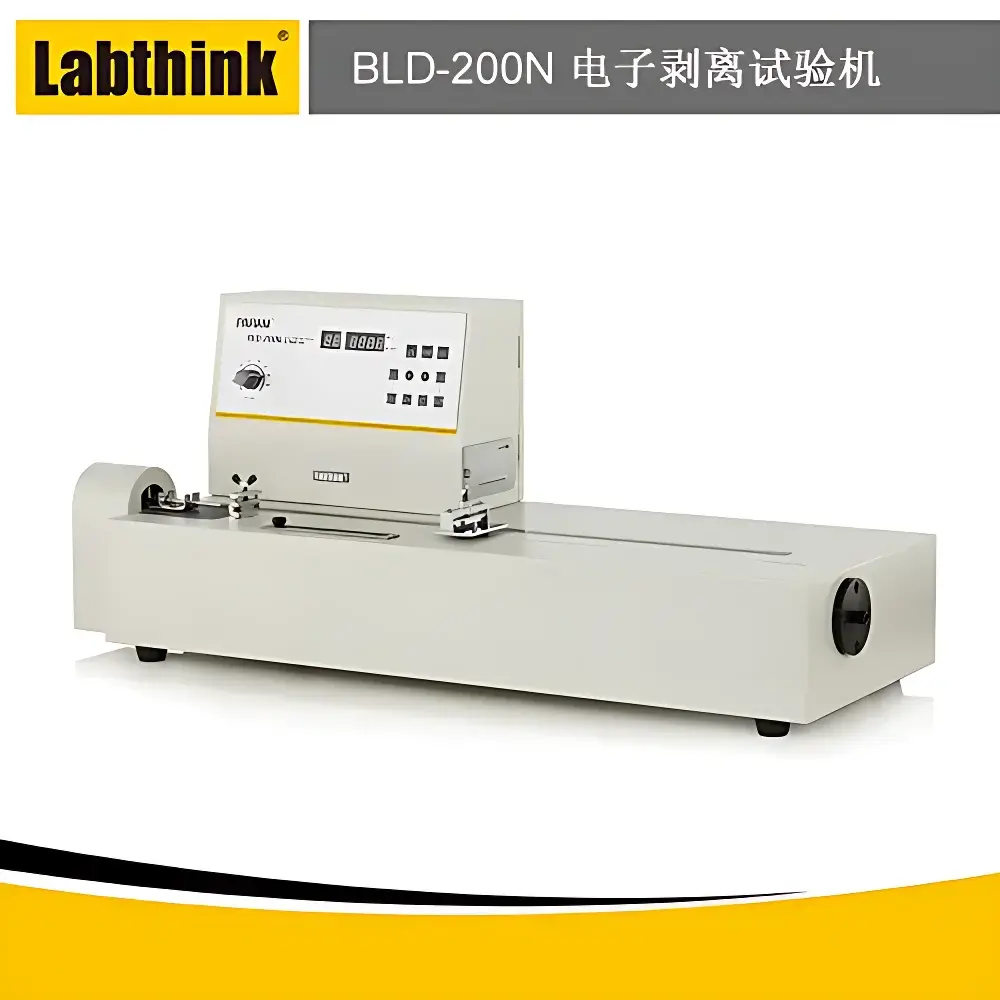
Labthink BLD-200N Electronic Peel & Tensile Tester
| Brand | Labthink |
|---|---|
| Origin | Shandong, China |
| Manufacturer Type | Direct Manufacturer |
| Country of Origin | China |
| Model | BLD-200N |
| Price | Upon Request |
| Load Capacity | 200 N (Standard) |
| Optional | 10 N, 30 N, 50 N, 100 N, 500 N |
| Accuracy Class | Class 1 |
| Resolution | 0.01 N |
| Test Speeds | 50, 100, 150, 200, 250, 300, 500 mm/min |
| Specimen Width | ≤30 mm |
| Stroke | 500 mm |
| Power Supply | 220 VAC 50 Hz / 120 VAC 60 Hz |
| Dimensions (L×W×H) | 1000 × 370 × 400 mm |
| Net Weight | 27 kg |
| Standard Configuration | Main Unit, Micro Printer |
| Optional Accessories | Additional Load Cells, Lystem™ Software, RS232 Cable, Test Plates, Standard Roller, Sample Cutter, Custom Fixtures |
Overview
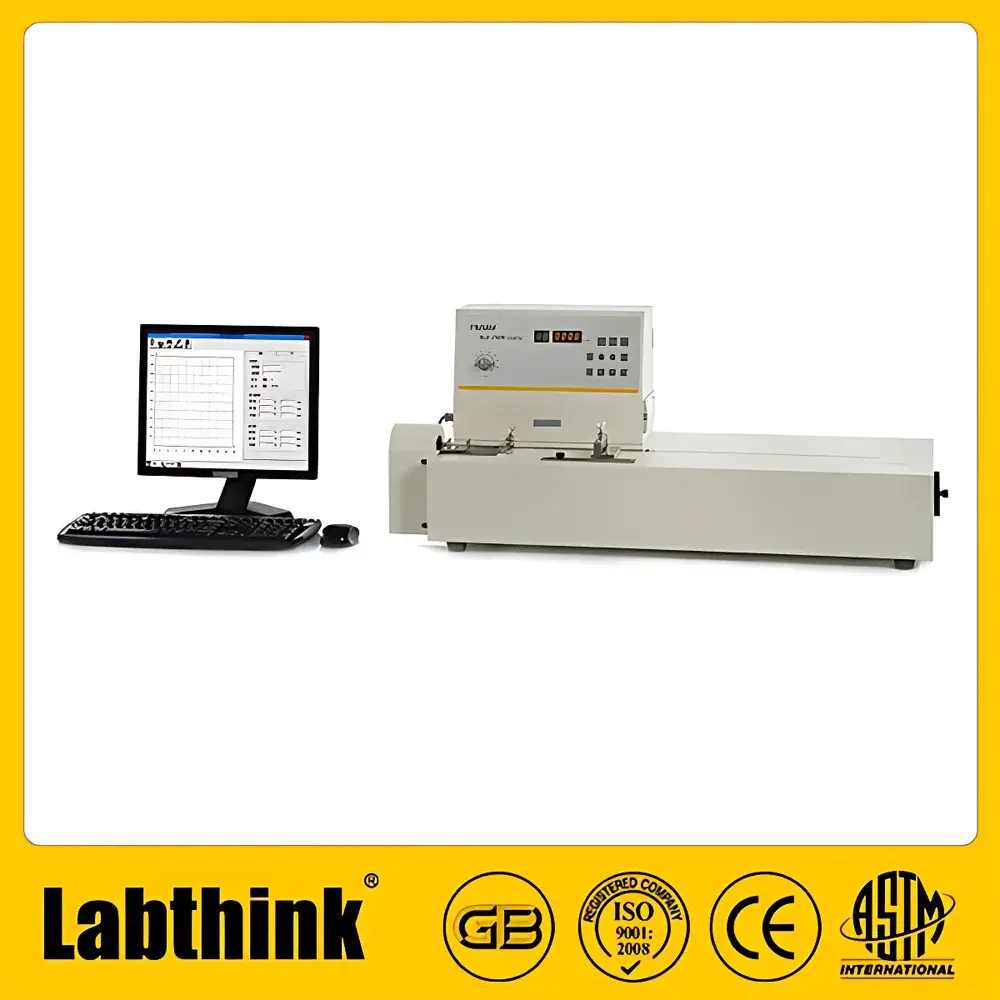
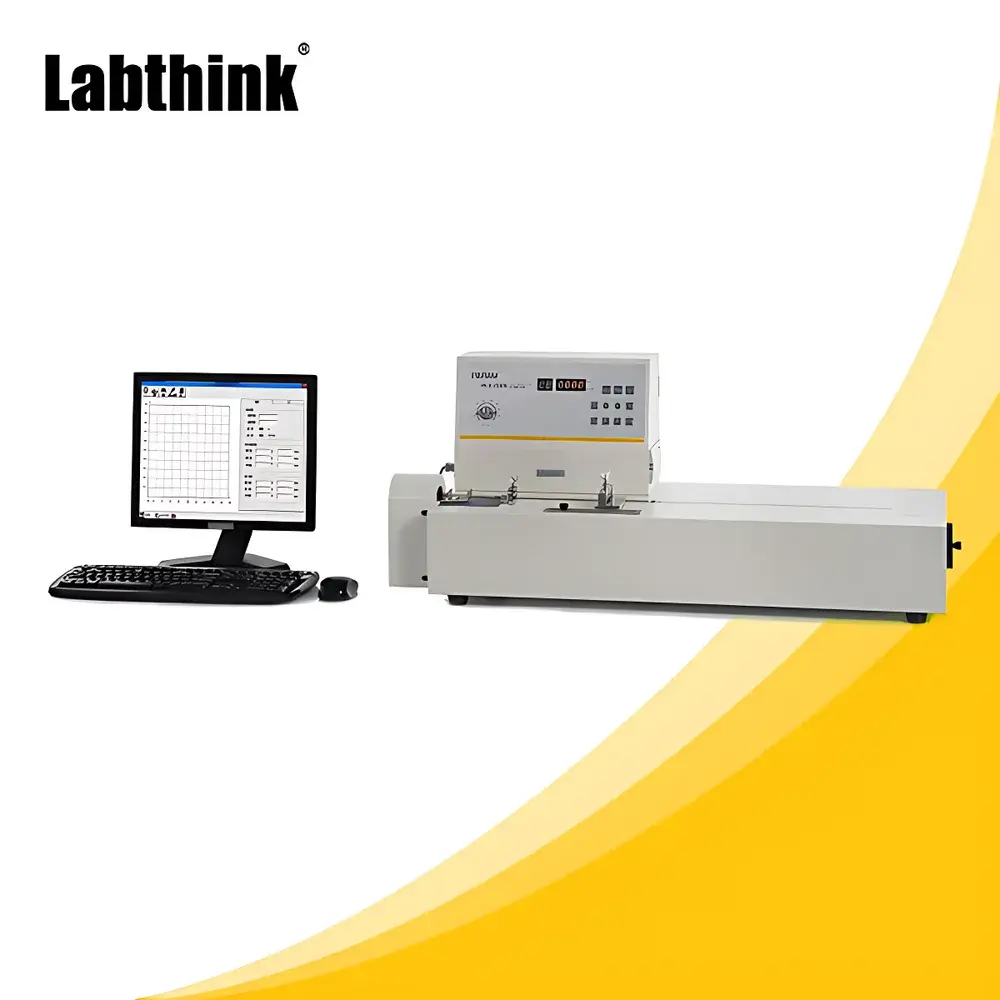
The Labthink BLD-200N Electronic Peel & Tensile Tester is a microprocessor-controlled universal testing instrument engineered for precise quantification of peel adhesion, tensile strength, and elongation properties in flexible packaging materials and pressure-sensitive adhesive (PSA) systems. It operates on the principle of controlled-force displacement measurement, applying calibrated mechanical load to standardized specimens while recording real-time force-displacement profiles. Designed specifically for packaging R&D labs, QC departments, and regulatory compliance units, the BLD-200N supports both 90° and 180° peel configurations per ISO 8510-2 and ASTM D903, as well as uniaxial tensile testing per ISO 527-3 and ASTM D882. Its modular architecture enables traceable, repeatable evaluation of interfacial bonding integrity—critical for validating release liner performance, protective film anchorage, and medical tape adhesion consistency across production batches.
Key Features
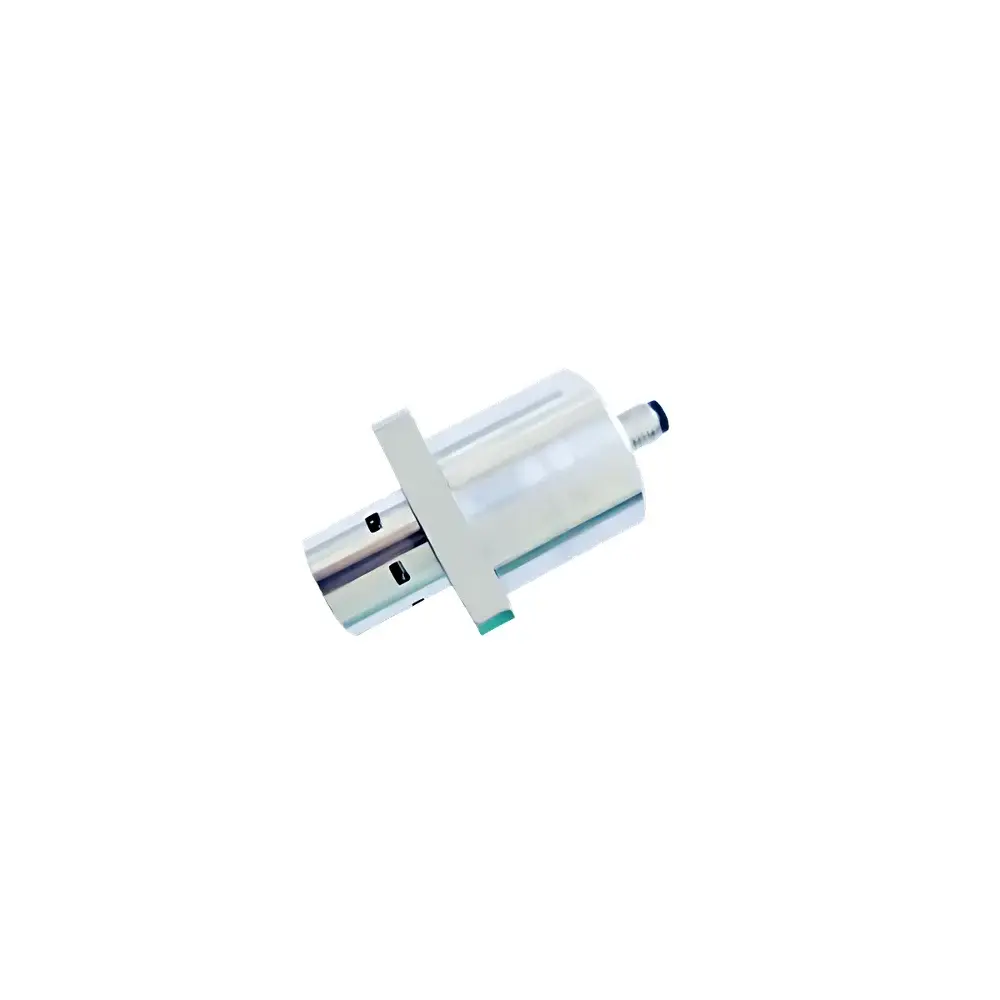
- Microcomputer-based control system with LED digital display and intuitive PVC membrane keypad for real-time monitoring and manual operation
- Dual-mode capability: dedicated peel testing (90°/180°) and tensile testing (pull-to-break), configurable via software or front-panel selection
- Seven programmable test speeds (50–500 mm/min), compliant with GB/T 2792, GB/T 2790, and ASTM D3330 protocols for variable-rate adhesion assessment
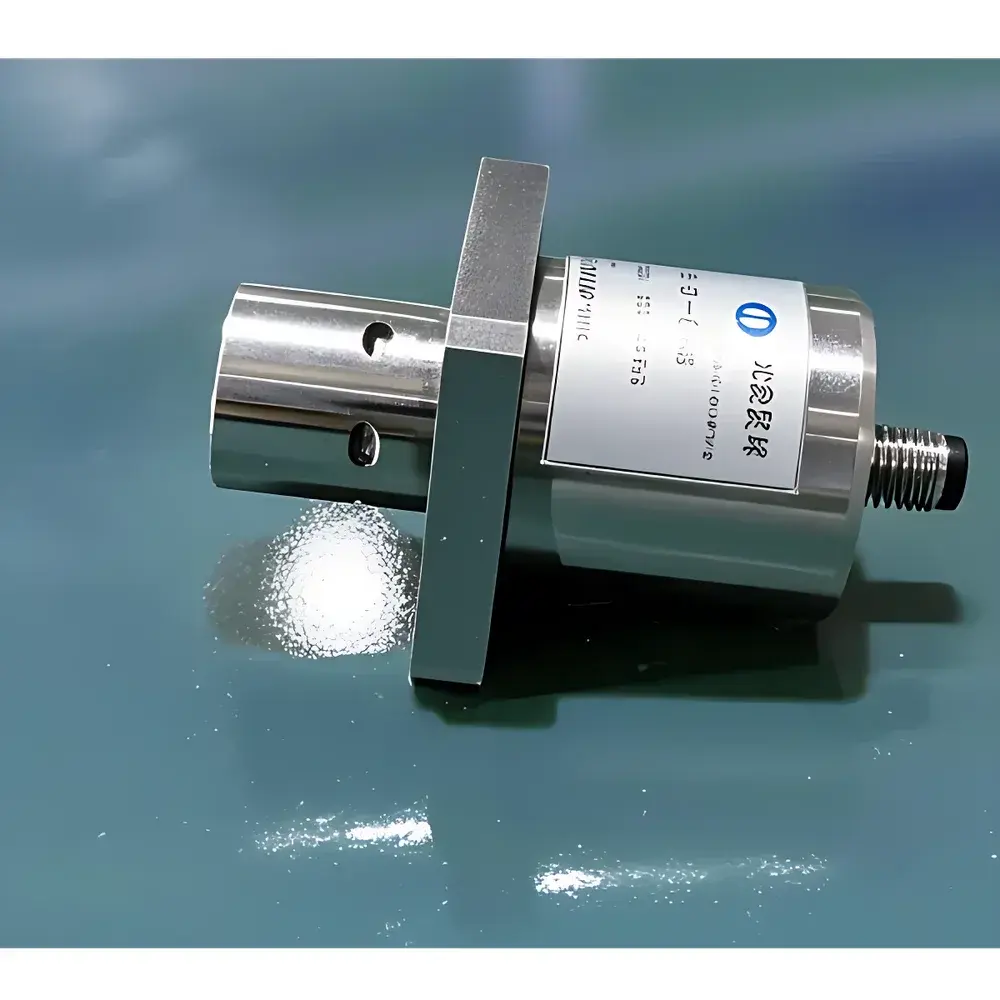
- Class 1 accuracy load cell (standard 200 N; optional ranges from 10 N to 500 N) with 0.01 N resolution ensures high reproducibility across low-force PSA and high-strength laminated film applications
- Integrated safety architecture including mechanical limit switches, overload protection, automatic zero-reset, and fault diagnostics with on-screen error codes
- Precision engraved scale ruler (0.1 mm resolution) for direct visual measurement of specimen elongation during tensile tests
- Onboard micro printer and RS232 serial interface for immediate hardcopy output and bidirectional data exchange with external PCs or LIMS
Sample Compatibility & Compliance
The BLD-200N accommodates specimens up to 30 mm wide and 500 mm stroke length, supporting standard test strips cut from films, foils, papers, nonwovens, and coated substrates—including silicone-coated release liners, acrylic-based protective films, PET/PE laminates, and medical-grade polyurethane tapes. It conforms to multiple national and international standards: GB/T 4850-2002 (peel strength of pressure-sensitive tapes), GB/T 2792-2014 (180° peel adhesion), GB/T 2790-1995 (adhesive bond strength), GB/T 1040.3-2006 (tensile properties of plastics), ASTM D903 (peel resistance), ASTM D3330 (PSA peel adhesion), and ISO 29862 (adhesive tape testing). All test methods are implemented without modification to sample geometry or fixture design, ensuring audit-ready alignment with GLP and GMP documentation requirements.
Software & Data Management
The instrument integrates seamlessly with Labthink’s Lystem™ Laboratory Data Sharing System—a secure, role-based platform for centralized test method storage, result archiving, and report generation. Lystem™ supports 21 CFR Part 11-compliant electronic signatures, audit trails, user access controls, and automated PDF report export with embedded metadata (operator ID, timestamp, calibration status, environmental conditions). Raw force-time and force-displacement curves are exportable in CSV format for third-party statistical analysis (e.g., Minitab, JMP). Each test session automatically computes and logs maximum force, minimum force, arithmetic mean, standard deviation, and coefficient of variation—enabling SPC charting and trend analysis across material lots or supplier qualifications.
Applications
- Core Testing: 180° and 90° peel adhesion of release liners (e.g., siliconized kraft paper), protective films (PET, PP, PC), and transfer tapes
- Tensile characterization: ultimate tensile strength, yield point, and elongation at break for thin-gauge packaging films and laminates
- Functional performance: low-speed unwind force of coated rolls, cap removal torque simulation (via custom fixtures), shear adhesion failure temperature (SAFT) pre-conditioning support
- Regulatory validation: USP / extractables compatibility screening (when paired with inert fixtures), FDA-compliant adhesive migration risk assessment
- Process troubleshooting: correlation of coating weight variation with peel force dispersion; detection of edge delamination in multilayer structures
FAQ
What peel angles does the BLD-200N support?
The instrument is configured for both 90° and 180° peel tests using standardized test plates and adjustable specimen clamping fixtures—fully compliant with ISO 8510-2 and GB/T 2792.
Can it perform shear adhesion testing?
Yes, with optional shear test plates and vertical mounting adapters, the BLD-200N executes static shear tests per ASTM D3654 and GB/T 4851, measuring time-to-failure under constant load.
Is calibration traceable to national standards?
All load cells are factory-calibrated against NIST-traceable reference standards, with optional annual recalibration services available through Labthink’s CNAS-accredited metrology lab.
Does the system meet FDA 21 CFR Part 11 requirements?
When operated with Lystem™ v3.0 or higher and configured with audit trail logging, electronic signatures, and user privilege management, the full workflow satisfies Part 11 technical and procedural criteria.
What is the minimum measurable peel force?
With the optional 10 N load cell (0.001 N resolution), the system reliably quantifies peel forces as low as 0.01 N—suitable for ultra-low-tack silicone release systems and biomedical hydrogel adhesives.
Related Products