
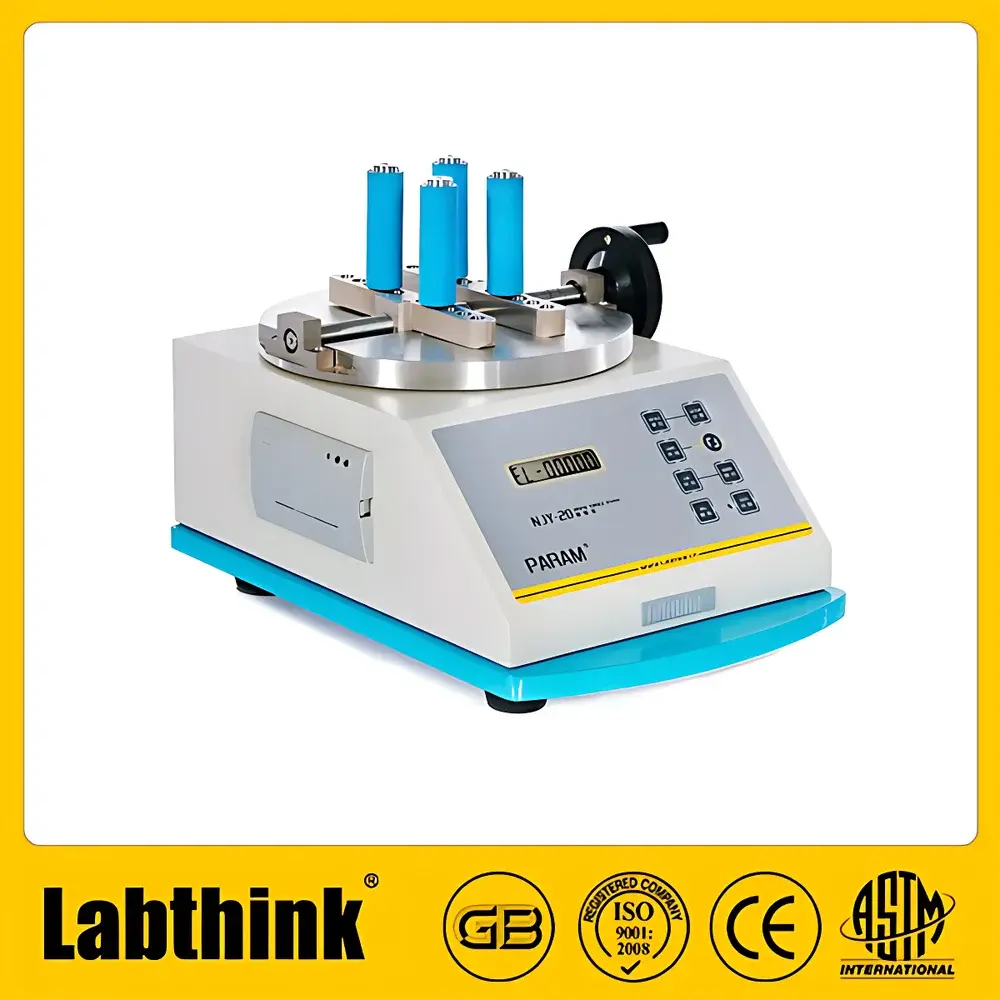
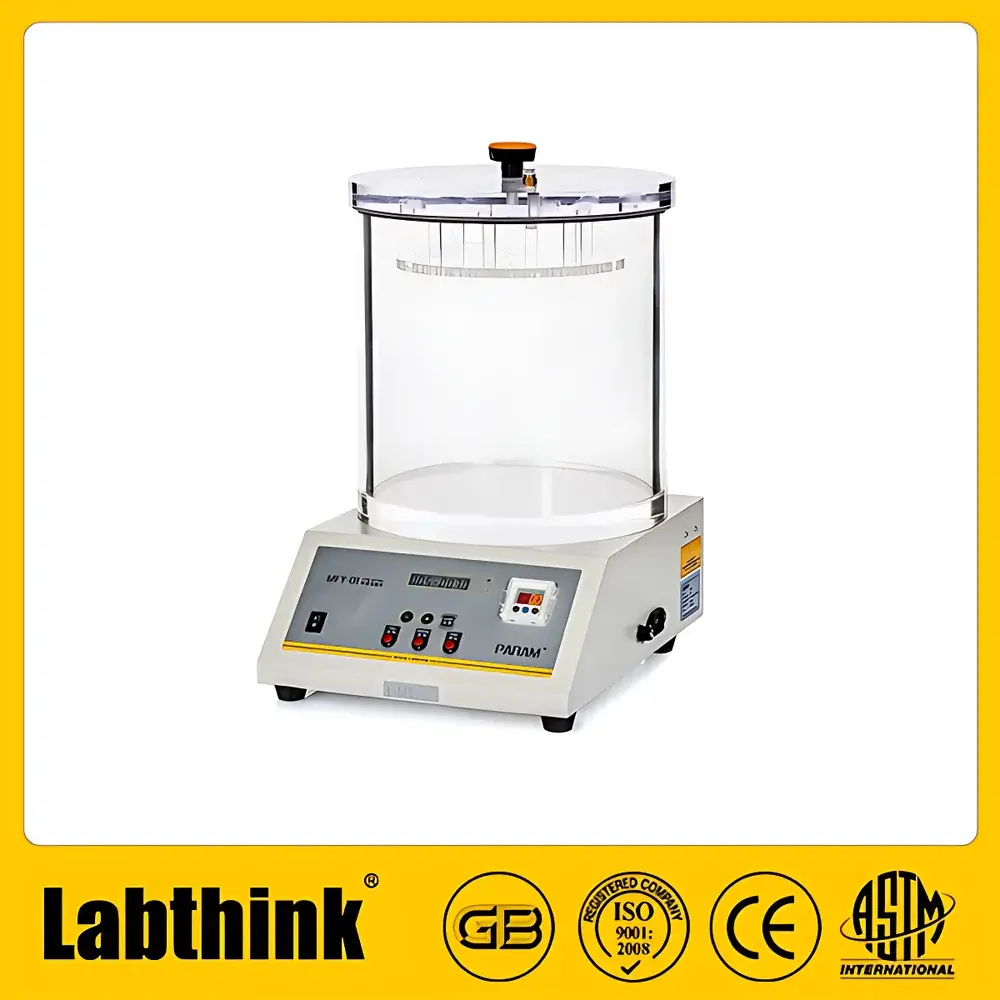
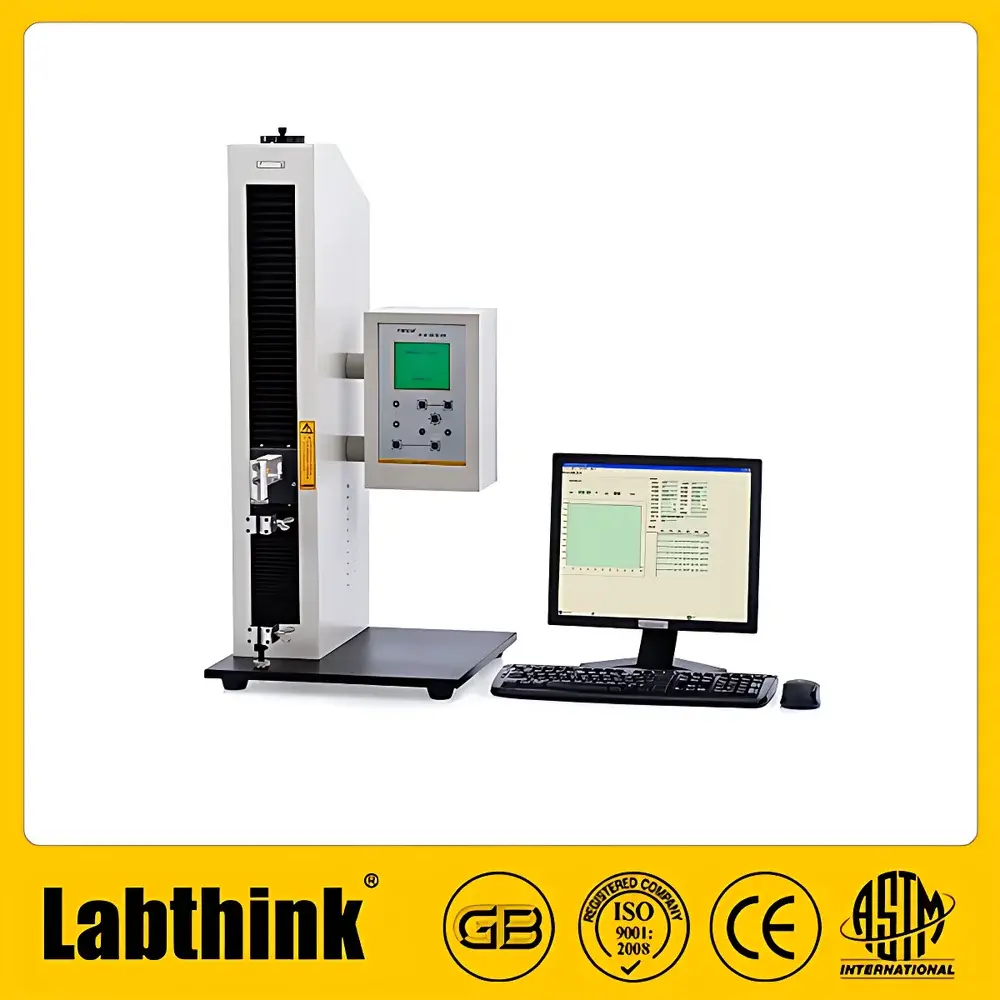
Labthink C600 Series Comprehensive Packaging Integrity Testing System for Personal Care & Household Products
| Brand | Labthink |
|---|---|
| Origin | Shandong, China |
| Manufacturer Type | OEM/ODM Producer |
| Country of Origin | China |
| Model | C600 Series |
| Pricing | Available Upon Request |
Overview
The Labthink C600 Series Comprehensive Packaging Integrity Testing System is an integrated platform engineered for precision physical and barrier property evaluation of flexible plastic packaging used in personal care, household products, cosmetics, and consumer health applications. Designed to meet the stringent quality assurance requirements of global brands and contract manufacturers, the system implements multiple standardized test principles—including gravimetric water vapor transmission (ASTM E96, GB/T 1037), coulometric oxygen transmission (ASTM F1307, ISO 15106-2), differential pressure gas permeation (ISO 15105-1), tensile and peel mechanics (ASTM D882, ASTM D903), thermal sealing performance (ASTM F2054), coefficient of friction (ASTM D1894), and mechanical durability (ASTM D1709, ASTM D3420). Its modular architecture enables concurrent or sequential execution of up to 29 distinct test protocols—each traceable to internationally recognized standards—within a single laboratory footprint. The system operates under a unified control environment compliant with GLP documentation practices and supports full audit trail generation per FDA 21 CFR Part 11 requirements when paired with Labthink’s certified software suite.
Key Features
- Modular multi-test platform supporting simultaneous operation of barrier, mechanical, thermal, and optical characterization modules
- Automated temperature- and humidity-controlled test chambers (range: 5–50 °C, RH 10–90%, ±0.5 °C / ±2% RH stability)
- High-resolution force measurement (0.01 N resolution, 1–500 N range) with dual-load-cell configuration for peel, tear, and seal strength testing
- Coulometric O₂ sensor with detection limit <0.01 cm³/m²·day and long-term baseline stability (<±1.5% drift over 30 days)
- Gravimetric WVTR chamber featuring precision microbalance (0.1 µg resolution) and active desiccant regeneration
- Thermal sealing station with programmable pressure (0.1–0.7 MPa), temperature (室温–300 °C), and dwell time (0.1–99.9 s) control
- Integrated data acquisition system with real-time curve visualization, statistical process control (SPC) charting, and customizable report templates
- Compliance-ready architecture: preconfigured test methods mapped to ASTM, ISO, GB, USP , and JIS Z 0237 standards
Sample Compatibility & Compliance
The C600 Series accommodates a broad spectrum of sample geometries and material classes common in personal care packaging: laminated pouches (e.g., PET/AL/PE), squeeze tubes (HDPE, LDPE, PP), blister lidding foils, shrink sleeves, pump actuator components, and cosmetic sachets. All test modules adhere to documented validation protocols aligned with ISO/IEC 17025:2017 and CNAS accreditation scope (Certificate No. CNAS L5729). Barrier tests comply with regulatory expectations for food contact materials (EC No. 10/2011), pharmaceutical primary packaging (USP , Ph. Eur. 3.2.1), and cosmetic packaging safety (ISO 22716 GMP). Mechanical test results satisfy ICH Q5C stability protocol requirements for container closure integrity assessment across accelerated and real-time storage conditions.
Software & Data Management
Labthink’s proprietary LabSight™ v4.2 software provides centralized instrument control, method library management, and electronic lab notebook (ELN) functionality. Each test run generates timestamped, user-authenticated metadata including environmental conditions, calibration status, operator ID, and raw sensor outputs. Audit trails are immutable and exportable in PDF/A-2 or CSV formats. The system supports role-based access control (RBAC), electronic signatures per 21 CFR Part 11 Annex 11, and integration with LIMS via HL7 or RESTful API. All calibration records, preventive maintenance logs, and IQ/OQ documentation are stored within the same database structure to facilitate internal audits and regulatory inspections.
Applications
- Accelerated shelf-life prediction through O₂ and H₂O permeability profiling of moisturizer pouches and shampoo sachets
- Validation of hot-fill cap seal integrity for liquid detergent bottles under thermal stress cycling
- Quantification of peel strength consistency in aluminum-laminated lipstick tubes across production batches
- Friction coefficient optimization for high-speed vertical form-fill-seal (VFFS) lines handling facial wipe packs
- Mechanical durability assessment of squeezable silicone-tipped travel containers subjected to drop and compression loads
- Migration testing support using C830 Total Migration Analyzer for compliance with EU Regulation 10/2011 and Chinese GB 9685
- Color consistency verification under D65/A standard illumination for printed cosmetic cartons per ISO 3664
FAQ
What standards does the C600 Series support for oxygen transmission rate (OTR) testing?
ASTM F1307 (for containers), ASTM D3985 (for flat films), ISO 15106-2 (coulometric method), and GB/T 19789.
Can the system perform both gravimetric and electrolytic water vapor transmission tests?
Yes—via interchangeable test heads: the C600-WVTR-G module uses weight gain/loss (GB/T 1037, ASTM E96), while the C600-WVTR-E implements ISO 15106-3 electrolytic detection.
Is third-party certification available for individual test modules?
Each core module carries CE marking and has been independently verified by SGS and TÜV Rheinland against EN 61326-1 (EMC) and EN 61010-1 (safety); CNAS-accredited validation reports are provided upon request.
How is data integrity maintained during long-duration barrier tests (e.g., 30-day WVTR)?
The system employs redundant power backup, non-volatile memory logging, automatic recalibration triggers, and real-time environmental deviation alerts—all recorded in the immutable audit trail.
Does Labthink provide method transfer support for regulatory submissions?
Yes—method qualification packages include repeatability/reproducibility studies, uncertainty budgets per ISO/IEC 17025, and comparative data against reference labs (e.g., NIST-traceable standards).




