
LAUDA Scientific LSA100SML Video-Based Optical Contact Angle Analyzer for Superwetting Surfaces
| Brand | LAUDA Scientific |
|---|---|
| Origin | Germany |
| Model | LSA100SML |
| Instrument Type | Benchtop Video Optical Contact Angle Analyzer |
| Contact Angle Measurement Range | 0–180° |
| Contact Angle Accuracy | ±0.1° |
| Contact Angle Resolution | 0.01° |
| Surface/Interfacial Tension Range | 0.01–2000 mN/m |
| Surface/Interfacial Tension Resolution | 0.01 mN/m |
| Capillary Meniscus Height Resolution | 10 µm |
| Volume Measurement Resolution | 0.1 µL |
| Imaging Magnification | 6.5× Zoom Optical Lens |
| Maximum Sample Dimensions | ∞ × 290 × 76 mm (L×W×H) |
| Sample Stage Size | 100 × 100 mm |
| Sample Stage Load Capacity | 12 kg |
| Capillary Positioning | Motorized X/Y/Z Precision Translation Stages |
| Image Capture Rate | Up to 150 fps @ 1920×1200 px |
| Lighting | Adjustable High-Uniformity LED Cold Light Source |
| Software | SurfaceMeter Professional Suite with ASTM/ISO-Compliant Data Logging & Audit Trail |
Overview
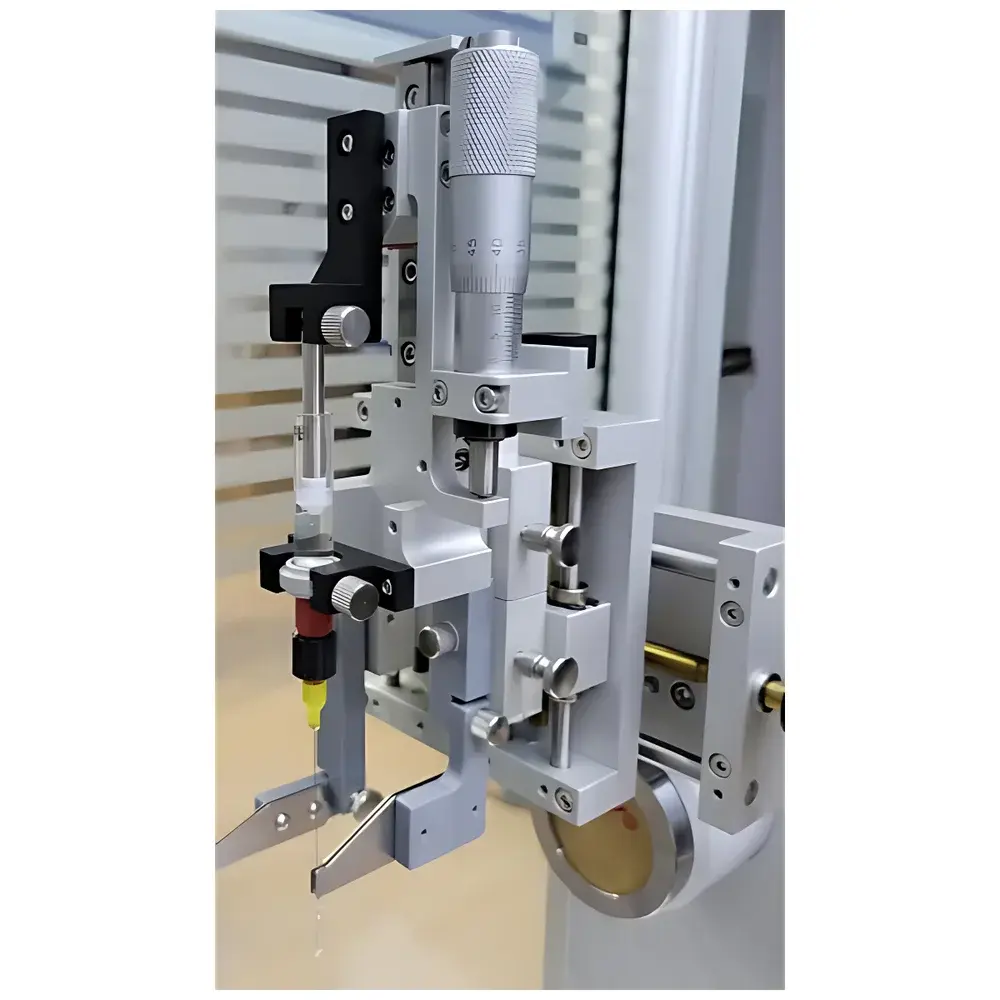
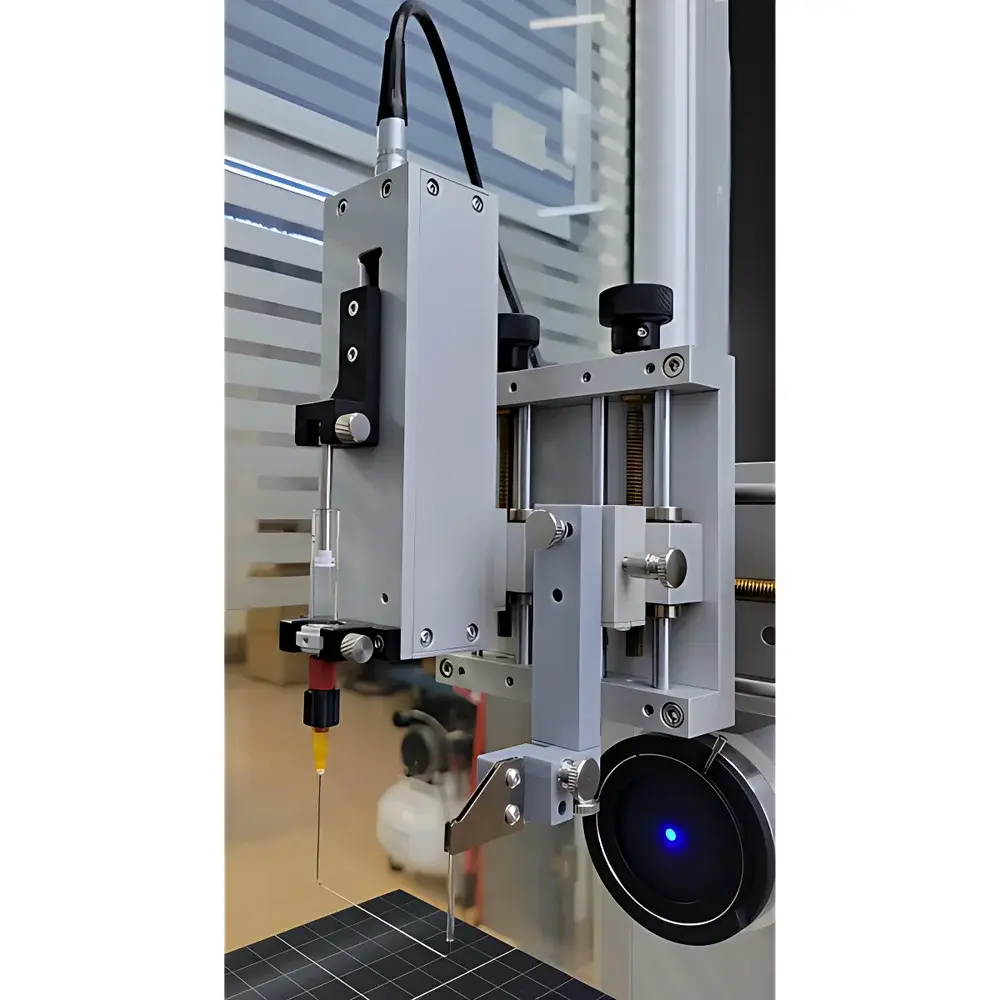
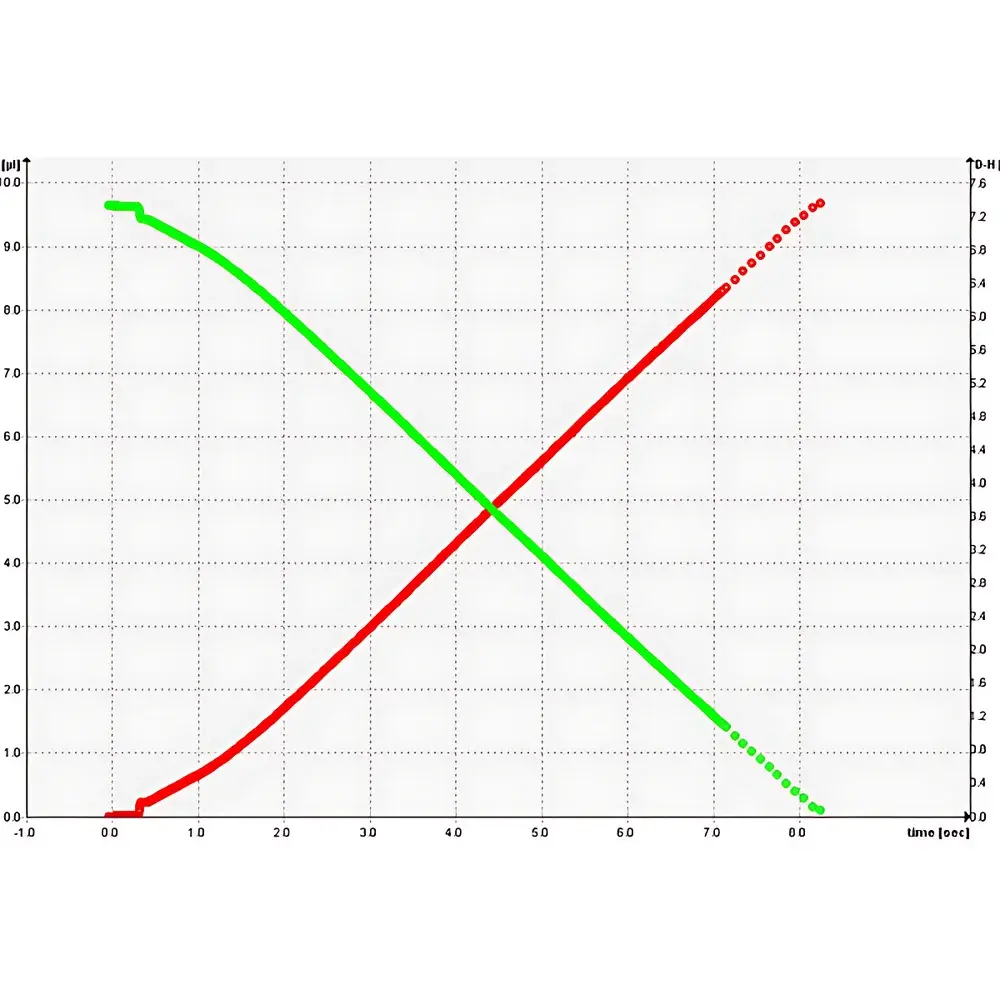
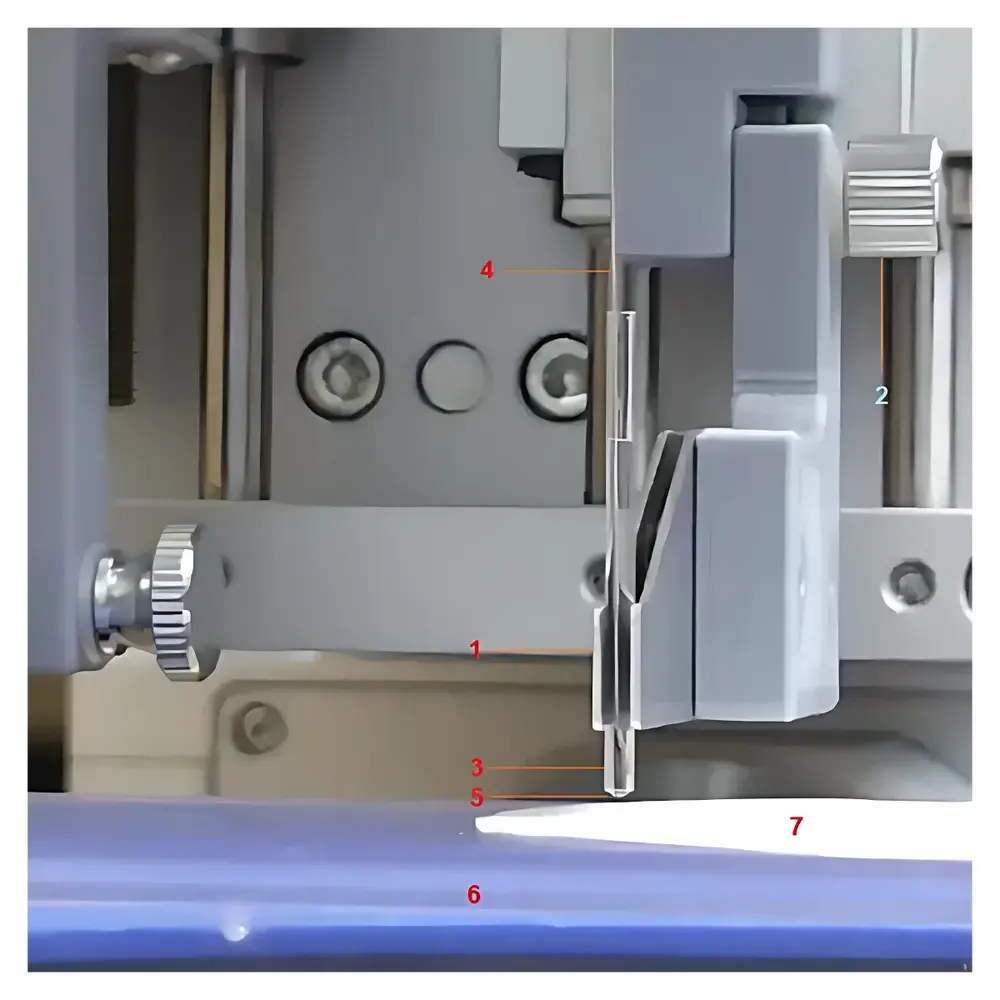
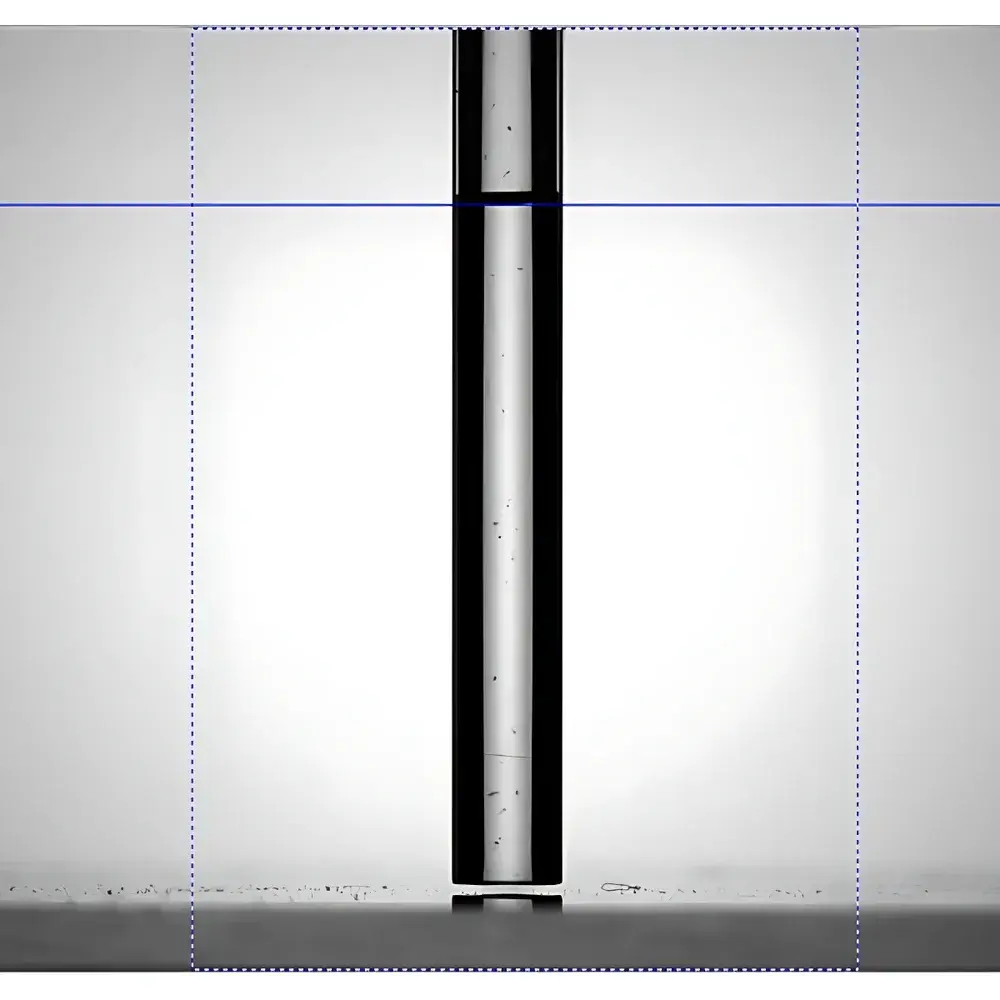
The LAUDA Scientific LSA100SML is a benchtop video-based optical contact angle analyzer engineered specifically for quantitative characterization of superwetting surfaces—materials exhibiting contact angles below 3°, where conventional sessile drop or pendant drop methods fail due to insufficient contrast, droplet asymmetry, baseline instability, and rapid spreading-induced surface deformation. Unlike standard optical tensiometers relying on static droplet contour fitting, the LSA100SML implements a rigorously validated capillary rise tracking methodology rooted in Washburn kinetics and Lucas–Washburn theory. It monitors real-time meniscus displacement within a vertically aligned capillary tube placed in direct contact with the sample surface, enabling precise volumetric absorption quantification independent of droplet geometry. This principle eliminates dependence on automated edge detection algorithms that degrade at ultra-low contact angles, thereby delivering metrologically traceable absorption volume (V), absorption rate (dV/dt), and diffusivity-derived wettability parameters—even for nanofibrous membranes, plasma-treated polymers, or hydrophilic metal oxides.
Key Features
- Capillary meniscus tracking with 10 µm spatial resolution and 1 ms temporal resolution, enabling high-fidelity kinetic profiling of spontaneous imbibition.
- Automated volumetric calculation of absorbed liquid (V) and V² vs. time, compliant with ASTM D5725 (Standard Test Method for Surface Wettability of Paper and Paperboard by the Ink Spread Test) and ISO 29462 (Surface free energy of solids by wetting).
- Motorized X/Y/Z precision translation stages for capillary alignment and sample positioning—reproducible to ±1 µm over full travel range (X/Y: ±85/±76 mm; Z: ±60 mm).
- 6.5× zoom optical system with 1920×1200 pixel CMOS sensor and 150 fps capture rate, supporting both side-view and optional top-view configurations.
- Integrated ADDU/ADUV automatic dispensing unit with non-contact and contact dispensing modes, programmable via SurfaceMeter software for repeatable liquid delivery (±0.1 µL accuracy).
- Benchtop modular architecture compliant with ISO/IEC 17025 laboratory infrastructure requirements; designed for integration into GLP/GMP-controlled environments with 21 CFR Part 11–ready audit trail functionality.
Sample Compatibility & Compliance
The LSA100SML accommodates heterogeneous samples up to 290 mm wide and 76 mm tall—including flexible films, porous textiles, powder compacts (via optional Washburn module), single fibers (with Drop-on-Filament and Liquid Bridge modules), and irregularly shaped industrial substrates. Its open-stage design supports in situ measurements under controlled humidity or inert gas environments (when coupled with optional environmental chamber). All measurement protocols align with internationally recognized standards: contact angle data processing follows ISO 19403-2 (Contact angle measurement—Part 2: Static contact angle), while surface energy calculations implement Owens–Wendt–Rabel–Kaelble (OWRK) and Wu harmonic mean methods per ISO 19403-4. The system’s calibration traceability is maintained through NIST-traceable reference liquids (e.g., water, diiodomethane, ethylene glycol) and certified glass capillaries.
Software & Data Management
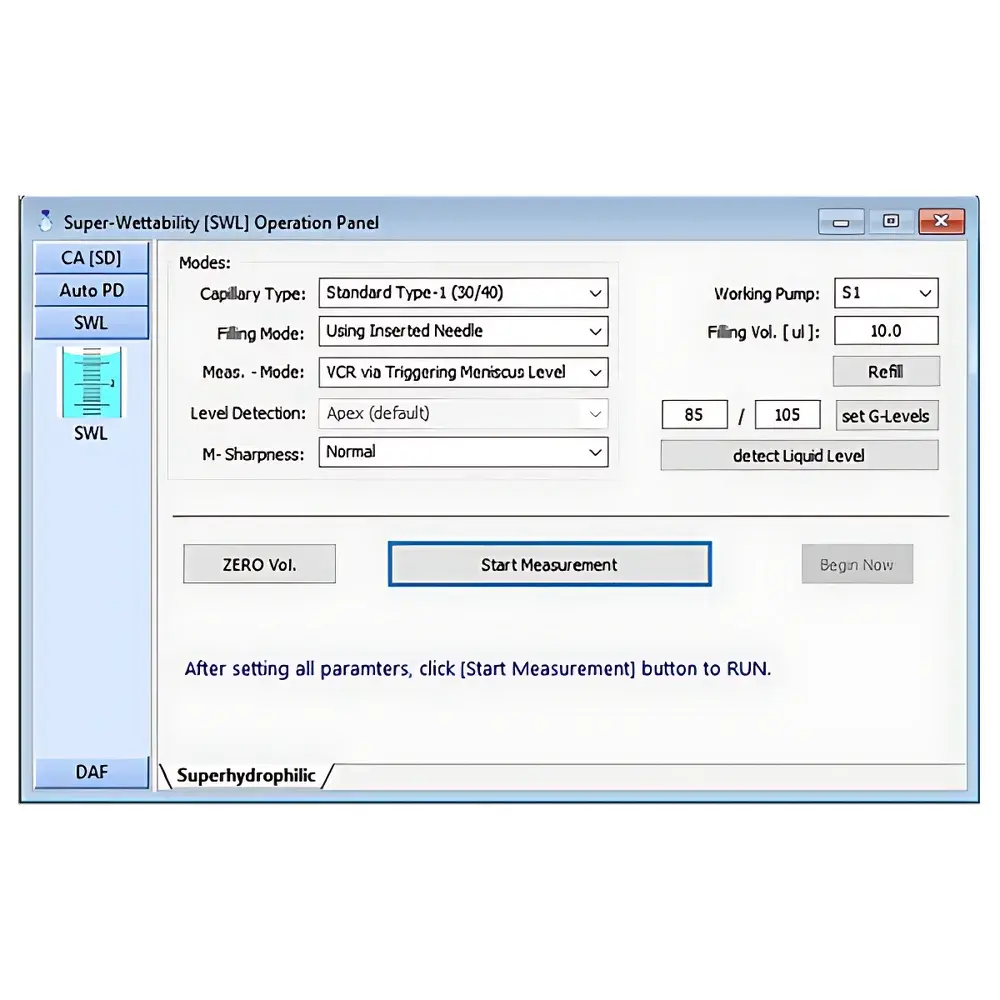
SurfaceMeter Professional software provides a template-driven workflow interface optimized for operator independence and inter-laboratory reproducibility. Predefined measurement templates enforce standardized acquisition parameters (exposure time, frame rate, ROI definition, baseline algorithm selection), reducing inter-user variability. Raw image sequences, time-stamped meniscus height vectors, and derived kinetic curves are stored in HDF5 format with embedded metadata (user ID, timestamp, instrument configuration, calibration status). Export options include CSV, MATLAB .mat, and PDF reports conforming to ISO/IEC 17025 documentation requirements. Audit trail logs record all user actions—including parameter modifications, data deletions, and report generations—with immutable timestamps and digital signatures, satisfying FDA 21 CFR Part 11 electronic record compliance when deployed with validated IT infrastructure.
Applications
- Quantitative evaluation of superhydrophilic coatings for anti-fogging optics, biomedical implants, and membrane distillation layers.
- Washburn analysis of porous media (ceramic filters, battery separators, catalyst supports) to extract effective pore radius and surface energy heterogeneity.
- Dynamic wettability screening of inkjet-printed functional inks on flexible substrates during roll-to-roll manufacturing.
- Surface energy mapping of plasma-modified polymer films used in packaging or adhesion promotion.
- CMC determination and interfacial rheology of surfactant solutions using oscillating drop and pendant drop modules (optional).
- Single-fiber wettability assessment for textile performance modeling and fiber–matrix adhesion prediction in composites.
FAQ
How does the capillary tracking method differ from conventional contact angle measurement?
It replaces droplet contour analysis with real-time meniscus displacement monitoring in a calibrated capillary, eliminating geometric assumptions required for Young–Laplace fitting—critical for sub-3° contact angles.
Can the LSA100SML measure surface energy of powders?
Yes—when equipped with the optional Washburn module, it performs dynamic penetration analysis using standardized reference liquids per ASTM D7490.
Is the system compatible with regulated pharmaceutical QC environments?
Yes—the SurfaceMeter software supports 21 CFR Part 11 compliance with role-based access control, electronic signatures, and full audit trail generation.
What is the maximum sample weight the stage can support?
The motorized XYZ stage supports loads up to 12 kg with sub-micron positional repeatability across its full 100 × 100 mm active area.
Does the system require external vibration isolation?
No—its rigid granite base and passive damping design meet ISO 25178-6 stability requirements for optical metrology without active isolation tables.



