
LAUDA Scientific LSA200 Video-Based Surface and Interfacial Tensiometer
| Brand | LAUDA Scientific |
|---|---|
| Origin | Germany |
| Model | LSA 200 |
| Measurement Range | 0.001–2000 mN/m |
| Resolution | 0.01 mN/m |
| Accuracy | ±0.1 mN/m |
| Temperature Control Range | −20 °C to 400 °C |
| Temperature Accuracy | ±0.1 °C |
| Measurement Method | Video-based Drop Shape Analysis (DSA) |
Overview
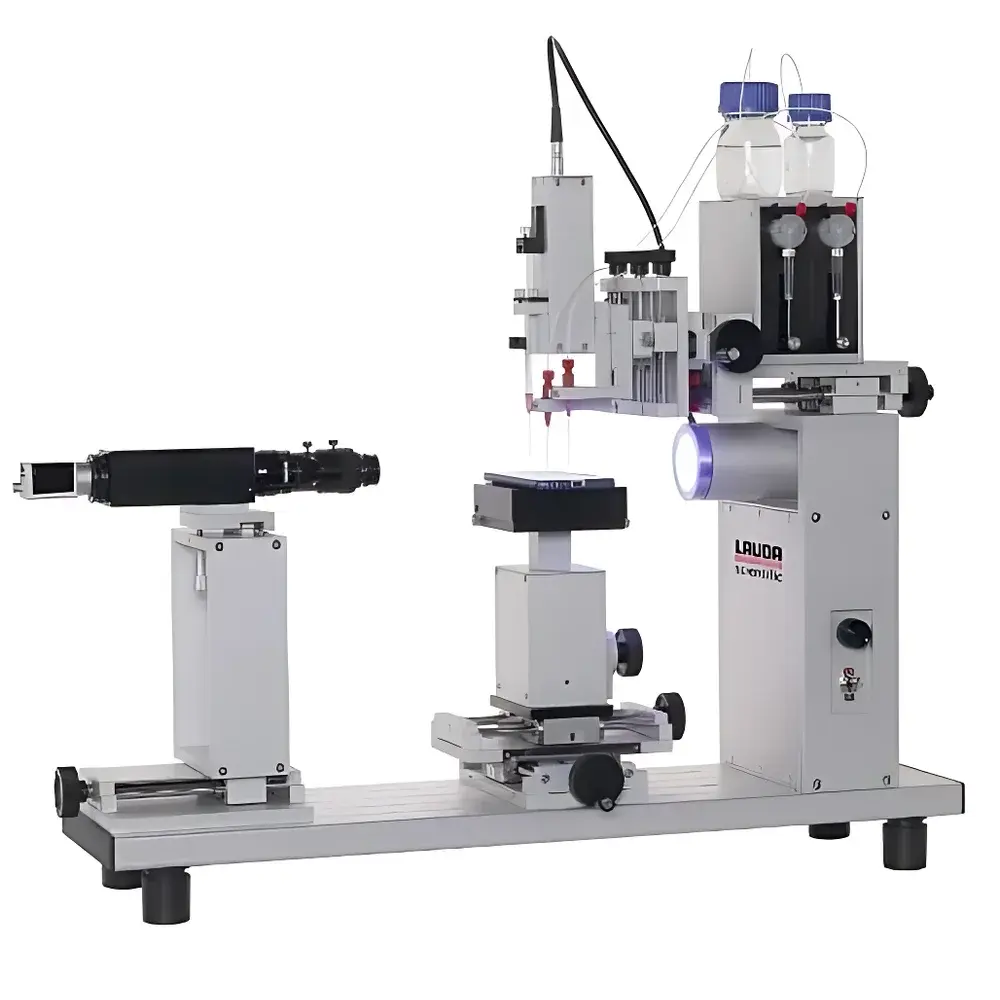
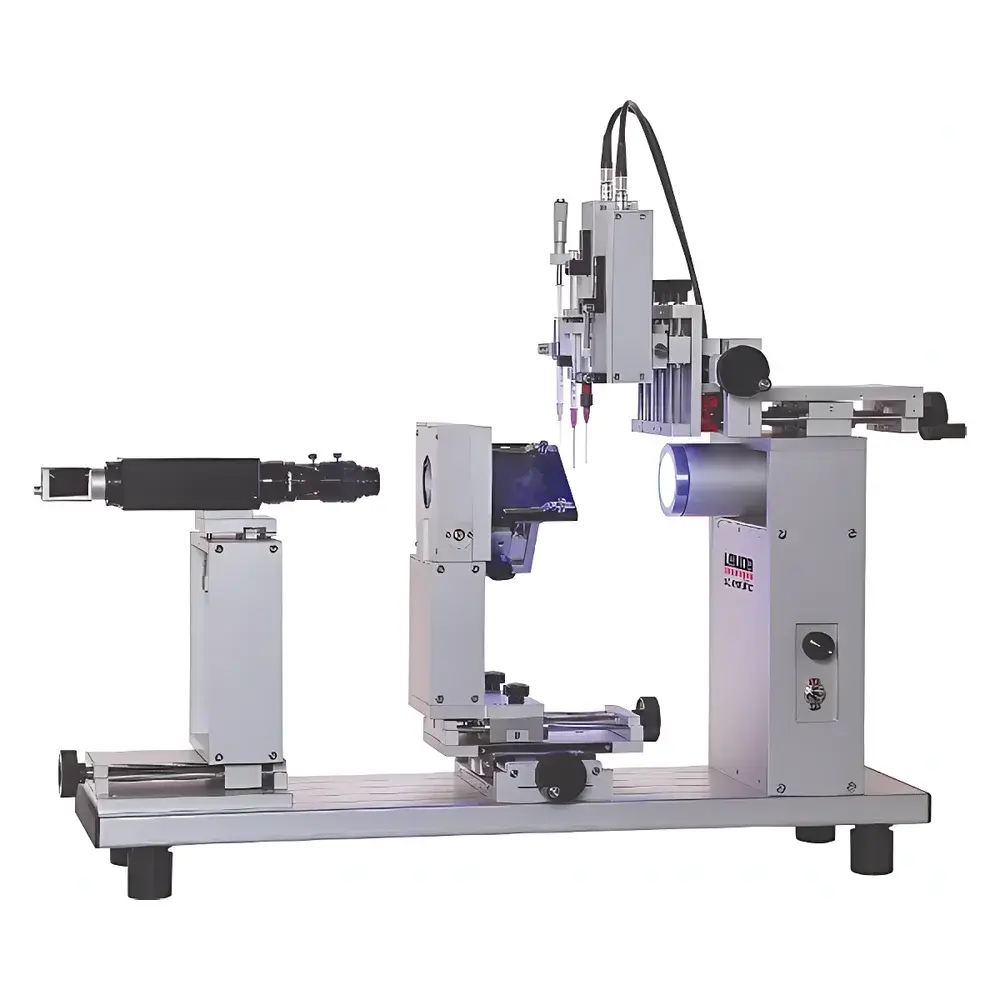
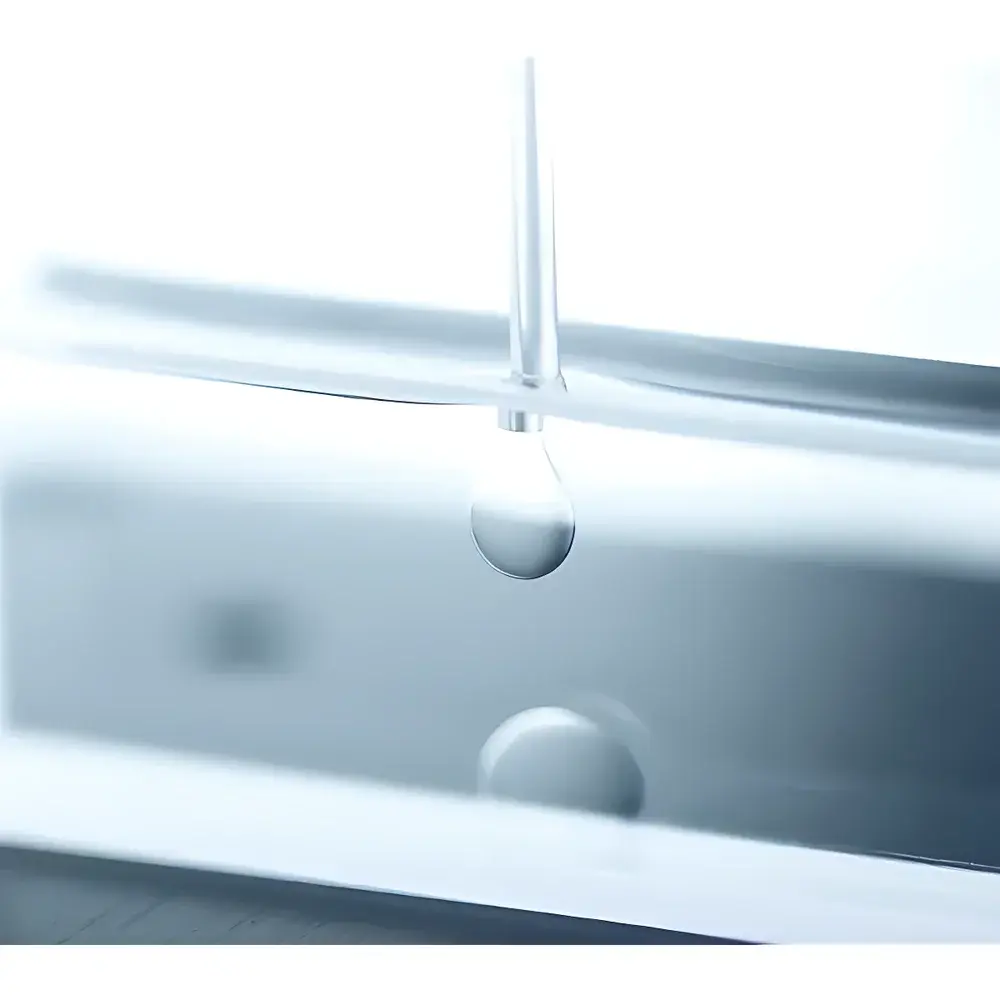
The LAUDA Scientific LSA200 is a high-precision, modular video-based surface and interfacial tensiometer engineered for rigorous academic research, industrial R&D, and quality control laboratories. It operates on the principle of drop shape analysis (DSA), leveraging high-resolution imaging and advanced contour fitting algorithms to determine surface tension (γLV), interfacial tension (γLI), contact angle (θ), and related thermodynamic parameters. Unlike force-based methods (e.g., Wilhelmy plate or du Noüy ring), DSA provides non-invasive, real-time measurement of both static and dynamic interfacial phenomena—critical for characterizing surfactant adsorption kinetics, emulsion stability, and polymer melt behavior. The system’s rigid optical platform, motorized XYZ stage, and temperature-controlled environment ensure high reproducibility across extended measurement sequences under ISO 1409 and ASTM D1331-compliant conditions.
Key Features
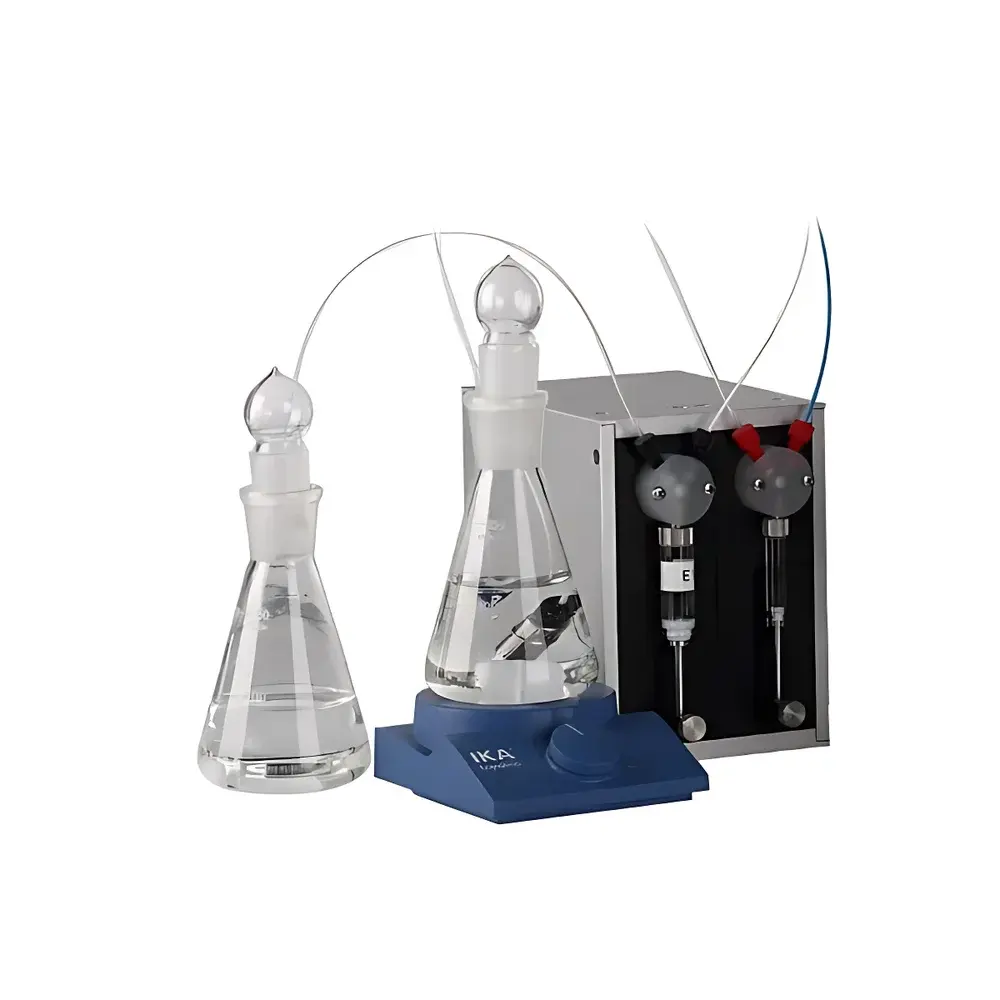
- Modular architecture supporting up to three independent automated liquid dispensing units for sequential multi-solution experiments and CMC titration without manual intervention
- Dual-mode operation: static and dynamic surface/interfacial tension measurement via pendant/sessile drop analysis with frame rates up to 100 fps (optional high-speed module)
- Integrated temperature control system with Peltier- and circulation-bath-compatible chambers, enabling measurements from −20 °C to 400 °C with ±0.1 °C stability
- High-accuracy contact angle measurement (0–180°, ±0.1° accuracy, 0.01° resolution) for solid surface energy analysis using Owens–Wendt, Fowkes, or Wu models
- Automated critical micelle concentration (CMC) determination using optical intensity or drop profile evolution—fully compliant with USP and ISO 4387 guidelines for surfactant characterization
- Robust mechanical design (620 × 200 × 543 mm; 19 kg) with vibration-damped optical base and motorized focus for long-term unattended operation
Sample Compatibility & Compliance
The LSA200 accommodates a broad spectrum of sample types: aqueous and non-aqueous surfactant solutions, polymer melts (e.g., PE, PP, PET), crude oils and biofuels, pharmaceutical formulations, and microemulsions. Its open-access fluid handling interface allows integration with inert gas purging, humidity-controlled enclosures, or vacuum chambers for specialized applications. All measurement protocols support audit-ready data traceability in accordance with FDA 21 CFR Part 11 requirements when paired with optional electronic signature and user access control modules. System validation documentation—including IQ/OQ templates—is provided to support GLP and GMP laboratory compliance.
Software & Data Management
The instrument is controlled via SCA 6.0 software—a Windows-based application offering fully scriptable workflows, real-time parameter visualization, and batch processing of time-series datasets. Raw image sequences, drop contour coordinates, and fitted Young–Laplace parameters are stored in vendor-neutral HDF5 format. Export options include CSV, Excel, and PDF reports with embedded metadata (operator ID, timestamp, environmental logs). The software supports automated pass/fail criteria for CMC detection and includes built-in statistical tools for inter-operator repeatability assessment per ISO 5725 standards.
Applications
- Dynamic surface tension profiling of ionic/nonionic surfactants during adsorption at air–liquid and oil–water interfaces
- CMC quantification in detergent, cosmetic, and agrochemical formulations under variable temperature and salinity conditions
- Surface activity monitoring during oxidative degradation of lubricants and jet fuels (ASTM D2272/D943)
- Contact angle hysteresis and surface free energy mapping for functionalized polymers and coatings
- Density estimation of molten thermoplastics via pendant drop density analysis (ISO 17212)
- Quality assurance of injectables and ophthalmic solutions where interfacial purity directly impacts sterility filtration efficiency
FAQ
What measurement principles does the LSA200 employ?
It uses video-based drop shape analysis (DSA), solving the Young–Laplace equation numerically to extract interfacial tension from digitized drop profiles.
Can the LSA200 measure interfacial tension between two immiscible liquids?
Yes—it supports both pendant drop (liquid–gas) and rotating drop (liquid–liquid) configurations with optional accessories.
Is temperature calibration traceable to national standards?
All temperature modules include NIST-traceable calibration certificates and support periodic verification using certified reference fluids (e.g., water, ethylene glycol).
How is data integrity ensured during long-duration dynamic measurements?
The system logs hardware timestamps, environmental sensor readings, and image acquisition parameters in each dataset, enabling full forensic reconstruction of experimental conditions.
Does the LSA200 comply with regulatory requirements for pharmaceutical development?
When configured with audit trail, electronic signatures, and role-based access control, it meets FDA 21 CFR Part 11 and EU Annex 11 expectations for regulated environments.
Related Products



