
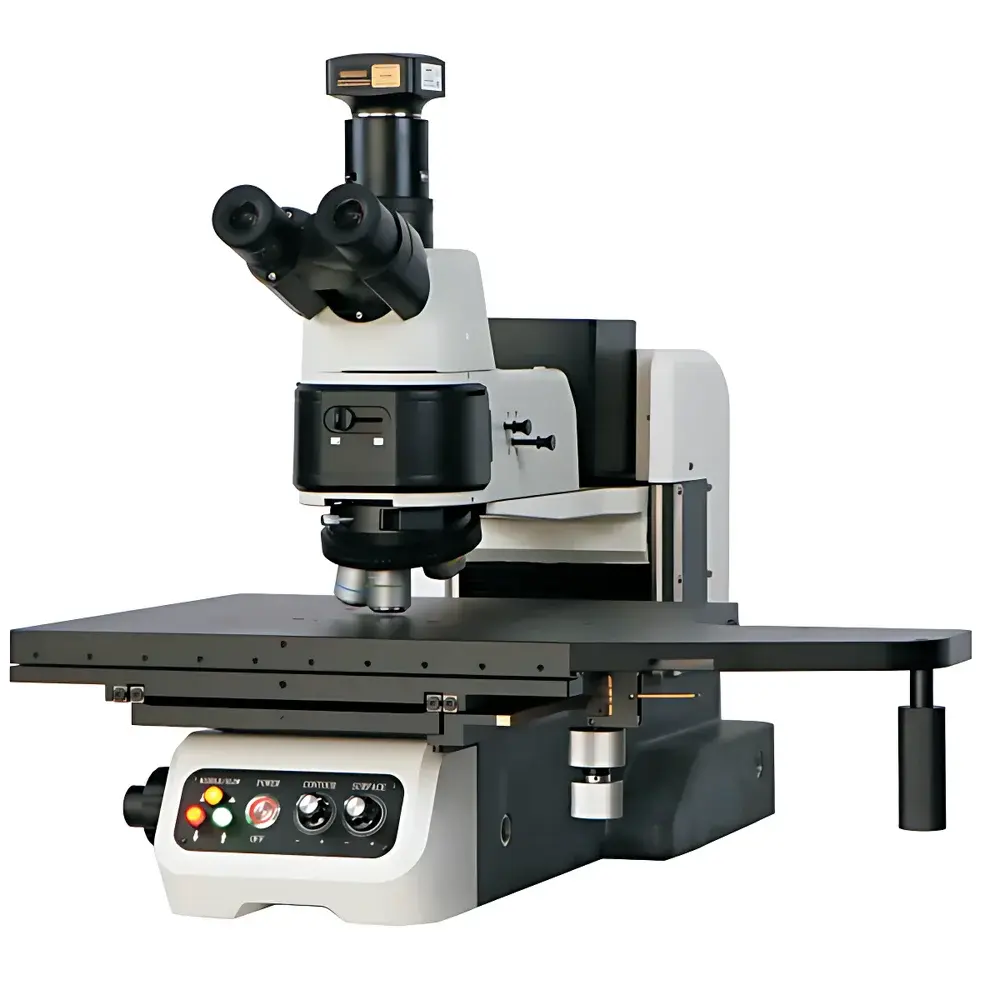
Lei-Tech LK-12DS Motorized Z-Axis Upright Metallurgical Microscope with Trinocular Port and Infinity-Corrected Optics
| Brand | Lei-Tech |
|---|---|
| Origin | Tianjin, China |
| Manufacturer Type | Direct Manufacturer |
| Configuration | Upright |
| Imaging System | Integrated Digital Image Analysis Software |
| Total Magnification Range | 50×–1000× |
| Eyepiece Configuration | Trinocular (Tri-Port) |
| Objective Lenses | Standard 5×, 10×, 20×, 50× |
| Optical Design | Infinity-Corrected Universal Imaging System (UISC) |
| Illumination | Dual-Mode Reflective (12 V / 100 W Halogen, Brightfield/Darkfield Switchable) and Transmissive (5 W White LED, NA 0.5 Condenser) |
| Focus Mechanism | Motorized Z-Axis with Electronic Handwheel (Minimum Step Resolution: 0.5 µm) |
| Stage | 310 mm × 310 mm Precision XY Mechanical Stage (Optional 12″ Rotatable Platform) |
| Observation Modes | Brightfield, Darkfield, DIC (Differential Interference Contrast, Optional) |
| Camera Interface | USB 3.0, Compatible with 6.3 MP or 12 MP Scientific CMOS Sensors |
| Software Functions | Real-Time Extended Depth of Field (EFI), Multi-Image Alignment (MIA), Annotation, 2D Metrology, Calibration Traceability |
Overview
The Lei-Tech LK-12DS is an upright metallurgical microscope engineered for high-precision microstructural analysis of opaque, reflective specimens—particularly in semiconductor wafer inspection, IC packaging, LCD/LED substrate evaluation, precision metal components, and advanced materials R&D. It employs an infinity-corrected optical path (UISC) that eliminates chromatic and spherical aberrations across the full magnification range (50×–1000×), ensuring diffraction-limited resolution and consistent image fidelity at all magnifications. Unlike finite-conjugate systems, the UISC architecture enables modular integration of auxiliary optical modules—including DIC prisms, polarizers, and fluorescence filter cubes—without compromising parfocality or illumination uniformity. The microscope’s core mechanical architecture features a stationary XY precision stage (310 mm × 310 mm travel) while the objective turret and nosepiece move vertically along the Z-axis via a motorized electronic handwheel. This design minimizes mechanical drift during focus scanning and eliminates stage-induced vibration—critical for quantitative image metrology and time-lapse observation of thermal or stress-induced microstructural evolution.
Key Features
- Motorized Z-axis focusing with programmable electronic handwheel offering sub-micron repeatability (0.5 µm minimum step size) and tactile feedback for manual fine-tuning;
- Trinocular observation head with three-way beam-splitting ratio (100% viewing / 100% imaging / 20% viewing + 80% imaging), enabling simultaneous real-time visual assessment and synchronized digital capture;
- Dual-illumination system: 12 V / 100 W halogen source with pre-set brightness memory and BF/DF toggle mechanism for reflected-light observation; independently controllable 5 W white LED with NA 0.5 Abbe condenser for transmitted-light applications;
- Five-position objective turret with DIC-compatible slots and standard semi-apochromatic metallurgical objectives (5×, 10×, 20×, 50×); optional 100× oil-immersion objective available for ultra-high-resolution grain boundary analysis;
- Modular platform compatibility: supports 12-inch (305 mm) rotation stage, long-working-distance objective adapters, and optional height-measurement upgrade kit (including digital readout scale, 0.1 µm resolution encoder, and auxiliary focus assist module);
- Robust mechanical construction with coaxial coarse/fine focus controls, low-handled stage manipulation, and vibration-damped base assembly for stable operation in shared lab environments.
Sample Compatibility & Compliance
The LK-12DS accommodates specimens up to 305 mm in diameter (e.g., 12-inch wafers) and 50 mm in height, making it suitable for full-wafer metrology, cross-sectioned PCBs, sintered ceramics, and heat-treated alloy samples. Its brightfield/darkfield illumination pathways comply with ASTM E3–22 (Standard Guide for Preparation of Metallographic Specimens) and ISO 4967 (Steel—Determination of Content of Non-Metallic Inclusions—Micrographic Method Using Standard Diagrams). The integrated DIC module—when installed—enables quantitative phase-gradient imaging per ISO 16128-2 for topographic contrast enhancement without staining. All optical components meet RoHS Directive 2011/65/EU material restrictions. The system architecture supports GLP-compliant audit trails when paired with validated image acquisition software (e.g., NIST-traceable calibration files, user-access logs, timestamped metadata embedding).
Software & Data Management
The bundled image analysis suite operates on Windows 10/11 (64-bit) and supports USB 3.0–connected scientific cameras (6.3 MP or 12 MP CMOS sensors). Core functionalities include real-time extended depth-of-field (EFI) reconstruction using focus-stacking algorithms with adaptive contrast normalization; multi-image alignment (MIA) for seamless tiling of large-area specimens (e.g., full 12″ wafer maps); calibrated 2D measurement (line, angle, radius, area, particle count) with ISO 17025–traceable scale bar generation; and annotation tools compliant with FDA 21 CFR Part 11 requirements (electronic signatures, audit trail export, role-based access control). Raw image data is saved in TIFF format with embedded EXIF metadata (magnification, objective ID, illumination mode, exposure parameters). Export options include PDF reports with embedded measurement history and CSV datasets for statistical process control (SPC) integration.
Applications
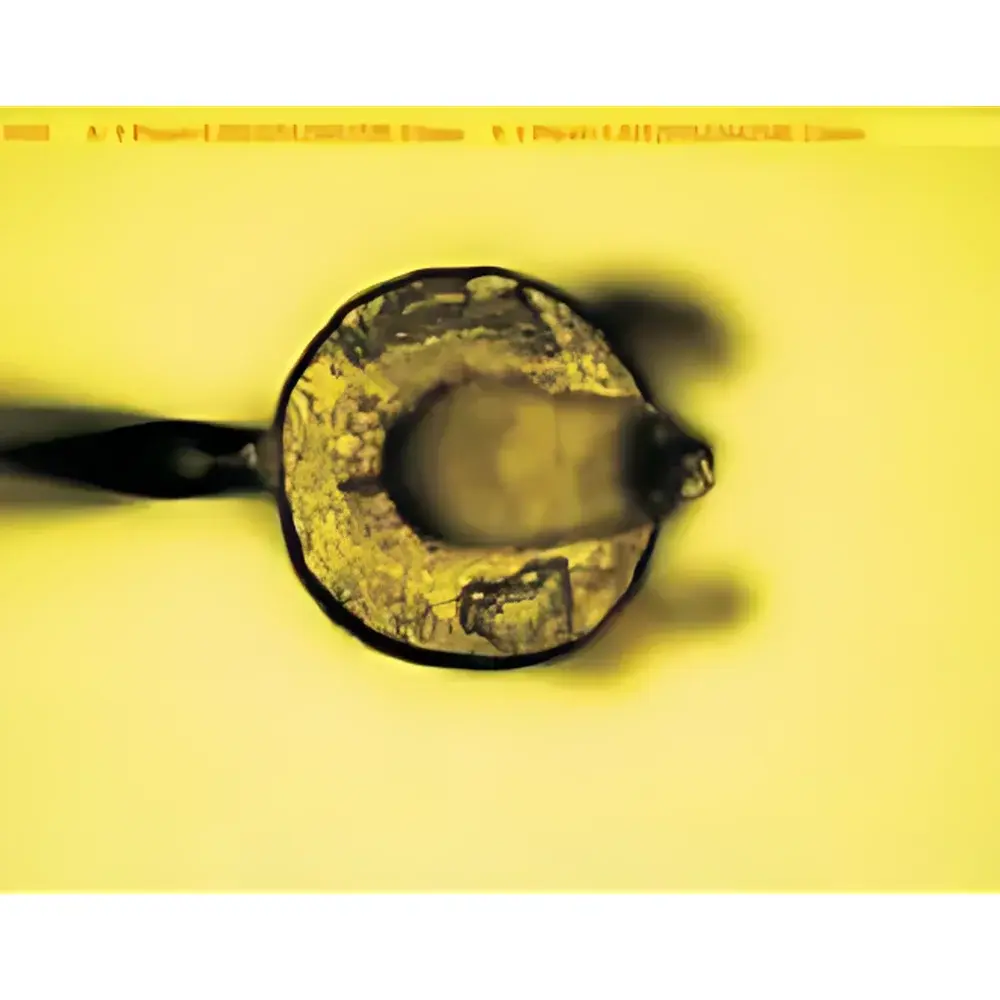
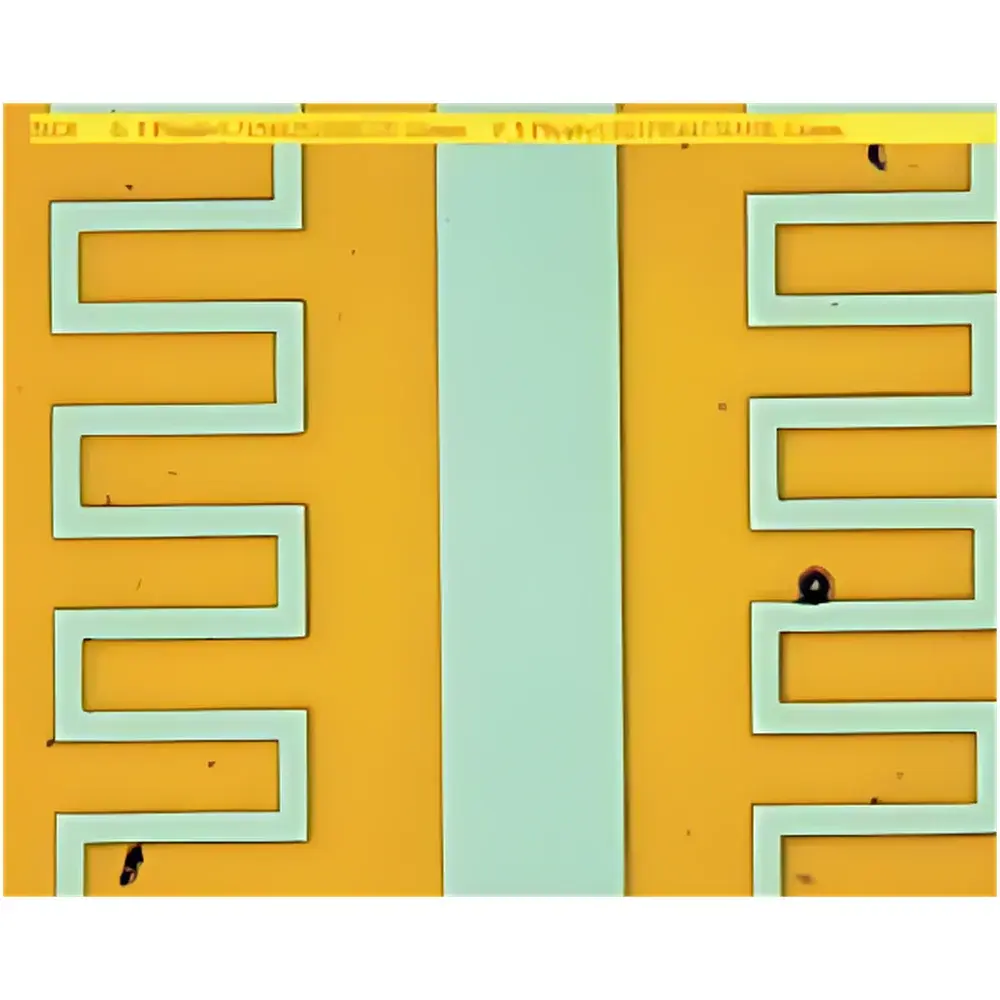
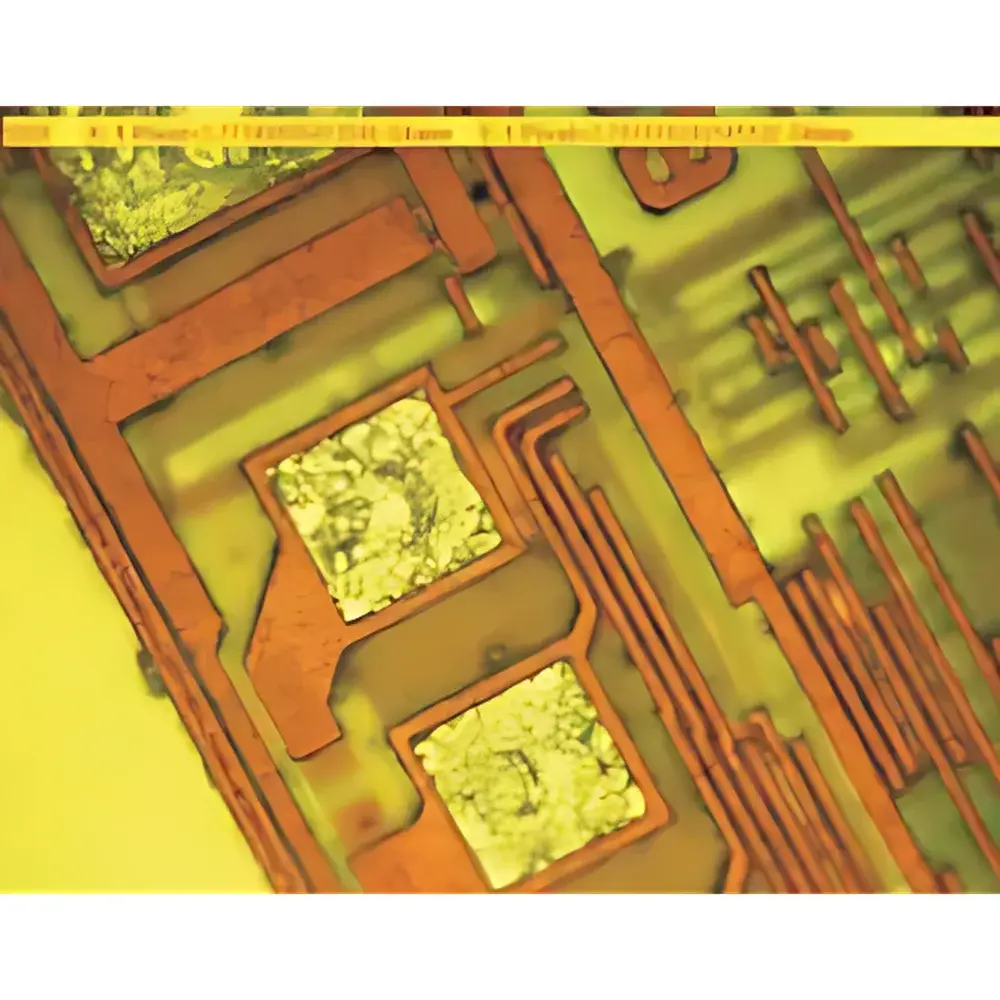
- Semiconductor manufacturing: Defect localization on patterned wafers, bond pad integrity verification, solder joint microstructure assessment;
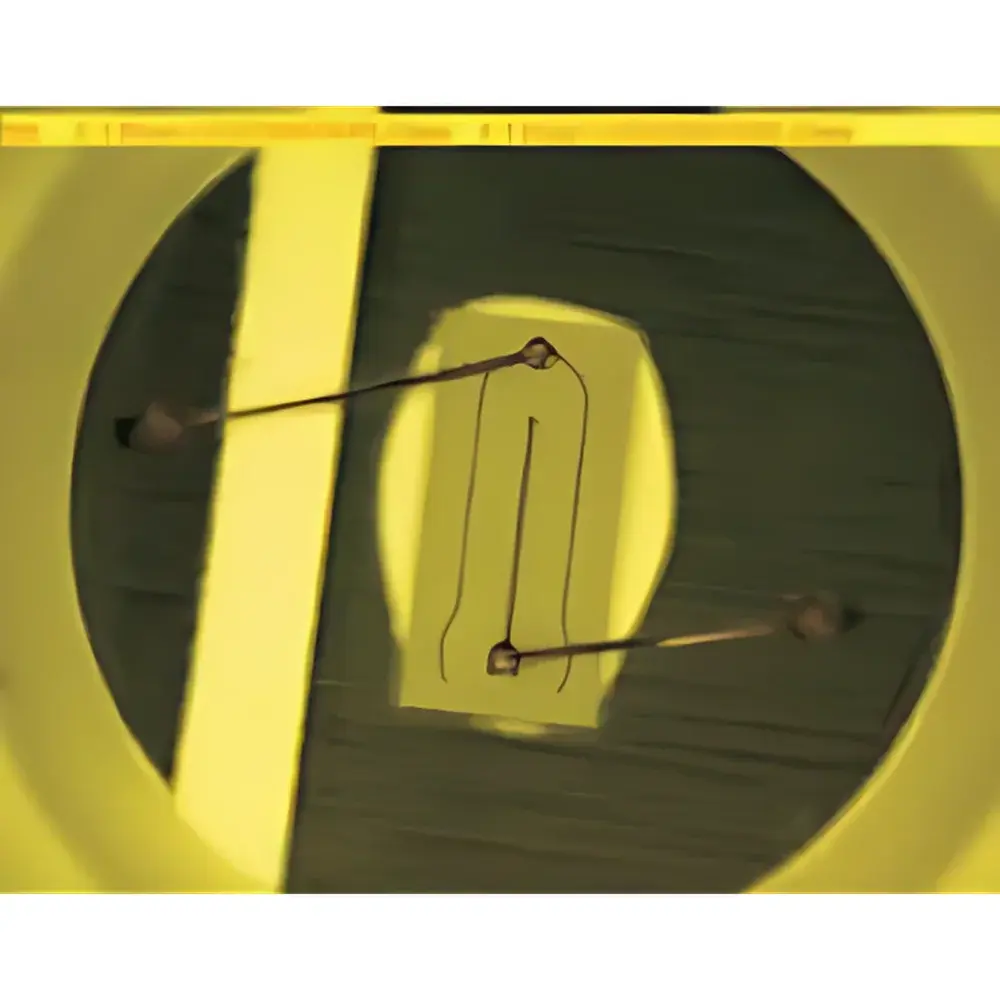
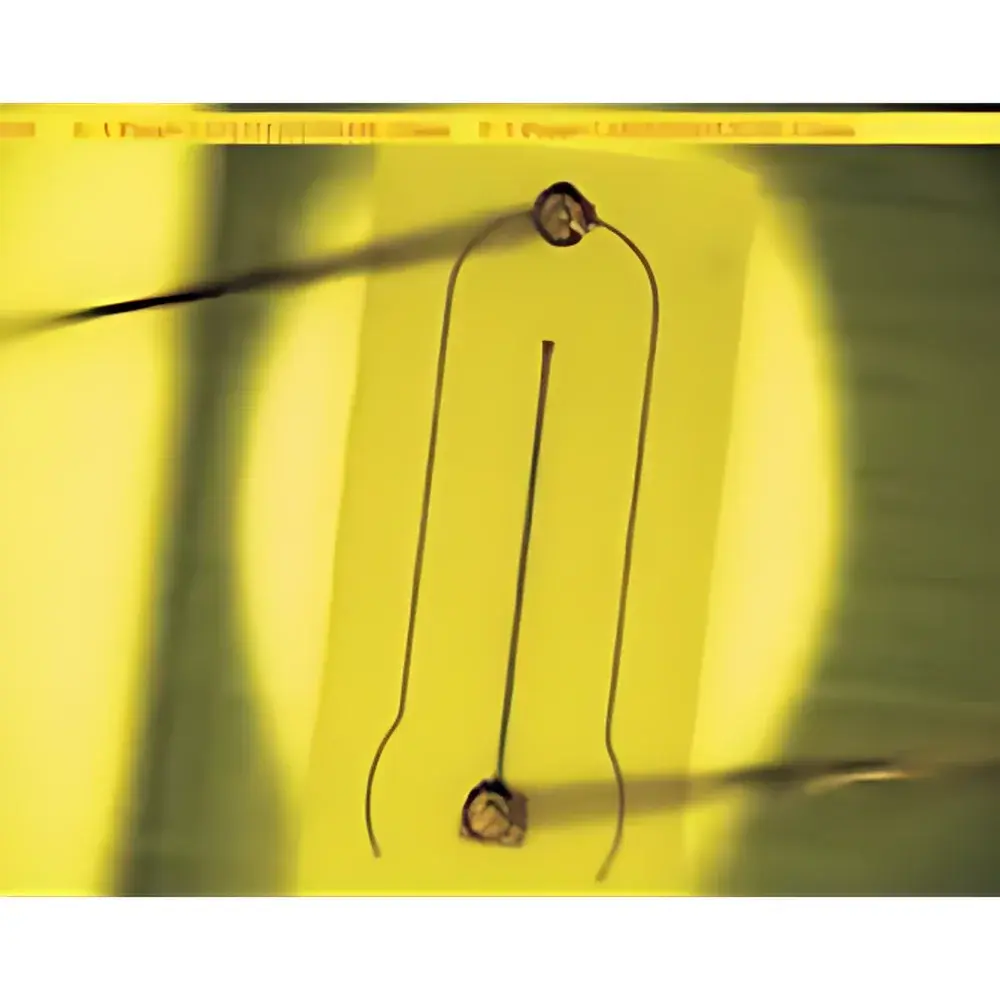
- Advanced packaging: Wire bond pull-test cross-section analysis, underfill void detection, die attach inspection;
- Display technology: TFT array defect mapping, OLED pixel uniformity evaluation, ITO line width measurement;
- Precision engineering: Surface roughness estimation via grayscale histogram analysis, inclusion quantification in bearing steels (per ASTM E112), grain size distribution per ASTM E112–22;
- Academic research: In-situ thermal cycling observation of phase transformations, corrosion pit morphometry, fatigue crack tip characterization under load.
FAQ
Does the LK-12DS support DIC imaging out of the box?
DIC functionality requires optional purchase and installation of the DIC prism set and matching Nomarski Wollaston prisms—compatible with all standard objectives. The microscope body includes dedicated DIC slider slots and centering mechanisms.
Can the system be integrated into an automated production line?
Yes—the Z-axis motor driver supports RS-232 and TTL trigger inputs for synchronization with external motion controllers or PLCs. Optional SDK documentation enables custom API development for OEM integration.
Is the LED transmission illuminator suitable for polarized light microscopy?
The standard LED unit does not include polarization optics, but the condenser mount accepts accessory polarizer/analyzer kits (sold separately) for birefringence analysis of composites or mineral samples.
What is the warranty coverage and service response time?
Lei-Tech provides a 24-month limited hardware warranty, including optics and motorized components. Technical support is available 7×24 via remote diagnostics; on-site service is dispatched within 72 hours for Tier-1 regions (North America, EU, East Asia) following validated fault reporting.
Are calibration certificates provided with the system?
NIST-traceable stage calibration certificates (XY linearity, Z-axis encoder accuracy ±4 + L/100 µm) and objective magnification verification reports are included with each unit. Optional ISO/IEC 17025 accreditation is available upon request.



