
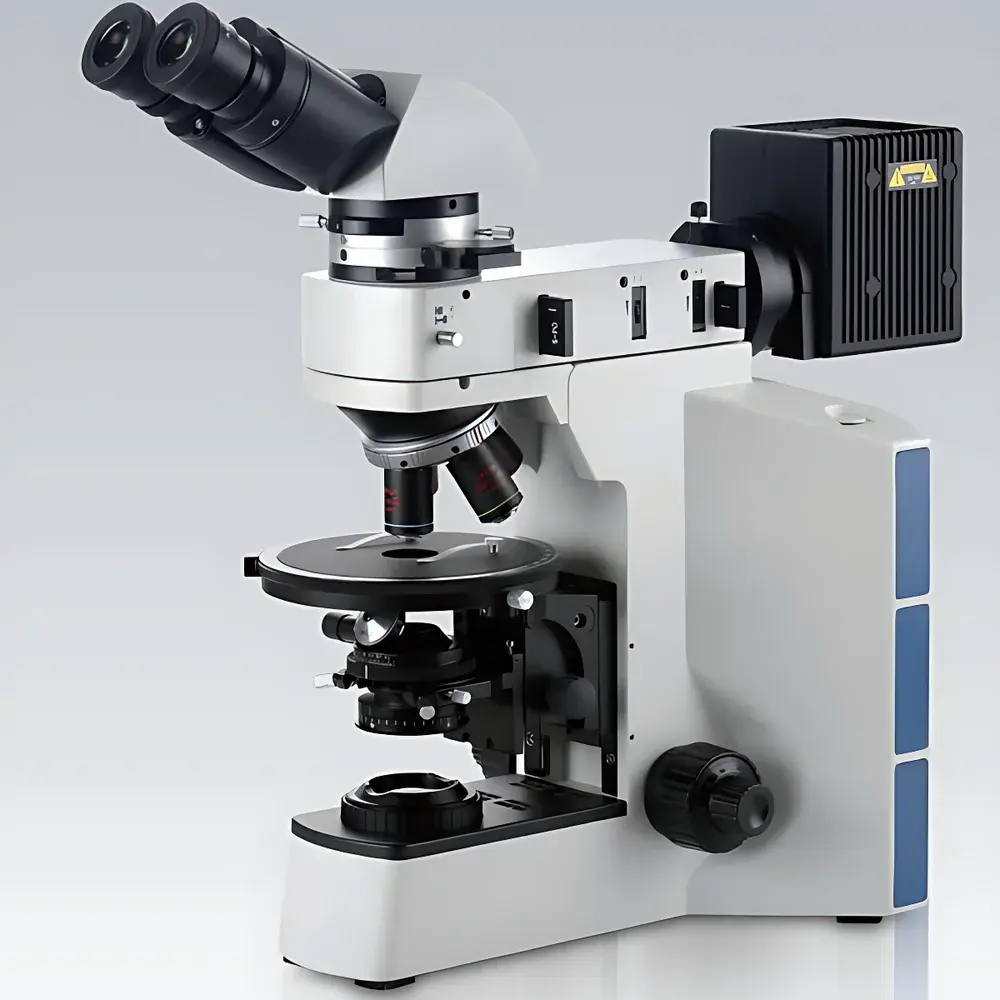
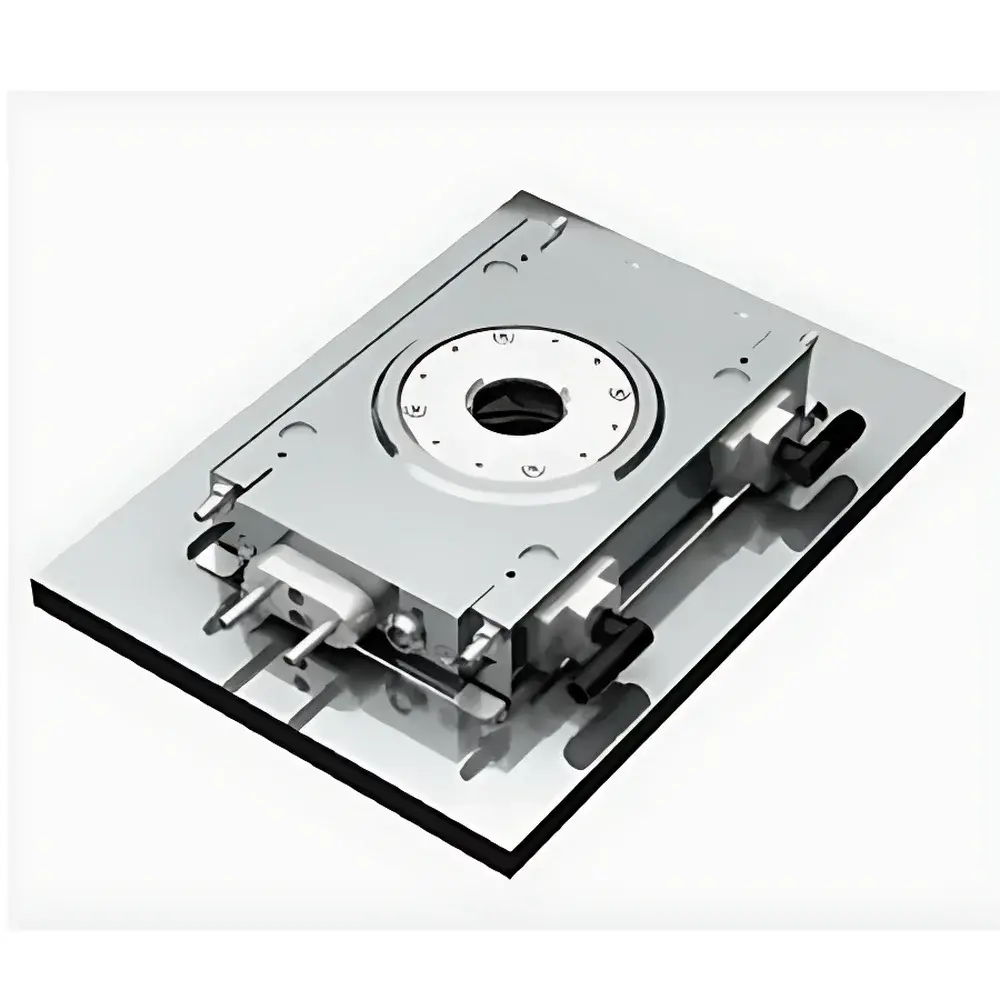
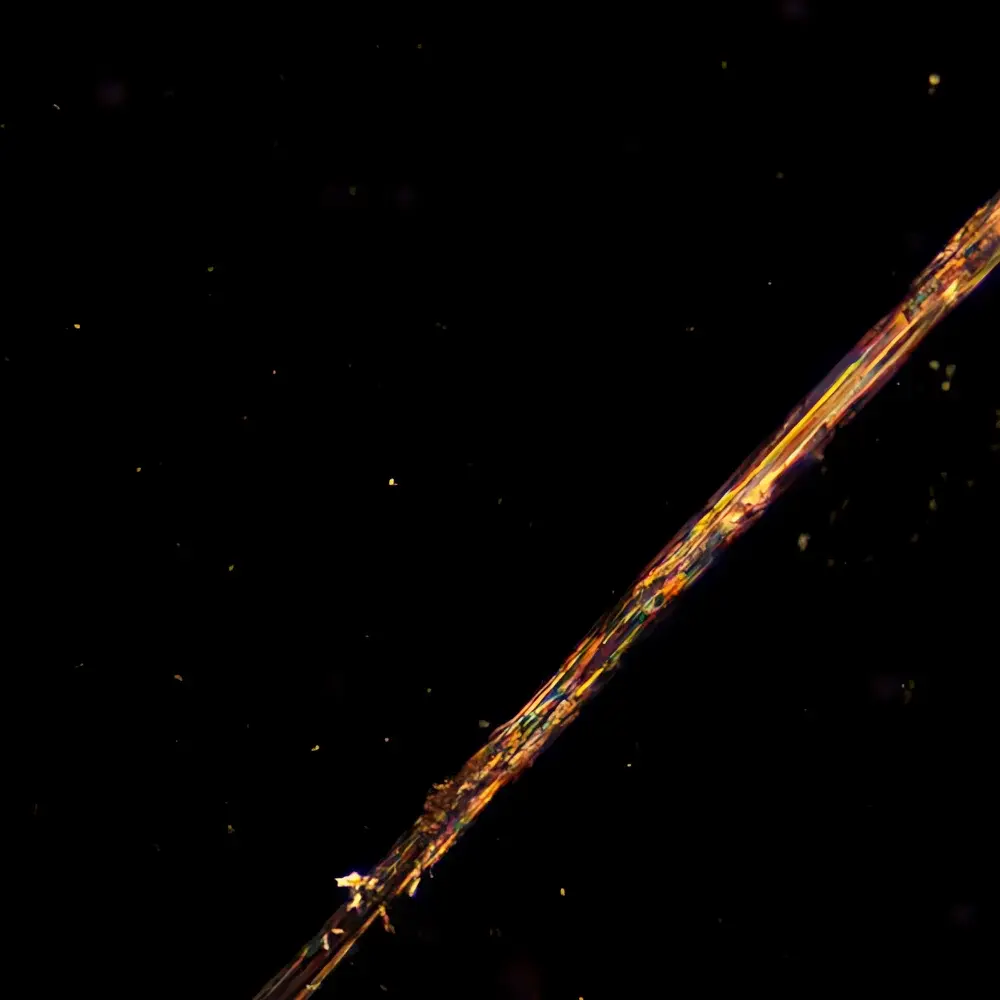
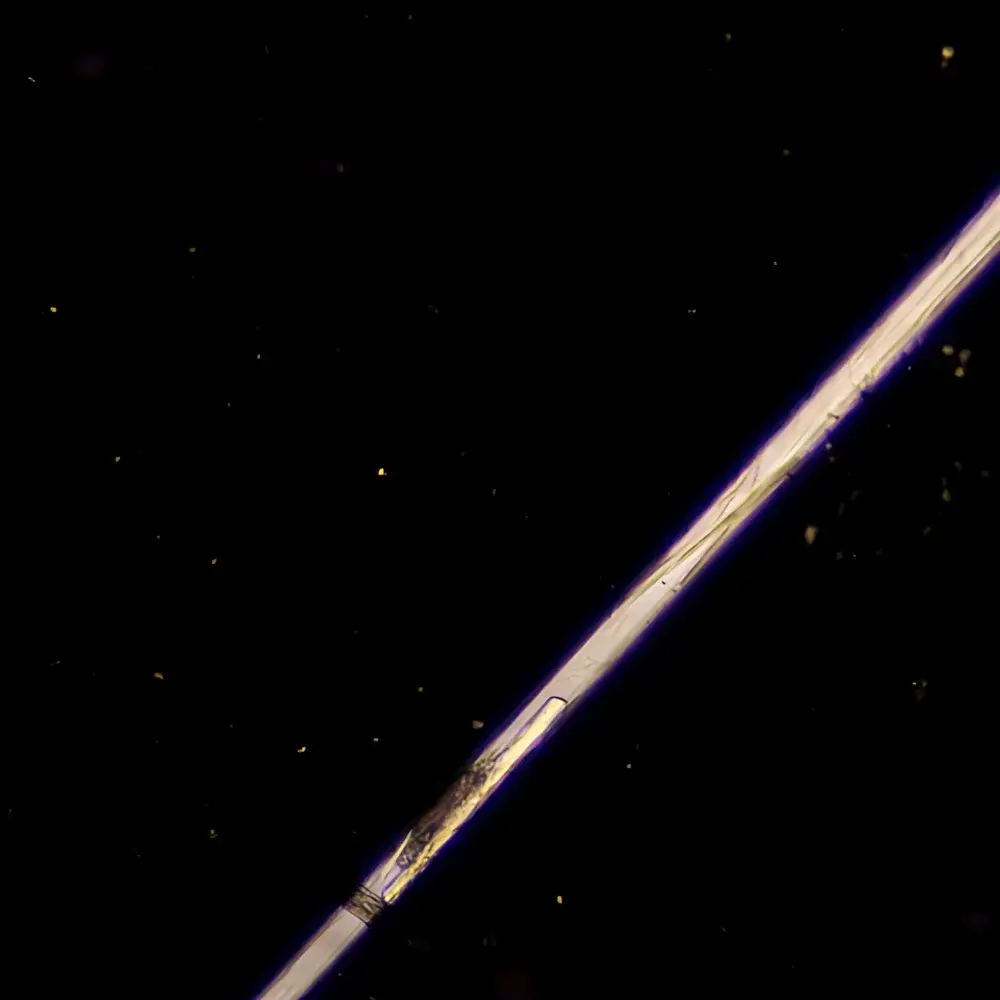
LEI-TECH LK-LRT-53P-600 Research-Grade Upright High-Temperature Polarizing Microscope
| Brand | LEI-TECH |
|---|---|
| Origin | Tianjin, China |
| Manufacturer Type | OEM Manufacturer |
| Model | LK-LRT-53P-600 |
| Optical System | Infinity-Corrected UISC (Universal Infinity Space Correction) |
| Total Magnification | 50×–500× |
| Eyepiece | PL10×/22 mm (with reticle) |
| Objective Turret | Quintuple, center-adjustable |
| Polarizer & Analyzer | Rotatable 360° (2° scale, ±6′ accuracy), lockable |
| Compensators | λ plate (551 nm), λ/4 plate (147.3 nm), quartz wedge (I–IV order) |
| Temperature Range | −196 °C to +600 °C (liquid nitrogen cooling optional) |
| Temp. Stability & Accuracy | ±0.05 °C |
| Max. Heating Rate | ≥60 °C/min |
| Max. Cooling Rate | 40 °C/min |
| Aperture Diameter | 2.4 mm |
| Imaging Sensor | 20 MP (5440 × 3648) |
| Illumination | Dual-path halogen (transmitted Köhler + reflected epi-illumination), LBD filter set, adjustable field & aperture diaphragms |
| Software Functions | Real-time thermal-video sync, multi-step programmable temperature profiling, EFI (Extended Focus Imaging), MIA (Multi-Image Alignment) stitching, quantitative measurement suite |
Overview
The LEI-TECH LK-LRT-53P-600 is a research-grade upright polarizing microscope engineered for in situ microstructural analysis under controlled thermal conditions. It integrates precision polarized light optics with a high-stability, programmable heating/cooling stage capable of operation from cryogenic (−196 °C, with optional liquid nitrogen system) to high-temperature (up to +600 °C) regimes. The instrument employs an infinity-corrected UISC (Universal Infinity Space Correction) optical pathway—designed to eliminate residual stress-induced birefringence in optical components—thereby ensuring high-fidelity retardation contrast and quantitative extinction angle reproducibility. This architecture supports rigorous crystallographic characterization, phase transition kinetics, melt-solidification behavior, and thermally induced domain evolution in anisotropic materials including polymers, liquid crystals, geological specimens, pharmaceuticals, and advanced ceramics.
Key Features
- Infinity-corrected UISC optical system with stress-free lens mounts and anti-reflection broadband coatings for enhanced contrast and minimal polarization artifact
- Dual-mode illumination: Köhler-transmitted path (N.A. 1.2 achromatic condenser with rotatable polarizer) and epi-reflective path (centered long-life halogen lamp, LBD filter set, independent field/aperture control)
- High-precision temperature stage with ±0.05 °C stability, programmable multi-segment ramp/soak profiles, and real-time thermal-video synchronization
- Rotatable analyzer (360°, 2° graduation, ±6′ repeatability) and modular compensator turret accommodating λ, λ/4, and quartz wedge plates (I–IV order)
- Ergonomic 30° inclined trinocular head with dual eyepiece ports (R:T = 100:0 or 50:50), interpupillary adjustment (54–75 mm), and ±5 D diopter compensation
- 20-megapixel scientific CMOS imaging module (5440 × 3648 effective resolution) with on-board measurement tools, real-time EFI (Extended Focus Imaging), and MIA (Multi-Image Alignment) mosaic stitching
- Integrated software platform supporting ASTM E112-compliant grain size analysis, USP particle characterization workflows, and ISO 10110-7 compliant retardation quantification
Sample Compatibility & Compliance
The LK-LRT-53P-600 accommodates standard 24 × 50 mm and 32 × 44 mm microscope slides, as well as custom-thickness specimens up to 25 mm tall (with stage extension kit). Its compact thermal stage design permits unobstructed access for probe insertion, electrical leads, or gas purging lines—enabling correlative thermo-electro-optical experiments. All optical components comply with ISO 8578 (microscope mechanical tube length tolerance) and ISO 10110-7 (polarization performance specification). The temperature control subsystem meets IEC 61000-4-3 immunity standards for laboratory electromagnetic environments. Data acquisition logs—including timestamped image stacks, thermal profiles, and user-defined metadata—are structured to support GLP/GMP audit trails per FDA 21 CFR Part 11 when deployed with optional electronic signature modules.
Software & Data Management
The proprietary ThermalSync™ software provides synchronized acquisition of optical imagery and thermal telemetry at user-defined intervals (down to 100 ms resolution). It generates time-stamped video files (.avi/.mp4), exportable CSV temperature tables, annotated thermal curve plots (.png/.svg), and batch-processable measurement reports. Programmable heating protocols support up to 99 segments with independent ramp rates, dwell times, and cycle repetition counts. Image processing includes FFT-based birefringence vector mapping, automatic extinction angle detection, and calibrated retardation quantification using the Michel-Levy chart algorithm. All raw data and processing parameters are stored in non-proprietary HDF5 containers, ensuring long-term archival integrity and third-party interoperability with MATLAB, Python (NumPy/H5Py), and ImageJ/Fiji ecosystems.
Applications
- Real-time monitoring of polymer crystallization and melting hysteresis under controlled thermal gradients
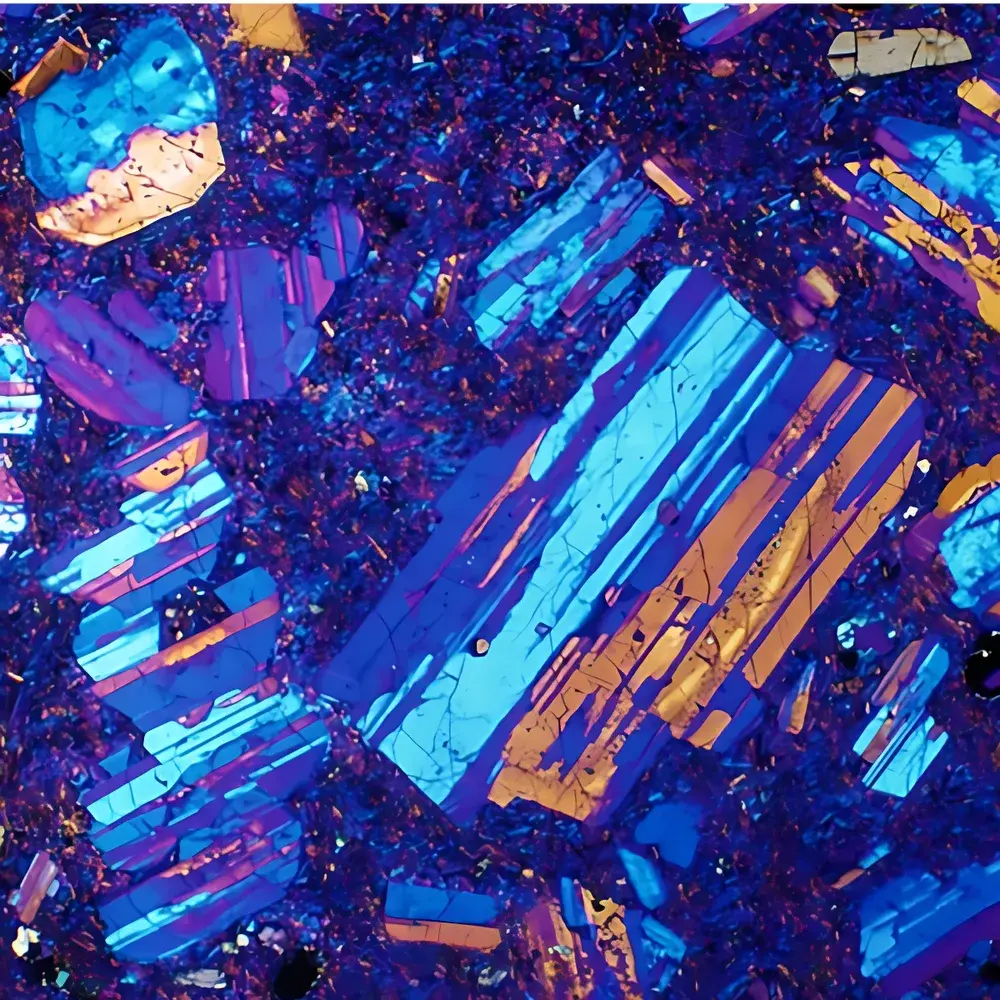
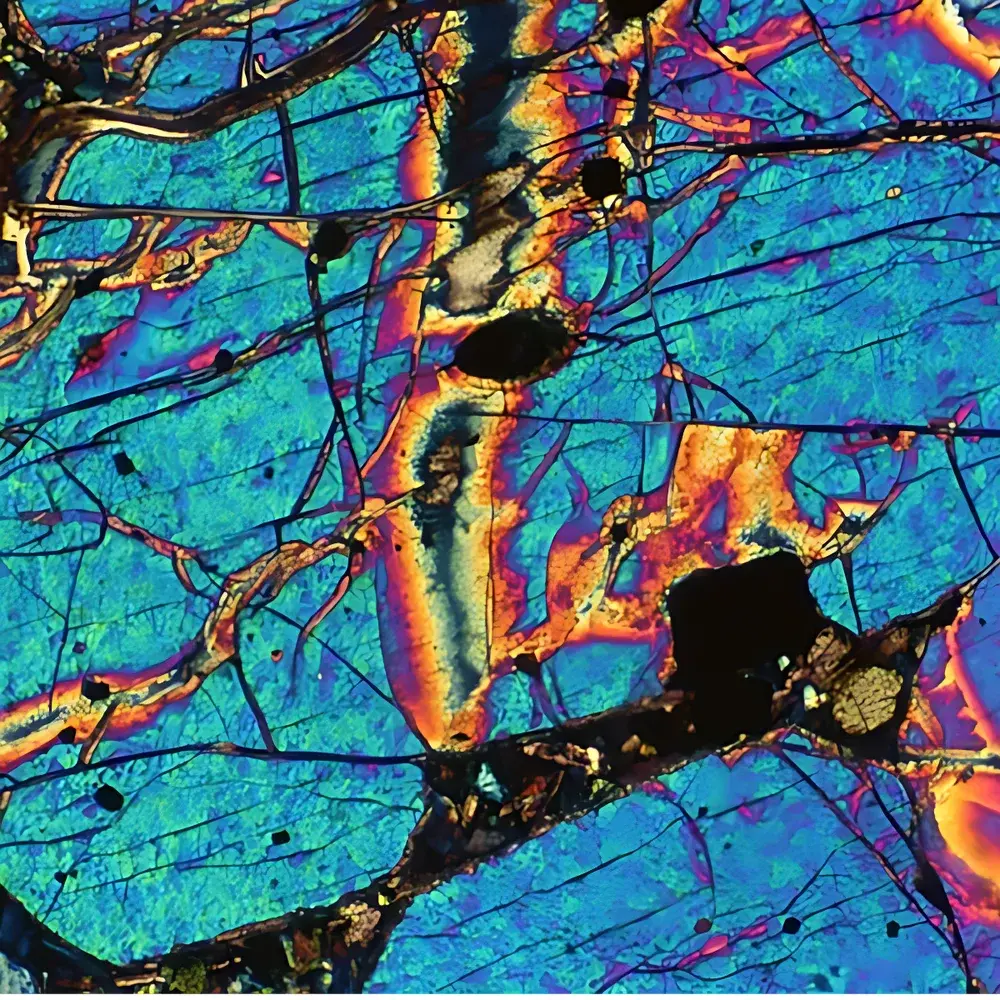
- Phase identification and orientation mapping in geological thin sections (e.g., quartz, feldspar, mica) across metamorphic P–T paths
- Thermal stability assessment of pharmaceutical hydrates and co-crystals per ICH Q5C guidelines
- Domain dynamics in ferroelectric and liquid crystalline films during electric-field-assisted heating
- Microstructural evolution in battery electrode materials during in situ charge/discharge thermal cycling
- Qualification of optical component birefringence in laser-grade fused silica and CaF2 substrates
FAQ
What is the maximum sample thickness compatible with the LK-LRT-53P-600’s thermal stage?
Standard configuration supports samples up to 15 mm in height; optional extended-stage kits accommodate specimens up to 25 mm.
Does the system support automated extinction angle measurement?
Yes—the software implements iterative analyzer rotation with intensity-minimization algorithms to determine azimuthal extinction positions within ±0.3° accuracy.
Can the temperature profile be synchronized with external equipment (e.g., XRD, Raman)?
Via TTL trigger I/O port and TCP/IP API, enabling hardware-level coordination with synchrotron beamlines or benchtop spectroscopy platforms.
Is calibration documentation provided for ISO/IEC 17025 traceability?
Factory calibration certificates (temperature, magnification, and retardation) are included; NIST-traceable recalibration services are available through LEI-TECH authorized service centers.
What operating systems are supported by ThermalSync™ software?
Windows 10/11 (64-bit), with Linux drivers available upon request for HPC cluster integration.






