
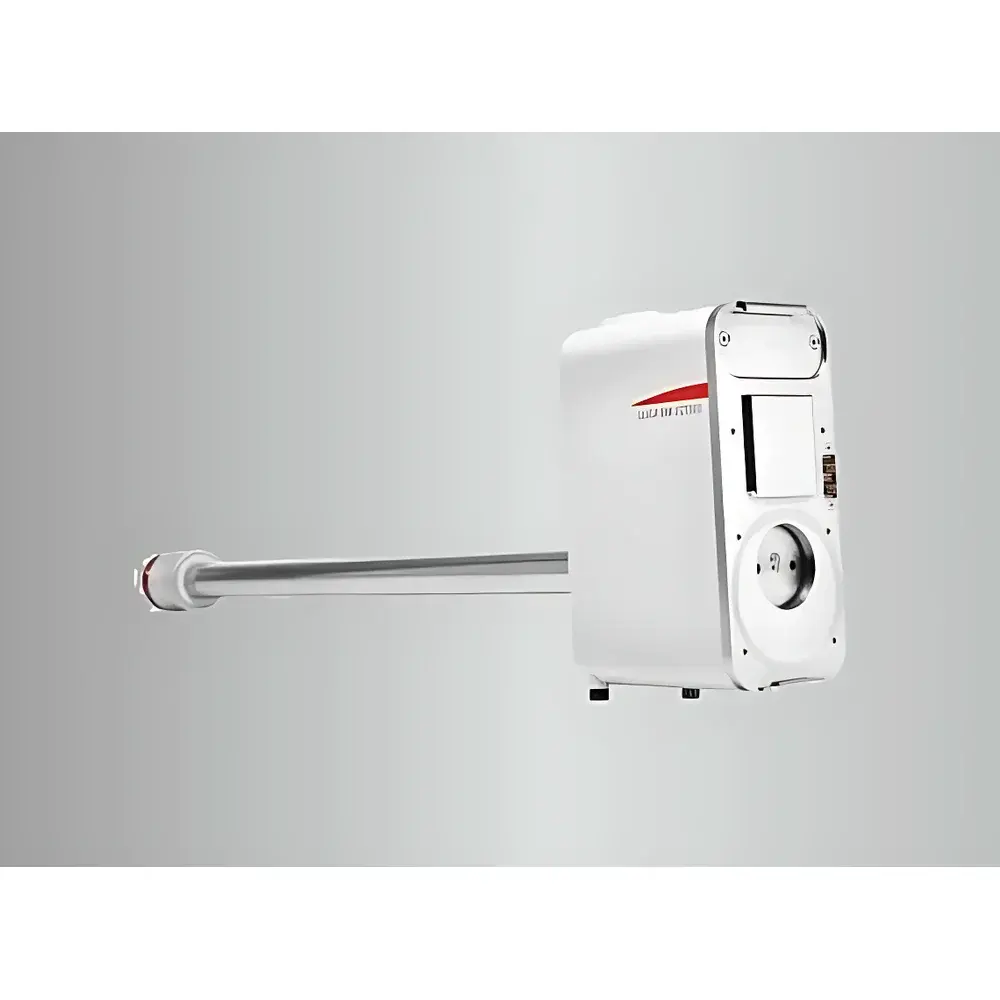
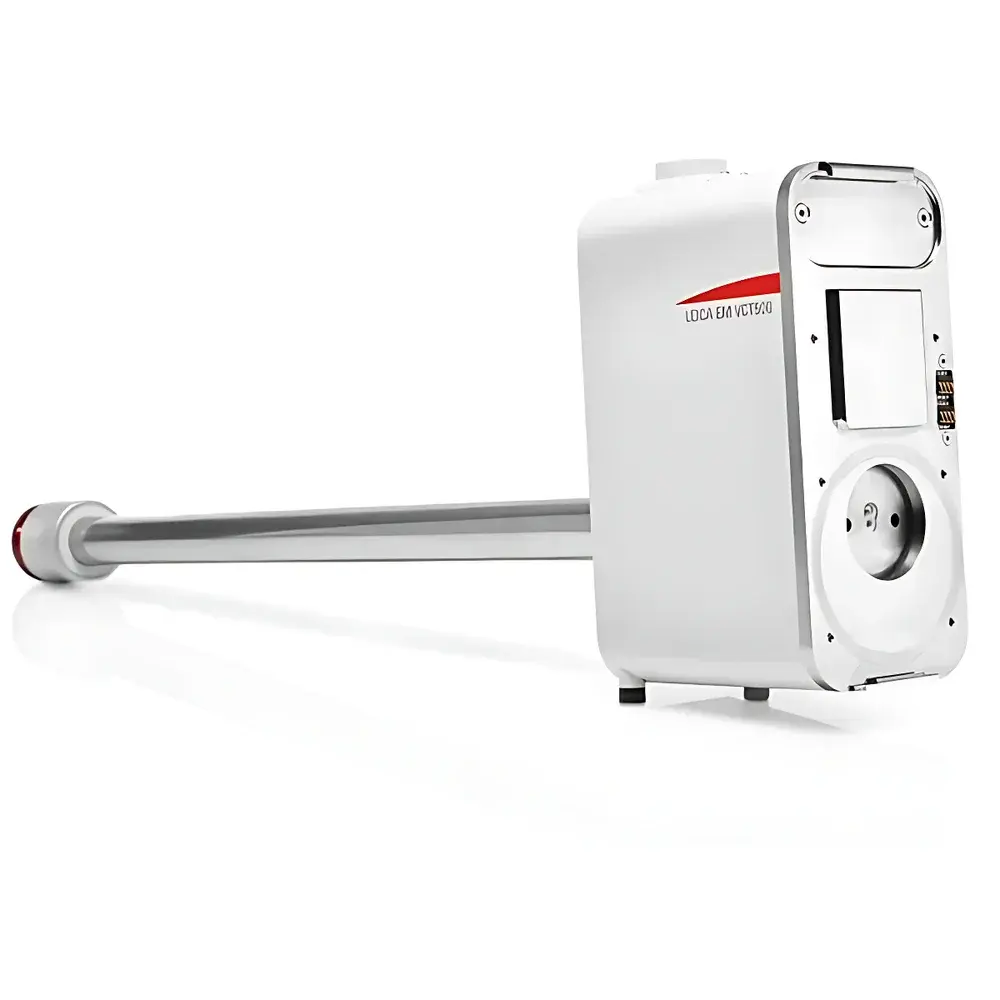
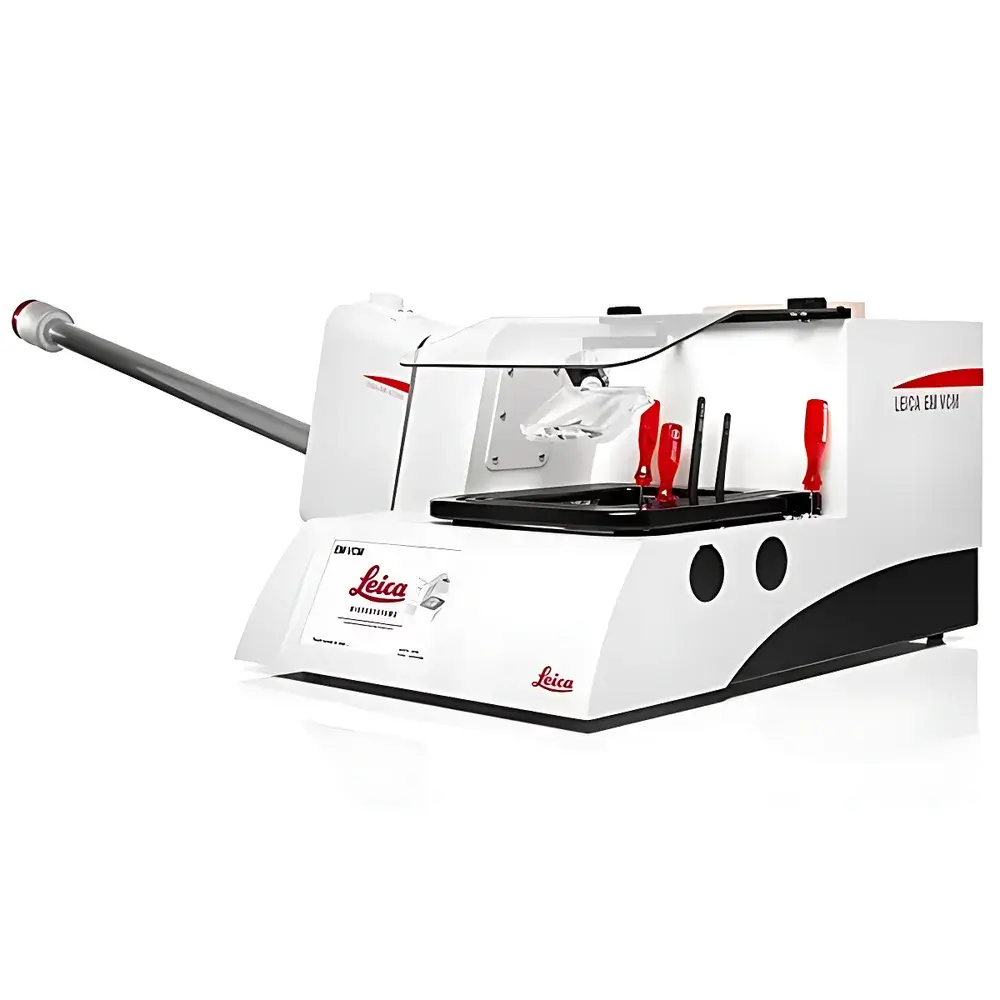
Leica EM VCT500 Cryo-Transfer System
| Brand | Leica |
|---|---|
| Origin | Germany |
| Model | Leica EM VCT500 |
| Application Environment | Ultra-High Vacuum (UHV) or Controlled Atmosphere (e.g., Ar/N₂) |
| Operating Temperature Range | ≤ −185 °C (LN₂-cooled) |
| Sample Transfer Mode | In-situ, Valve-Isolated, Cold-Stage-Coupled |
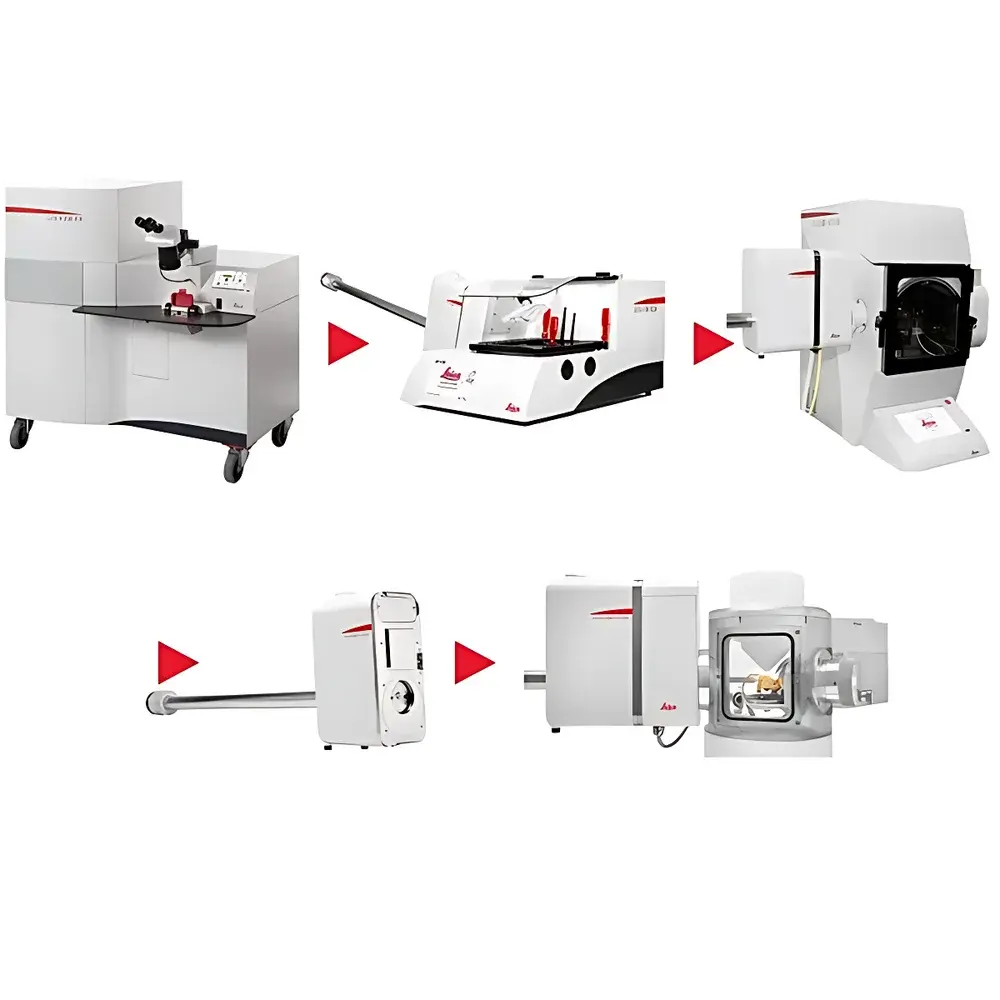
| Compatibility | Integrated with Leica EM ACE900, EM UC7/FC7, EM TIC 3X, and third-party TEM/SEM/FIB platforms |
| Compliance | Designed for GLP-compliant cryo-EM workflows, compatible with ISO 14644-1 Class 4 cleanroom integration |
Overview
The Leica EM VCT500 is a high-precision cryogenic sample transfer system engineered for seamless, contamination-free specimen handling across integrated electron microscopy (EM) workflows. Built upon a dual-chamber vacuum architecture with active cryo-cooling and dynamic valve isolation, the EM VCT500 enables reliable transfer of vitrified biological specimens, frozen-hydrated tissues, or beam-sensitive materials between preparation modules (e.g., plunge freezers, freeze-fracture units, cryo-ultramicrotomes) and analytical instruments—including transmission electron microscopes (TEM), scanning electron microscopes (SEM), and focused ion beam–SEM (FIB-SEM) systems. Its core functionality relies on maintaining continuous cryogenic integrity (< −185 °C) and ultra-high vacuum (UHV, ≤1×10⁻⁷ mbar) throughout transfer, thereby suppressing ice crystallization, surface contamination, and thermal drift—critical prerequisites for high-resolution cryo-EM structure determination and cryo-FIB lamella preparation.
Key Features
- Active Cryo-Stage Cooling: Integrated liquid nitrogen (LN₂) circulation loop with real-time PID-controlled temperature regulation ensures stable sample temperatures below −185 °C at the transfer interface, minimizing thermal transients during docking.
- Modular Valve Architecture: Patented multi-stage differential pumping valves enable sequential isolation of preparation, transfer, and analysis chambers—preserving UHV in the microscope column while allowing safe loading/unloading under controlled inert gas or vacuum conditions.
- In-Process Monitoring: Embedded Pt100 sensors and Bayard–Alpert gauges provide live readouts of sample stage temperature and chamber pressure directly within the instrument’s control interface, supporting audit-ready process documentation.
- Triple-Slot Sample Carrier Support: Accommodates up to three independently configurable carriers (e.g., Gatan 626, EMGrid, custom stubs), each with mechanical registration and thermal anchoring to ensure repeatable positioning and minimal conductive heat leak.
- Integrated Tooling Environment: Built-in LED illumination, stereo magnification optics (10×), desiccated tool storage, and automated LN₂ re-fill sequencing eliminate manual handling risks and support glovebox-free operation in standard lab settings.
Sample Compatibility & Compliance
The EM VCT500 supports a broad spectrum of cryo-prepared specimens, including vitrified single particles, cryo-lamellae, freeze-fractured membranes, and metal-shadowed replicas. It is fully compatible with standard EM grids (200–300 mesh Cu/Ni/Au), autogrids, and specialized carriers for tomography or correlative light-electron microscopy (CLEM). From a regulatory standpoint, the system’s deterministic vacuum sequencing, hardware-enforced interlocks, and timestamped sensor logging align with GLP and GMP requirements for structural biology and pharmaceutical characterization. While not FDA-cleared as a medical device, its operational parameters conform to ISO 14644-1 (Class 4 cleanroom compatibility) and support 21 CFR Part 11–compliant data archiving when paired with Leica’s LAS X software suite.
Software & Data Management
Control is managed via Leica’s dedicated EM VCT500 Control Software—a Windows-based application featuring role-based access control, event-driven workflow scripting, and full audit trail generation. All temperature setpoints, valve actuation sequences, pressure logs, and user authentication events are time-stamped and exportable in CSV or XML formats. The software supports integration with laboratory information management systems (LIMS) through OPC UA and provides API hooks for custom automation (e.g., synchronization with plunge-freezer timers or FIB milling scripts). Raw sensor data is retained locally with SHA-256 checksum validation to ensure data integrity across long-term archival.
Applications
- Cryo-TEM single-particle analysis requiring atomic-resolution preservation of macromolecular complexes.
- Cryo-FIB-SEM lamella thinning for cellular tomography, where sub-10 nm thickness control depends on uninterrupted cryo-stability.
- Freeze-fracture replica analysis of membrane ultrastructure under high-vacuum TEM observation.
- Cryo-STEM imaging of beam-sensitive battery cathode materials or MOFs without beam-induced decomposition.
- Correlative cryo-fluorescence and EM (cryo-CLEM), leveraging precise carrier alignment and thermal history tracking.
FAQ
Can the EM VCT500 be retrofitted to an existing TEM column?
Yes—Leica offers site-specific integration engineering, including flange adaptation, vacuum interface certification, and interlock synchronization with the host microscope’s vacuum management system.
Does it support automated transfer protocols for high-throughput screening?
The system supports programmable multi-step transfer sequences, though full walk-away automation requires coordination with Leica’s Application Development Team to validate carrier recognition and stage homing repeatability.
What maintenance intervals are recommended for UHV components?
Cold traps require LN₂ replenishment per session; turbomolecular pump oil inspection is advised every 12 months; all metal-sealed valves undergo functional verification during annual preventive maintenance per ISO 9001 procedures.
Is remote diagnostics supported?
Yes—via encrypted TLS-secured connection, Leica Field Service Engineers can perform real-time health checks of vacuum integrity, cooling performance, and controller firmware status with customer authorization.



