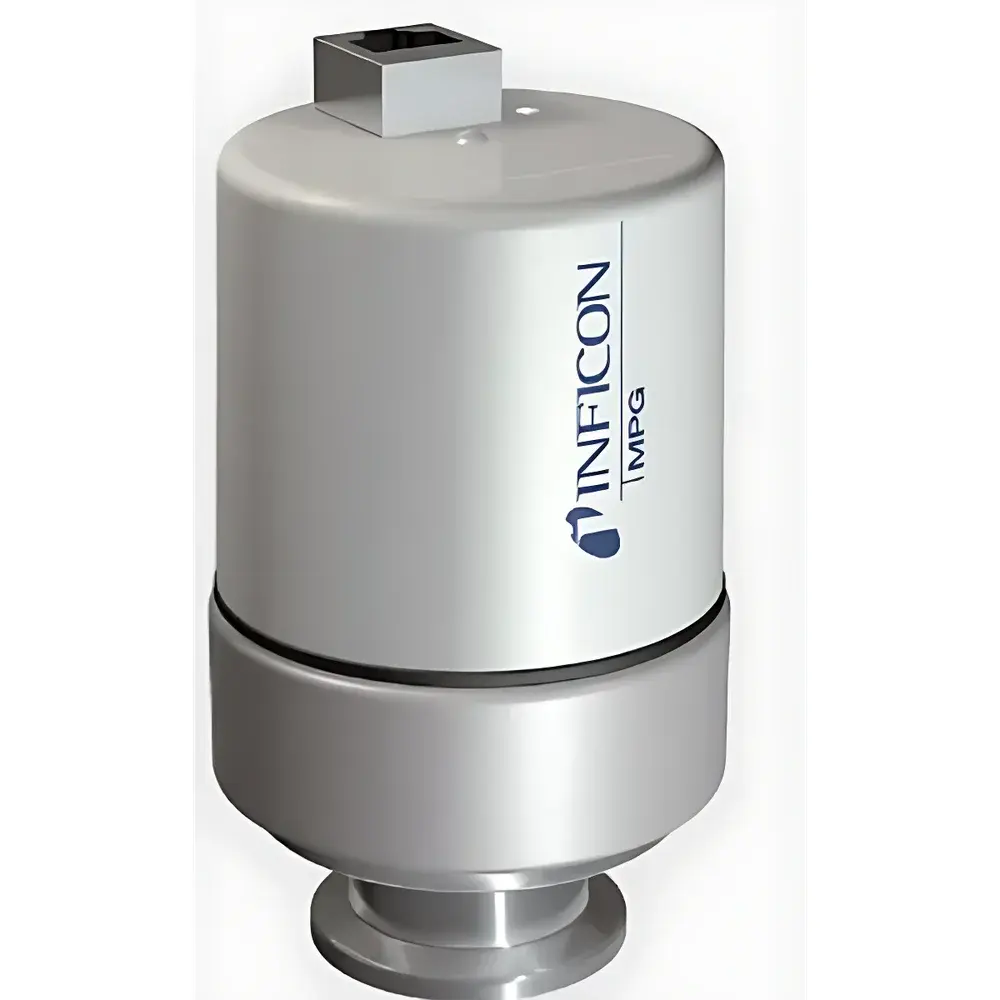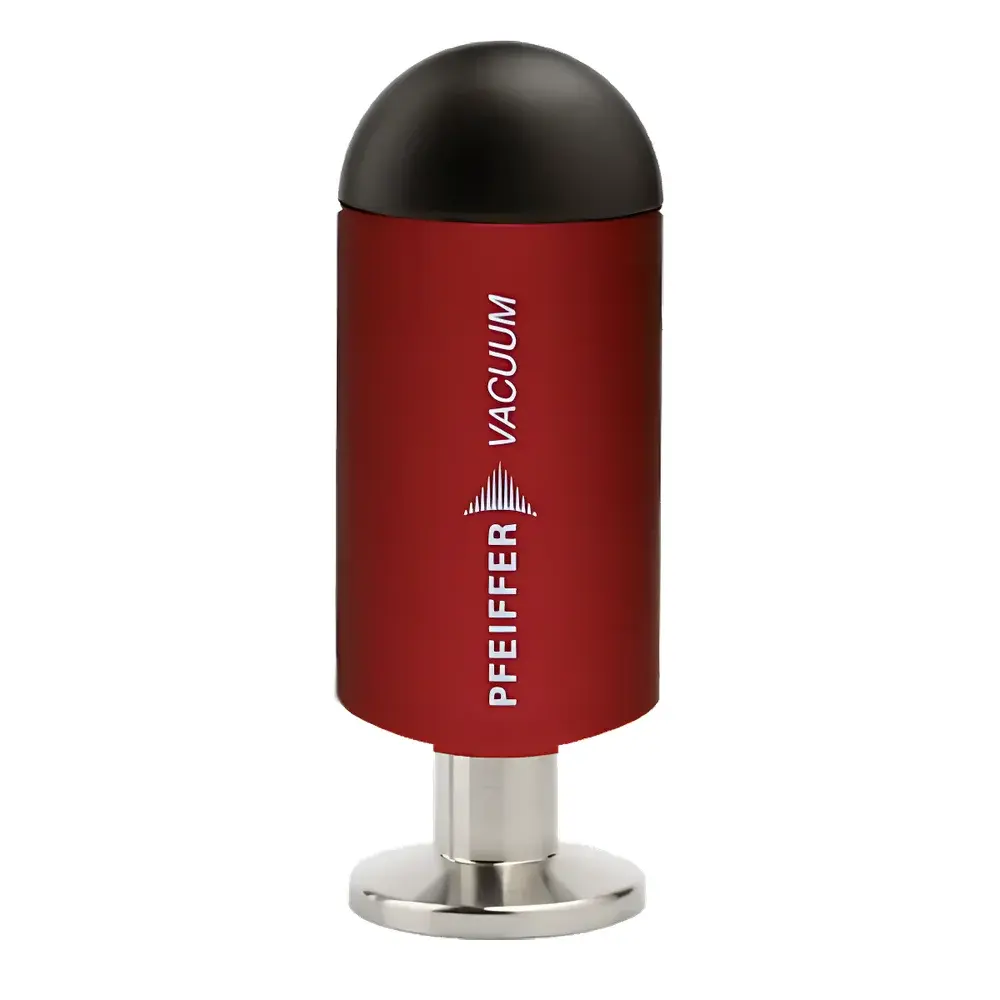
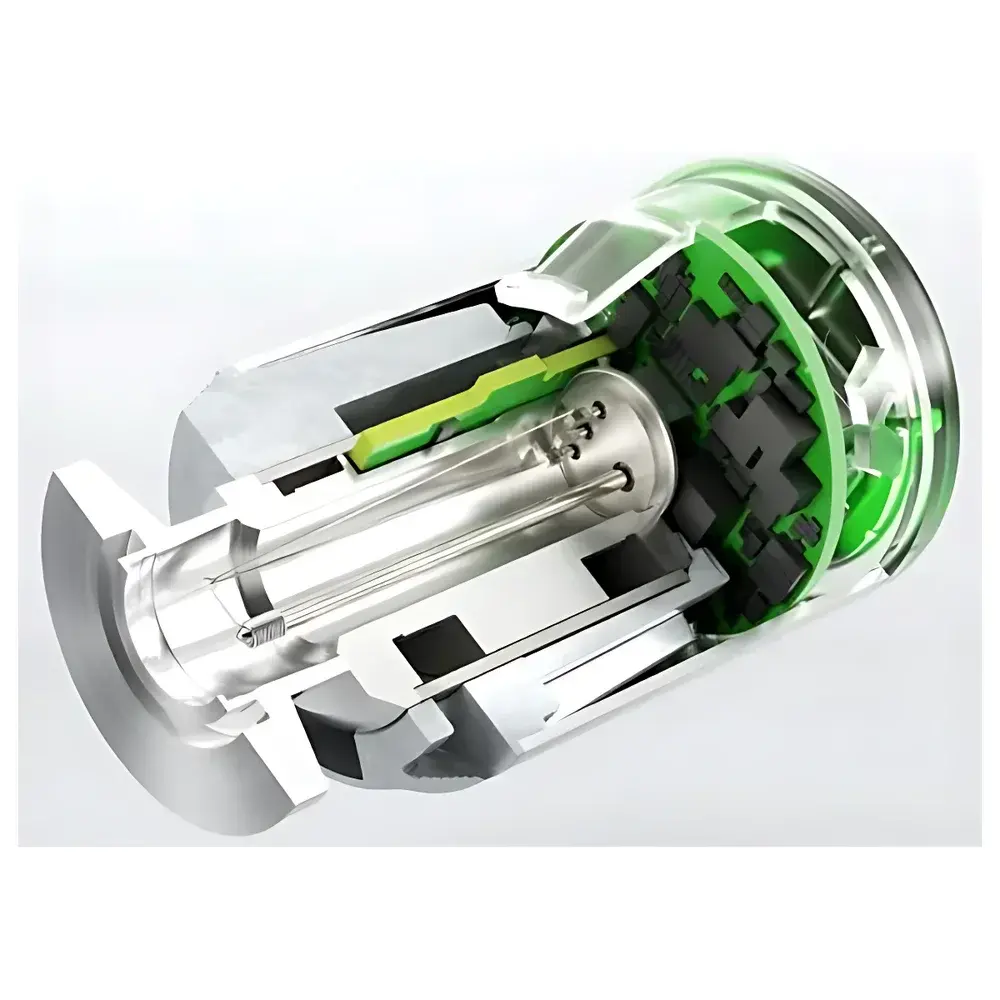
Leybold TTR 91 RN Pirani Vacuum Gauge
| Brand | Leybold |
|---|---|
| Origin | Germany |
| Model | TTR 91 RN |
| Measurement Principle | Pirani (thermocouple-based thermal conductivity) |
| Range | 1 × 10³ to 5 × 10⁻⁴ mbar |
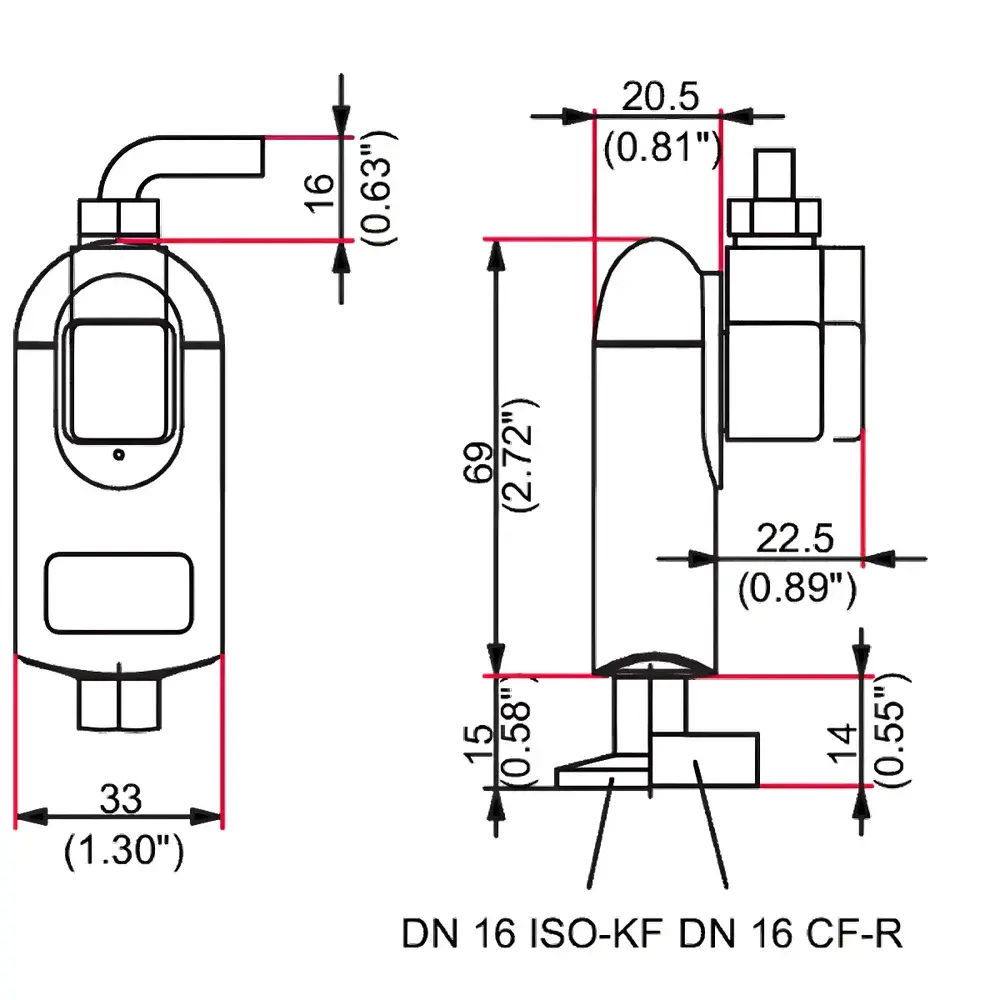
| Vacuum Port | KF 16 (DN 16) |
| Accuracy | ±50% (100–10 mbar), ±15% (10–1×10⁻³ mbar), ±50% (1×10⁻³–5×10⁻⁴ mbar) |
| Repeatability | ±2% (100–1×10⁻³ mbar) |
| Power Supply | 15–48 V DC |
| Analog Output | 0–10 V |
| Digital Interface | RS232 or RS485 |
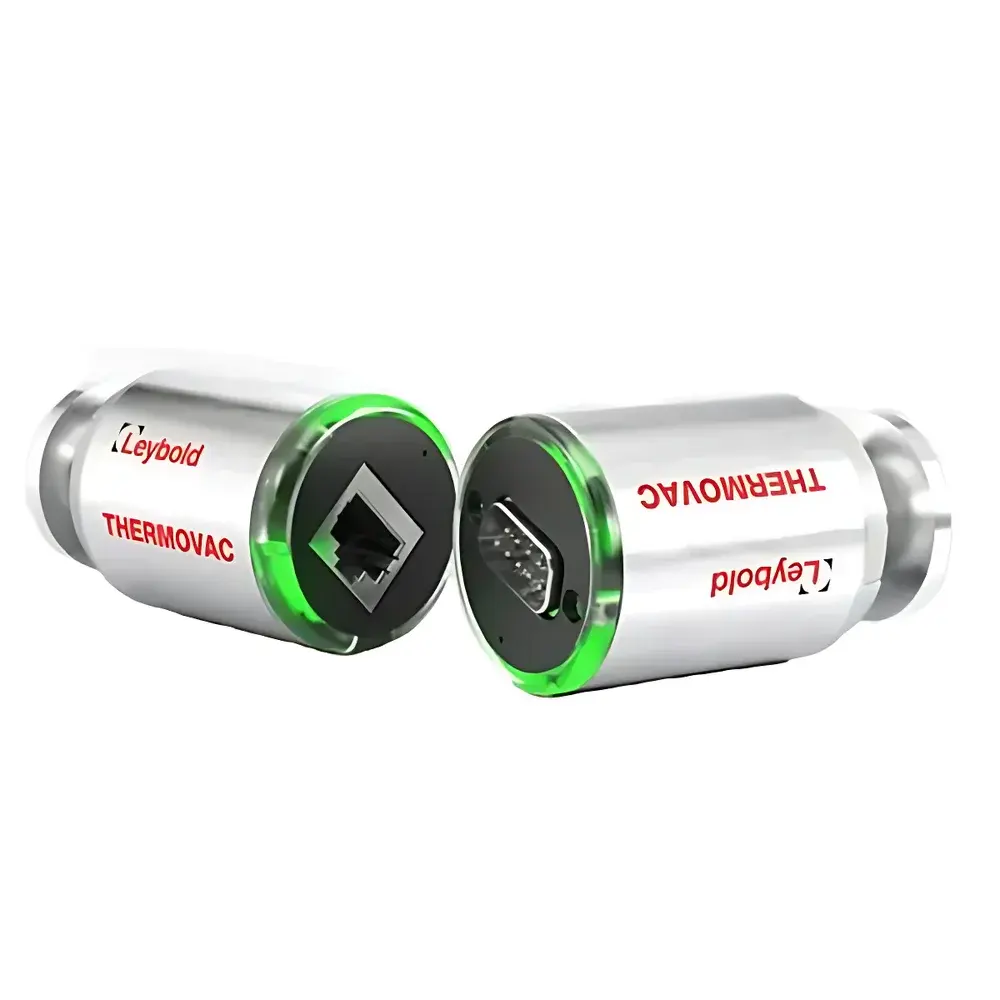
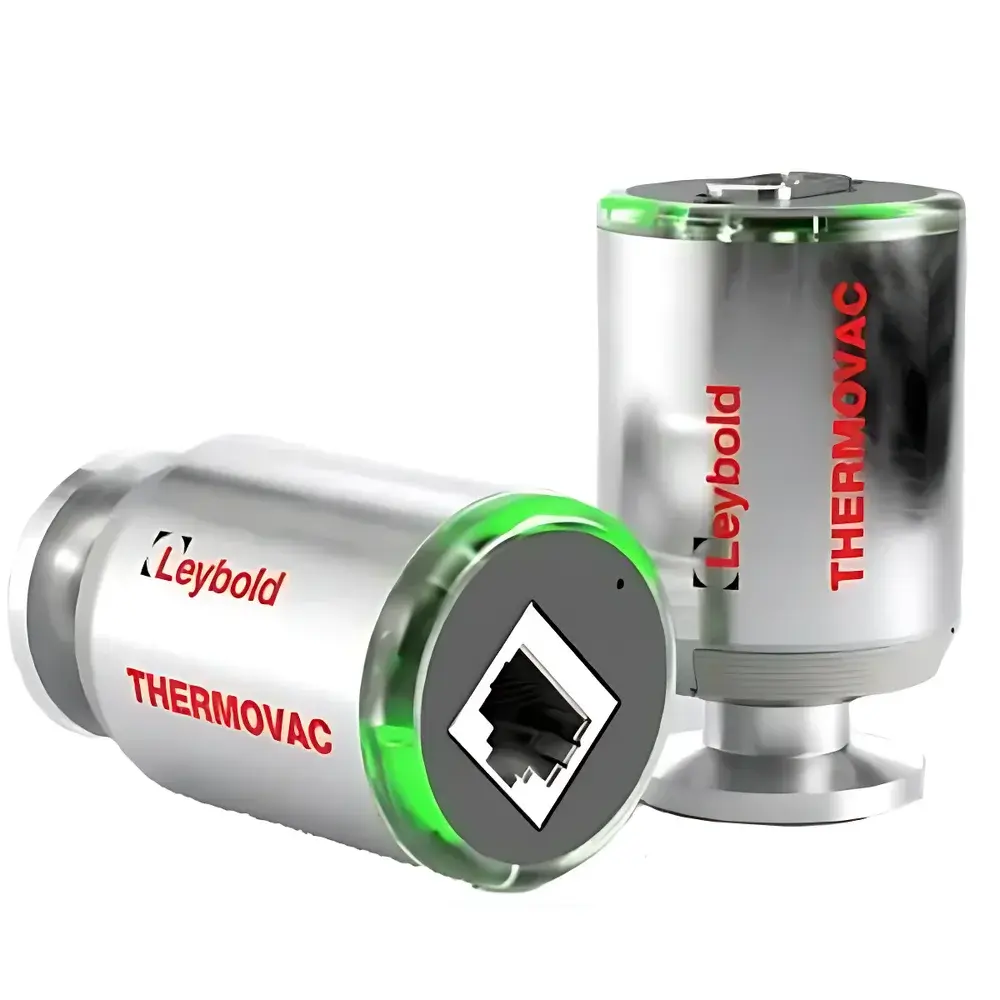
| Electrical Connector | RJ45 or 9-pin D-sub |
| Integrated Particle Filter | Yes |
| Filament Options | Tungsten (standard), Platinum (harsh environments) |
| Operating Temperature | 5–60 °C |
| Max Bakeout Temp (electronics removed) | 150 °C |
| IP Rating | IP40 |
| Certifications | CE, UKCA |
Overview
The Leybold TTR 91 RN is a robust, industrial-grade Pirani vacuum gauge engineered for reliable pressure measurement in the rough and medium vacuum range (1 × 10³ to 5 × 10⁻⁴ mbar). Based on thermal conductivity principles, it measures pressure by detecting changes in heat loss from a heated filament—typically tungsten or platinum—immersed in the gas environment. Unlike capacitive or cold cathode gauges, the TTR 91 RN operates without high-voltage components or moving parts, making it inherently stable, low-maintenance, and suitable for continuous duty in demanding production and R&D settings. Its design integrates decades of Leybold vacuum expertise with modern manufacturing rigor, including in-house electronics development at Leybold’s UK facility and full traceability under ISO-compliant quality systems. The gauge is calibrated per standard vacuum metrology practices and supports traceable verification against national standards, aligning with GLP and GMP-aligned laboratory workflows where instrument qualification and audit readiness are essential.
Key Features
- Integrated particle filter: A sintered metal filter mounted directly upstream of the sensor head prevents ingress of dust, oil mist, and process particulates—critical for long-term stability in coating, furnace, and battery manufacturing environments.
- Dual-filament technology: Standard tungsten filament for general-purpose use; optional platinum filament for chemically aggressive or high-temperature applications (e.g., plasma etch residuals, reactive gas processes).
- Tool-free maintenance: Modular construction allows rapid replacement of the sensor module or electronics unit without disassembly tools—minimizing downtime during preventive maintenance or field recalibration.
- Wide input voltage range (15–48 V DC): Eliminates need for dedicated power supplies; compatible with common industrial control bus voltages and simplifies integration into existing PLC or SCADA architectures.
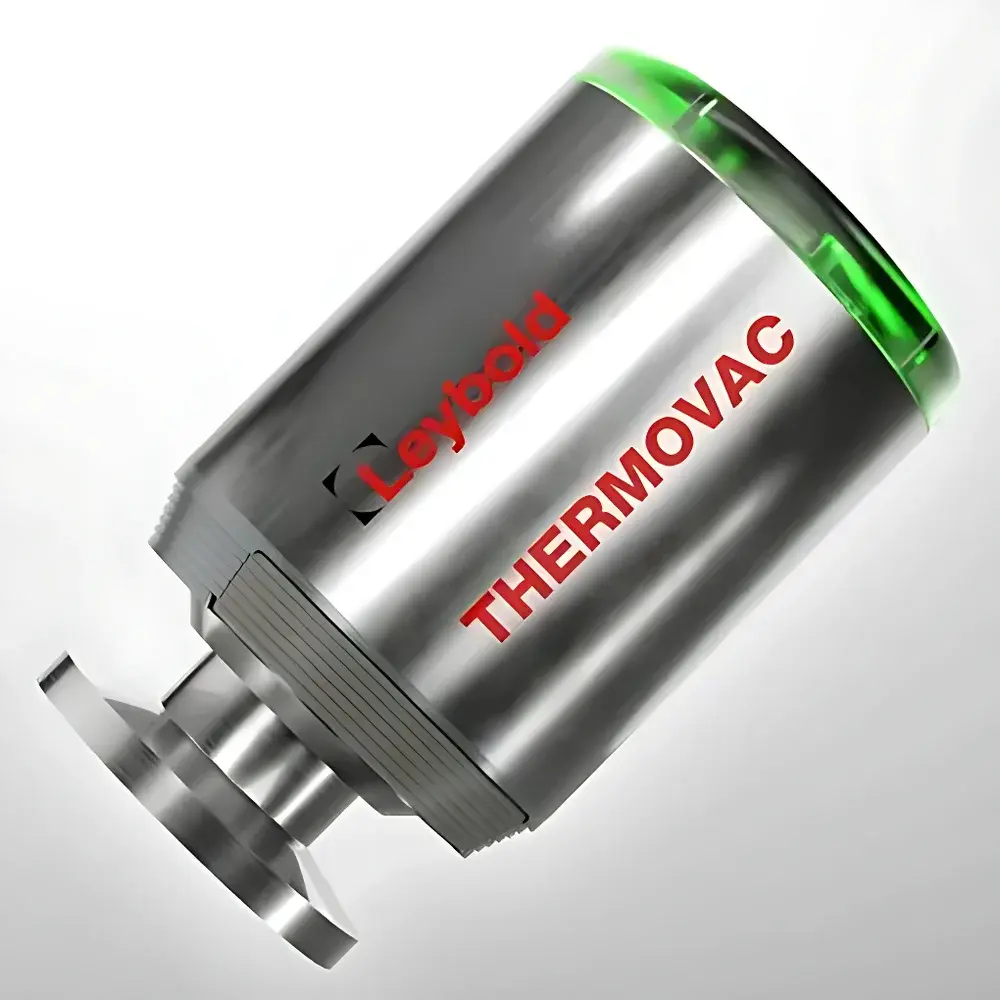
- 360° LED pressure ring indicator: Provides intuitive visual feedback—not only operational status but also dynamic pressure trends via pulse frequency modulation, enabling quick diagnostics without external readout devices.
- Flexible interface options: Factory-configurable analog (0–10 V) or digital (RS232/RS485) output; electrical connection via industry-standard RJ45 (FCC68) or 9-pin D-sub—both rated for EMI-resistant operation in electrically noisy factory floors.
Sample Compatibility & Compliance
The TTR 91 RN is constructed using vacuum-compatible materials certified for ultra-high purity service: 316L and 304L stainless steel housing, borosilicate glass sensor enclosure, nickel and NiFe alloy leads, and tungsten/rhenium filament assembly. All wetted surfaces comply with ASTM F519 and ISO 10110-7 cleanliness requirements for vacuum system components. The gauge meets CE and UKCA directives for electromagnetic compatibility (EN 61326-1), safety (EN 61010-1), and RoHS compliance. It supports 21 CFR Part 11–ready data logging when paired with Leybold GRAPHIX or IM540 controllers, enabling electronic signature, audit trail, and user access control for regulated pharmaceutical or medical device manufacturing. Calibration certificates include uncertainty budgets traceable to PTB (Physikalisch-Technische Bundesanstalt) standards.
Software & Data Management
When connected to Leybold’s DIGITAL or GRAPHIX controller platforms, the TTR 91 RN enables real-time pressure trending, multi-point setpoint control (up to two programmable relays), and automated log export in CSV or XML formats. Firmware updates are performed via USB or serial interface without hardware modification. The RS485 variant supports Modbus RTU protocol, allowing seamless integration into Siemens S7, Rockwell Logix, or Beckhoff TwinCAT environments. All configuration parameters—including zero offset, span adjustment, and relay hysteresis—are stored in non-volatile memory and survive power cycling. Data integrity is preserved through cyclic redundancy checking (CRC-16) on all serial transmissions, ensuring fidelity in long-cable installations (up to 100 m).
Applications
- Industrial vacuum processing: Monitoring chamber pressure during PVD/CVD coating, heat treatment furnaces, and vacuum impregnation—where particulate-laden atmospheres would compromise conventional Pirani sensors.
- Energy sector: Battery cell dry room monitoring, transformer oil degassing, and EV component leak testing—requiring stable, drift-free readings across variable gas compositions (N₂, Ar, H₂O vapor).
- Research & development: Integration into custom UHV-compatible feedthroughs (with optional ceramic insulators), synchrotron beamline instrumentation, and academic vacuum teaching labs.
- Analytical instrumentation: OEM integration into mass spectrometers, residual gas analyzers (RGAs), and helium leak detectors—leveraging compact KF 16 flange footprint and low thermal mass design.
FAQ
What gases can the TTR 91 RN accurately measure?
The gauge is calibrated for N₂ and air. For other gases (e.g., He, H₂, CO₂), correction factors must be applied based on thermal conductivity deviation from nitrogen—reference tables are provided in the technical manual per ISO 20483.
Can the TTR 91 RN be baked out in situ?
No—the electronics module must be removed prior to bakeout. With electronics detached, the sensor head withstands up to 150 °C under vacuum, complying with common UHV system conditioning protocols.
Is the analog output linear across the full range?
The 0–10 V output is logarithmically scaled to reflect the exponential nature of Pirani response; linearization is handled internally and conforms to DIN 28402-3 standard output mapping.
Does it support HART or Profibus communication?
No—only analog (0–10 V), RS232, and RS485 (Modbus RTU) are supported. HART or Profibus require external signal converters compliant with IEC 61784.
How often does it require recalibration?
Under normal operating conditions, annual calibration is recommended. In harsh environments (e.g., frequent exposure to condensables or reactive species), semi-annual verification against a reference capacitance manometer is advised per ISO/IEC 17025 guidelines.