
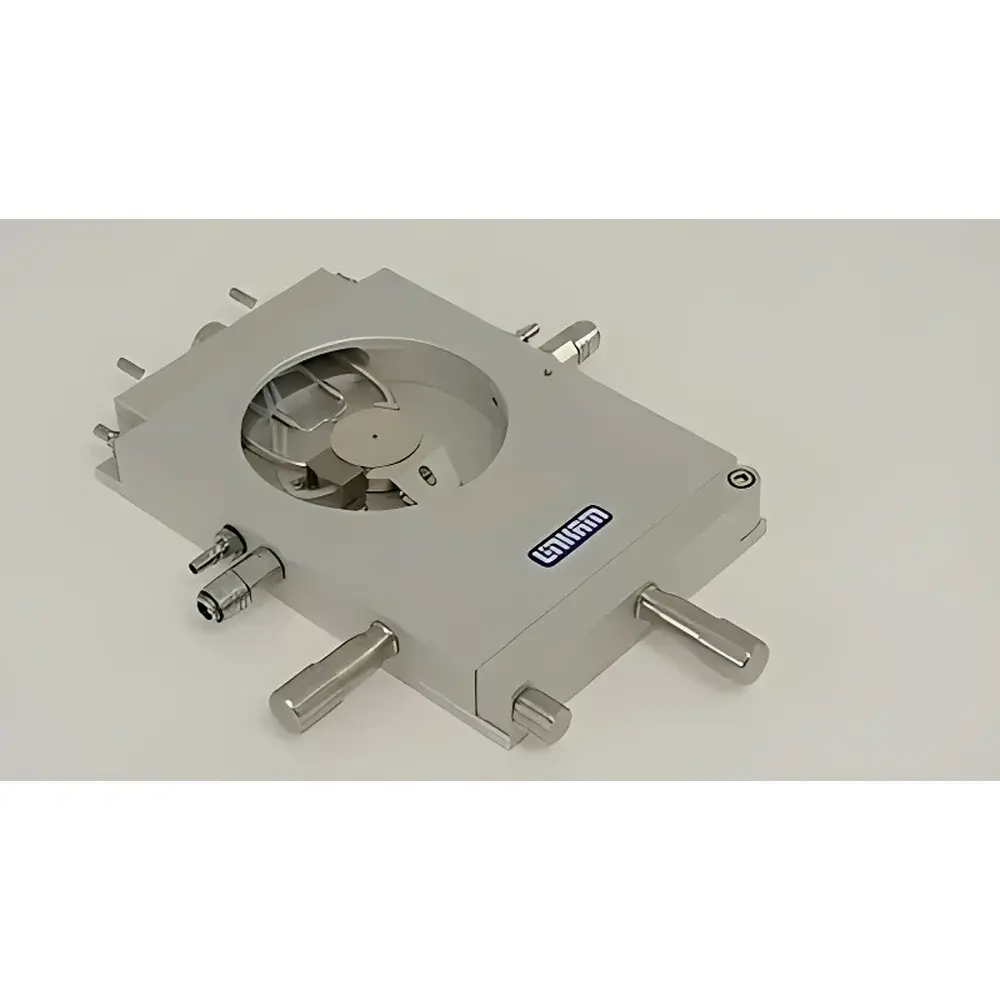
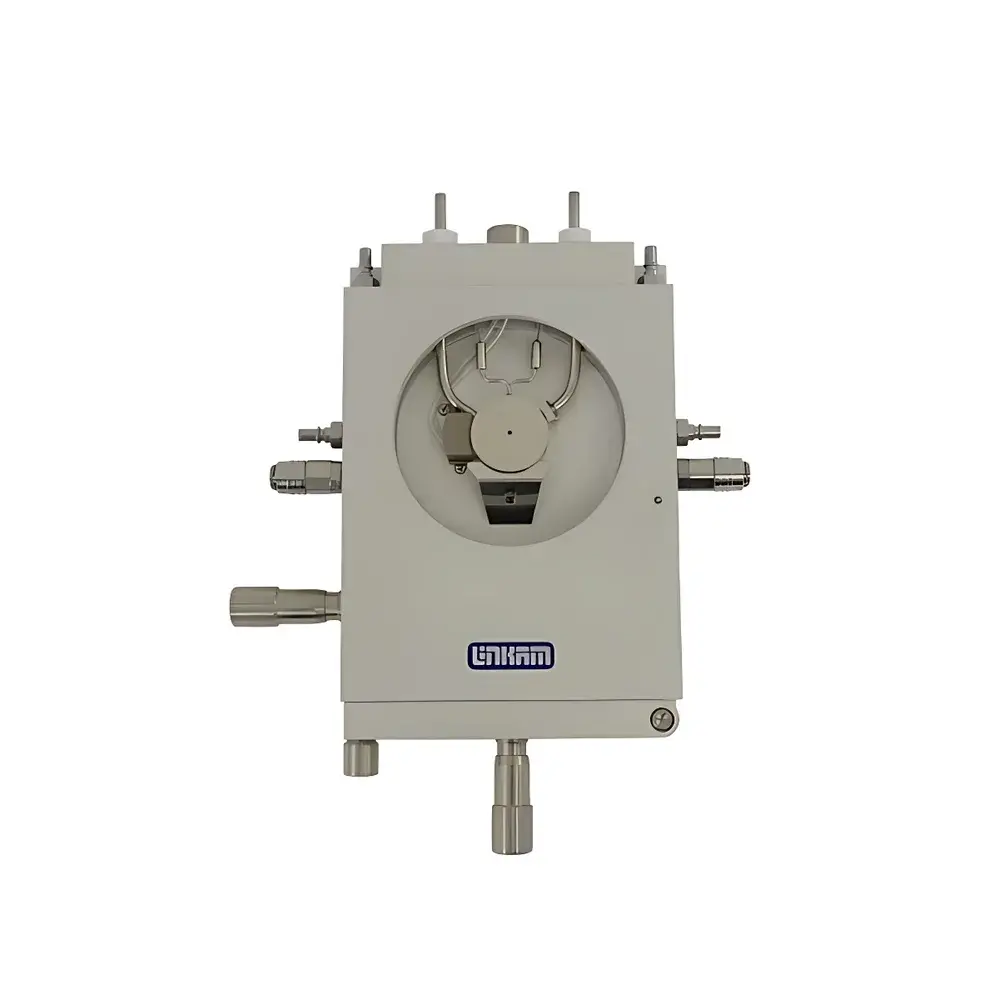
Linkam BCS196 Cryogenic Biological Stage
| Brand | Linkam |
|---|---|
| Origin | United Kingdom |
| Model | BCS196 |
| Temperature Range | –196 °C to +125 °C |
| Temperature Stability & Accuracy | ±0.01 °C |
| Optical Aperture Diameter | 1.3 mm |
| Sample X–Y Travel | 16 mm |
| Active Sample Area | 22 mm |
| Quenching Rate | Up to 5000 °C/min |
| Heating/Cooling Rate | 0.01–150 °C/min |
| Window Thickness | 0.17 mm |
| Minimum Objective/Condenser Working Distance | 4.5 mm / 12.7 mm |
| Dimensions | 135 × 92 × 22.1 mm |
Overview
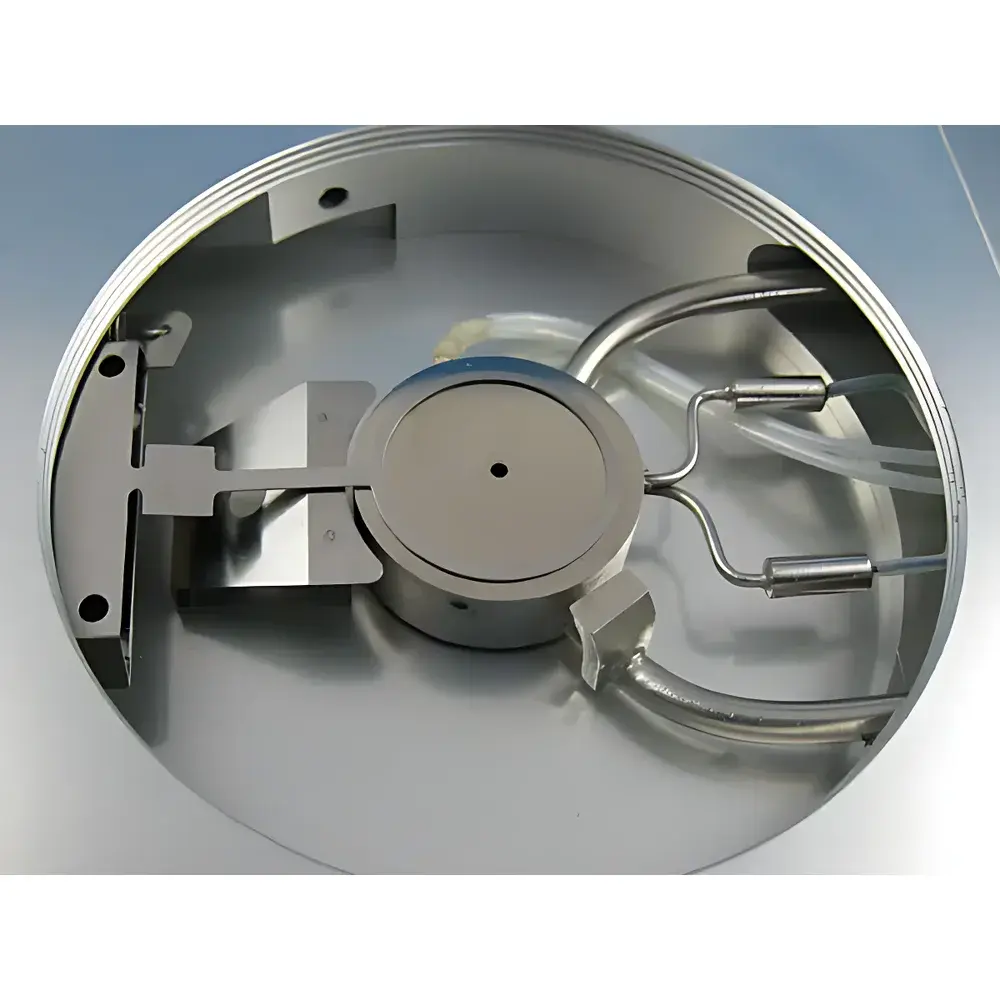
The Linkam BCS196 Cryogenic Biological Stage is a precision-engineered optical platform designed for in situ low-temperature microscopy of biological specimens under controlled thermal conditions. It operates on the principle of cryogenic quenching via rapid conductive heat transfer between a pre-cooled silver stage (cooled by regulated liquid nitrogen flow) and a thermally isolated copper “warm post” mounted within the same mechanical assembly. Temperature regulation is achieved through a closed-loop feedback system using A-class Pt100 platinum resistance sensors, delivering real-time monitoring with <0.01 s response time and long-term stability of ±0.01 °C across its full operating range (–196 °C to +125 °C). The stage’s mechanical architecture—featuring ultra-low-expansion Invar alloy sample holders and a dynamically balanced silver cooling block—minimizes axial displacement (<100 nm) during thermal transients, thereby preserving optical focus integrity critical for confocal, super-resolution, and high-magnification transmitted-light imaging.
Key Features
- Automated liquid nitrogen delivery via integrated LN2 pump with proportional temperature controller for precise ramping and hold profiles
- Optimized silver stage geometry to suppress nitrogen boil-off turbulence and reduce vertical drift during phase transitions
- Invar-based sample holder ensuring negligible lateral thermal expansion (α < 1.2 × 10⁻⁶ K−1) over the full temperature range
- Dual-path cryo-quench mechanism: manual or software-triggered translation of sample from warm post to pre-cooled stage at velocities adjustable from 5 to 5000 µm/s
- Hermetically sealed sample chamber compatible with N2, Ar, or other inert gas purging to eliminate condensation and ice formation on optics
- Ultra-thin 0.17 mm fused silica optical window optimized for UV–VIS–NIR transmission and minimal spherical aberration
- Compact footprint (135 × 92 × 22.1 mm) enabling compatibility with standard inverted and upright microscope frames
- Minimum objective working distance of 4.5 mm and condenser clearance of 12.7 mm supports high-NA water- and oil-immersion objectives
Sample Compatibility & Compliance
The BCS196 accommodates standard 22 mm diameter circular coverslips (No. 1.5H), microfluidic chips, and thin-sectioned tissue slices mounted on glass slides. Its gasketed chamber design permits integration with humidity-controlled or CO2-equilibrated environments when used with external gas manifolds. All materials contacting the sample path conform to ISO 10993-5 biocompatibility standards. The stage meets electromagnetic compatibility requirements per EN 61326-1 and is certified to IEC 61010-1 for laboratory use. While not inherently FDA 21 CFR Part 11 compliant, its optional TMS94 software package supports audit-trail logging, user access control, and electronic signature workflows suitable for GLP/GMP-aligned research protocols.
Software & Data Management
Control and synchronization are managed via Linkam’s TMS94 platform, which provides real-time temperature profiling, multi-segment ramp/soak programming, and synchronized stage positioning commands. The software features split-view visualization: one panel displays live camera feed overlaid with crosshairs indicating current sample position relative to the 1.3 mm optical aperture; the second panel shows temperature vs. time traces with derivative analysis for nucleation onset detection. Export formats include CSV, HDF5, and TIFF stacks with embedded metadata (timestamp, setpoint, actual temperature, XY coordinates). Integration with third-party acquisition software (e.g., Micro-Manager, MetaMorph, NIS-Elements) is supported via TCP/IP and LabVIEW-compatible DLLs.
Applications
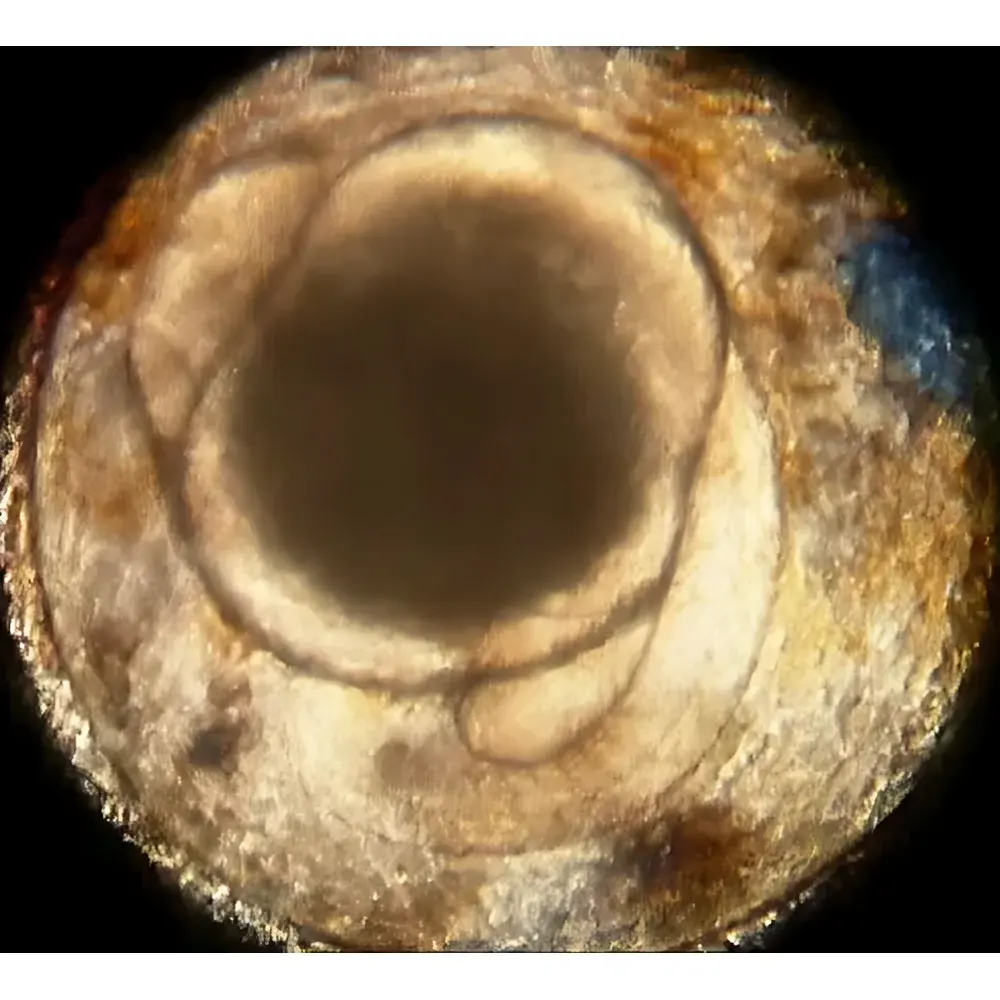
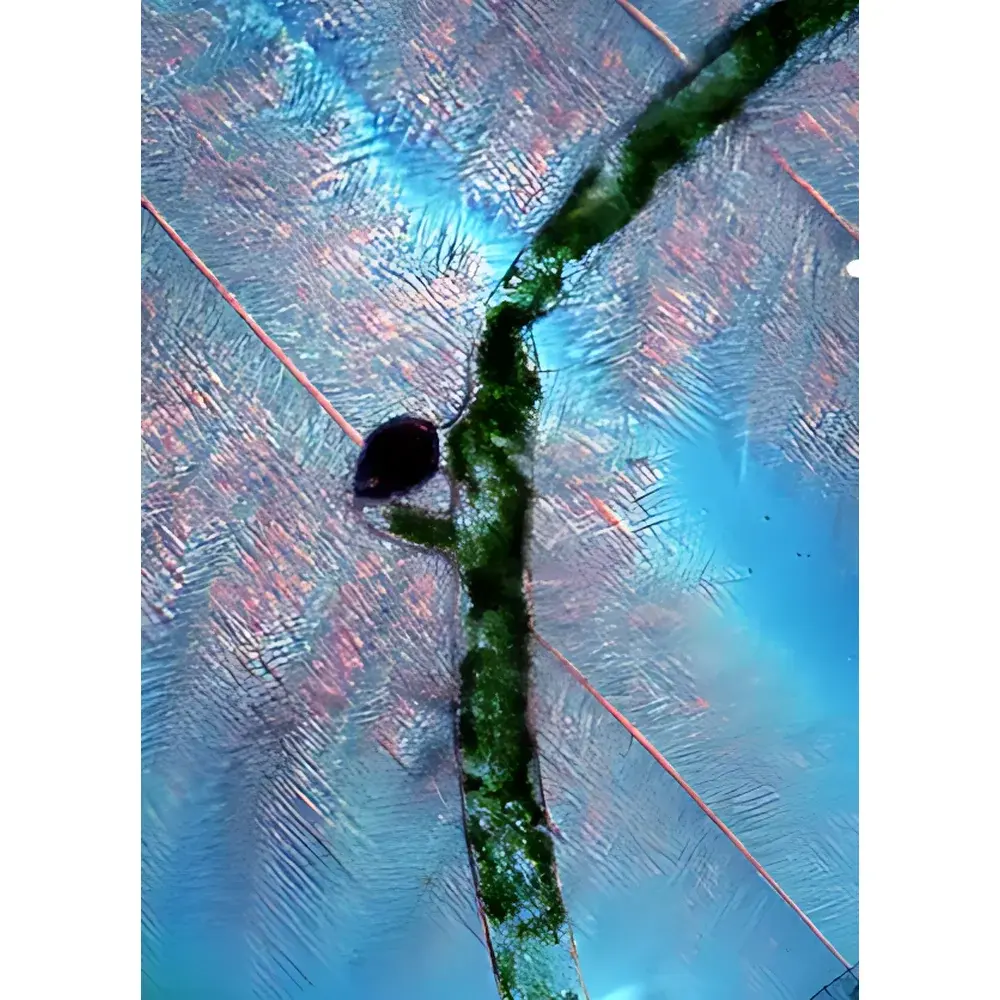
- In situ observation of ice nucleation, recrystallization, and vitrification kinetics in hydrated biomolecules and cell suspensions
- Time-resolved cryo-fluorescence imaging of protein conformational dynamics during freezing-induced phase separation
- Correlative light-electron microscopy (CLEM) sample preparation with controlled ice crystal morphology
- Thermal stress testing of lipid bilayers, hydrogels, and extracellular matrix mimetics
- Calibration of differential scanning calorimetry (DSC) and cryo-TEM sample preparation protocols
- Development of cryoprotectant formulations under physiologically relevant cooling rates (10–5000 °C/min)
FAQ
What is the maximum achievable cooling rate during quenching?
Up to 5000 °C/min, dependent on sample thickness, thermal interface quality, and initial temperature difference between warm post and cold stage.
Can the BCS196 be used with upright microscopes?
Yes—its low profile (22.1 mm height) and bottom-access optical path support both upright and inverted configurations, provided minimum working distances are respected.
Is vacuum operation supported?
No—the chamber is rated for positive-pressure inert gas purge only; it is not designed for vacuum or negative-pressure environments.
How is temperature uniformity verified across the 22 mm sample area?
Linkam certifies spatial uniformity to ±0.05 °C at steady state (–100 °C to +80 °C) using calibrated micro-thermocouples mapped across the active zone per ASTM E220-19 Annex A2 procedures.
Does the system support automated image-triggered quenching?
Yes—TMS94 allows event-based triggering: an external TTL signal from a camera or photodetector can initiate stage translation with <10 ms latency.




