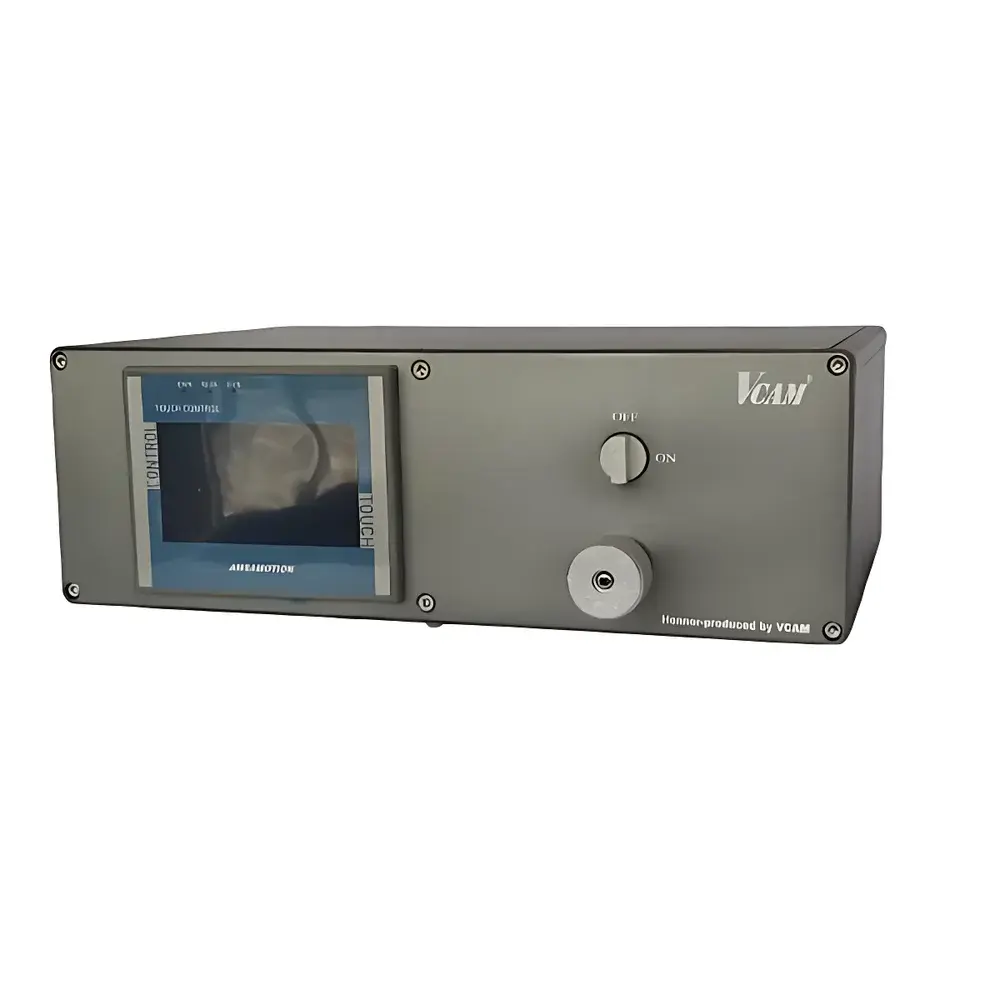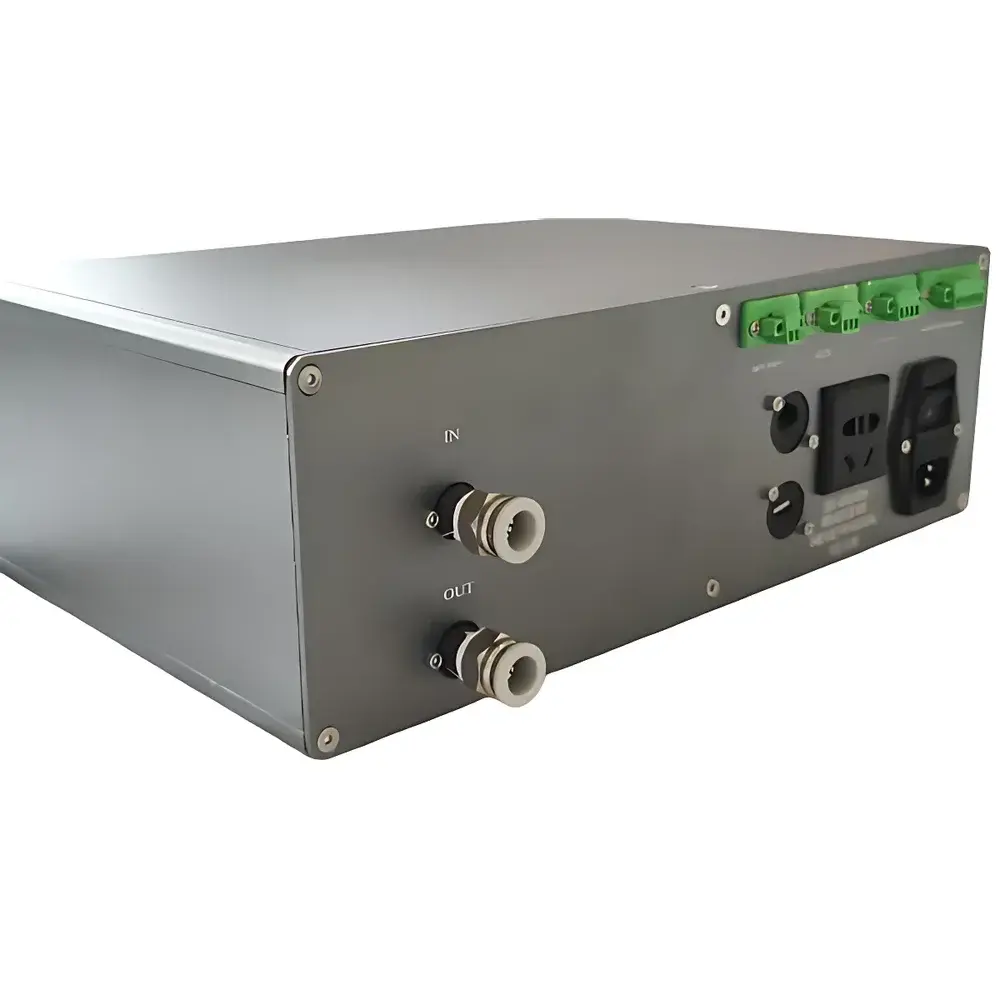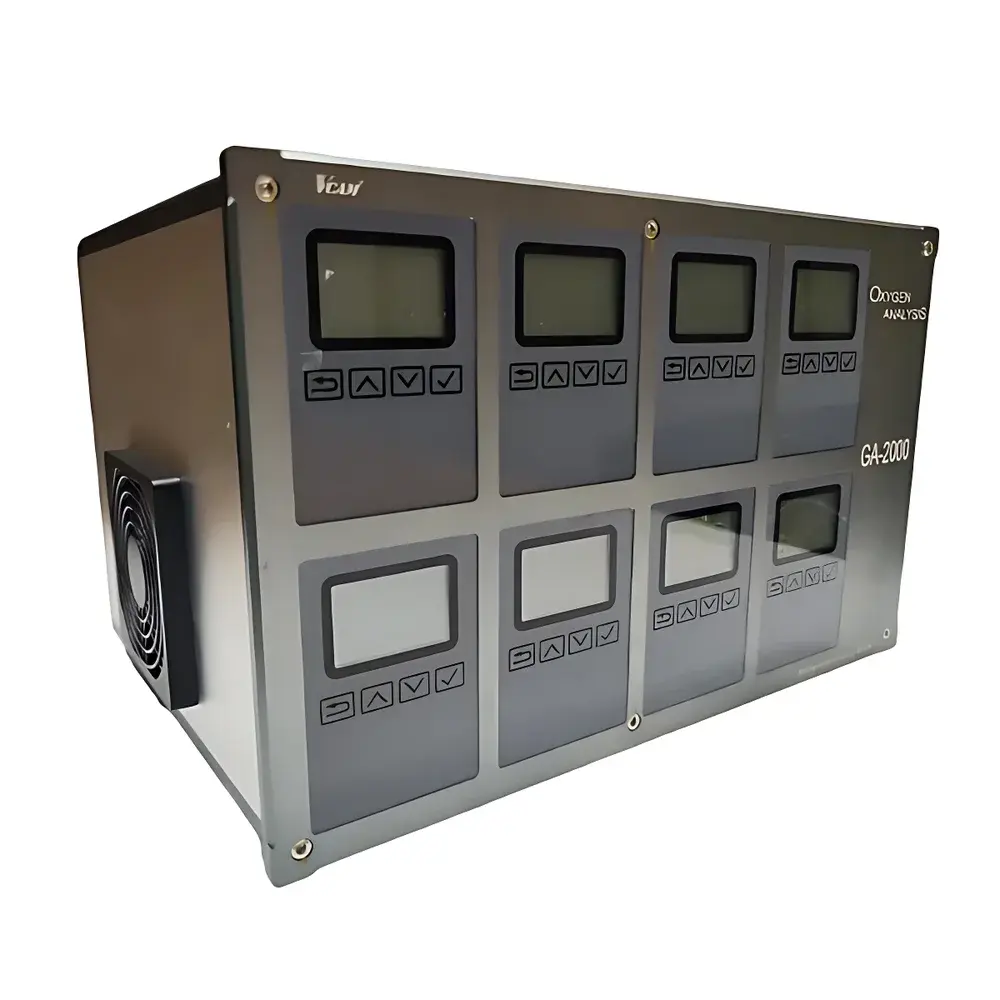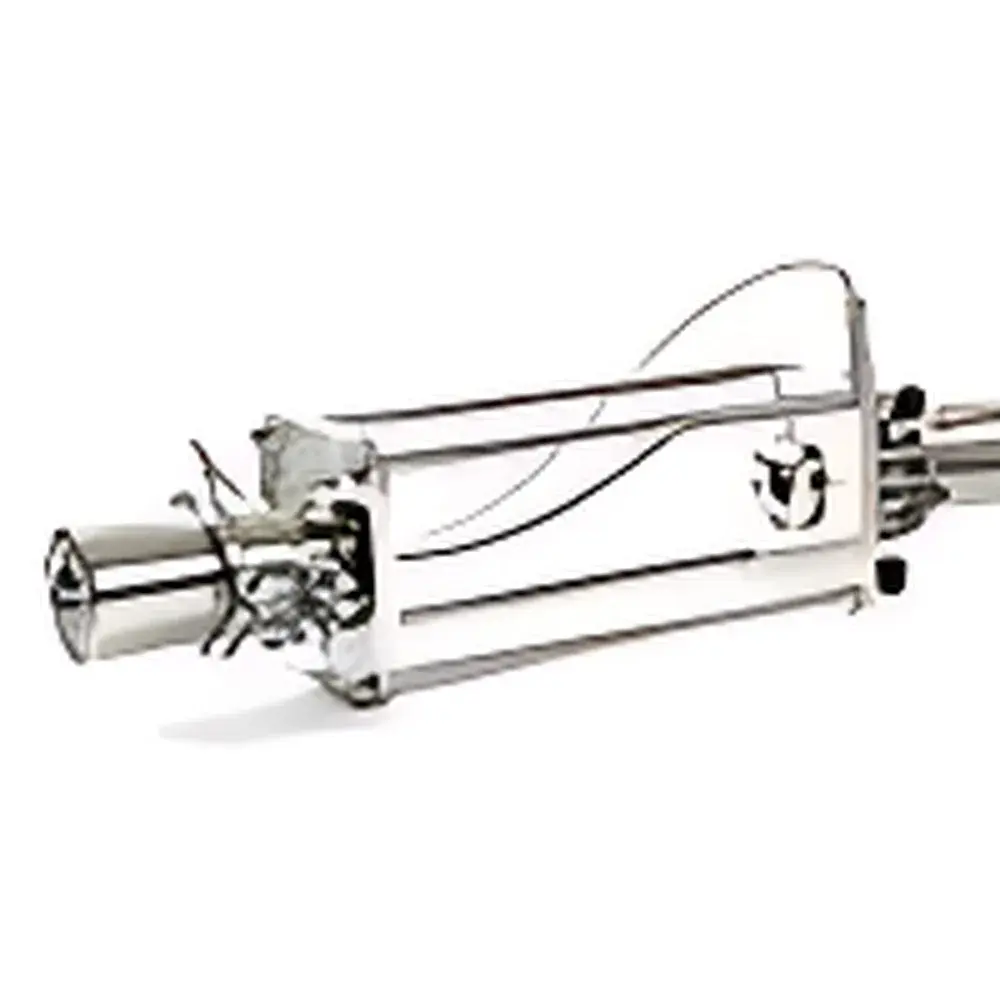
Malvern PANalytical Insitec Online Particle Size Analyzer
| Brand | Malvern PANalytical |
|---|---|
| Origin | United Kingdom |
| Manufacturer Type | Original Equipment Manufacturer (OEM) |
| Product Origin | Imported |
| Model | Insitec |
| Pricing | Available upon Request |
Overview
The Malvern PANalytical Insitec Online Particle Size Analyzer is an industrial-grade, real-time particle sizing system engineered for continuous in-process measurement using laser diffraction technology. Designed to operate directly within active production streams—without sample extraction or dilution—the Insitec platform delivers statistically robust, high-frequency particle size distribution (PSD) data under demanding process conditions. Its optical architecture adheres to ISO 13320:2020 principles for laser diffraction particle sizing, ensuring traceable and repeatable measurements across the full dynamic range of 0.1 µm to 2500 µm. Unlike laboratory-based instruments requiring offline sampling, the Insitec integrates seamlessly into process control loops, enabling closed-loop feedback for grinding, classification, spray drying, atomization, granulation, and filtration operations. Its ruggedized optomechanical design—compliant with IP65/NEMA 4X enclosure ratings—supports deployment in hazardous areas (ATEX/IECEx Zone 21/22 for dry variants; Zone 1/2 for wet variants), high-temperature environments, and corrosive or abrasive process media.
Key Features
- Laser diffraction measurement principle compliant with ISO 13320:2020 and ASTM E2981–22 standards
- Real-time, continuous monitoring at user-configurable intervals (down to 1-second measurement cycles)
- Three modular configurations: Insitec Dry (for pneumatic conveying, milling, and powder handling), Insitec Wet (for slurries, emulsions, and suspensions), and Insitec Spray (for atomized droplets, aerosols, and mist streams)
- Robust optical path design with automatic alignment compensation and self-diagnostic optics health monitoring
- Process interface options include flanged, clamp-mounted, or immersion-style probes; compatible with ANSI, DIN, and JIS piping standards
- Integrated temperature and pressure sensors (optional) for environmental parameter correlation during PSD analysis
- Explosion-proof certification available for Class I Div 1/2 and Class II/III Div 1/2 hazardous locations
Sample Compatibility & Compliance
The Insitec platform accommodates a broad spectrum of industrial materials without compromising measurement integrity. Dry-mode operation supports free-flowing powders, cohesive agglomerates, and electrostatically charged toners—common in toner manufacturing, pharmaceutical dry blending, and pigment processing. Wet-mode variants are validated for Newtonian and non-Newtonian suspensions up to 60% w/w solids concentration, including cement slurries, metal oxide dispersions, and polymer latex emulsions. Spray-mode configurations maintain accuracy even at volumetric concentrations exceeding 10⁶ droplets/cm³, making them suitable for nozzle performance validation in inhaler device development and industrial spray coating applications. All configurations comply with GMP-aligned data integrity requirements per FDA 21 CFR Part 11, supporting electronic signatures, audit trails, and role-based access control when integrated with optional software modules.
Software & Data Management
Insitec systems ship with Malvern PANalytical’s proprietary Insitec Control Software—a Windows-based application certified for use in regulated environments. The software provides real-time visualization of D10, D50, D90, span, and full PSD histograms; supports automated alarm thresholds and trend-based deviation detection; and exports time-stamped datasets in CSV, XML, and OPC UA formats for integration with DCS, MES, and SCADA platforms. Optional Insitec Connect enables secure cloud-based remote diagnostics, firmware updates, and multi-site fleet monitoring. Data archiving meets GLP/GMP documentation standards, with configurable retention policies, immutable audit logs, and full traceability from raw intensity data to final report generation.
Applications
- Pharmaceutical: Real-time monitoring of micronization endpoints in jet mills, wet granulation consistency, and inhaler spray plume characterization
- Cement & Minerals: Closed-loop control of ball mill discharge fineness and classifier cut-point optimization
- Coatings & Pigments: In-line verification of dispersion stability and particle breakage during bead milling
- Food & Dairy: Emulsion droplet size tracking in homogenization processes and spray-dried milk powder consistency assurance
- Advanced Materials: Process validation for battery cathode slurry homogeneity and metal additive manufacturing feedstock quality control
- Chemicals: Catalyst particle attrition monitoring in fluidized bed reactors and polymer latex coagulation endpoint detection
FAQ
Does the Insitec require periodic calibration with reference standards?
Yes—while factory-calibrated using NIST-traceable polystyrene latex standards, routine verification with process-matched reference materials is recommended per ISO/IEC 17025 guidelines. Malvern PANalytical provides documented calibration protocols and certified reference materials.
Can Insitec be integrated into existing PLC or DCS infrastructure?
Yes—native support for Modbus TCP, Profibus DP, and OPC UA ensures seamless bidirectional communication with major automation platforms including Siemens PCS7, Emerson DeltaV, and Honeywell Experion.
What maintenance intervals are specified for optical components in harsh environments?
The sealed optical module requires no routine cleaning under normal operating conditions. An annual preventive maintenance service—including lens inspection, alignment verification, and purge gas filter replacement—is recommended for installations in high-dust or high-humidity environments.
Is raw scattering intensity data accessible for advanced modeling or third-party algorithm development?
Yes—full 32-channel raw intensity arrays are exportable via API interface, enabling custom PSD inversion routines or machine learning model training on process-specific particle behavior.