
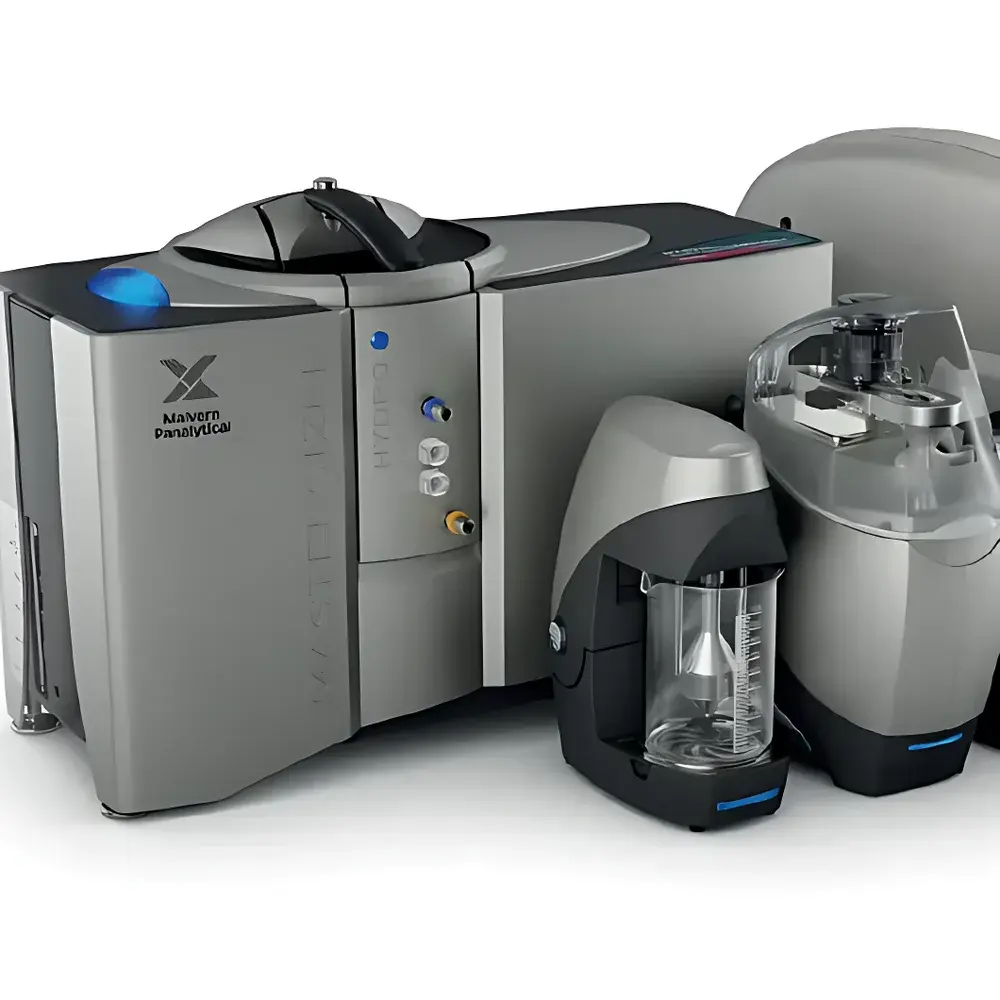
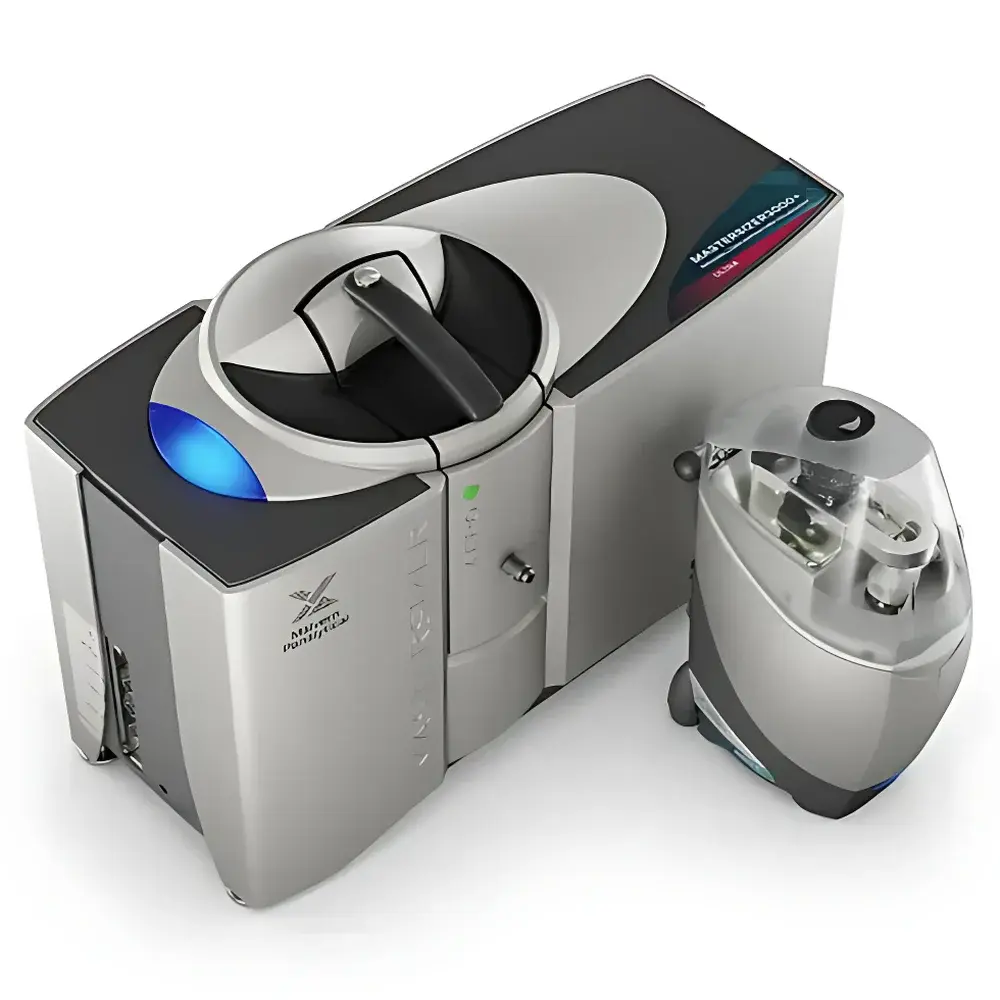
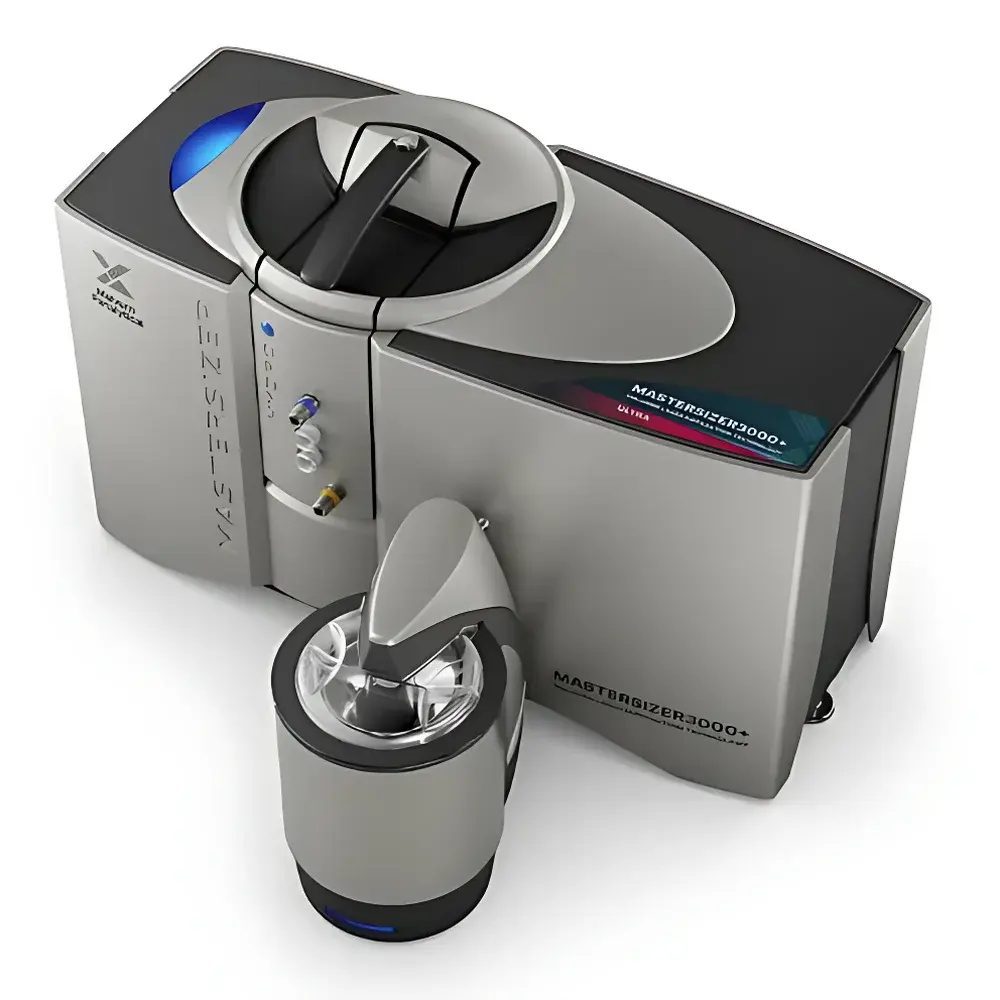
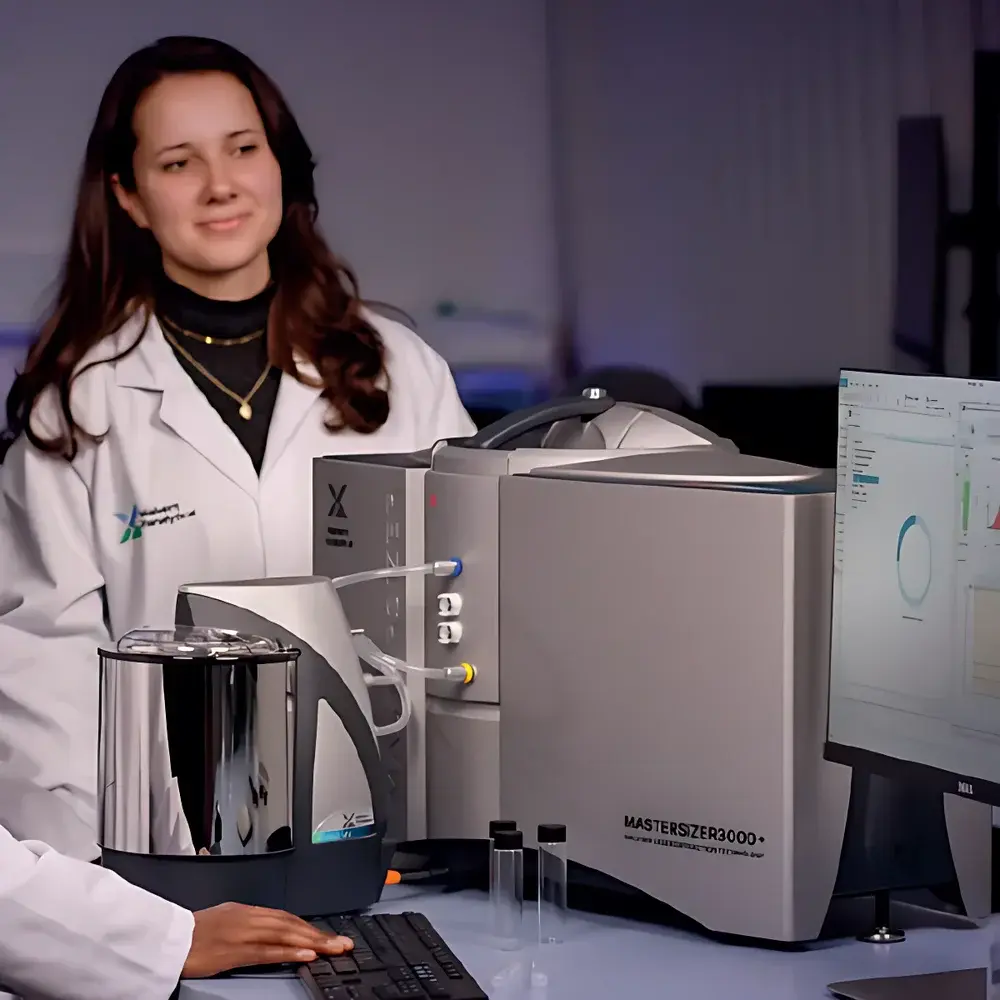
Malvern PANalytical Mastersizer 3000+ Laser Particle Size Analyzer
| Brand | Malvern PANalytical |
|---|---|
| Origin | United Kingdom |
| Manufacturer Type | Original Equipment Manufacturer (OEM) |
| Import Status | Imported |
| Model | Mastersizer 3000+ |
| Dispersion Method | Dry and Wet Dispersion |
| Instrument Type | Laboratory Laser Diffraction Particle Size Analyzer |
| Measurement Range | 0.01–3500 µm |
| Repeatability | <1% RSD |
| Measurement Time | <10 s |
Overview
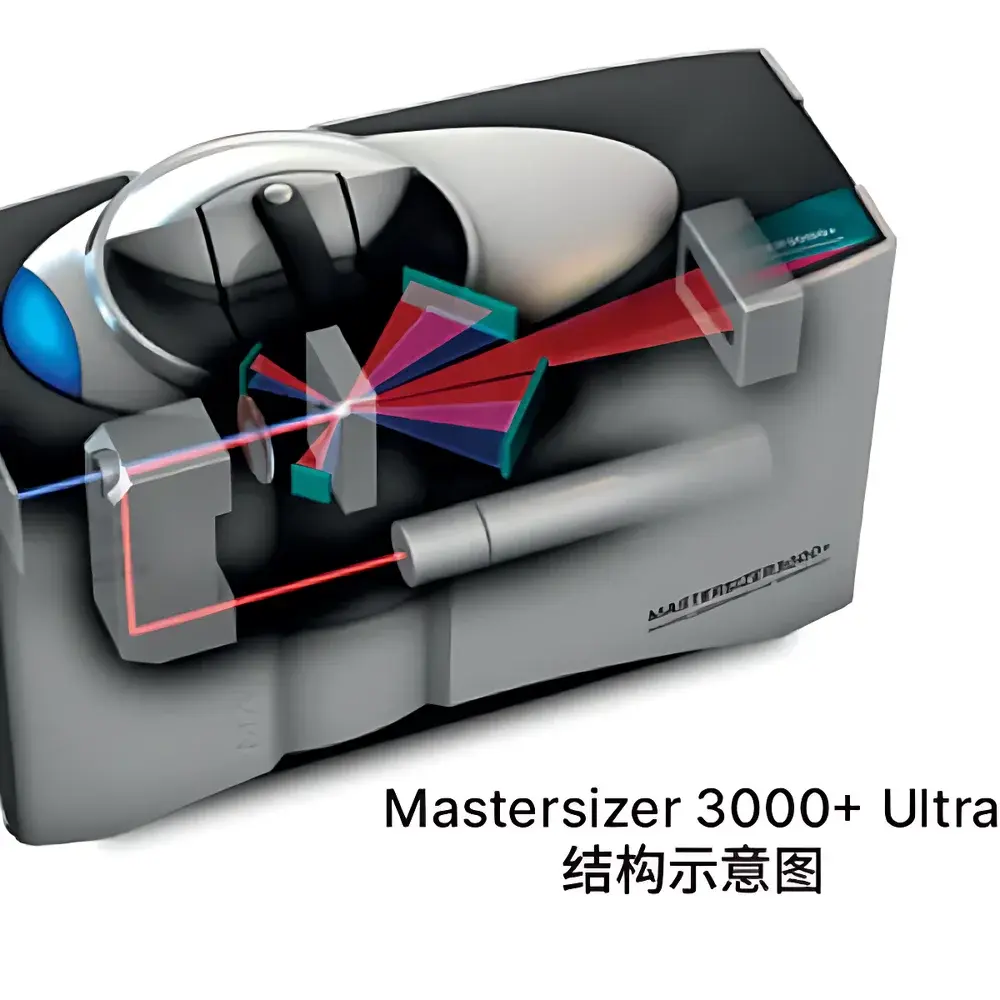
The Malvern PANalytical Mastersizer 3000+ is a high-performance laboratory laser diffraction particle size analyzer engineered for precision, robustness, and regulatory compliance in demanding R&D, QC, and manufacturing environments. Based on the proven optical architecture of the Mastersizer 3000 platform, the + variant integrates advanced algorithmic intelligence and hardware refinements to enhance measurement confidence, method robustness, and operational efficiency. It operates on the principle of Mie and Fraunhofer light scattering theory, enabling accurate quantification of particle size distribution (PSD) across a broad dynamic range—from colloidal nanoparticles (10 nm) to coarse granules (3.5 mm). Its dual-laser system (blue and red) and optimized detector array deliver high-resolution angular scattering data, supporting reliable analysis of both narrow and wide polydisperse samples with excellent reproducibility (<1% RSD under controlled conditions).
Key Features
- Automated optical alignment and sample cell positioning: Ensures consistent beam geometry and detection geometry prior to every measurement, eliminating operator-dependent variability.
- Enclosed, tool-free sample cell design: Enables rapid disassembly and cleaning of the quartz flow cell or static cuvette—critical for minimizing cross-contamination and maintaining long-term optical fidelity.
- Compact footprint (69 cm × 30 cm): Optimized for space-constrained laboratories without compromising optical path stability or thermal management.
- Integrated Data Quality Guidance: Real-time feedback on signal-to-noise ratio, obscuration level, and detector saturation—providing actionable diagnostics during acquisition.
- Size Sure algorithm: Discriminates between genuine sample scattering signatures and artifacts from dust, air bubbles, or agglomerate breakage, improving result interpretability and reducing manual intervention.
- Smart Manager IoT framework: Monitors instrument health metrics (e.g., laser output stability, pump performance, temperature drift), enabling predictive maintenance and usage optimization.
Sample Compatibility & Compliance
The Mastersizer 3000+ supports both wet dispersion (via integrated ultrasonic probe and peristaltic pump) and dry dispersion (using compressed air-assisted venturi nozzle), accommodating powders, suspensions, emulsions, and sprays. Its modular dispersion units comply with ISO 13320:2020 for laser diffraction particle sizing and are validated for use in GLP and GMP-regulated workflows. The OmniTrust software suite provides full audit trail functionality, electronic signature support, and secure user role management—meeting requirements for FDA 21 CFR Part 11, EU Annex 11, and ICH GCP standards. All raw scattering data, metadata, and processing logs are stored in an immutable, time-stamped format.
Software & Data Management
Mastersizer Xplorer software serves as the unified interface for instrument control, method development, and data reporting. It features SOP Architect—a guided workflow engine that assists users in defining, validating, and documenting standardized operating procedures—including dispersion parameters, measurement cycles, and acceptance criteria. Batch processing, customizable report templates (PDF/Excel), and API-driven integration with LIMS and ELN systems ensure traceable, scalable data handling. All processing algorithms—including refractive index correction, multiple scattering deconvolution, and multi-modal fitting—are fully transparent and configurable per ISO/IEC 17025 validation protocols.
Applications
This system is routinely deployed across pharmaceutical formulation (e.g., inhaler aerosols, injectable suspensions, tablet excipients), battery cathode/anode material characterization, catalyst and pigment development, food ingredient quality control (e.g., starch, dairy powders), and environmental particulate monitoring (e.g., airborne PM fractions, sediment analysis). Its ability to resolve sub-100 nm features while simultaneously detecting >1 mm particles makes it uniquely suited for process development where feedstock heterogeneity must be rigorously mapped and controlled.
FAQ
What dispersion methods does the Mastersizer 3000+ support?
It supports both wet dispersion (with optional sonication and recirculation) and dry dispersion (using pressurized air), with interchangeable modules calibrated per ISO 13320.
Is the system compliant with FDA 21 CFR Part 11?
Yes—OmniTrust software delivers full electronic record integrity, audit trails, and role-based access control required for regulated environments.
Can the instrument measure nanoparticles below 100 nm?
Yes—the extended blue laser channel enables reliable detection down to 10 nm for well-dispersed, optically homogeneous samples.
How is measurement repeatability verified?
Repeatability is assessed via triplicate measurements of NIST-traceable reference standards (e.g., SRM 1963), with results reported as %RSD against certified mean diameters.
Does the system require annual recalibration?
While no scheduled recalibration is mandated, Malvern PANalytical recommends biannual performance verification using certified reference materials and optical alignment checks per internal SOPs or ISO/IEC 17025 guidelines.



