
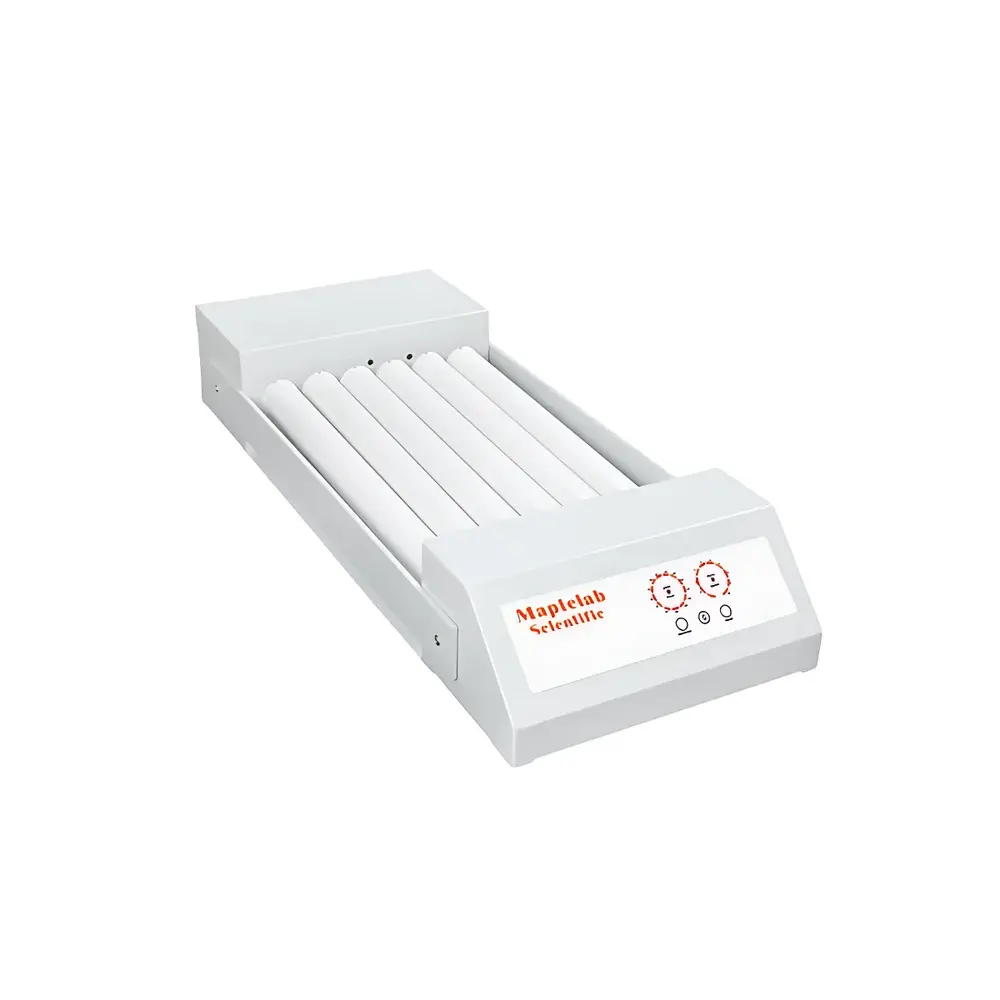
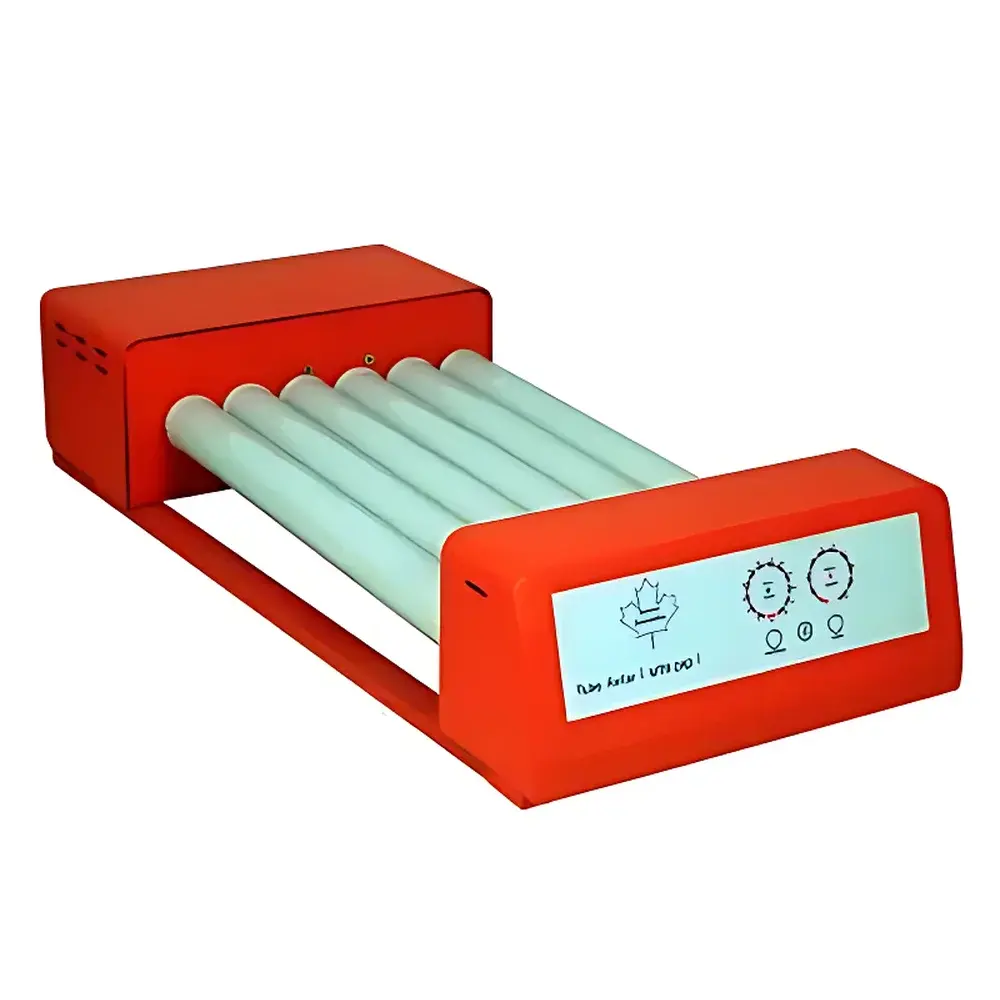
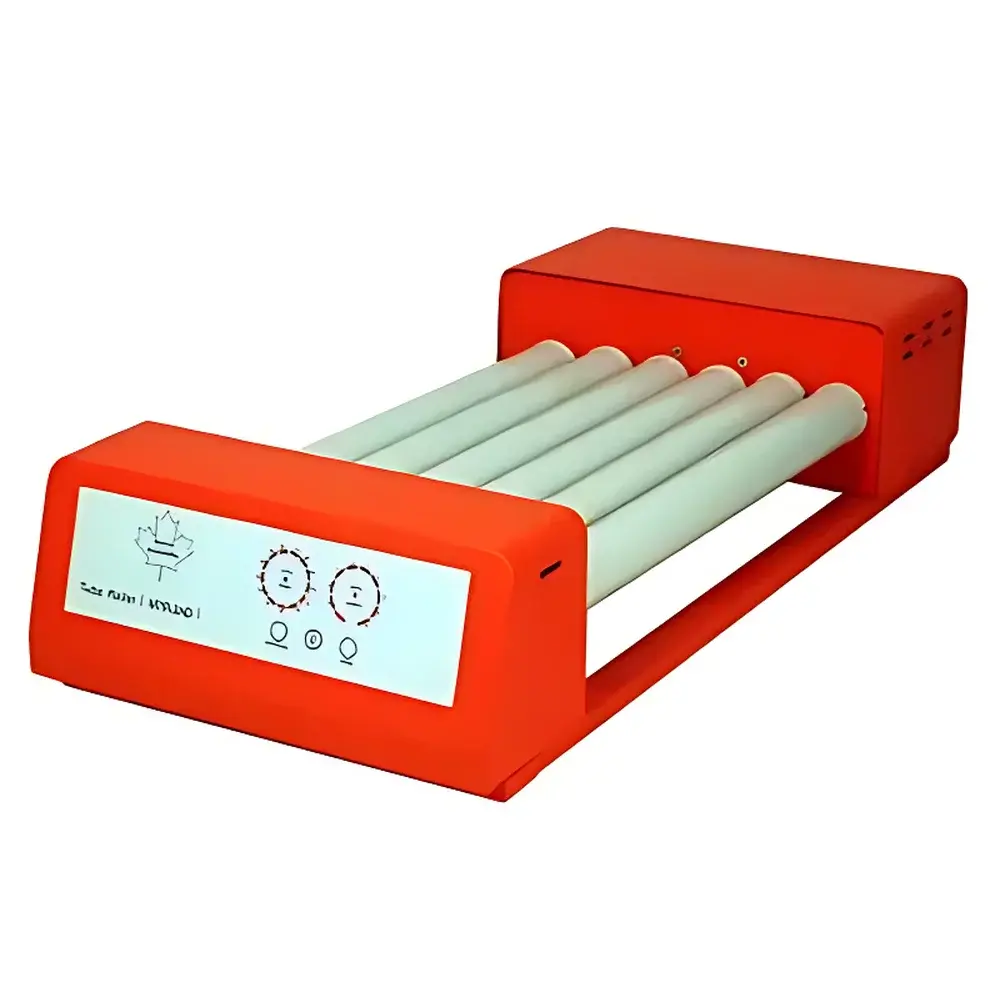
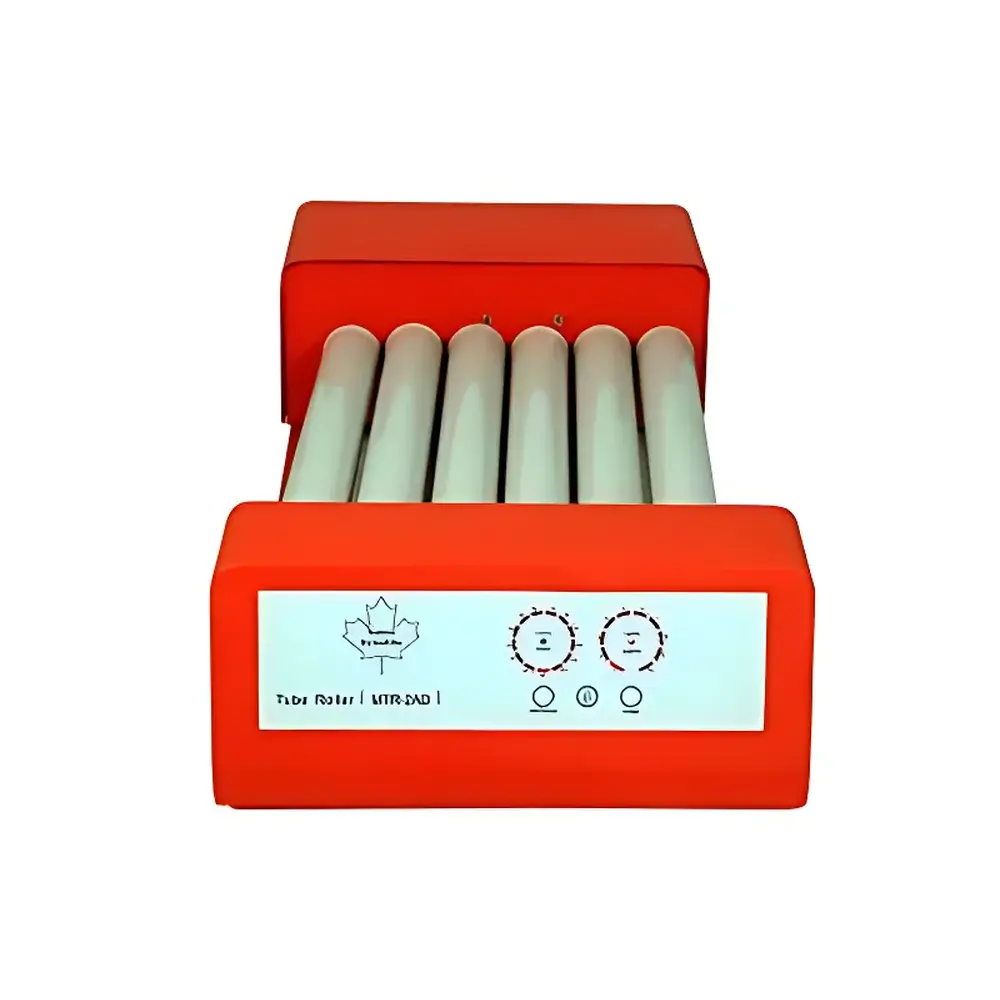
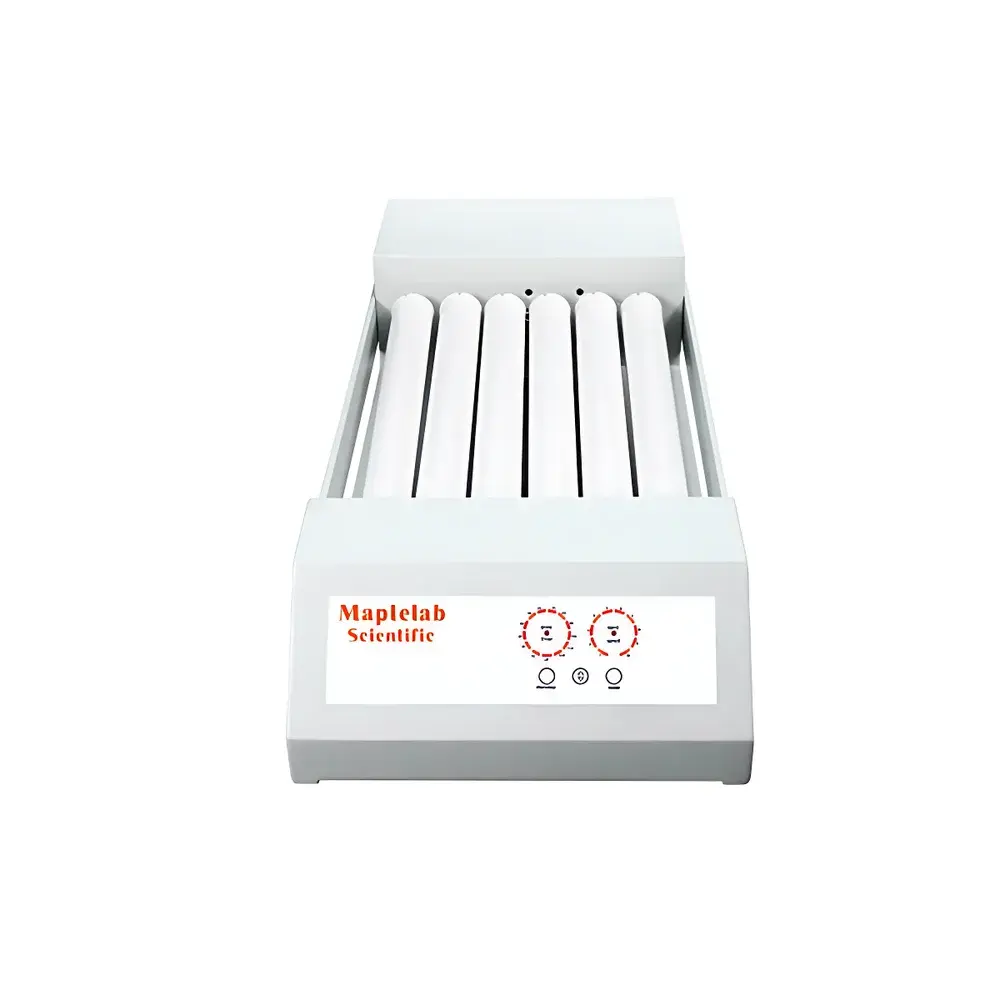
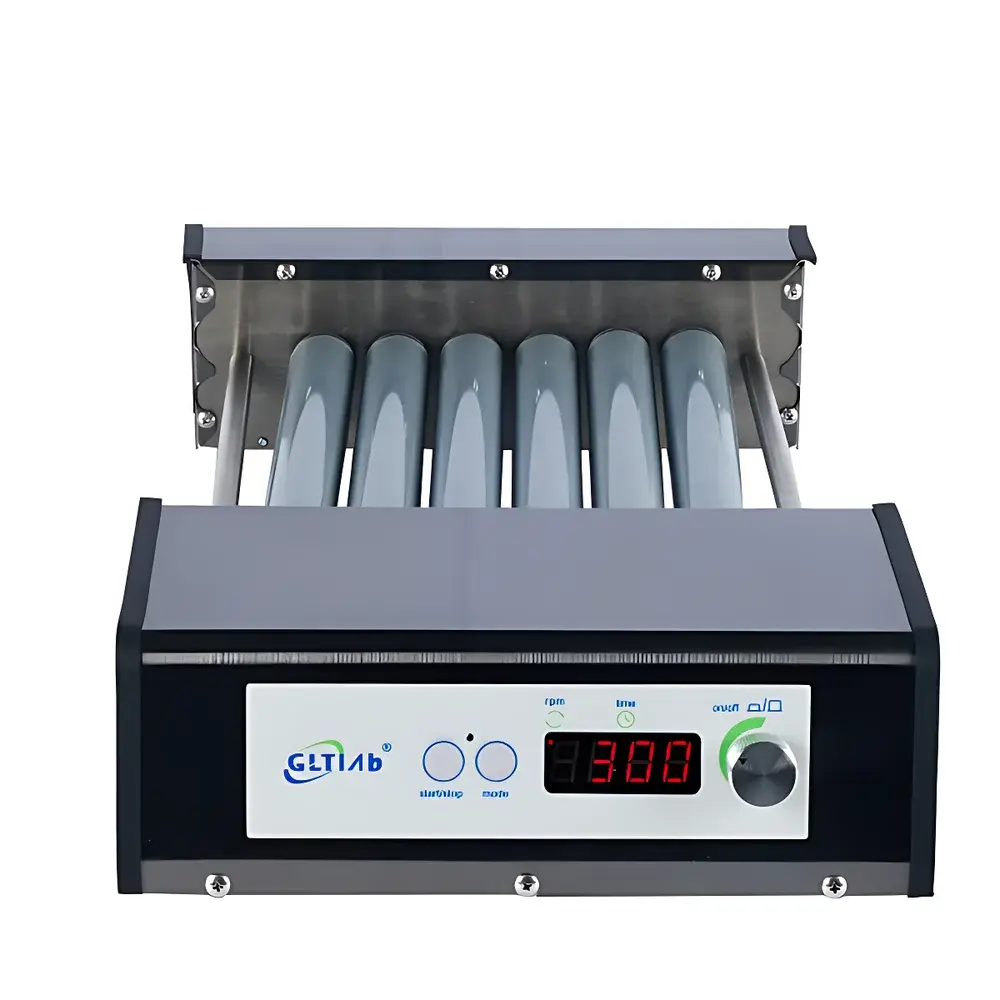
Maplelab MTR-2AD Orbital Rocker Mixer
| Brand | Maplelab |
|---|---|
| Origin | Guangdong, China |
| Manufacturer Type | Authorized Distributor |
| Country of Origin | China |
| Model | MTR-2AD |
| Price | Upon Request |
| Speed Range | 5–300 rpm |
| Operation Mode | Continuous / Timed |
| Main Body Material | Heavy-Cast Iron |
| Speed Display | LED Digital |
| Operating Ambient Temperature | 4–60 °C |
| Rocking Angle | Adjustable (Oscillating & Pure Rolling Modes) |
| Roller Count | 6 |
| Max Load Capacity | 10 kg |
| Timer | 120 min (10-min increments) |
| Speed Control | 10-step stepped adjustment |
| Roller Dimensions | 340 × 30 mm (L × Ø) |
| External Dimensions | 565 × 240 × 110 mm (W × D × H) |
| Net Weight | 5.0 kg |
| Power Supply | 19 V AC, 50 Hz, 60 W |
| IP Rating | Not specified |
| Compliance | CE-marked for laboratory use under IEC 61010-1 |
Overview
The Maplelab MTR-2AD Orbital Rocker Mixer is an engineered solution for gentle, consistent, and container-agnostic mixing of viscous, shear-sensitive, or anaerobic samples in life science, clinical diagnostics, and pharmaceutical laboratories. Unlike vortex or orbital shakers, the MTR-2AD employs dual-mode rotary motion—either pure rolling or angled rocking—based on precise mechanical alignment between the drive shaft and roller axis. In rocking mode, the offset angle induces low-amplitude vertical oscillation during rotation, enhancing homogenization of high-viscosity suspensions (e.g., blood clots, agarose gels, or microbial cultures) without foaming or phase separation. In pure rolling mode, the coaxial configuration delivers uniform circumferential motion ideal for thawing frozen reagents, resuspending precipitates, or equilibrating temperature-sensitive formulations. Its heavy-cast iron chassis ensures mechanical stability and vibration damping across extended operation cycles, while the sealed LED display and robust power architecture support continuous deployment in controlled environments—including refrigerated chambers (4 °C), incubators (up to 60 °C, 80% RH), and biosafety cabinets.
Key Features
- Dual-motion architecture: Selectable rocking (oscillatory + rotational) or pure rolling modes via mechanical alignment adjustment
- 10-step speed control (5–300 rpm) with LED digital readout for repeatable parameter recall
- Timed operation up to 120 minutes in 10-minute increments—optimized for unattended overnight protocols
- Universal sample accommodation: Compatible with standard and irregularly shaped vessels—including 12–50 mL tubes, serum bottles, culture flasks, and microcentrifuge tubes—without adapters
- Heavy-cast iron frame with non-slip rubber feet for vibration isolation and operational stability under full 10 kg load
- Low-voltage (19 V AC), energy-efficient (60 W) design compliant with IEC 61010-1 safety standards for laboratory equipment
- Compact footprint (565 × 240 × 110 mm) suitable for benchtop integration in space-constrained labs or cold rooms
Sample Compatibility & Compliance
The MTR-2AD accommodates heterogeneous sample formats common in molecular biology, hematology, and bioprocessing workflows—including whole blood units, glycerol-stabilized enzyme stocks, anaerobic bacterial suspensions, and cryopreserved cell pellets. Its gentle agitation profile meets handling requirements outlined in CLSI GP44-A4 (Handling of Blood Specimens) and supports adherence to ISO 15189:2022 clause 5.3.2 regarding pre-analytical sample integrity. The unit operates reliably within GLP/GMP-aligned environments when deployed alongside documented SOPs; its timer and speed settings provide traceable operational parameters for audit readiness. While not FDA 21 CFR Part 11–compliant out-of-the-box (lacking electronic signature or audit trail functionality), it serves as a validated ancillary device in regulated workflows where manual parameter logging is established.
Software & Data Management
The MTR-2AD is a stand-alone electromechanical instrument with no embedded software, network interface, or data export capability. All operational parameters—speed step selection and timer duration—are set manually via front-panel controls and displayed in real time on the integrated LED screen. This architecture eliminates firmware dependencies, cybersecurity risks, or validation overhead associated with connected devices. For laboratories requiring documentation, users may record settings in lab notebooks or LIMS using standardized templates referencing model number (MTR-2AD), speed step (1–10), and timer value (e.g., “Step 7, 90 min”). No calibration certificate is supplied, but routine verification of rotational speed (using external tachometer) and timer accuracy is recommended per ISO/IEC 17025:2017 clause 7.7.
Applications
- Thawing cryopreserved biologicals (e.g., PBMCs, stem cells) with minimal thermal shock and mechanical stress
- Resuspension of sedimented antibodies, recombinant proteins, or lyophilized reagents in low-volume vials
- Homogenizing viscous matrices such as whole blood, synovial fluid, or soil extracts prior to centrifugation or filtration
- Maintaining anaerobic cultures (e.g., Clostridium, Bacteroides) during incubation without gas-phase disturbance
- Equilibrating temperature gradients in multi-well plates or deep-well blocks during hybridization or binding assays
- Pre-analytical preparation of clinical specimens in CAP-accredited pathology labs per specimen processing guidelines
FAQ
What is the difference between rocking and pure rolling modes?
Rocking mode introduces a slight vertical oscillation by angling the roller axis relative to the drive shaft—enhancing mixing efficiency for viscous or particulate-laden samples. Pure rolling occurs when axes are coaxial, delivering smooth circumferential motion ideal for delicate thawing or uniform suspension.
Can the MTR-2AD be used inside a CO₂ incubator?
No—it is rated for ambient temperatures up to 60 °C and humidity ≤80%, but lacks ingress protection (IP rating) or corrosion-resistant materials required for humidified CO₂ environments.
Is speed calibration traceable to NIST standards?
The unit does not include factory calibration documentation. Users must perform periodic speed verification using a certified handheld tachometer per internal quality procedures.
Does it support external triggering or remote start/stop?
No—the MTR-2AD has no digital I/O, RS-232, USB, or Ethernet connectivity. Operation is exclusively local and manual.
What maintenance is required?
Routine cleaning of rollers and chassis with 70% ethanol; inspection of roller surface integrity every 6 months; lubrication is not required due to sealed bearing design.
Related Products



