T-Maze System for Behavioral Neuroscience Research
| Origin | USA |
|---|---|
| Manufacturer Type | Authorized Distributor |
| Origin Category | Imported |
| Model | T-Maze |
| Pricing | Available Upon Request |
Overview
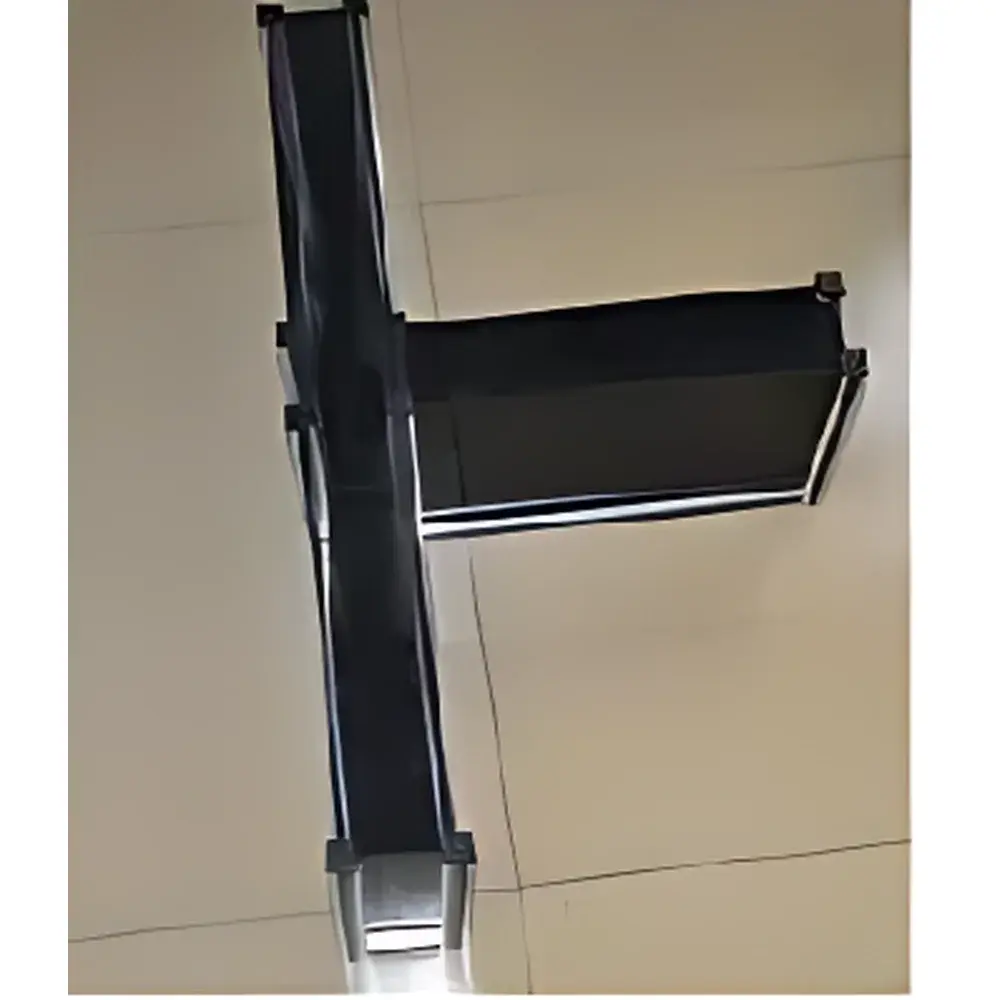
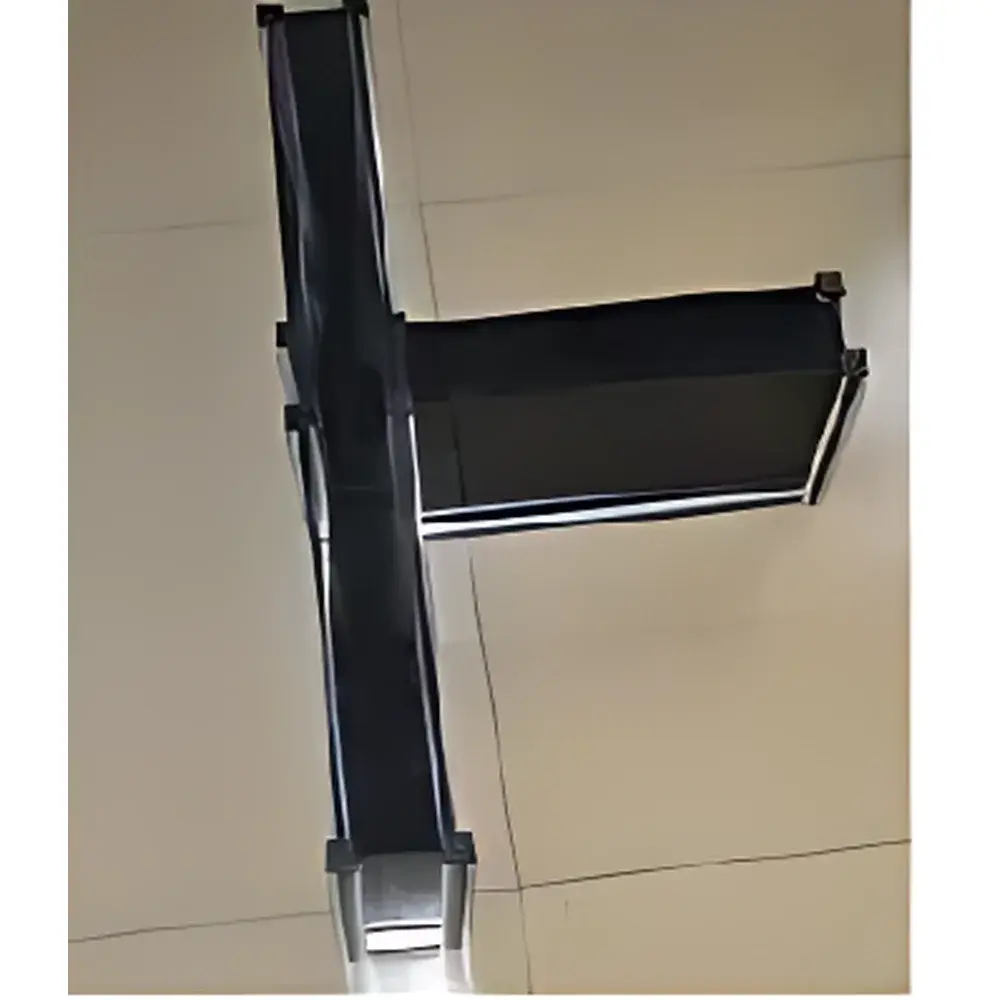
The T-Maze System is a standardized, modular apparatus engineered for rigorous assessment of spatial learning, working memory, behavioral alternation, and associative recognition in rodent models. Grounded in the principles of spontaneous alternation and reward-directed choice behavior, the T-maze leverages natural exploratory drive and operant conditioning paradigms to quantify cognitive flexibility and hippocampal-dependent memory processes. Its symmetrical T-shaped configuration—comprising one start arm and two identical choice arms—provides a controlled environment for evaluating decision-making under defined sensory, temporal, and reinforcement contingencies. Designed specifically for preclinical neuroscience laboratories, this system supports both non-reinforced (spontaneous alternation) and reinforced (food- or cue-motivated) protocols, enabling longitudinal tracking of cognitive performance across disease models, pharmacological interventions, or genetic manipulations.
Key Features
- Modular T-shaped architecture with precisely aligned 90° junction: start arm (45 cm L × 10 cm W × 30 cm H) and two identical choice arms (45 cm L × 10 cm W × 30 cm H), constructed from opaque gray PVC to eliminate visual landmark interference during spatial tasks.
- Food reward compartments integrated into the distal end of each choice arm, securely mounted to interior walls to ensure consistent positive reinforcement delivery without obstructing animal movement or line-of-sight.
- Translucent acrylic top panels and central junction cover facilitate unobstructed overhead video tracking while maintaining environmental control and minimizing external stimulus contamination.
- Triple-point infrared (IR) beam sensor array installed at the entrance of each arm (start-to-choice transition zone and inter-arm thresholds), enabling precise, contactless detection of entry/exit events with millisecond-level temporal resolution.
- Interchangeable arm inserts and removable partitions allow rapid reconfiguration for variant protocols—including forced-choice, delayed non-match-to-sample (DNMS), and cue-guided discrimination—without structural modification.
Sample Compatibility & Compliance
The T-Maze is validated for use with mice (C57BL/6, BALB/c, FVB, etc.) and rats (Sprague-Dawley, Wistar, Long-Evans) across standard weight and age ranges (e.g., 20–35 g mice; 250–450 g rats). All materials comply with ISO 10993-5 (biocompatibility) and ASTM F2150 (plastics used in medical devices), ensuring safety for repeated animal exposure. The system meets GLP-aligned design criteria for behavioral phenotyping studies and supports full audit trails when paired with compliant data acquisition software—facilitating alignment with NIH Guide for the Care and Use of Laboratory Animals, AAALAC International standards, and institutional IACUC protocol requirements.
Software & Data Management
The bundled T-Maze Control & Analysis Suite provides preconfigured task templates—including Spatial Discrimination, Light/Dark Preference, Acoustic Cue Association, Delayed Alternation, and Forced Alternation—with adjustable parameters for inter-trial interval (ITI), delay duration (0–300 s), reward contingency logic, and trial termination rules. Raw IR beam event timestamps are synchronized with optional third-party video tracking systems (e.g., EthoVision XT, ANY-maze) via TTL output. Data export is supported in CSV and MATLAB-compatible .mat formats, with built-in statistical modules for calculating alternation rate (%), latency to choice, perseverative errors, and session-based learning curves. Software architecture adheres to FDA 21 CFR Part 11 readiness guidelines, including user access controls, electronic signatures, and immutable audit logs for regulatory submissions.
Applications
- Evaluation of hippocampal and prefrontal cortical function in transgenic Alzheimer’s disease models (e.g., APP/PS1, 3xTg).
- Pharmacological screening of nootropic, anxiolytic, or neuroprotective compounds affecting working memory consolidation.
- Assessment of cognitive deficits following traumatic brain injury (TBI), stroke, or chronic stress exposure.
- Validation of optogenetic or chemogenetic circuit manipulations targeting medial septum–hippocampus pathways.
- Developmental neurotoxicity studies per OECD Test Guideline 426 (developmental neurobehavioral toxicity).
FAQ
What species and strains are compatible with this T-Maze system?
Mice (including C57BL/6, BALB/c, CD-1) and rats (Sprague-Dawley, Wistar, Long-Evans) are fully supported; arm dimensions accommodate standard adult weights and locomotor profiles.
Can the system be integrated with existing video-tracking platforms?
Yes—the T-Maze Control Suite provides TTL synchronization outputs and metadata tagging compatible with EthoVision XT, ANY-maze, and Noldus IO Box configurations.
Is calibration required before each session?
No routine recalibration is needed; IR sensors are factory-aligned and thermally stabilized. A daily functional check using the built-in diagnostic mode is recommended.
Does the software support automated scoring of alternation behavior?
Yes—alternation rate, first-choice latency, and error type classification (e.g., regressive vs. perseverative) are computed automatically upon session completion.
Are replacement parts (e.g., food cups, IR sensors, acrylic panels) available separately?
All structural and electronic components are available as certified OEM spares with documented traceability and material compliance certificates.