
METER ZL6 Cloud-Based Microclimate Monitoring System
| Brand | METER |
|---|---|
| Origin | USA |
| Manufacturer Type | Authorized Distributor |
| Import Status | Imported |
| Model | ZL6 |
| Instrument Type | Compact Wireless Weather Station |
| Power | Integrated Solar Panel + Rechargeable NiMH Battery |
| Data Connectivity | GSM (2G/3G) to Zentra Cloud |
| Local Storage Capacity | 40,000–80,000+ records |
| Sensor Interfaces | 6 universal analog/digital ports |
| IP Rating | IP67 enclosure |
| Operating Temperature Range | –25°C to 60°C |
| Compliance | FCC Part 15, CE, RoHS |
Overview
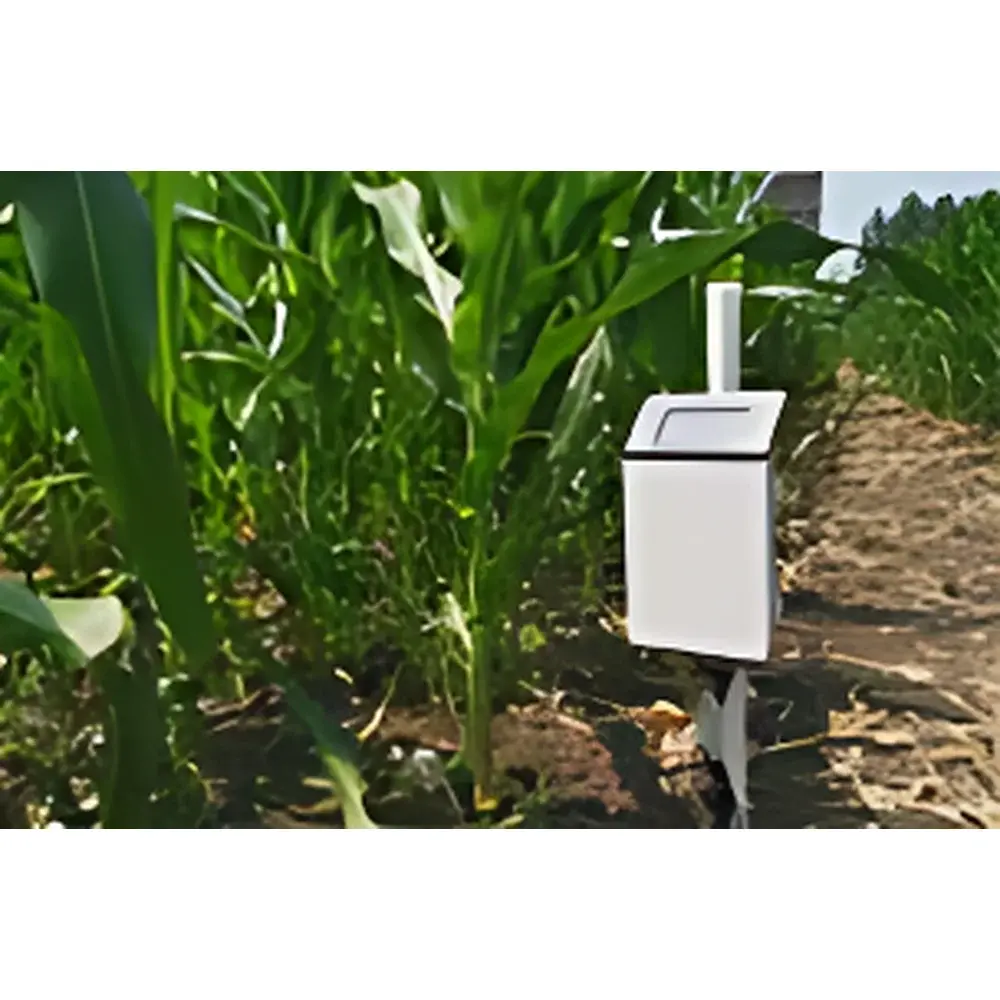
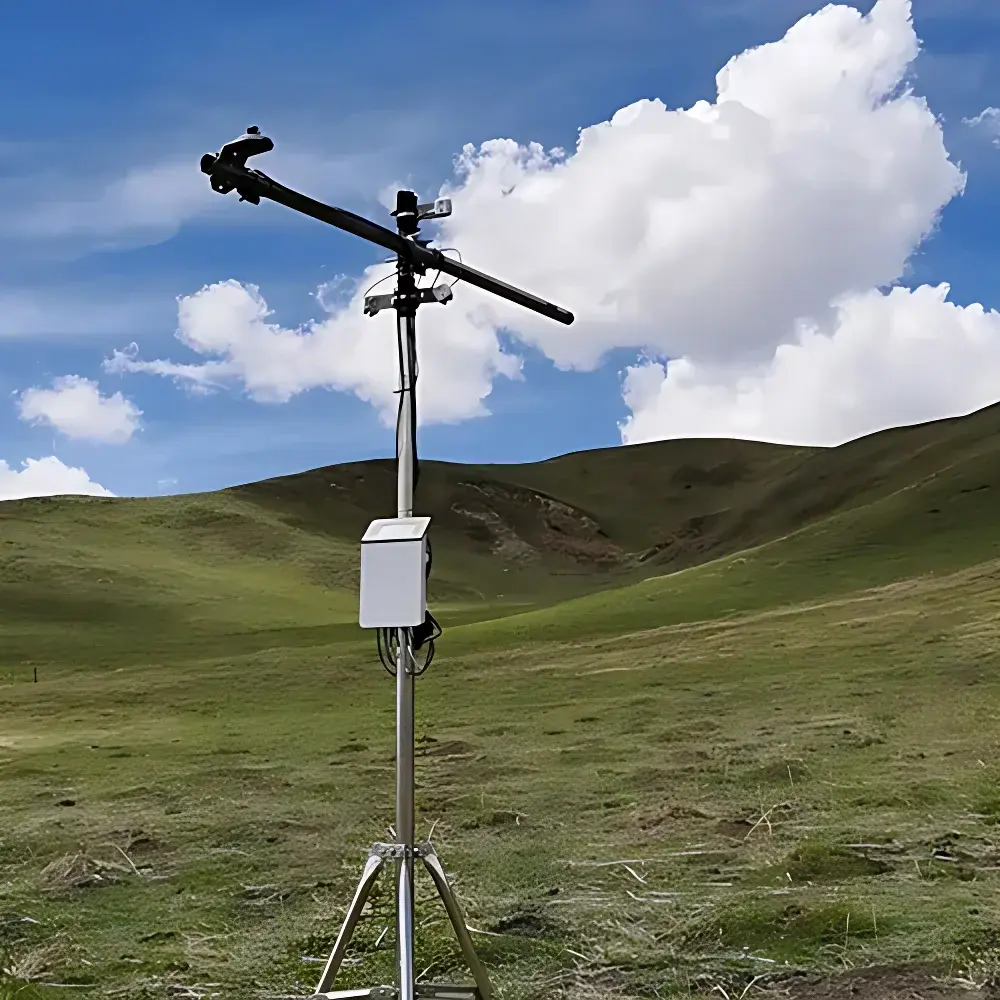
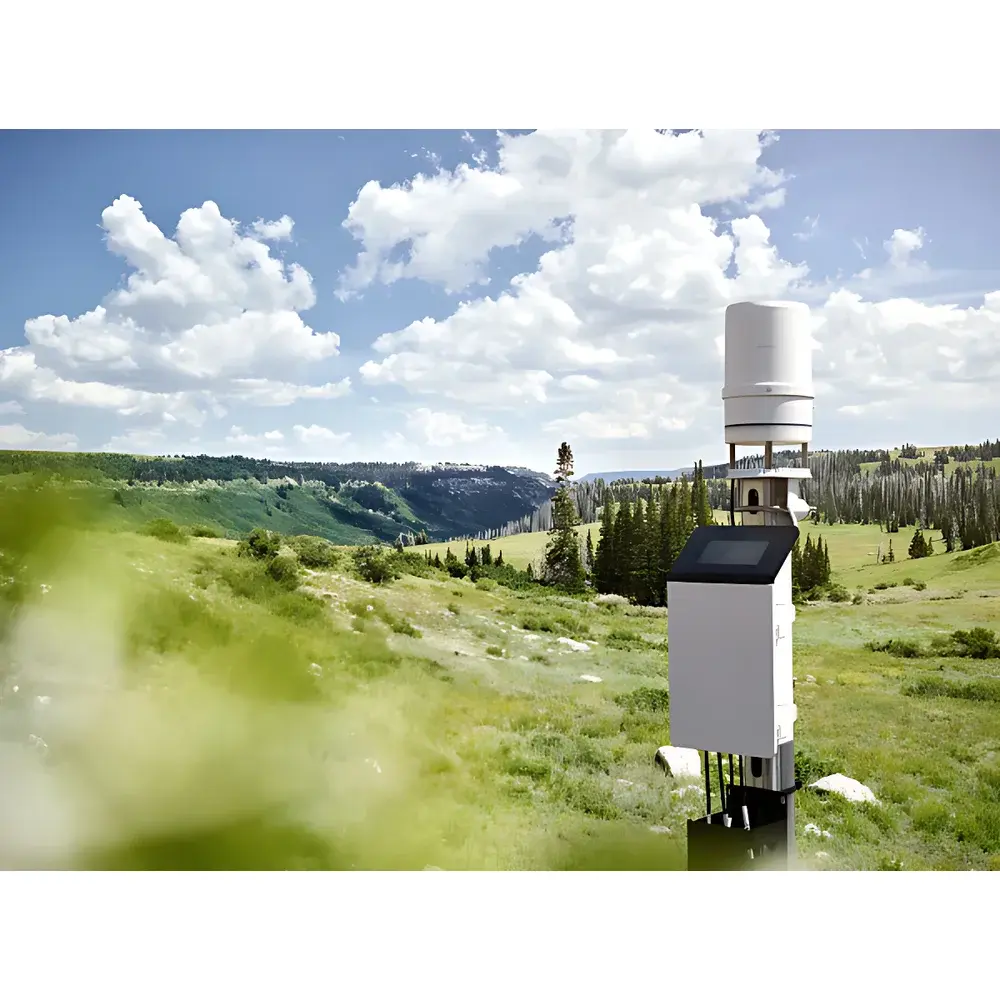
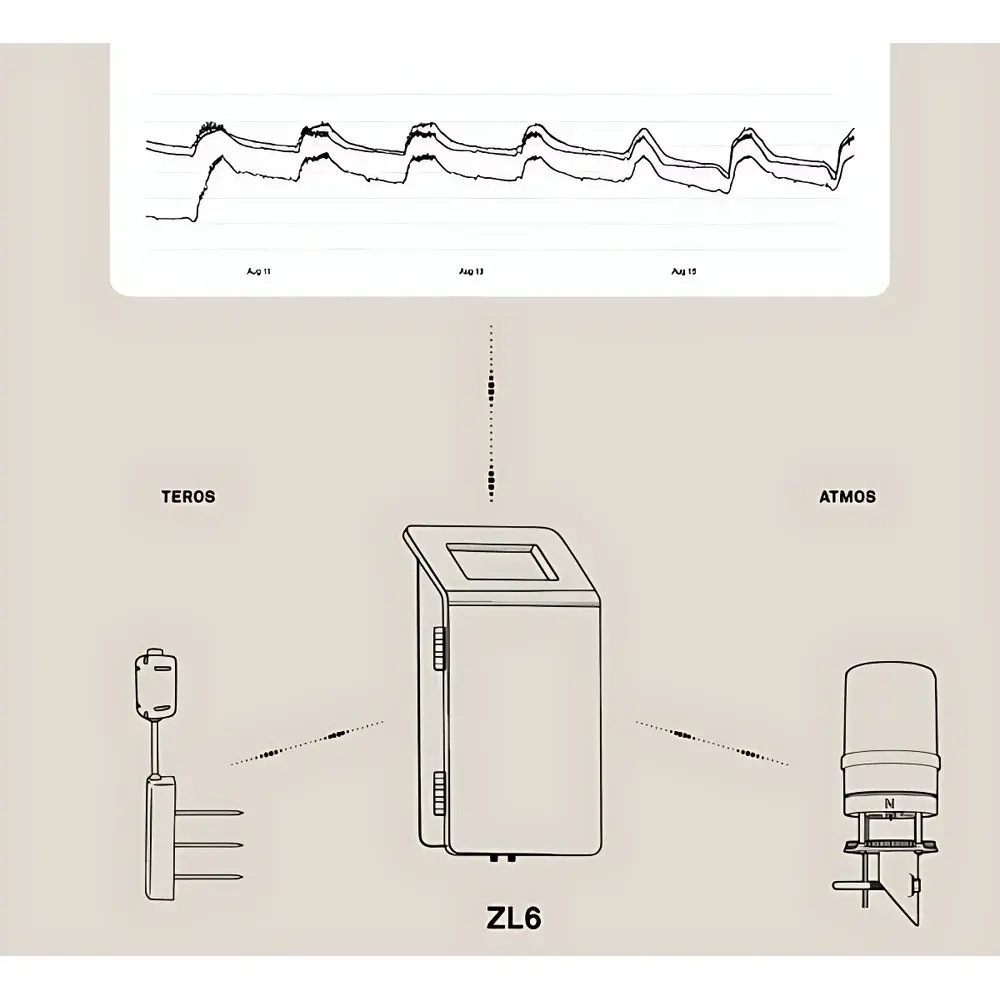
The METER ZL6 Cloud-Based Microclimate Monitoring System is a rigorously engineered, field-deployable environmental observation platform designed for high-fidelity microclimatic characterization across heterogeneous terrestrial ecosystems. Unlike conventional macro-scale weather stations, this system targets the atmospheric boundary layer (0–2 m above ground) and upper soil profile (0–1 m depth), where surface–atmosphere exchange processes—such as sensible heat flux, latent heat flux, evapotranspiration, and soil–plant–atmosphere continuum dynamics—are most active and spatially variable. The ZL6 functions as an edge-computing data logger with integrated GSM telemetry, enabling continuous, low-power acquisition of meteorological and edaphic parameters under unattended, off-grid conditions. Its architecture follows IoT principles: sensors interface directly via standardized analog (0–5 V, 4–20 mA) and digital (SDI-12, I²C) protocols; raw measurements are timestamped, quality-checked, and buffered locally before secure transmission to the Zentra Cloud platform via encrypted GSM payload. This system is purpose-built for ecological research, precision agriculture, forest hydrology, and long-term environmental change studies requiring spatially distributed, temporally resolved, and audit-ready datasets.
Key Features
- Integrated solar charging system with high-efficiency monocrystalline panel and maintenance-free NiMH battery bank—enables multi-year deployment without grid dependency or manual battery replacement.
- IP67-rated, UV-stabilized polycarbonate enclosure with passive thermal shielding—engineered for extreme ambient exposure in deserts, alpine zones, wetlands, and tropical canopies.
- Six configurable sensor ports supporting plug-and-play compatibility with METER’s full suite of calibrated environmental sensors—including TEROS, ATMOS, ECRN, PYR, and PHYTOS series—without firmware reconfiguration.
- Onboard GPS module providing georeferenced metadata for each record; coordinates are embedded in every data packet and visualized on interactive maps within Zentra Cloud.
- Local storage capacity scalable from 40,000 to >80,000 timestamped records (depending on sampling interval and sensor count); dual-write redundancy ensures no data loss during intermittent cloud connectivity.
- Firmware-over-the-air (FOTA) capability via GSM—permits remote parameter adjustment, sampling schedule updates, and security patch deployment without site visits.
Sample Compatibility & Compliance
The ZL6 system accommodates a wide spectrum of physical and biophysical measurements through modular sensor integration. Compatible parameters include air temperature (±0.2°C), relative humidity (±2% RH), barometric pressure (±0.1 kPa), wind speed/direction (ultrasonic, 0–60 m/s), precipitation (tipping-bucket, 0.01 mm resolution), photosynthetically active radiation (PAR, 0–2500 µmol m⁻² s⁻¹), soil volumetric water content (±0.01 m³/m³), soil water potential (±0.5 kPa), soil temperature (±0.1°C), leaf wetness duration, and soil electrical conductivity (0–20 dS/m). All METER sensors are factory-calibrated traceable to NIST standards and validated per ISO/IEC 17025 procedures. The ZL6 itself complies with FCC Part 15 Subpart B (unintentional radiator), CE RED Directive 2014/53/EU, and RoHS 2011/65/EU. When deployed in regulated environments (e.g., USDA ARS trials, EPA monitoring networks), the system supports GLP-aligned metadata logging—including operator ID, calibration dates, sensor serial numbers, and environmental context tags—ensuring full traceability for audit purposes.
Software & Data Management
Zentra Cloud serves as the secure, role-based SaaS platform for end-to-end data lifecycle management. Accessible via web browser or native iOS/Android applications, it provides real-time dashboards with auto-scaled time-series plots, customizable alarm thresholds (e.g., battery voltage <11.2 V, soil moisture <5% vwc), and cross-site comparison tools. All data transmissions use TLS 1.2 encryption; user accounts adhere to OAuth 2.0 authentication with optional two-factor verification. The platform enforces FDA 21 CFR Part 11–compliant audit trails: every configuration change, data export, or user login is immutably logged with timestamp, IP address, and action type. Raw CSV and NetCDF exports are available with embedded CF-1.8 metadata conventions, facilitating direct ingestion into R, Python (xarray/pandas), MATLAB, or GIS workflows. Team administrators can assign granular permissions—view-only, edit-config, or full-admin—via email-invite provisioning. Data retention is configurable (default: 5 years), with optional cold-archive to AWS S3 for compliance archiving.
Applications
- Agricultural micrometeorology: Quantifying crop water stress indices (CWSI), irrigation scheduling via real-time soil moisture–evapotranspiration coupling, and frost risk modeling using near-surface temperature inversions.
- Forest ecophysiology: Monitoring canopy–understory gradients in PAR, vapor pressure deficit (VPD), and leaf wetness to parameterize stomatal conductance models.
- Soil–hydrological process studies: Co-locating TEROS 21 (matric potential) and TEROS 12 (volumetric water content) to derive soil hydraulic functions and infiltration rate estimation.
- Urban green infrastructure assessment: Deploying multi-node ZL6 arrays to evaluate cooling effects of green roofs, bioswales, and street trees at parcel scale.
- Long-term ecological research (LTER) networks: Serving as standardized node hardware in distributed observatories requiring interoperable, low-maintenance, cloud-synced instrumentation.
- Climate resilience field trials: Supporting USDA Climate Hubs and IPCC AR6 Annex I validation efforts with sub-hourly, GPS-tagged microclimate baselines.
FAQ
Does the ZL6 support LoRaWAN or NB-IoT connectivity?
No—the ZL6 uses licensed-band GSM (850/900/1800/1900 MHz) exclusively for cellular telemetry. It does not incorporate unlicensed LPWAN radios.
Can third-party sensors be connected to the ZL6?
Yes, provided they output standard analog (0–5 V, 4–20 mA) or digital (SDI-12, I²C) signals and operate within the ZL6’s input voltage and current specifications. However, METER does not guarantee calibration stability or firmware-level diagnostics for non-METER devices.
What is the maximum recommended sampling interval for continuous 5-sensor operation?
At 15-minute intervals with six sensors active and GSM upload enabled every 2 hours, battery autonomy exceeds 18 months under typical insolation (≥3.5 kWh/m²/day). Aggressive 1-minute sampling reduces autonomy to ~4 months.
Is Zentra Cloud compliant with GDPR and HIPAA requirements?
Zentra Cloud is GDPR-compliant (EU-US Data Privacy Framework certified) but is not HIPAA-certified, as it does not handle protected health information (PHI). It is intended solely for environmental and agricultural data.
How is sensor calibration maintained over multi-year deployments?
METER sensors feature drift-compensated electronics and stable reference materials; however, field recalibration is recommended every 24 months for critical applications. Zentra Cloud logs all calibration events and allows versioned calibration coefficient uploads.
Related Products







