
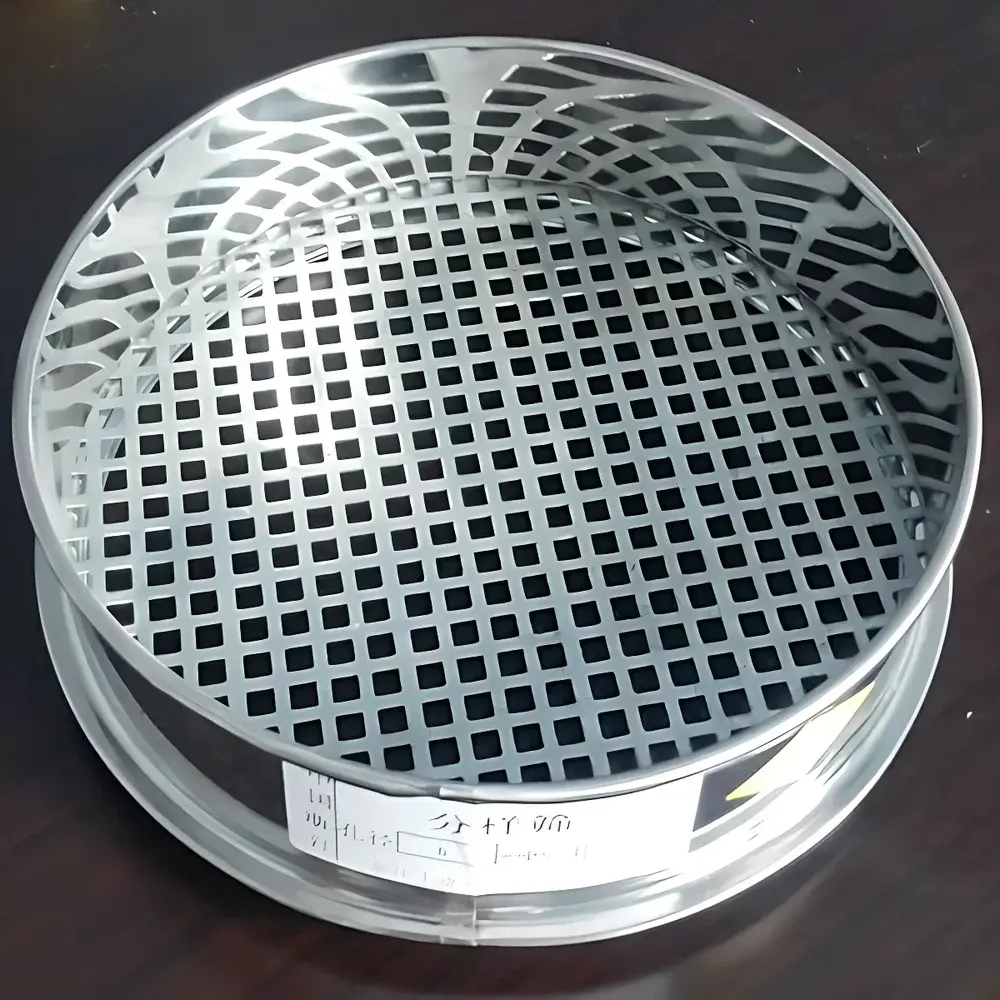
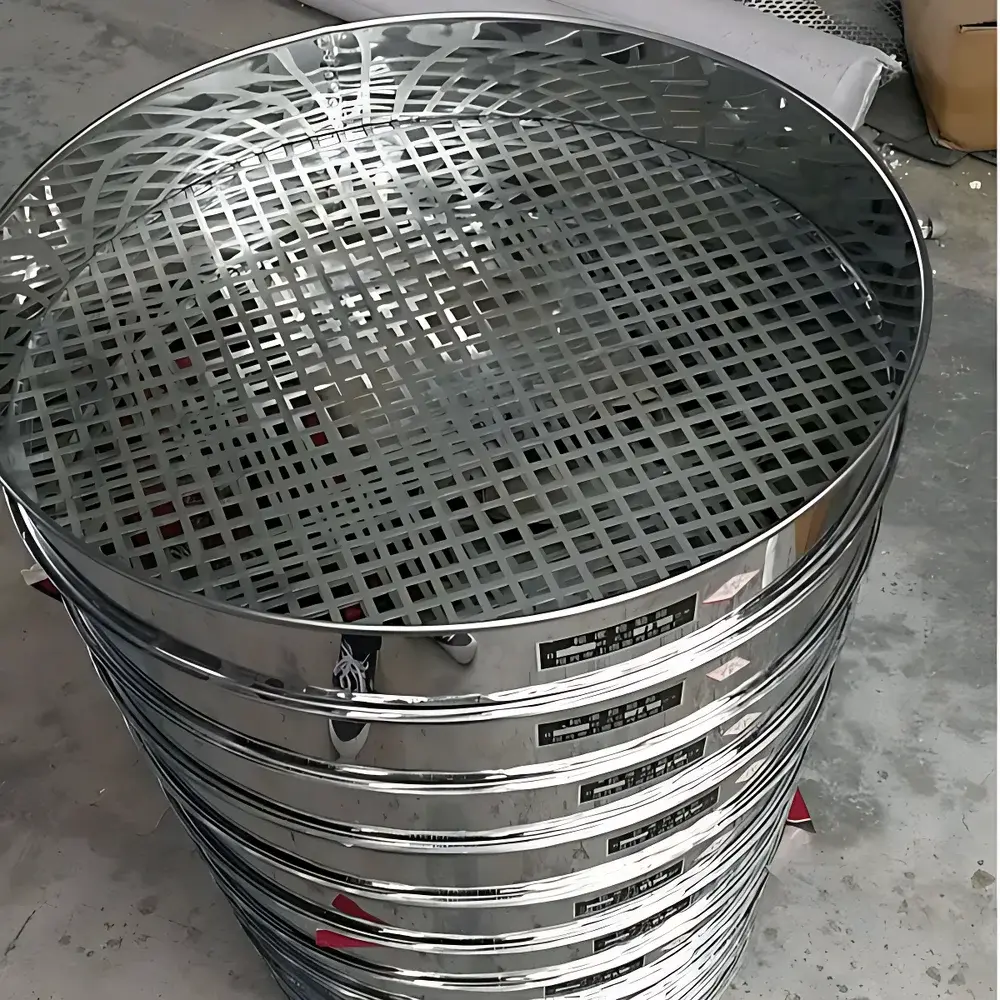
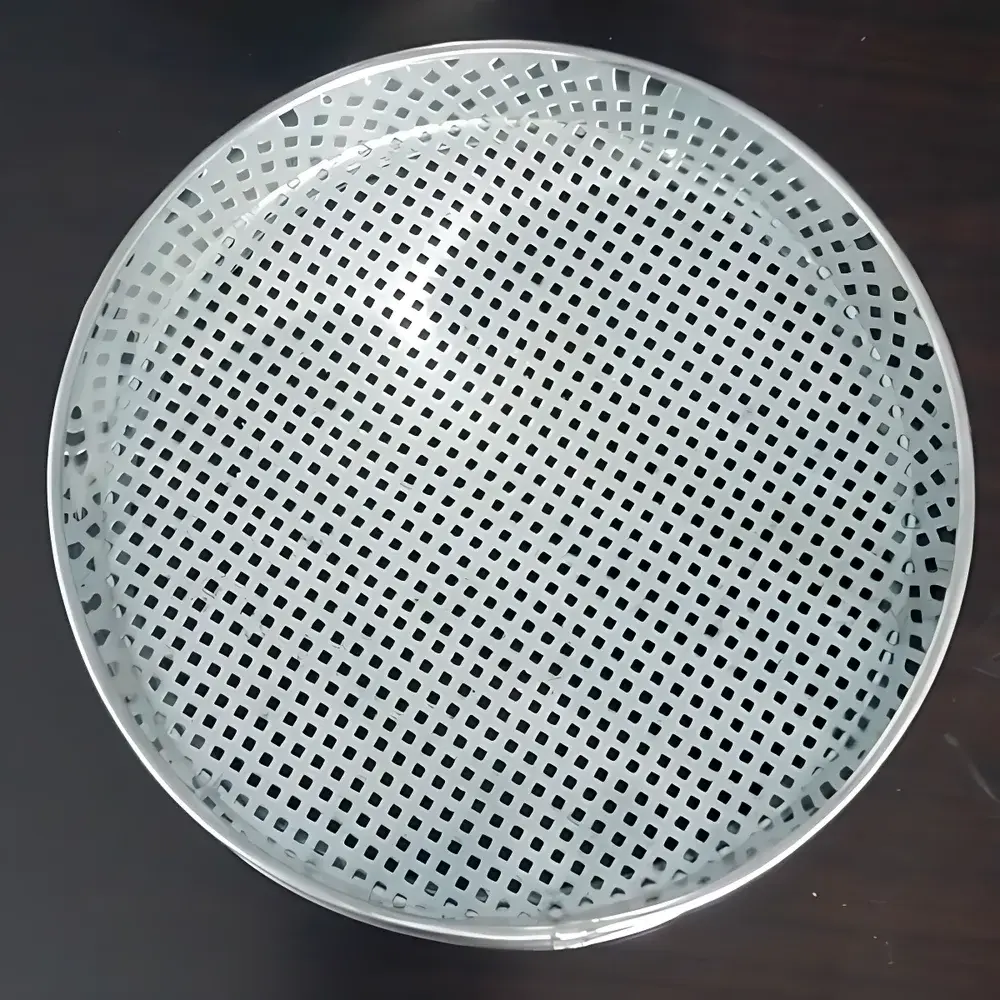
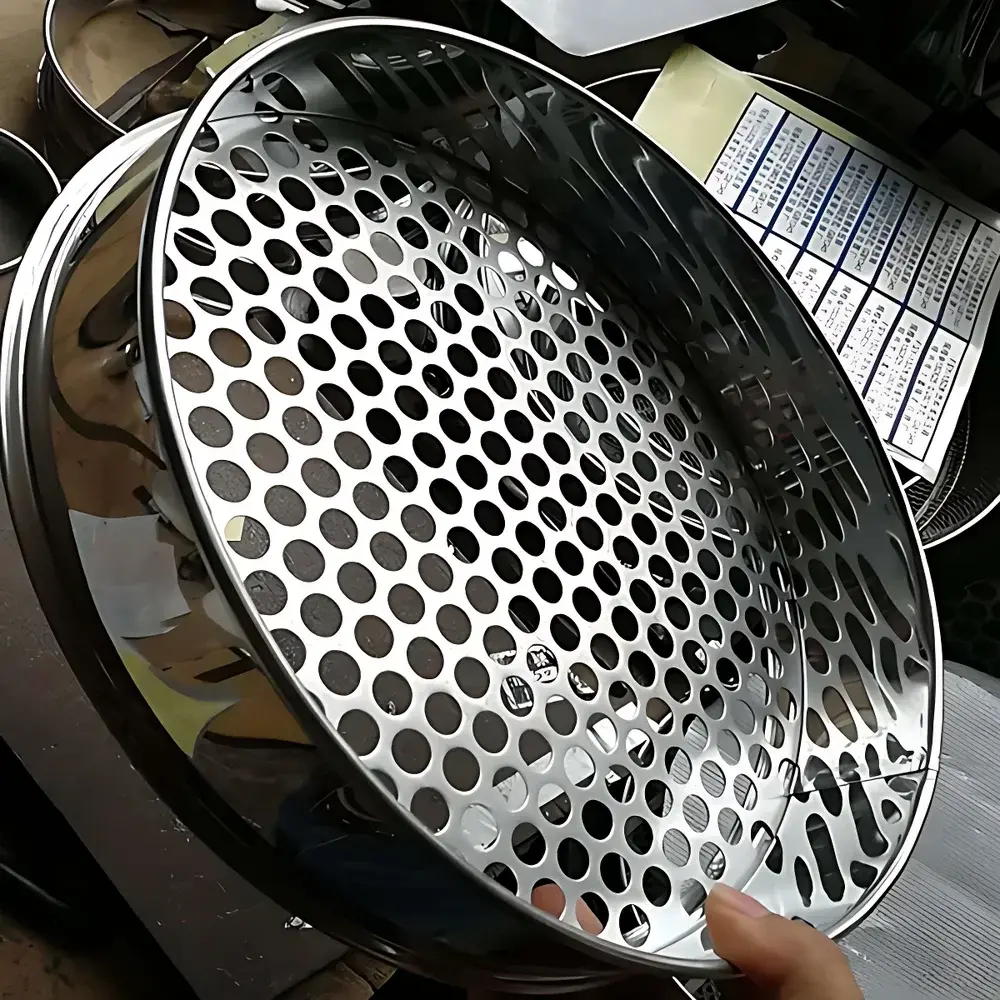
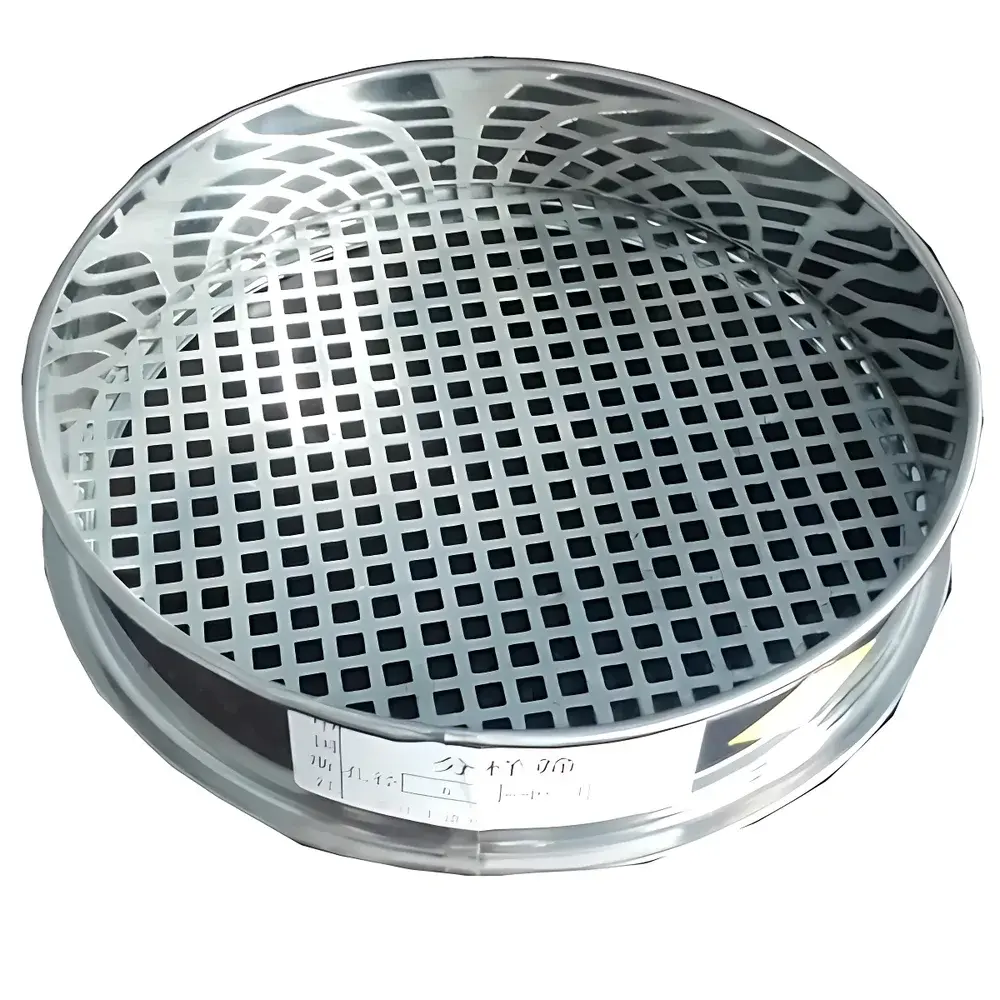
MingShen Science Φ200×50 Standard Laboratory Test Sieve
| Brand | MingShen Science |
|---|---|
| Diameter | 200 mm |
| Height | 50 mm |
| Aperture Range | 13 mm – 0.09 mm (square or round openings) |
| Construction | Dual-layer stainless steel or galvanized steel |
| Origin | Henan, China |
| Compliance | ISO 3310-1, ASTM E11, GB/T 6003.1 |
Overview
The MingShen Science Φ200×50 Standard Laboratory Test Sieve is a precision mechanical sieving device engineered for consistent, repeatable particle size distribution analysis in quality control and R&D laboratories. Designed in strict accordance with international sieve standardization frameworks—including ISO 3310-1 (Test sieves — Technical requirements and testing — Part 1: Test sieves of metal wire cloth) and ASTM E11 (Standard Specification for Woven Wire Test Sieve Cloth and Test Sieves)—this 200 mm diameter sieve provides reliable physical separation of dry granular materials via gravitational or mechanical agitation. Its robust cylindrical frame ensures dimensional stability during vibration or hand-sieving protocols, while the precisely tensioned woven wire mesh maintains aperture integrity across repeated use cycles. The device operates on the principle of mechanical stratification: particles smaller than the nominal aperture pass through under applied motion, while oversized fractions remain retained for quantitative recovery and downstream characterization.
Key Features
- Dual-layer construction option: Reinforced stainless steel or galvanized steel frames with welded seam integrity, minimizing deformation under vibratory load.
- Precision-woven wire cloth: Mesh manufactured to ±5% tolerance on nominal aperture size per ISO 3310-1 Annex A; available in both square and round opening configurations.
- Standardized dimensions: 200 mm nominal diameter × 50 mm vertical height—compatible with all major sieve shakers (e.g., Endecotts, Retsch AS 200, Gilson RX-28) and manual sieve nest assemblies.
- Material versatility: Stainless steel variants meet food-grade (304/316) and corrosion-resistant requirements; galvanized options provide cost-effective durability for non-aggressive industrial powders.
- Traceable calibration: Each sieve batch undergoes optical aperture verification using calibrated stereo microscopy; optional NIST-traceable certification available upon request.
Sample Compatibility & Compliance
This test sieve is validated for use with free-flowing, non-cohesive particulates across coal preparation labs (ASTM D4749), metallurgical assay workflows (ISO 1073-1), power plant fly ash classification (ASTM C618), and fine chemical QC (USP ). It is not suitable for wet sieving, fibrous aggregates, or high-moisture content samples (>5% w/w) without prior drying. All stainless steel models comply with FDA 21 CFR 178.3570 for indirect food contact surfaces. The galvanized variant meets EN 10346:2015 for hot-dip galvanized steel sheet used in laboratory equipment enclosures. Full documentation supports GLP/GMP audit readiness, including material certificates of conformance and manufacturing lot traceability.
Software & Data Management
While the Φ200×50 sieve is a passive mechanical component, it integrates seamlessly into digital particle analysis ecosystems. When used with automated sieve shakers equipped with RS-232 or USB interfaces (e.g., Retsch ANALYSETTE 3 PRO), sieve data—including duration, amplitude, and mass retention per fraction—is logged directly into LIMS-compatible CSV or XML outputs. Optional digital sieve management modules (e.g., LabWare LIMS Particle Module or Thermo Fisher SampleManager) support SOP-driven workflow execution, electronic signature capture, and 21 CFR Part 11–compliant audit trails for retention weight records. Calibration history and mesh verification reports are stored as PDF/A-1b archives for long-term regulatory retention.
Applications
- Coal sizing analysis per ASTM D4749 for washability curve generation and combustible loss estimation.
- Granular catalyst screening in petrochemical R&D to verify extrudate friability and pore accessibility.
- Pharmaceutical excipient qualification per USP , ensuring uniformity of sieve-cut lactose or microcrystalline cellulose batches.
- Recycled aggregate gradation testing in civil engineering labs (ASTM C136/C136M) for concrete mix design compliance.
- Quality assurance of battery cathode precursors (e.g., NMC, LFP) where particle size distribution directly impacts electrode slurry rheology and coating uniformity.
FAQ
What standards does this sieve conform to?
ISO 3310-1:2016, ASTM E11-22, and GB/T 6003.1-2012 for woven wire test sieves.
Can I use this sieve in a Ro-Tap® shaker?
Yes—the 200 mm diameter and 50 mm height meet ASTM E11 dimensional tolerances for compatibility with standard Ro-Tap® sieve holders.
Is mesh replacement possible?
No—this is a monolithic, factory-tensioned assembly; mesh integrity is guaranteed only for the original configuration and cannot be field-replaced.
What is the maximum operating temperature?
Stainless steel variants: ≤400 °C continuous; galvanized variants: ≤200 °C (zinc oxide formation begins at ~250 °C).
Do you provide calibration certificates?
Yes—NIST-traceable aperture verification reports are available as an add-on service with certified uncertainty budgets per ISO/IEC 17025.



